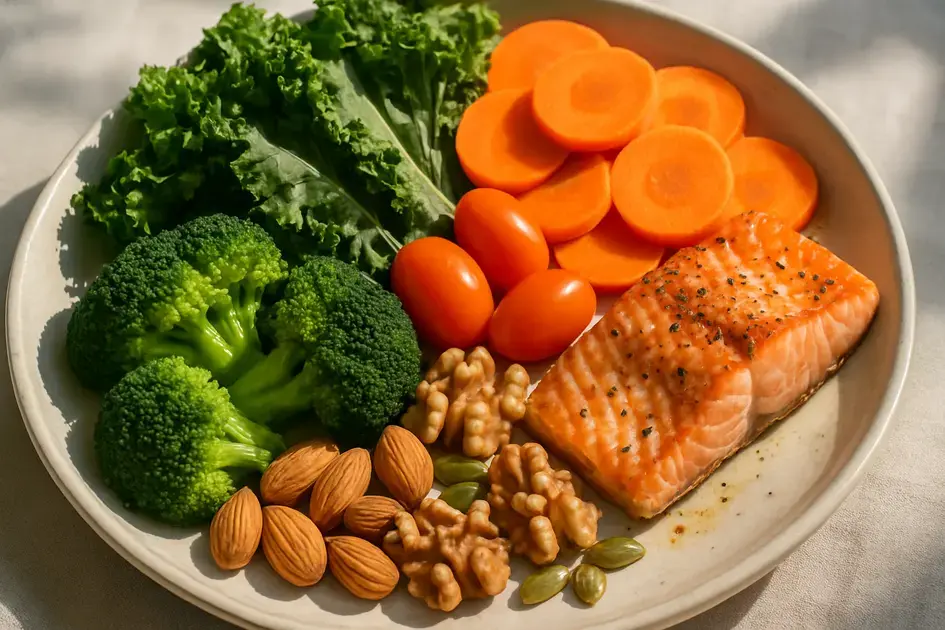
Top foods for better vision health include leafy greens (lutein, zeaxanthin), fatty fish (omega-3s), carrots (vitamin A), berries (antioxidants), and nuts/seeds (vitamin E). These nutrients protect against macular degeneration, cataracts, dry eyes, and support overall eye function, promoting clear and healthy vision.
Have you ever wondered which foods really impact your eye health? The 10 top foods for better vision health might surprise you! Including these in your meals could be a simple way to give your eyes the care they deserve. Ready to find out what they are?
Why diet matters for vision health
What you eat can really affect how well you see. Think of your eyes as needing fuel, just like a car. Good nutrition gives them the right stuff to work properly and stay healthy. So, why does diet matter so much for vision health?
Nutrients for Eye Health
Your eyes need certain vitamins and minerals to function well. Here’s a simple breakdown:
- Vitamin A: Keeps your cornea clear.
- Vitamin C: Acts as an antioxidant, protecting against damage.
- Vitamin E: Another antioxidant that fights off cell damage.
- Omega-3 Fatty Acids: Help with dry eyes and overall eye function.
- Lutein and Zeaxanthin: Protect against harmful blue light.
These nutrients aren’t just fancy names; they actively protect your eyes from problems like macular degeneration and cataracts. Foods rich in these nutrients can help keep your vision sharp and clear.
Food Choices Matter
What you eat every day adds up. Eating a balanced diet helps keep your eyes in top shape. On the flip side, a poor diet can increase your risk of eye diseases. Processed foods, sugary drinks, and too much unhealthy fat can cause inflammation and damage your eyes over time.
By focusing on nutrient-rich foods, you’re giving your eyes the best chance to stay healthy. So, start thinking about your diet as a way to support your vision. It’s a simple but powerful step toward better eye health.
Vitamin A and its role in eye function

Vitamin A is super important for keeping your eyes healthy. It’s like a key ingredient that helps them work right. So, what exactly does Vitamin A do for your eyes?
Keeps Your Cornea Clear
Your cornea is the clear front part of your eye. Vitamin A helps keep it clear so you can see properly. Without enough Vitamin A, your cornea can get cloudy, making it hard to see.
Helps You See in Low Light
Vitamin A is a big deal for seeing in the dark or in dim light. It’s part of a protein called rhodopsin, which helps your eyes adjust to different light levels. If you’re low on Vitamin A, you might have trouble seeing at night.
Protects Against Dry Eyes
Vitamin A helps keep your eyes moist. It supports the tissues that produce tears. When you don’t have enough Vitamin A, your eyes can get dry and irritated.
Good Sources of Vitamin A
Getting enough Vitamin A is easier than you might think. Here are some great sources:
- Sweet Potatoes: Packed with beta-carotene, which your body turns into Vitamin A.
- Carrots: Another excellent source of beta-carotene.
- Spinach: A leafy green full of Vitamin A.
- Dairy Products: Milk and cheese often contain Vitamin A.
- Liver: One of the richest sources of Vitamin A.
Including these foods in your diet helps ensure your eyes get the Vitamin A they need to stay healthy. Vitamin A isn’t just a vitamin; it’s a vital component for maintaining good vision.
How omega-3 fatty acids protect your eyes
Omega-3 fatty acids are essential fats that offer incredible benefits for your health, including protecting your eyes. These fats aren’t just good for your heart; they play a key role in keeping your vision sharp and healthy. So, how do omega-3s protect your eyes?
Reduces Dry Eye Syndrome
Dry eye syndrome is a common issue where your eyes don’t produce enough tears, leading to discomfort and vision problems. Omega-3s help keep your eyes moist by supporting the tear film, the outer layer of your eyes. They reduce inflammation, allowing your eyes to produce tears more effectively.
Fights Macular Degeneration
Macular degeneration, especially age-related macular degeneration (AMD), is a leading cause of vision loss. Omega-3s, particularly DHA, are found in high concentrations in the retina. They help protect the retina from damage caused by oxidation and inflammation, reducing the risk of AMD.
Supports Overall Eye Health
Omega-3s contribute to the overall health of your eyes by reducing inflammation and promoting healthy blood flow. Good blood flow is essential for delivering nutrients and oxygen to your eyes, keeping them functioning at their best.
Best Sources of Omega-3 Fatty Acids
To get enough omega-3s, include these foods in your diet:
- Fatty Fish: Salmon, tuna, and mackerel are excellent sources.
- Flaxseeds: A great plant-based source of ALA, which your body converts to omega-3s.
- Chia Seeds: Another good source of ALA.
- Walnuts: Provide ALA and other beneficial nutrients.
- Omega-3 Supplements: Fish oil or algal oil supplements can help if you don’t get enough from your diet.
By incorporating omega-3 fatty acids into your diet, you’re taking a proactive step toward maintaining healthy vision. These essential fats provide vital protection and support for your eyes.
The benefits of leafy green vegetables

Leafy green vegetables are more than just a healthy side dish; they’re packed with nutrients that can significantly benefit your eye health. Adding these greens to your diet is a simple and effective way to support your vision. So, what are the benefits of leafy green vegetables for your eyes?
Rich in Lutein and Zeaxanthin
Lutein and zeaxanthin are antioxidants that are found in high concentrations in leafy greens. These nutrients protect your eyes from harmful blue light and reduce the risk of chronic eye diseases such as macular degeneration and cataracts. They act like natural sunglasses, filtering out damaging light.
Protects Against Macular Degeneration
Age-related macular degeneration (AMD) is a leading cause of vision loss. The lutein and zeaxanthin in leafy greens help protect the macula, the central part of your retina, from damage. Eating these vegetables regularly can slow the progression of AMD and reduce your risk.
Reduces Cataract Risk
Cataracts cause clouding of the lens in your eye, leading to blurred vision. The antioxidants in leafy greens, including lutein and zeaxanthin, help protect the lens from oxidative damage, reducing the risk of developing cataracts.
Top Leafy Green Choices
To get the most benefits, include these leafy greens in your diet:
- Spinach: A nutritional powerhouse packed with lutein and zeaxanthin.
- Kale: Another excellent source of these essential antioxidants.
- Collard Greens: Provide a good dose of lutein and zeaxanthin.
- Romaine Lettuce: A milder option that still offers vision-supporting nutrients.
- Turnip Greens: Offer similar benefits to other leafy greens.
Adding leafy green vegetables to your meals is a simple yet powerful way to support your eye health. These nutrient-rich greens provide essential protection against common eye diseases and help keep your vision sharp and clear.
Fruits rich in antioxidants to improve vision
Fruits aren’t just delicious; they’re also packed with antioxidants that can significantly improve your vision. Including a variety of fruits in your diet is a tasty way to protect your eyes from damage and support overall eye health. So, what fruits are rich in antioxidants and how do they improve vision?
Antioxidants and Eye Health
Antioxidants protect your eyes from damage caused by free radicals, unstable molecules that can harm cells. By neutralizing these free radicals, antioxidants help prevent conditions like macular degeneration and cataracts.
Top Fruits for Vision
- Blueberries: These berries are rich in anthocyanins, powerful antioxidants that protect against oxidative stress and inflammation. They can help improve night vision and reduce the risk of cataracts.
- Strawberries: Packed with Vitamin C, another potent antioxidant that supports healthy blood vessels in the eyes and reduces the risk of macular degeneration.
- Oranges: High in Vitamin C, oranges help protect against cataracts and macular degeneration. They also support overall eye health.
- Kiwis: Another excellent source of Vitamin C, kiwis provide antioxidant protection and support the health of your eye tissues.
- Grapes: Contain resveratrol, an antioxidant that helps protect against age-related macular degeneration and other eye diseases.
How to Include Fruits in Your Diet
- Snack on berries: Enjoy a handful of blueberries or strawberries as a healthy snack.
- Add to meals: Include slices of oranges or kiwis in your breakfast or salads.
- Blend into smoothies: Create a vision-boosting smoothie with a mix of antioxidant-rich fruits.
By incorporating these fruits into your daily diet, you’re providing your eyes with essential antioxidants that help protect against damage and maintain clear, healthy vision.
Role of nuts and seeds in eye nutrition

Nuts and seeds are small but mighty sources of nutrients that play a significant role in eye nutrition. Adding these to your diet can provide essential vitamins and minerals that support healthy vision. So, what exactly is the role of nuts and seeds in keeping your eyes healthy?
Rich in Vitamin E
Vitamin E is a powerful antioxidant that protects your eyes from damage caused by free radicals. Nuts and seeds are excellent sources of this vitamin, helping to reduce the risk of macular degeneration and cataracts.
Source of Omega-3 Fatty Acids
Some nuts and seeds, like walnuts and flaxseeds, are rich in omega-3 fatty acids. These healthy fats help reduce inflammation and support the tear film, preventing dry eye syndrome and promoting overall eye health.
Provides Antioxidants and Minerals
Nuts and seeds contain other beneficial antioxidants and minerals, such as zinc and selenium, which contribute to eye health. Zinc helps transport Vitamin A from the liver to the retina, while selenium protects against oxidative stress.
Top Nuts and Seeds for Eye Health
- Almonds: A good source of Vitamin E, helping to protect against eye damage.
- Walnuts: Rich in omega-3 fatty acids and antioxidants.
- Chia Seeds: Another excellent source of omega-3s.
- Flaxseeds: Provide omega-3s and fiber for overall health.
- Sunflower Seeds: Contain Vitamin E and other beneficial nutrients.
How to Include Nuts and Seeds in Your Diet
- Snack on them: Enjoy a handful of nuts or seeds as a healthy snack.
- Add to meals: Sprinkle nuts and seeds on salads, yogurt, or oatmeal.
- Use in baking: Incorporate nuts and seeds into your favorite baked goods.
By regularly including nuts and seeds in your diet, you’re providing your eyes with essential nutrients that support clear vision and protect against common eye diseases.
Fish varieties best for eye health
Fish is a fantastic addition to your diet, especially when it comes to eye health. Certain types of fish are rich in omega-3 fatty acids, which play a vital role in keeping your eyes healthy and functioning properly. So, which fish varieties are best for supporting your vision?
Omega-3 Fatty Acids and Eye Health
Omega-3 fatty acids, particularly EPA and DHA, are essential for eye health. They help reduce inflammation, support the tear film, and protect against age-related macular degeneration (AMD).
Top Fish Choices for Eye Health
- Salmon: Known for its high omega-3 content, salmon is an excellent choice for supporting eye health and reducing the risk of dry eye syndrome and AMD.
- Tuna: Another great source of omega-3s, tuna helps protect against eye damage and supports overall vision.
- Mackerel: Rich in omega-3 fatty acids, mackerel provides significant benefits for reducing inflammation and maintaining healthy eyes.
- Sardines: These small fish are packed with omega-3s and other essential nutrients, making them a great addition to your diet for eye health.
- Herring: Provides a good dose of omega-3s and supports the tear film, helping to prevent dry eyes.
How to Include Fish in Your Diet
- Grill or bake: Prepare fish by grilling or baking it for a healthy and delicious meal.
- Add to salads: Flake fish over a salad for a protein-packed and nutritious meal.
- Make sandwiches: Use canned tuna or salmon to make a quick and easy sandwich.
By regularly including these fish varieties in your diet, you’re providing your eyes with essential omega-3 fatty acids that help protect against damage and maintain clear, healthy vision.
Dairy products and their impact on vision

Dairy products, such as milk, cheese, and yogurt, can have a positive impact on your vision when included as part of a balanced diet. They contain essential nutrients that support eye health and help maintain clear vision. So, how do dairy products specifically benefit your eyes?
Rich in Vitamin A
Vitamin A is crucial for maintaining a clear cornea and supporting overall eye function. Dairy products are often fortified with Vitamin A, helping to prevent night blindness and dry eyes.
Source of Zinc
Zinc plays a vital role in transporting Vitamin A from the liver to the retina, where it’s needed to produce melanin, a protective pigment in the eyes. Dairy products provide a good source of zinc, contributing to healthy vision.
Provides Riboflavin (Vitamin B2)
Riboflavin is an essential nutrient that helps reduce the risk of cataracts. Dairy products are a good source of riboflavin, supporting the health of the lens in your eyes.
Top Dairy Choices for Eye Health
- Milk: Often fortified with Vitamin A and provides calcium and riboflavin.
- Cheese: Contains Vitamin A and zinc, contributing to eye health.
- Yogurt: A good source of riboflavin and can be a healthy part of a balanced diet.
How to Include Dairy in Your Diet
- Drink milk: Enjoy a glass of milk with meals or as a snack.
- Eat cheese: Add cheese to sandwiches, salads, or enjoy it as a snack.
- Have yogurt: Eat yogurt for breakfast or as a healthy dessert.
By including dairy products in your diet, you’re providing your eyes with essential nutrients like Vitamin A, zinc, and riboflavin, which support clear vision and help protect against certain eye conditions.
Legumes as a source of vision-supporting nutrients
Legumes are a versatile and nutritious food group that can contribute significantly to eye health. They are packed with essential nutrients that support vision and help protect against common eye diseases. So, how do legumes benefit your eyes?
Rich in Zinc
Zinc is an essential mineral that plays a crucial role in transporting Vitamin A from the liver to the retina. This process is vital for producing melanin, a protective pigment in the eyes. Legumes are a good source of zinc, helping to maintain healthy vision.
Source of Antioxidants
Legumes contain antioxidants that protect your eyes from damage caused by free radicals. These antioxidants help reduce the risk of macular degeneration and cataracts, supporting overall eye health.
Provides Fiber
Fiber helps regulate blood sugar levels, which can indirectly benefit eye health. Stable blood sugar levels reduce the risk of diabetic retinopathy, a condition that can damage the blood vessels in the retina.
Top Legumes for Eye Health
- Black-Eyed Peas: A good source of zinc and antioxidants.
- Kidney Beans: Rich in fiber and antioxidants, supporting overall eye health.
- Lentils: Provide zinc and fiber, helping to maintain stable blood sugar levels.
- Chickpeas: Another excellent source of zinc and antioxidants.
- Lima Beans: Contain essential nutrients that support eye health.
How to Include Legumes in Your Diet
- Add to soups and stews: Include legumes in your favorite soup and stew recipes.
- Make salads: Add cooked legumes to salads for a protein-packed and nutritious meal.
- Use in side dishes: Serve legumes as a side dish with grilled or baked meats.
By including legumes in your diet, you’re providing your eyes with essential nutrients like zinc, antioxidants, and fiber, which support clear vision and help protect against certain eye conditions.
How carotenoids help maintain vision quality

Carotenoids are a group of plant pigments that play a vital role in maintaining vision quality. These compounds act as antioxidants, protecting your eyes from damage and supporting overall eye health. So, how exactly do carotenoids help keep your vision sharp and clear?
Protects Against Blue Light
Carotenoids, particularly lutein and zeaxanthin, help filter out harmful blue light that can damage the retina. This protection is crucial for preventing age-related macular degeneration (AMD) and maintaining clear vision.
Reduces Risk of Macular Degeneration
AMD is a leading cause of vision loss, especially in older adults. Lutein and zeaxanthin, found in high concentrations in the macula, help protect this central part of the retina from oxidative damage, reducing the risk of AMD.
Lowers Cataract Risk
Cataracts cause clouding of the lens in your eye, leading to blurred vision. The antioxidants in carotenoids, including lutein and zeaxanthin, help protect the lens from oxidative stress, lowering the risk of developing cataracts.
Top Foods Rich in Carotenoids
- Spinach: An excellent source of lutein and zeaxanthin.
- Kale: Another great leafy green packed with carotenoids.
- Carrots: Rich in beta-carotene, which the body converts to Vitamin A.
- Sweet Potatoes: Provide beta-carotene and other beneficial nutrients.
- Bell Peppers: Contain carotenoids and Vitamin C, supporting overall eye health.
How to Include Carotenoids in Your Diet
- Add to salads: Include spinach, kale, and bell peppers in your salads.
- Roast vegetables: Roast carrots and sweet potatoes for a healthy and delicious meal.
- Blend into smoothies: Create a vision-boosting smoothie with a mix of carotenoid-rich vegetables.
By including carotenoid-rich foods in your diet, you’re providing your eyes with essential protection against blue light damage and reducing the risk of common eye diseases, helping to maintain clear, high-quality vision.
Importance of hydration for eye health
Staying hydrated is crucial for overall health, and it plays a significant role in maintaining healthy eyes. Proper hydration ensures that your eyes stay lubricated and function optimally. So, why is hydration so important for eye health?
Prevents Dry Eyes
Dehydration can lead to dry eyes, causing discomfort, irritation, and blurred vision. Staying hydrated helps your eyes produce enough tears to keep them moist and comfortable.
Supports Tear Production
Tears are essential for lubricating the eyes, washing away debris, and providing nutrients to the cornea. Proper hydration supports the tear glands, ensuring they produce enough tears to maintain eye health.
Reduces Eye Strain
When your eyes are properly hydrated, they function more efficiently, reducing eye strain and fatigue. This is especially important if you spend long hours looking at screens or performing tasks that require intense focus.
Helps with Contact Lens Comfort
If you wear contact lenses, staying hydrated is even more important. Dehydration can cause your lenses to dry out, leading to discomfort and irritation. Proper hydration helps keep your lenses moist and comfortable throughout the day.
Tips for Staying Hydrated
- Drink plenty of water: Aim for at least 8 glasses of water per day.
- Eat hydrating foods: Include fruits and vegetables with high water content in your diet, such as cucumbers, watermelon, and strawberries.
- Avoid excessive caffeine and alcohol: These can dehydrate your body, so limit your intake.
- Use lubricating eye drops: If you experience dry eyes, use over-the-counter lubricating eye drops to keep your eyes moist.
By staying properly hydrated, you’re providing your eyes with the moisture they need to function optimally, preventing dry eyes, reducing eye strain, and supporting overall eye health.
Foods to avoid for better vision

While certain foods are beneficial for vision health, others can negatively impact your eyes and increase the risk of eye diseases. Understanding which foods to avoid can help you make better dietary choices and protect your vision. So, what foods should you limit or avoid for better eye health?
Processed Foods
Processed foods are often high in unhealthy fats, sodium, and added sugars, which can contribute to inflammation and increase the risk of eye diseases like macular degeneration and diabetic retinopathy. These foods often lack essential nutrients needed for eye health.
Sugary Drinks
Sugary drinks, such as sodas, juices, and energy drinks, can lead to high blood sugar levels, increasing the risk of diabetes and diabetic retinopathy. Excessive sugar intake can also contribute to inflammation and oxidative stress, harming your eyes.
Trans Fats
Trans fats, commonly found in fried foods and processed snacks, can increase the risk of macular degeneration and other eye diseases. These fats can interfere with the proper functioning of retinal cells and contribute to inflammation.
Excessive Caffeine
While moderate caffeine intake is generally safe, excessive consumption can lead to dehydration, which can exacerbate dry eye symptoms. It’s important to stay hydrated and balance your caffeine intake.
High Sodium Foods
High sodium intake can contribute to high blood pressure, which can damage the blood vessels in your eyes. Limiting your sodium intake can help protect against hypertensive retinopathy.
Best Practices for Dietary Choices
- Read food labels: Pay attention to the ingredients and nutritional information on food labels to avoid unhealthy fats, sugars, and sodium.
- Choose whole foods: Opt for whole, unprocessed foods whenever possible.
- Limit fried foods: Reduce your intake of fried foods and processed snacks.
- Stay hydrated: Drink plenty of water to counteract the dehydrating effects of caffeine and sodium.
By avoiding or limiting these foods, you can reduce the risk of eye diseases and support better vision health. Making informed dietary choices is an essential part of protecting your eyes and maintaining clear vision.
Daily meal ideas including vision-friendly foods
Incorporating vision-friendly foods into your daily meals can be both easy and delicious. By planning your meals around nutrient-rich ingredients, you can support your eye health and enjoy a varied and balanced diet. Here are some daily meal ideas that include vision-friendly foods:
Breakfast
- Oatmeal with Berries and Nuts: Start your day with a bowl of oatmeal topped with blueberries (rich in antioxidants) and a handful of walnuts (source of omega-3 fatty acids).
- Spinach and Egg Omelet: Enjoy an omelet filled with spinach (rich in lutein and zeaxanthin) and cheese (source of Vitamin A).
- Yogurt with Chia Seeds and Fruits: Combine yogurt (source of riboflavin) with chia seeds (source of omega-3s) and a mix of fruits like oranges and strawberries (rich in Vitamin C).
Lunch
- Salmon Salad Sandwich: Make a sandwich with salmon (rich in omega-3s) and whole-grain bread. Add lettuce and tomato for extra nutrients.
- Kale Salad with Carrots and Chickpeas: Prepare a kale salad with shredded carrots (rich in beta-carotene) and chickpeas (source of zinc). Add a light vinaigrette dressing.
- Lentil Soup: Enjoy a hearty bowl of lentil soup (source of zinc and fiber). Add some leafy greens for extra nutrients.
Dinner
- Baked Salmon with Roasted Sweet Potatoes and Broccoli: Bake salmon (rich in omega-3s) and serve it with roasted sweet potatoes (rich in beta-carotene) and broccoli (rich in lutein and zeaxanthin).
- Chicken Stir-Fry with Bell Peppers and Spinach: Stir-fry chicken with bell peppers (contain carotenoids and Vitamin C) and spinach (rich in lutein and zeaxanthin). Serve over brown rice.
- Kidney Bean Chili: Make a flavorful kidney bean chili (rich in fiber and antioxidants). Add some tomatoes and corn for extra nutrients.
Snacks
- Carrot Sticks with Hummus: Enjoy carrot sticks (rich in beta-carotene) with hummus (made from chickpeas, a source of zinc).
- Almonds: Grab a handful of almonds (rich in Vitamin E) as a quick and healthy snack.
- Fruit Salad: Prepare a fruit salad with a mix of antioxidant-rich fruits like blueberries, strawberries, and oranges.
By incorporating these meal ideas into your daily routine, you can ensure that you’re getting a variety of vision-friendly nutrients to support your eye health and maintain clear vision.
How aging affects nutrient needs for eyes
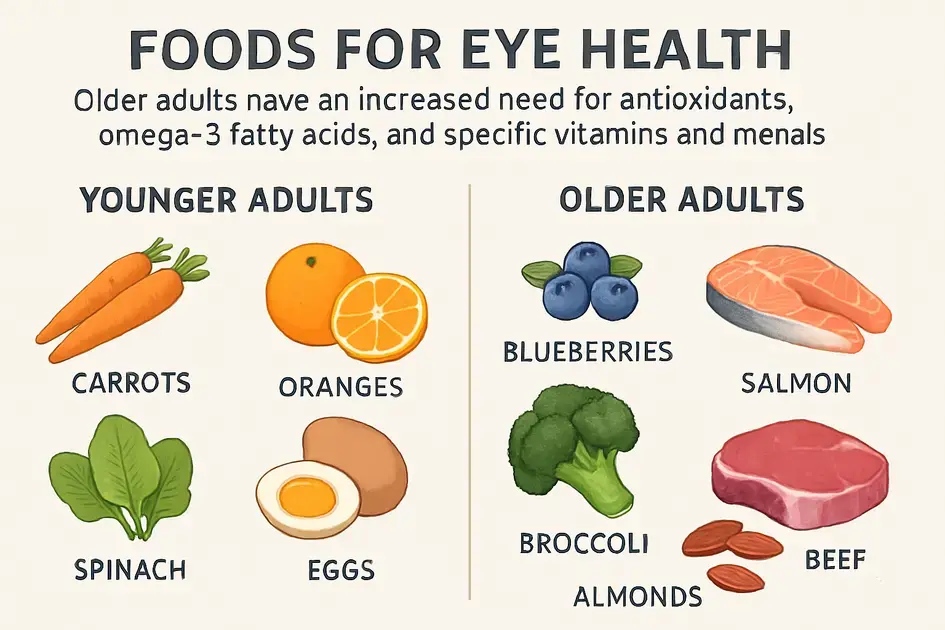
As we age, our bodies undergo various changes that can affect our nutrient needs, including those essential for eye health. Understanding how aging impacts these needs can help you make informed dietary choices to support your vision. So, how does aging specifically affect the nutrient requirements for your eyes?
Increased Risk of Eye Diseases
With age, the risk of developing eye diseases like macular degeneration, cataracts, and glaucoma increases. These conditions can be influenced by nutrient deficiencies, making it even more important to consume a diet rich in eye-friendly nutrients.
Reduced Nutrient Absorption
As we get older, our bodies may not absorb nutrients as efficiently as they used to. This can lead to deficiencies even if you’re eating a balanced diet. Therefore, older adults may need to focus on consuming nutrient-dense foods or consider supplementation.
Higher Antioxidant Needs
Aging is associated with increased oxidative stress, which can damage the cells in your eyes. Antioxidants, such as Vitamin C, Vitamin E, lutein, and zeaxanthin, can help neutralize these free radicals and protect against age-related eye diseases.
Specific Nutrient Recommendations for Older Adults
- Lutein and Zeaxanthin: Consuming at least 10 mg of lutein and 2 mg of zeaxanthin daily can help protect against macular degeneration.
- Omega-3 Fatty Acids: Increasing your intake of omega-3s can help reduce the risk of dry eyes and macular degeneration.
- Vitamin C and E: These antioxidants help protect against cataracts and other age-related eye diseases.
- Zinc: Ensuring adequate zinc intake can support the transport of Vitamin A and maintain healthy vision.
Dietary Tips for Older Adults
- Eat a variety of colorful fruits and vegetables: These foods are rich in antioxidants and other essential nutrients.
- Include fatty fish in your diet: Aim for at least two servings of fatty fish per week to get enough omega-3s.
- Consider supplementation: If you’re not getting enough nutrients from your diet, talk to your doctor about taking supplements.
- Stay hydrated: Drink plenty of water to prevent dry eyes and support overall eye health.
By understanding how aging affects your nutrient needs and making informed dietary choices, you can support your eye health and maintain clear vision as you get older.
Tips for incorporating these foods into your diet
Incorporating vision-friendly foods into your diet doesn’t have to be complicated or restrictive. With a few simple strategies, you can easily add these nutrient-rich foods to your daily meals and support your eye health. Here are some practical tips for incorporating vision-friendly foods into your diet:
Start with Small Changes
Instead of overhauling your entire diet, start by making small, manageable changes. For example, add spinach to your morning smoothie or swap your usual snack for a handful of almonds.
Plan Your Meals
Planning your meals in advance can help you make healthier choices and ensure that you’re getting a variety of vision-friendly foods. Take some time each week to plan your meals and create a grocery list.
Make Healthy Swaps
Look for opportunities to swap out less healthy foods for more nutritious options. For example, replace sugary drinks with water or unsweetened tea, and choose whole-grain bread over white bread.
Add Vegetables to Every Meal
Make an effort to include vegetables in every meal, whether it’s a side salad at lunch or roasted vegetables with dinner. This is an easy way to increase your intake of essential vitamins and minerals.
Snack Smart
Choose healthy snacks that are rich in vision-friendly nutrients. Good options include carrot sticks with hummus, a handful of nuts, or a piece of fruit.
Cook at Home More Often
Cooking at home allows you to control the ingredients and portion sizes, making it easier to create healthy and balanced meals. Experiment with new recipes and find ways to incorporate vision-friendly foods into your favorite dishes.
Keep Healthy Foods Visible and Accessible
Store healthy foods in a prominent place in your kitchen to make them more likely to be chosen. For example, keep a bowl of fruit on your countertop or store nuts and seeds in a clear container on your pantry shelf.
Read Food Labels
Pay attention to food labels to make informed choices and avoid unhealthy fats, added sugars, and excessive sodium. Look for foods that are rich in vitamins, minerals, and antioxidants.
By following these simple tips, you can easily incorporate vision-friendly foods into your diet and support your eye health for years to come.
Conteúdo não disponível
Frequently Asked Questions About Foods for Better Vision Health
What are the most important nutrients for eye health?
The most important nutrients for eye health include Vitamin A, Vitamin C, Vitamin E, omega-3 fatty acids, lutein, and zeaxanthin.
Which foods are rich in lutein and zeaxanthin?
Leafy green vegetables like spinach and kale are excellent sources of lutein and zeaxanthin.
How do omega-3 fatty acids benefit my eyes?
Omega-3 fatty acids help reduce dry eye syndrome and protect against age-related macular degeneration.
Can eating carrots really improve my vision?
Yes, carrots are rich in beta-carotene, which your body converts to Vitamin A, essential for maintaining a clear cornea and overall eye function.
What fruits are good for eye health?
Berries like blueberries and strawberries are rich in antioxidants that protect against oxidative stress and support healthy blood vessels in the eyes.
Are nuts and seeds good for my eyes?
Yes, nuts and seeds are rich in Vitamin E and omega-3 fatty acids, which support eye health and reduce the risk of macular degeneration.