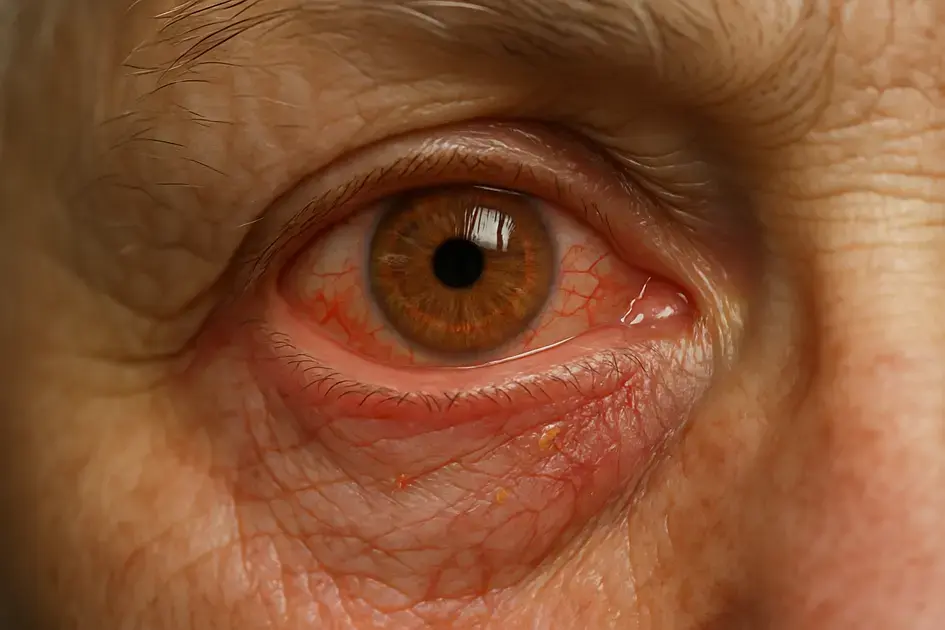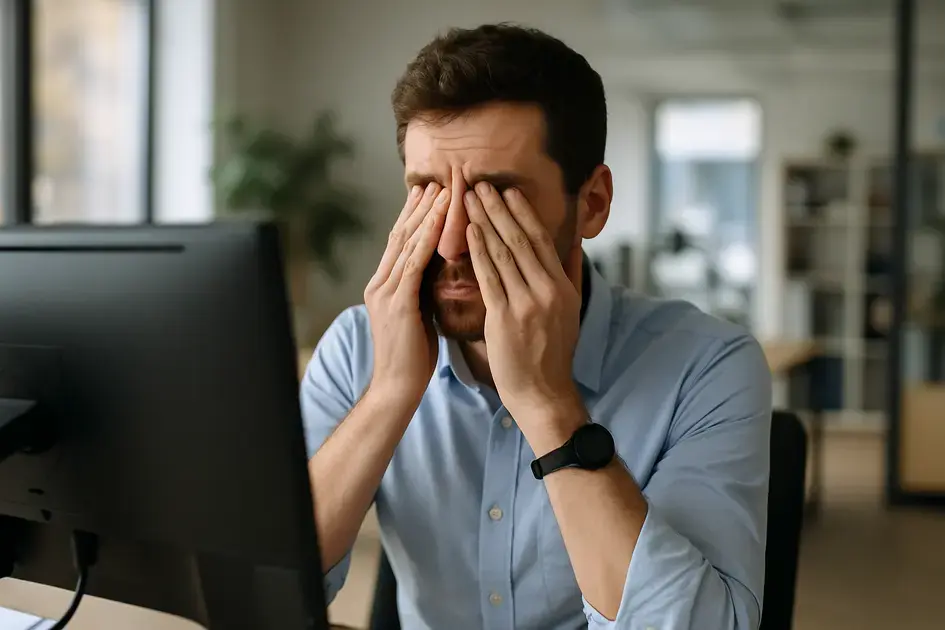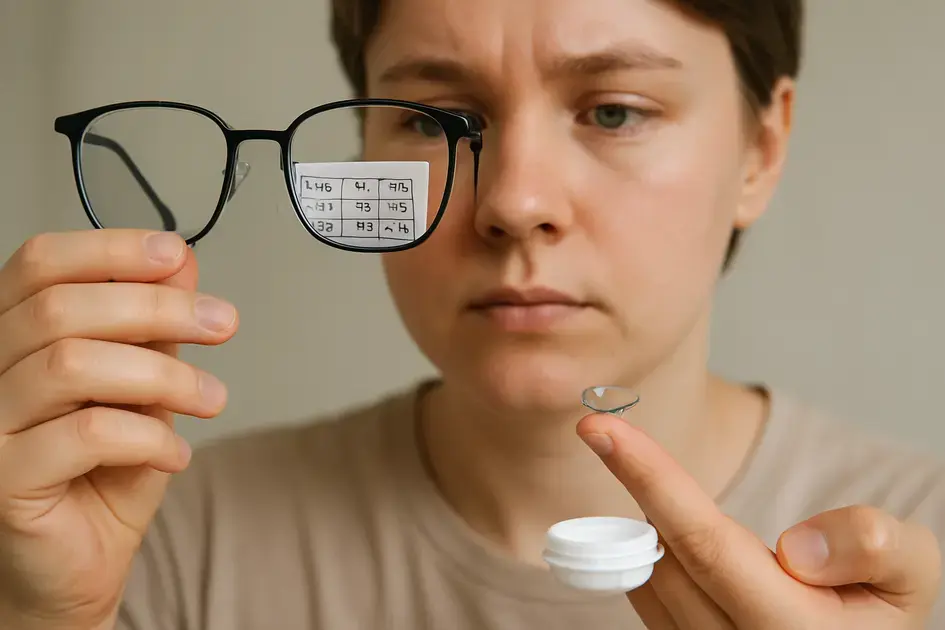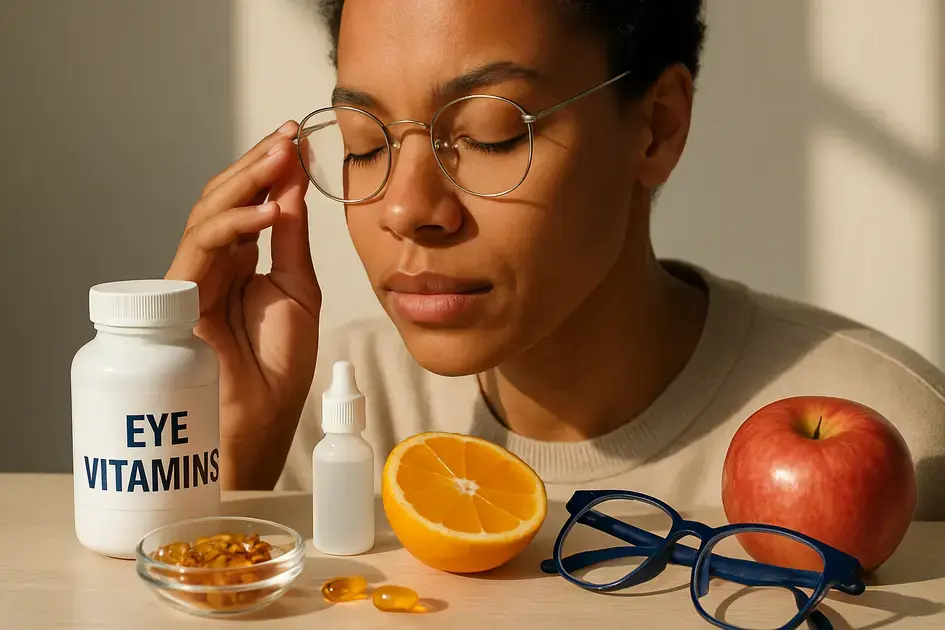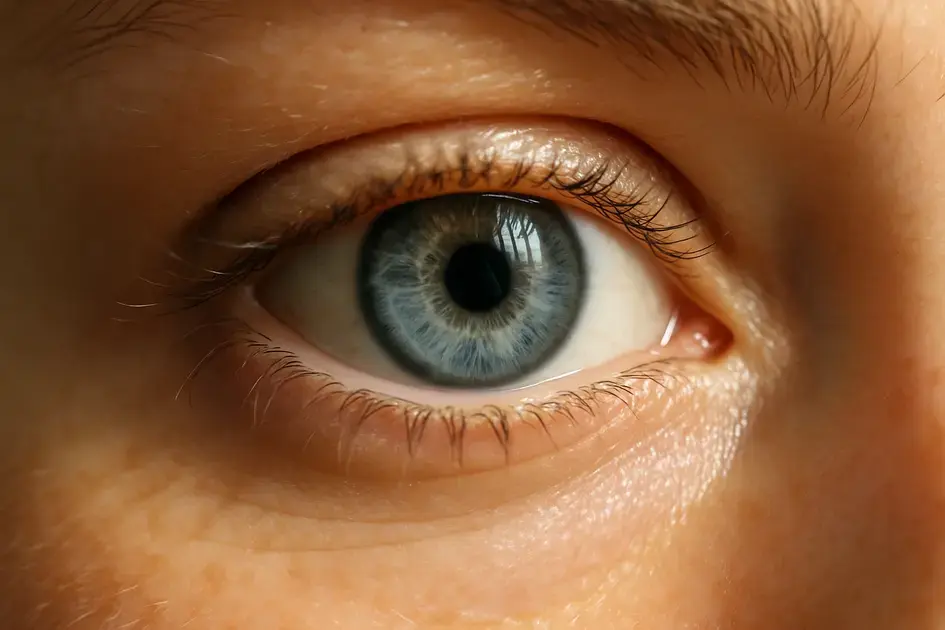
Achieving 20/20 vision involves understanding eye health facts and adopting daily habits such as regular eye exams, proper nutrition, limiting screen time, protective eyewear, hydration, outdoor exposure, and eye exercises to maintain clear and healthy sight.
Have you ever wondered what it really takes to maintain Achieving 20/20 Vision Facts and Daily Habits? Small daily practices can make a surprising difference in how sharp your eyesight remains. Let’s explore some eye-opening truths together.
What does 20/20 vision really mean
20/20 vision is a term used to describe normal visual acuity, which means the clarity or sharpness of vision measured at a distance of 20 feet. When someone has 20/20 vision, they can see clearly what an average person is expected to see at that distance. However, achieving 20/20 vision doesn’t necessarily mean perfect eyesight; it only refers to sharpness and does not account for other aspects like peripheral vision, depth perception, or color vision.
The numbers in 20/20 indicate the testing distance over the standard distance for vision testing. If your vision is worse than 20/20, it means you must stand closer than 20 feet to see what a person with normal vision can see from 20 feet away. Conversely, if you have 20/15 vision, you can see at 20 feet what most people can only see clearly at 15 feet.
It is important to remember that 20/20 vision is not the only indicator of eye health. Some people with 20/20 vision may still have eye conditions or require corrective lenses for other issues such as astigmatism or eye strain. Regular eye exams can help ensure your eyes remain healthy and functional beyond just visual acuity.
Common myths about perfect vision
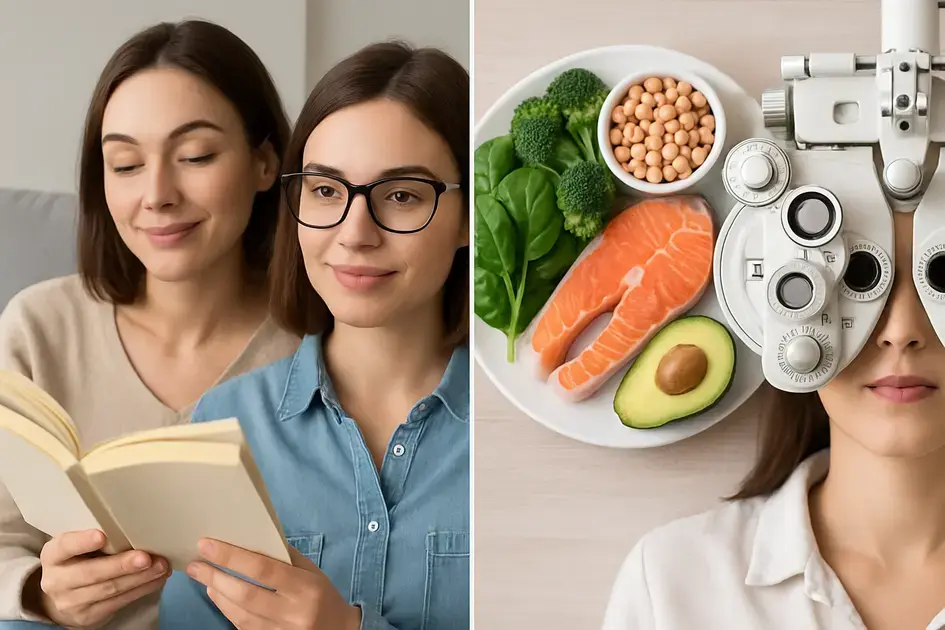
There are many common myths about achieving perfect vision that can create confusion. One popular myth is that using your eyes too much causes vision to deteriorate. In reality, vision problems like nearsightedness are mostly due to genetics and environmental factors, not simply eye strain. Resting your eyes is important, but working or reading won’t cause permanent damage.
Another misconception is that wearing glasses weakens your eyes. Glasses only help correct your current vision but don’t make your eyes worse. In fact, without proper correction, eyes can become strained which might lead to discomfort or headaches.
Some believe that perfect vision means never needing glasses or contacts. However, many people achieve 20/20 vision with the help of corrective lenses or surgery. Perfect eyesight isn’t always natural but can be maintained or improved with the right care.
People often think eating certain foods instantly improves eyesight. While a healthy diet supports eye health, no food can cure vision problems on its own. Consistent good habits and regular checkups are essential.
Finally, some believe that children outgrow vision problems on their own. Early diagnosis and treatment are crucial because untreated vision issues can affect learning and development.
How genetics influence your eyesight
Genetics play a significant role in determining your eyesight. Many eye conditions like nearsightedness, farsightedness, and astigmatism can be inherited from your parents. If you have family members with vision problems, you have a higher chance of experiencing similar issues.
Several genes affect the structure and function of your eyes, influencing how well you see. These genes can affect the shape of your eyeball, the clarity of your lens, and even the health of your retina. Variations in these genes may lead to vision problems that develop early or gradually over time.
It’s important to note that genetics is just one factor. Environmental factors like prolonged screen time, poor lighting, and lack of proper eye care can also impact your vision. However, being aware of your genetic predisposition can help you take proactive steps.
What You Can Do If Vision Problems Run in Your Family
Regular eye exams are crucial if you have a family history of eye issues. Catching problems early can prevent them from worsening. Additionally, maintaining a healthy lifestyle with balanced nutrition and protecting your eyes from excessive strain or UV rays can help manage genetic risks.
While you can’t change your genes, understanding their influence empowers you to support your eye health better. Combining genetics awareness with good daily habits can improve your chances of maintaining clear vision.
The role of diet in eye health

A healthy diet plays a crucial role in maintaining good eye health. Certain nutrients like vitamins A, C, and E, zinc, and omega-3 fatty acids support the structure and function of your eyes. They help protect against age-related macular degeneration, cataracts, and dry eyes.
Key Nutrients for Eye Health
Vitamin A keeps your corneas healthy and improves night vision. You can find it in foods like carrots, sweet potatoes, and spinach. Vitamin C is an antioxidant that protects your eyes from damage caused by free radicals. Citrus fruits, strawberries, and bell peppers are rich sources.
Zinc plays a role in transporting vitamin A from the liver to your retina to produce melanin, a protective pigment. Foods high in zinc include oysters, beef, and nuts. Omega-3 fatty acids, found in fish like salmon and tuna, help maintain the health of the retina and may reduce the risk of dry eyes and macular degeneration.
Foods That Benefit Your Eyes
Leafy green vegetables such as kale, spinach, and collards are packed with lutein and zeaxanthin, antioxidants that filter harmful blue light and protect retinal cells. Eating a diet rich in colorful fruits and vegetables provides a variety of antioxidants that support overall eye health.
Staying hydrated by drinking plenty of water also helps prevent dry eyes and irritation. Avoiding excessive junk food or a diet high in sugar and unhealthy fats can prevent eye problems related to diabetes and inflammation.
Daily eye exercises to try at home
Daily eye exercises can help reduce eye strain, improve focus, and maintain healthy vision. These simple exercises can be done at home without any special equipment.
Palming
Rub your palms together to create warmth and gently cup them over your closed eyes without pressing. This relaxes your eye muscles and reduces tension. Try this for about 30 seconds to 1 minute.
Focus Change
Hold your finger a few inches away from your eyes and focus on it. Slowly move your finger farther away while maintaining focus, then bring it back. Repeat this several times to strengthen your eye muscles and improve focus flexibility.
Eye Rolling
Slowly roll your eyes in a circular motion. Do this clockwise for 10 seconds, then counterclockwise. This exercise helps increase eye flexibility and reduces fatigue.
Near and Far Focus
Choose two objects: one near and one far. Shift your focus between the two, holding each focus for a few seconds. This trains your eyes to switch focus smoothly.
Blinking
Blinking frequently keeps your eyes moist and prevents dryness. Try to blink every 4-5 seconds, especially when using screens for long periods.
Regularly practicing these exercises can support eye health and may reduce the risk of eye strain caused by daily activities.
Importance of regular eye check-ups

Regular eye check-ups are essential for maintaining healthy vision. Many eye problems develop without obvious symptoms in their early stages. Routine exams help detect issues early, allowing for timely treatment and preventing vision loss.
The benefits of regular eye exams
Eye exams assess not only visual acuity but also the overall health of your eyes. Doctors can detect conditions like glaucoma, cataracts, and diabetic retinopathy before they cause permanent damage.
These exams also update your prescription if you use glasses or contact lenses, ensuring optimal vision correction. Early detection of problems can improve treatment success and reduce long-term eye strain or damage.
Recommended frequency of eye check-ups
Adults should have a comprehensive eye exam every 1 to 2 years, depending on age and risk factors. Children and seniors may require more frequent visits. If you notice changes in vision or discomfort, you should see an eye care professional promptly.
What to expect during an eye exam
Your exam may include tests for visual acuity, eye pressure, pupil response, and retina inspection. Advanced technology like optical coherence tomography (OCT) helps doctors spot subtle changes in eye structure.
Regular check-ups are critical for early diagnosis and protection of your sight. Scheduling routine visits can empower you to maintain clear vision throughout life.
How screen time affects your vision
Spending too much time looking at screens can cause eye strain and discomfort, a condition often called digital eye strain or computer vision syndrome. Symptoms include dry eyes, blurred vision, headaches, and neck or shoulder pain.
How Screen Time Affects Your Eyes
When using screens, people tend to blink less, which causes dryness and irritation. The blue light emitted by screens may also contribute to eye discomfort and affect sleep patterns by disrupting melatonin production.
Additionally, focusing on close objects like screens for extended periods can tire the eye muscles, leading to difficulty refocusing on distant objects.
Tips to Protect Your Vision
Following the 20-20-20 rule can help: every 20 minutes, look at something 20 feet away for at least 20 seconds. This reduces eye strain and helps your eyes relax.
Adjusting screen brightness and contrast to comfortable levels and using anti-reflective screens can also reduce strain. Keeping a proper distance (about an arm’s length) and using screen settings that reduce blue light exposure, especially in the evening, benefit eye comfort.
Taking regular breaks from screens and ensuring good lighting in your environment can prevent fatigue and discomfort. Protecting your eyes during increased screen use supports long-term eye health and comfort.
The impact of sleep on eye clarity

Sleep plays a vital role in maintaining clear and healthy eyes. During sleep, your eyes undergo repair and restoration processes that are essential for proper function. Lack of sleep can lead to dryness, irritation, and blurry vision.
How Sleep Affects Your Eye Health
When you sleep, your eyes produce tears that help flush out irritants and keep the surface moist. Without enough rest, your eyes may become dry and red, causing discomfort and reduced clarity.
Insufficient sleep increases the risk of eye strain, as tired eye muscles can’t focus properly. This can result in headaches and difficulty seeing sharp details.
Sleep and Eye Diseases
Chronic sleep deprivation has been linked to higher chances of developing conditions like glaucoma and age-related macular degeneration. Quality sleep helps regulate intraocular pressure, which protects your eyes from damage.
Getting 7-9 hours of restful sleep each night supports not only eye clarity but overall health and well-being.
Establishing consistent sleep habits and creating a dark, quiet environment can improve sleep quality, ultimately benefiting your vision.
Benefits of protective eyewear
Protective eyewear offers essential benefits for maintaining eye health and preventing injuries. Wearing the right glasses can shield your eyes from harmful UV rays, debris, and blue light from screens, reducing the risk of damage and strain.
Protection from UV Rays
Exposure to ultraviolet (UV) rays can cause cataracts and other serious eye problems. Protective sunglasses with UV-blocking lenses filter out harmful rays, safeguarding your eyes during outdoor activities.
Shielding from Physical Hazards
In work or sports environments, safety glasses prevent dust, chemicals, or flying objects from injuring your eyes. Using appropriate protective eyewear reduces the risk of accidents and long-term damage.
Reducing Digital Eye Strain
Blue light filtering glasses are designed to reduce strain from prolonged screen use by blocking high-energy blue light emitted from digital devices. This helps prevent headaches, dryness, and fatigue associated with screen time.
Wearing protective eyewear daily is a simple yet effective way to maintain healthy vision and reduce the chances of eye injuries and strain.
How hydration affects your eyes

Staying well-hydrated is essential for keeping your eyes healthy and comfortable. Your eyes need a constant layer of tears to stay moist and protect them from irritation or dryness. When you don’t drink enough water, your tear production can decrease, leading to dry, itchy, or red eyes.
Why Hydration Matters for Eye Health
Tears are made mostly of water, so adequate hydration helps maintain the eye’s natural moisture balance. This balance is crucial for clear vision and preventing discomfort throughout the day.
Dehydration can also cause inflammation and make existing eye conditions worse. For people who spend long hours in front of screens, dehydration might increase symptoms of digital eye strain.
Tips to Stay Hydrated for Better Eyes
Drink plenty of water throughout the day, aiming for at least eight 8-ounce glasses. Eating foods with high water content like cucumbers and watermelon can also help. Avoid excessive caffeine or alcohol, which can dehydrate your body.
Using a humidifier in dry indoor environments promotes eye moisture, and taking breaks to blink regularly supports healthy tear production.
Good hydration supports your eyes’ natural functions and helps you maintain clear, comfortable vision every day.
Simple lifestyle tweaks for better sight
Small lifestyle changes can make a big difference in maintaining and improving your eyesight. Simple habits can protect your eyes from damage and keep your vision sharp over time.
Maintain a Balanced Diet
Eating foods rich in vitamins A, C, E, zinc, and omega-3 fatty acids supports eye health. Include leafy greens, colorful fruits, nuts, and fish in your meals to provide your eyes with essential nutrients.
Limit Screen Time and Take Breaks
Reducing continuous exposure to screens helps prevent digital eye strain. Practice the 20-20-20 rule: every 20 minutes, look at something 20 feet away for 20 seconds. This gives your eyes a chance to relax.
Stay Physically Active
Regular exercise improves blood circulation, which benefits the eyes by ensuring good oxygen supply and reducing the risk of conditions like glaucoma.
Quit Smoking
Smoking increases the risk of cataracts, macular degeneration, and optic nerve damage. Quitting helps protect your vision and overall health.
Wear Sunglasses and Protective Eyewear
UV rays can harm your eyes, so always wear sunglasses that block 100% of UV rays when outdoors.
By integrating these simple lifestyle tweaks into your daily routine, you can support your eyes and enjoy clear vision for years to come.
Understanding vision correction options

Vision correction options vary widely to fit different needs and lifestyles. Common methods include glasses, contact lenses, and surgical procedures. Each option has its own benefits and considerations.
Glasses
Glasses are the most popular and non-invasive way to correct vision. They are easy to use, come in many styles, and provide protection against dust and debris. Prescription lenses can correct nearsightedness, farsightedness, astigmatism, and presbyopia.
Contact Lenses
Contact lenses offer greater freedom of movement and better peripheral vision. They require proper hygiene to avoid infections and may not be suitable for everyone, especially those with dry or sensitive eyes.
Laser Eye Surgery
Procedures like LASIK reshape the cornea to correct vision permanently. Laser surgery is quick with a short recovery time, but not everyone is a candidate. It is important to consult an eye specialist to assess your suitability.
Other Surgical Options
Alternatives include implantable lenses or refractive lens exchange. These may be recommended for people with severe vision problems or those who are not eligible for laser surgery.
Choosing the right vision correction depends on your lifestyle, eye health, and personal preferences. Regular consultations with eye care professionals help find the best treatment for you.
Stress and its effect on eye health
Stress can have a significant impact on eye health. When the body is under stress, it releases hormones that may cause inflammation and affect blood flow, potentially leading to eye problems.
Eye Strain and Fatigue
High stress often results in increased eye strain, especially for those who work long hours on computers. This can cause dryness, irritation, blurred vision, and headaches.
Impact on Eye Pressure
Chronic stress has been linked to increased intraocular pressure, which is a risk factor for glaucoma, a serious eye condition that can lead to vision loss if untreated.
Stress and Eye Twitching
Stress can trigger involuntary eye twitching or spasms. Though usually harmless, these twitches can be annoying and may indicate the need for stress relief.
Tips to Reduce Stress for Better Eye Health
Regular breaks during screen time, practicing relaxation techniques like deep breathing or meditation, and ensuring enough sleep can help reduce stress-related eye issues.
Managing stress is essential not just for overall health but also for protecting your eyesight.
How outdoor time benefits your eyes

Spending time outdoors offers significant benefits for your eye health. Natural light helps regulate your eyes’ development and can reduce the risk of certain vision problems, especially in children.
Natural Light and Eye Development
Exposure to sunlight helps the eyes grow properly by encouraging the release of dopamine in the retina, which can slow down the progression of nearsightedness (myopia). Studies show that children who spend more time outside are less likely to develop myopia.
Improved Eye Focus and Relaxation
Outdoor environments allow your eyes to focus on objects at varying distances, reducing strain caused by prolonged close-up work like reading or screen use. This variety helps relax eye muscles and maintain flexibility.
Vitamin D and Eye Health
Sunlight is a natural source of vitamin D, which supports overall health, including eye health. Adequate vitamin D levels may help lower the risk of age-related macular degeneration and other eye diseases.
Regular outdoor time also encourages physical activity and reduces stress, both contributing to better eye health and overall well-being.
tracking your vision progress
Tracking your vision progress helps you stay aware of changes in your eyesight and take timely action if needed. Regular self-checks and professional eye exams play a crucial role in maintaining eye health.
Methods to Track Vision
Keep a journal to note any changes such as blurriness, difficulty focusing, or eye discomfort. Use apps designed for vision testing to monitor sharpness and color perception from home, but remember these tools supplement professional care, not replace it.
Importance of Regular Eye Exams
Professional eye exams provide accurate measurements and can detect early signs of problems that might not be noticeable otherwise. Schedule exams as recommended by your eye specialist, or more frequently if you have specific conditions.
Use of Vision Charts at Home
Using an eye chart at home can help you check for changes in visual acuity. Stand about 20 feet away and cover one eye to test the other. Repeat with the other eye and compare results over time.
Tracking your vision progress encourages proactive care and can help preserve your eyesight for years.
Taking Charge of Your Eye Health
Understanding your vision and tracking its changes is important for keeping your eyes healthy. Regular check-ups and simple home tests can help catch issues early, making treatment easier and more effective.
By paying attention to your eye health and staying proactive, you can protect your vision and enjoy clear sight for years to come. Remember, small steps today can lead to better eye health tomorrow.
FAQ – Achieving 20/20 Vision Facts and Daily Habits
What does 20/20 vision mean?
20/20 vision means normal visual acuity, where you can see clearly at 20 feet what an average person should see at that distance.
Can daily habits really improve my eyesight?
Yes, adopting healthy daily habits like proper nutrition, regular eye exercises, and protecting your eyes from strain can support better vision.
How often should I have my eyes checked?
It is recommended to have a comprehensive eye exam every 1 to 2 years, but frequency may increase if you have existing eye conditions or risk factors.
Does screen time harm my eyes permanently?
Extended screen time can cause digital eye strain, but it usually does not cause permanent damage if you take proper breaks and protect your eyes.
What role does diet play in eye health?
A diet rich in vitamins A, C, E, zinc, and omega-3 fatty acids supports eye health and can reduce the risk of eye diseases.
How does stress affect my eyes?
Stress can lead to eye strain, twitching, and increased eye pressure, all of which can negatively impact eye health.