Blurry vision causes range from refractive errors, dry eyes, infections, to serious conditions like glaucoma and stroke, requiring timely eye doctor visits when symptoms worsen, appear suddenly, or are accompanied by pain and other neurological signs.
Have you noticed your sight getting fuzzy or unclear? Blurry vision causes: when to see your eye doctor might not always be obvious, but knowing the signs can make a big difference. Let’s dive into what might be behind that fuzzy view and figure out when it’s time for a checkup.
Common causes of blurry vision explained
Blurry vision can be caused by many factors, ranging from simple eye strain to serious medical conditions. Common causes include refractive errors like nearsightedness, farsightedness, and astigmatism. These issues prevent light from focusing properly on the retina, making objects appear fuzzy. Dry eyes are another frequent cause, leading to irritation and blurred sight. Eye infections or inflammation, such as conjunctivitis or uveitis, can also blur vision temporarily. Additionally, systemic conditions like diabetes can damage the blood vessels in your eyes, causing fluctuating or persistent blurriness. Sometimes, medications may have side effects that impair vision. Understanding these causes helps in identifying whether blurry vision is a temporary annoyance or a sign of a more serious problem requiring medical attention.
Refractive Errors and Their Impact
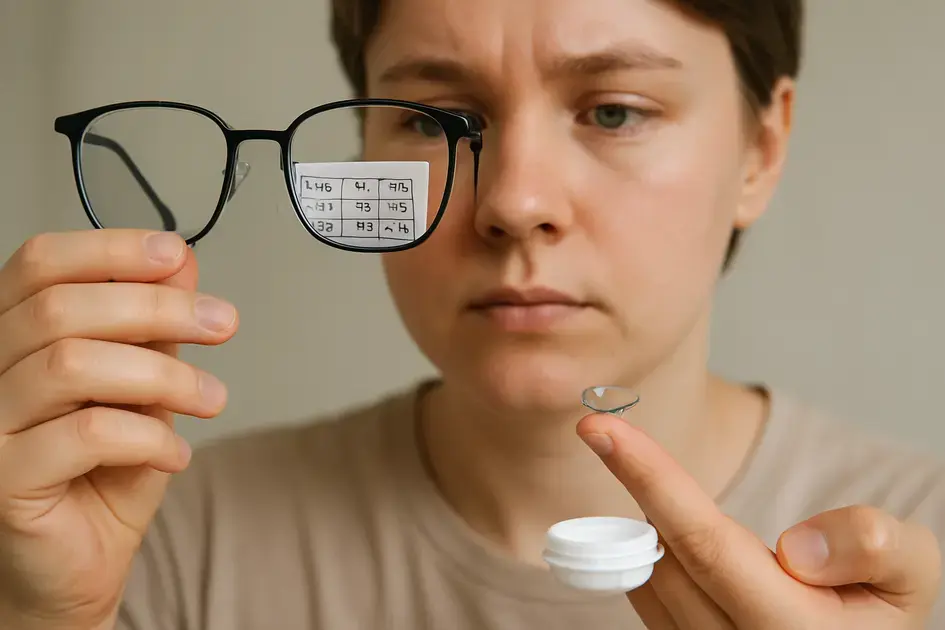
When the shape of the eye doesn’t bend light correctly, it results in refractive errors. Glasses or contact lenses typically correct these problems, offering sharp and clear vision. Eye strain from prolonged screen time or poor lighting can worsen these symptoms, making vision blurry especially after extended focus.
Eye Infections and Dryness
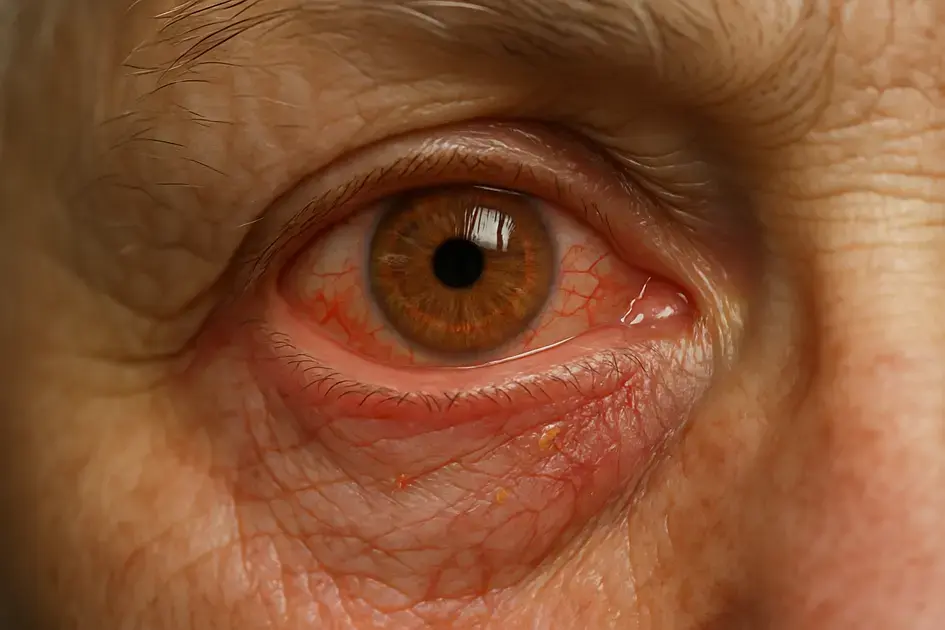
Conditions like dry eyes reduce tear production or alter tear quality, disturbing the smooth surface of the eye. This irregularity scatters light, causing blurry vision. Infections introduce inflammation and discharge that obscure vision and may be accompanied by redness or pain.
Knowing the cause helps guide the proper treatment, from simple eye drops for dryness to antibiotics for infections. Regular eye checkups are key to catching and managing these issues early.
How dehydration and fatigue affect eyesight

Dehydration reduces the body’s water levels, which can directly impact eye function. When your body lacks enough fluids, your eyes may produce fewer tears, leading to dryness and irritation. This can cause blurry or uncomfortable vision. Fatigue, especially from lack of sleep, also affects how well your eyes focus. Tired eyes can feel strained, leading to temporary blurriness and difficulty maintaining clear vision.
The role of hydration in eye health
Staying well-hydrated helps maintain tear production that keeps the eyes moist and clear. Drinking enough water supports the comfort and function of your eyes, preventing dryness and redness that cause blurred vision.
Effects of fatigue on vision clarity
Fatigue may cause the muscles around your eyes to weaken or tense, which affects focusing ability. This can lead to problems like double vision, sensitivity to light, and general blurriness. Taking breaks during work or screen use is important to help refresh your eyes.
Both dehydration and fatigue can contribute to blurry vision but are usually reversible with proper rest and fluid intake. Recognizing these common triggers allows you to support your eye health daily.
Role of eye strain from screens on vision
Eye strain from screens, often called digital eye strain or computer vision syndrome, happens when you spend long hours looking at computers, smartphones, or tablets. This can cause blurry vision, dry eyes, headaches, and even neck or shoulder pain. Blue light emitted by screens may also contribute to discomfort and affect your ability to focus clearly.
How screen time affects your eyes
When staring at screens, you tend to blink less, which causes your eyes to dry out. The muscles that control eye focus get tired from holding the same position, leading to temporary blurred vision. Poor lighting and incorrect screen brightness can worsen these symptoms.
Tips to reduce screen-related eye strain
Using the 20-20-20 rule—looking at something 20 feet away for 20 seconds every 20 minutes—helps relax your eye muscles. Adjusting screen brightness and positioning your device at eye level can reduce strain. Artificial tears or lubricating eye drops may relieve dryness caused by reduced blinking.
Being mindful of screen habits and taking regular breaks are key steps to protecting your vision. If blurry vision persists despite these measures, it’s important to consult an eye doctor.
When infections cause blurry vision

Infections of the eye can lead to blurry vision due to inflammation, swelling, or discharge that interferes with clear sight. Common infections include conjunctivitis (pink eye), keratitis, and uveitis. These conditions can cause redness, pain, tearing, and sensitivity to light alongside blurriness. Bacterial and viral infections often spread easily and require proper diagnosis to prevent complications.
Symptoms to watch for during eye infections
Besides blurry vision, you may notice swelling of the eyelids, a gritty feeling, or crust forming around the eyes. In some cases, there may be a colored or mucus-like discharge. Prompt treatment with antibiotics or antiviral medications can stop the infection from worsening.
Risks and treatment options
If left untreated, eye infections can lead to more serious problems like corneal ulcers or vision loss. Rest, avoiding eye rubbing, and following prescribed medication plays a key role in healing. Regular hand washing and avoiding contact lenses during infection help prevent spread.
Understanding how infections cause blurry vision underlines the importance of timely care and good hygiene to protect your eye health.
Impact of diabetes on eye health
Diabetes can significantly affect eye health, often leading to a condition called diabetic retinopathy. High blood sugar levels damage the small blood vessels in the retina, causing them to swell, leak, or close off, which leads to blurred vision or vision loss. People with diabetes also have a higher risk of developing cataracts and glaucoma.
How diabetes causes eye damage
Persistent high blood sugar can weaken retinal blood vessels, resulting in fluid leakage and bleeding. This damages the retina, the part of the eye responsible for sharp vision. Over time, new, fragile blood vessels may grow, increasing the risk of retinal detachment and permanent vision loss if untreated.
Signs and symptoms to monitor
Blurred vision, dark spots, floaters, or sudden vision loss can signal diabetic eye problems. Early stages often have no symptoms, so regular eye exams are essential for people with diabetes.
Maintaining good blood sugar control, managing blood pressure, and visiting an eye doctor regularly are key steps to protect your sight. Treatments may include laser therapy, injections, or surgery to prevent further damage.
Understanding cataracts and their symptoms

Cataracts occur when the lens of the eye becomes cloudy, blocking light from passing clearly to the retina. This can cause blurry vision, faded colors, glare from lights, and difficulty seeing at night. Cataracts develop slowly and are common as people age, but can also result from injury or certain medical conditions.
Common symptoms of cataracts
People with cataracts may notice cloudy or hazy vision, sensitivity to bright light, or double vision in one eye. Colors may seem duller, and seeing details clearly becomes harder. These symptoms often worsen over time.
Causes and risk factors
Aging is the main cause, but exposure to ultraviolet light, smoking, diabetes, and prolonged use of certain medications can increase risk. Early diagnosis through regular eye exams is important to monitor cataract progression.
Treatment typically involves surgery to replace the cloudy lens with a clear artificial one, greatly improving vision and quality of life.
Glaucoma signs you shouldn’t ignore
Glaucoma is a serious eye condition where increased pressure in the eye damages the optic nerve, potentially leading to vision loss if untreated. It often develops slowly and painlessly, making early detection challenging. Knowing the signs of glaucoma is vital to protect your vision.
Common glaucoma symptoms
Early on, glaucoma may cause no noticeable symptoms. As it progresses, you might experience patchy blind spots in your peripheral vision, usually in both eyes. Some types of glaucoma cause sudden eye pain, headaches, blurred vision, halos around lights, or redness in the eye.
Risk factors and importance of screening
People over 60, those with a family history of glaucoma, or individuals with high eye pressure have a higher risk. Regular eye exams can detect glaucoma before symptoms appear, allowing for treatments that slow or prevent vision loss.
Treatment options include eye drops, oral medications, laser therapy, or surgery to reduce eye pressure and protect the optic nerve.
The effect of medications on your vision

Certain medications can affect your vision by causing side effects such as blurry vision, dry eyes, or changes in eye pressure. Common drugs that impact eyesight include antihistamines, antidepressants, blood pressure medications, and steroids. These medications may alter tear production or change the way light passes through the eye, leading to temporary or permanent vision changes.
How medications influence eye health
Some medications cause dry eyes by reducing tear production, resulting in irritation and blurred vision. Others may increase intraocular pressure, raising the risk of glaucoma. Certain drugs can also affect the retina or optic nerve, leading to color vision changes or decreased sharpness.
What to watch for and when to seek help
If you notice sudden changes in vision, eye pain, or persistent blurriness after starting a new medication, consult your eye doctor immediately. Never stop or change medication without medical advice. Discuss any eye-related side effects with your healthcare provider to adjust dosages or explore alternatives.
Regular eye exams help detect medication-related vision issues early, ensuring timely treatment and preserving eye health.
How migraines contribute to blurred sight
Migraines can cause blurred vision by affecting the nerves and blood flow to the eyes and brain. During a migraine, many people experience visual disturbances known as aura, which can include flashing lights, blind spots, or temporary vision loss. These symptoms may lead to difficulty focusing and cause temporary blurred sight.
Visual aura and migraine symptoms
Visual aura often starts as shimmering or zigzag patterns that can spread across your field of vision. This can be followed by blurry or dim vision, making it hard to see clearly. These symptoms usually last less than an hour but can be distressing.
Other migraine-related vision problems
Besides aura, migraines may cause eye strain, sensitivity to light, and difficulty with depth perception. Some people also report seeing halos or starbursts around lights. These symptoms can increase discomfort and affect daily activities.
Understanding the link between migraines and vision helps in managing symptoms and knowing when to seek medical care. Treatments for migraines often reduce the frequency and severity of visual disturbances.
What sudden blurry vision might mean

Sudden blurry vision can be a sign of a serious health issue and should never be ignored. It might indicate a range of conditions, from transient problems like eye strain or dry eyes to emergencies like retinal detachment, stroke, or acute glaucoma. Rapid changes in vision demand immediate medical attention to prevent permanent damage.
Common causes of sudden blurry vision
Issues such as retinal detachment cause a sudden loss of vision in part or all of the eye and often come with flashes or floaters. An acute glaucoma attack leads to severe eye pain and sudden blurriness due to a rapid increase in eye pressure.
When to seek emergency care
If blurry vision occurs along with symptoms like headache, nausea, weakness, or drooping on one side of the face, it might signal a stroke or neurological emergency. Immediate medical evaluation is crucial.
Prompt response to sudden vision changes can preserve sight and health. If you experience sudden blurry vision, especially if it’s accompanied by pain or other symptoms, see your eye doctor or emergency room right away.
Temporary vs chronic blurry vision distinctions
Blurred vision can be categorized as temporary or chronic, depending on how long it lasts and its underlying causes. Temporary blurry vision usually appears suddenly and resolves within minutes to hours. Causes include eye strain, dry eyes, or a migraine aura. These episodes are often reversible with rest, hydration, or treatment of the trigger.
Characteristics of temporary blurry vision
Temporary blurry vision may occur with sudden flashes, floaters, or light sensitivity. It can result from environmental factors, stress, or minor eye problems that don’t cause lasting damage.
Chronic blurry vision explained
Chronic blurry vision lasts for weeks, months, or longer and typically signals a more serious eye condition like cataracts, glaucoma, or diabetic retinopathy. It’s important to seek medical advice to diagnose and manage the cause to prevent permanent vision loss.
Recognizing the difference helps you know when blurry vision is a short-term issue or a sign that requires professional care.
How aging affects clarity of sight

Aging naturally affects the clarity of your sight as the structures inside the eye change over time. The lens may become less flexible, making it harder to focus on close objects, a condition known as presbyopia. The retina and other eye tissues can also deteriorate, reducing sharpness and color perception.
Common age-related changes in vision
With age, you may notice difficulty reading small print, increased sensitivity to glare, or trouble seeing in low light. The risk of developing eye diseases like cataracts, macular degeneration, and glaucoma increases with age, all of which can blur vision.
How to support eye health as you age
Regular eye exams help detect problems early. Wearing sunglasses to block UV rays, eating a nutritious diet rich in antioxidants, and avoiding smoking can protect your eyes. Using proper lighting and corrective lenses also helps maintain clear vision in daily life.
Understanding these changes allows you to take steps to preserve your sight and enjoy better vision throughout the aging process.
Lifestyle habits that worsen blurry vision
Certain lifestyle habits can contribute to worsening blurry vision over time. Poor diet, smoking, excessive alcohol consumption, and lack of sleep all negatively impact eye health. These habits can increase the risk of developing eye conditions such as dry eyes, cataracts, and age-related macular degeneration.
How diet influences your vision
A diet low in essential vitamins and minerals like vitamin A, C, E, and zinc can weaken your eyes and lead to blurry vision. Eating foods rich in antioxidants, leafy greens, and omega-3 fatty acids supports healthy eyesight.
Effects of smoking and alcohol
Smoking reduces blood flow to the eyes and increases the risk of cataracts and macular degeneration. Excessive alcohol can cause dehydration, leading to dry eyes and temporary blurred vision.
Importance of sleep and eye care
Lack of sleep causes eye strain and dryness, making it harder to focus clearly. Proper rest helps your eyes recover and maintain sharp vision.
Adopting healthy lifestyle choices can protect your eyes and reduce the likelihood of blurry vision.
When blurry vision signals emergency care

Blurry vision can sometimes indicate a medical emergency requiring immediate care. If vision blurs suddenly and severely, it might be due to conditions such as a stroke, retinal detachment, or acute glaucoma. These issues can cause permanent vision loss if not treated promptly.
Warning signs that require emergency attention
Sudden blurry vision accompanied by eye pain, weakness on one side of the body, difficulty speaking, or severe headache should trigger urgent medical evaluation. Other symptoms like flashes of light, floaters, or a shadow over your vision might indicate retinal detachment.
Why quick response matters
Rapid treatment can save your sight and even your life. For instance, a stroke causing vision changes needs emergency intervention to restore blood flow. Similarly, acute glaucoma requires immediate pressure-lowering treatments to prevent optic nerve damage.
If you experience any of these sudden symptoms, call emergency services or go to the nearest emergency room immediately.
Steps to take before visiting your eye doctor
Before visiting your eye doctor, it’s helpful to prepare in order to make the most of your appointment. Start by noting any symptoms you’re experiencing, such as blurry vision, flashes, or pain. Keep track of when these symptoms occur and if anything makes them better or worse.
Gather your medical and vision history
Be ready to share your personal and family medical history, especially any eye conditions. Inform your doctor about any medications or supplements you are taking, as these may affect your vision or eye health.
Prepare questions and documents
Write down questions or concerns you want to discuss, such as changes in vision or itchy eyes. Bringing your current glasses or contact lenses can provide useful information about your vision correction needs.
Being informed and organized helps your eye doctor diagnose issues accurately and recommend appropriate treatments.
When to see your eye doctor for blurry vision
Blurry vision can have many causes, from simple eye strain to serious health problems. Paying attention to your symptoms and lifestyle helps you understand when it’s time to seek professional care.
Regular eye checkups are important to catch issues early and protect your vision long-term. If you experience sudden or severe changes in your sight, don’t delay in contacting your eye doctor.
Taking proactive steps and being informed about your eye health can help you maintain clear vision and overall well-being.
FAQ – Common questions about blurry vision and eye health
What are the most common causes of blurry vision?
Blurry vision can be caused by refractive errors, dry eyes, infections, diabetes, medications, and eye strain among other factors.
When should I see an eye doctor for blurry vision?
You should see an eye doctor if blurry vision happens suddenly, worsens, or is accompanied by pain, flashes of light, or other symptoms.
Can dehydration cause blurry vision?
Yes, dehydration can reduce tear production, leading to dry eyes and blurry vision.
How does screen time affect my eyes?
Prolonged screen use can cause digital eye strain, leading to dryness, fatigue, and temporary blurry vision.
Can medications affect my vision?
Certain medications can cause side effects such as dry eyes, blurred vision, or changes in eye pressure, so it’s important to discuss vision changes with your doctor.