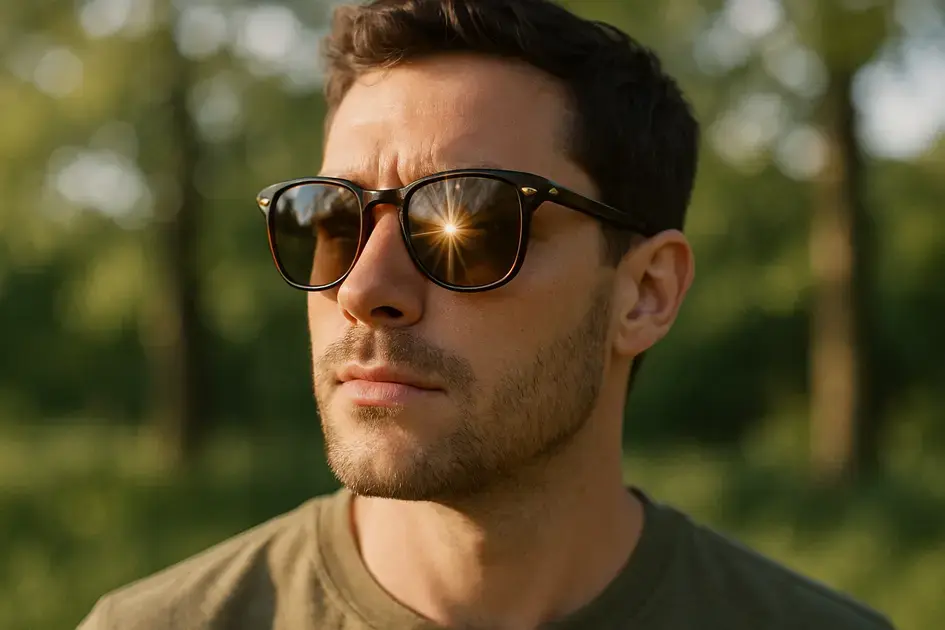
Sunglasses UV protection is essential for eye care because it shields against harmful UVA and UVB rays, preventing cataracts, macular degeneration, and other long-term eye damage; consistent use, even on cloudy days, helps maintain optimal eye health.
Ever wondered why sunglasses UV protection why it’s essential eye care is a popular topic? Our eyes face UV rays daily, and not all sunglasses offer real defense. Let’s unpack what makes UV protection a must-have to keep your vision safe and healthy.
What is UV radiation and how it affects your eyes
UV radiation, or ultraviolet radiation, is a form of electromagnetic radiation that comes from the sun and artificial sources like tanning beds. While it’s invisible to the human eye, it can have a significant impact on your skin and, most importantly, your eyes.
Types of UV Radiation
There are three main types of UV radiation:
- UVA: Penetrates deep into the skin and can cause aging and wrinkles. It can also damage the eyes.
- UVB: Responsible for sunburn and plays a key role in the development of skin cancer. It also affects the surface of the eye.
- UVC: Mostly absorbed by the atmosphere and doesn’t pose a significant risk, but artificial sources can be harmful.
How UV Radiation Affects Your Eyes
Your eyes are vulnerable to UV radiation, and prolonged exposure can lead to various problems:
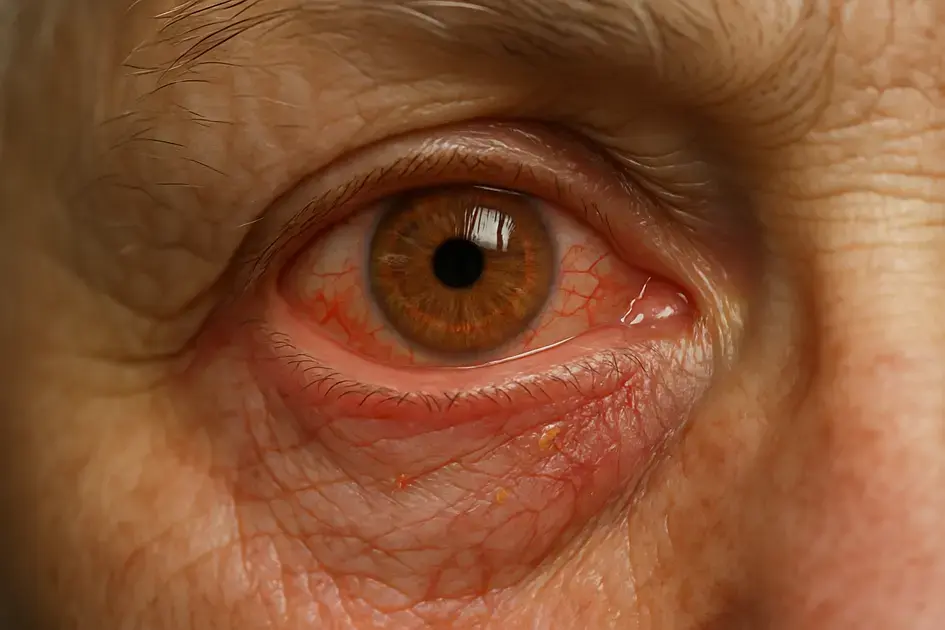
- Photokeratitis: Also known as ‘sunburn of the eye,’ this is a painful condition caused by short-term exposure to high levels of UV radiation. Symptoms include redness, gritty feeling, and sensitivity to light.
- Cataracts: Long-term exposure can contribute to the development of cataracts, a clouding of the eye’s lens that can impair vision.
- Macular Degeneration: Studies suggest UV radiation may increase the risk of macular degeneration, a condition that affects central vision.
- Pterygium: This is a growth on the conjunctiva, the clear tissue that covers the white part of the eye, and is often linked to UV exposure.
Protecting Your Eyes
Knowing the risks is the first step. Taking measures to protect your eyes is crucial. Wearing sunglasses that block 100% of UVA and UVB rays is a simple but effective way to shield your eyes from harmful UV radiation.
The difference between UVA and UVB rays

Both UVA and UVB rays are types of ultraviolet radiation emitted by the sun, but they differ in their wavelength and how they affect your skin and eyes. Understanding these differences is key to protecting yourself effectively.
UVA Rays
UVA rays have a longer wavelength. They penetrate deeper into the skin, reaching the dermis. Here’s what you need to know about UVA:
- Penetration: UVA rays can penetrate glass and clouds, meaning you’re exposed even indoors or on cloudy days.
- Effects: They primarily cause skin aging, wrinkles, and sunspots. However, they also contribute to skin cancer development.
- Eye Impact: UVA rays can reach the lens and retina, potentially contributing to cataracts and macular degeneration over time.
UVB Rays
UVB rays have a shorter wavelength and mostly affect the surface layers of your skin. Important facts about UVB include:
- Penetration: UVB rays are mostly absorbed by the ozone layer, but enough reaches the surface to cause damage. They are strongest during peak sunlight hours (10 AM to 4 PM).
- Effects: UVB rays are the primary cause of sunburn and play a significant role in the development of skin cancer.
- Eye Impact: UVB rays are mostly absorbed by the cornea, but excessive exposure can lead to photokeratitis (sunburn of the eye) and contribute to cataract formation.
Key Differences Summarized
To make it clearer:
- UVA: Longer wavelength, penetrates deeper, causes aging, present year-round.
- UVB: Shorter wavelength, affects surface, causes sunburn, strongest during peak hours.
Protecting Yourself from Both
Since both UVA and UVB rays pose risks, it’s crucial to protect yourself from both. Use broad-spectrum sunscreen, wear protective clothing, and, most importantly, choose sunglasses that block 100% of both UVA and UVB rays. This ensures your eyes are shielded from the harmful effects of both types of radiation.
How sunglasses protect your eyes from UV damage
Sunglasses are more than just a fashion accessory; they are a critical tool for protecting your eyes from harmful UV radiation. But how exactly do they work? Let’s break it down.
UV-Blocking Lenses
The most important feature of protective sunglasses is the lens material. Look for lenses that:
- Block 100% of UVA and UVB rays: This ensures that no harmful radiation reaches your eyes.
- Are made of polycarbonate or Trivex: These materials are lightweight, impact-resistant, and naturally block UV rays.
- Have a UV protective coating: Some lenses have a special coating that enhances their ability to block UV radiation.
How UV Protection Works
The materials and coatings in UV-blocking lenses act like a shield, preventing UV radiation from passing through. Here’s a step-by-step explanation:
- Absorption: UV-blocking materials absorb the UV radiation.
- Reflection: Some coatings reflect UV rays away from the lens.
- Filtration: The lens filters out UV radiation, allowing only safe light to reach your eyes.
Coverage Matters
The style of sunglasses also plays a role in UV protection. Larger frames and wrap-around styles offer more coverage, reducing the amount of UV radiation that can reach your eyes from the sides.
Tint and Color
Contrary to popular belief, the tint or color of the lenses doesn’t determine the level of UV protection. Darker lenses may reduce glare, but they don’t necessarily block more UV radiation. Always check the label to ensure the sunglasses provide 100% UV protection, regardless of the tint.
The Importance of Quality
Not all sunglasses are created equal. Cheap sunglasses may not offer adequate UV protection, even if they are dark. Invest in quality sunglasses from a reputable brand to ensure your eyes are properly protected.
Common myths about sunglasses and UV protection
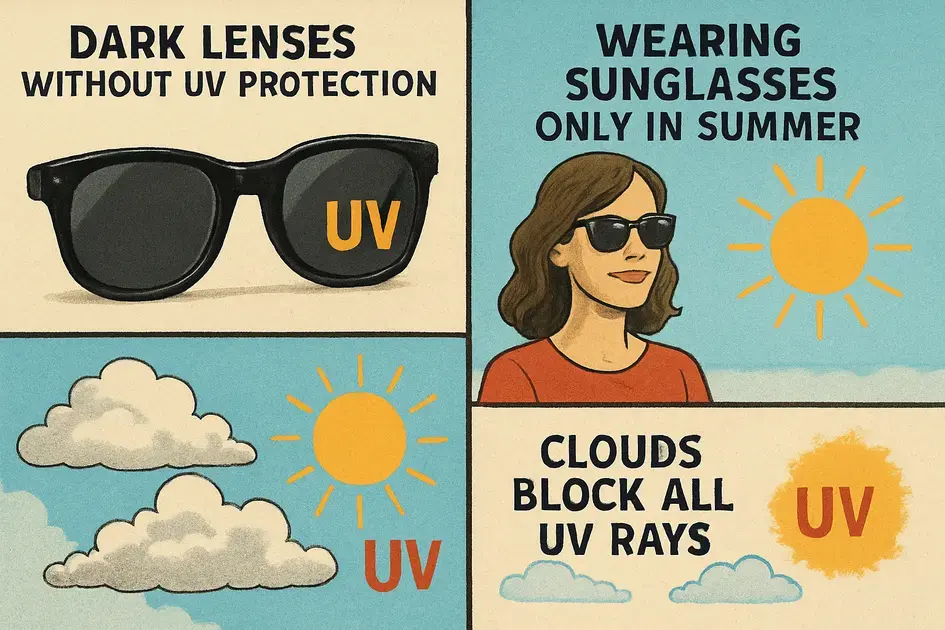
There are many misconceptions about sunglasses and UV protection. Let’s debunk some common myths to help you make informed decisions about protecting your eyes.
Myth 1: Darker Lenses Provide More UV Protection
Reality: The darkness of the lens doesn’t determine the level of UV protection. UV protection comes from a special coating or material, not the tint. You can have clear lenses that offer 100% UV protection, while very dark lenses might offer little to none.
Myth 2: Sunglasses Are Only Necessary in Summer
Reality: UV radiation is present year-round, even on cloudy days. Snow reflects UV rays, increasing exposure during winter. Protect your eyes whenever you’re outdoors, regardless of the season.
Myth 3: All Sunglasses Offer UV Protection
Reality: Not all sunglasses are created equal. Some cheap sunglasses may not have any UV protection at all. Always check the label to ensure they block 100% of UVA and UVB rays.
Myth 4: Price Determines UV Protection
Reality: While expensive sunglasses often come with high-quality materials and construction, the price doesn’t guarantee UV protection. Always look for the UV protection label, regardless of the price.
Myth 5: You Don’t Need Sunglasses on Cloudy Days
Reality: Clouds don’t block all UV rays. Up to 80% of UV radiation can penetrate clouds, so it’s important to wear sunglasses even on overcast days.
Myth 6: Children Don’t Need Sunglasses
Reality: Children’s eyes are more susceptible to UV damage because their lenses are clearer and allow more UV radiation to reach the retina. Protect their eyes from a young age.
Myth 7: Contact Lenses Offer Enough UV Protection
Reality: While some contact lenses offer UV protection, they only cover part of the eye. Sunglasses are still necessary to protect the entire eye area, including the eyelids and surrounding skin.
The role of polarized lenses in eye protection
Polarized lenses are a special type of sunglass lens designed to reduce glare from surfaces like water, snow, and glass. While they don’t inherently offer more UV protection, they play a significant role in overall eye comfort and safety.
How Polarized Lenses Work
Polarized lenses contain a special filter that blocks intense reflected light. Here’s how they work:
- Light Waves: Light travels in waves that vibrate in all directions.
- Polarization: When light reflects off a flat surface, it becomes polarized, meaning the light waves vibrate in one direction (usually horizontally).
- The Filter: Polarized lenses have a vertical filter that blocks horizontally polarized light.
Benefits of Polarized Lenses
Polarized lenses offer several advantages:
- Reduced Glare: They eliminate glare from reflective surfaces, improving visual clarity.
- Enhanced Contrast: By reducing glare, they enhance contrast and make colors appear more vivid.
- Improved Visual Comfort: They reduce eye strain and fatigue, making them ideal for activities like driving, fishing, and skiing.
- Better Vision in Bright Conditions: They provide clearer vision in bright sunlight, allowing you to see more details.
When to Use Polarized Lenses
Polarized lenses are particularly useful in situations where glare is a problem:
- Driving: They reduce glare from the road and other vehicles, improving visibility and safety.
- Water Sports: They eliminate glare from the water’s surface, allowing you to see below the surface more easily.
- Snow Sports: They reduce glare from the snow, improving visibility on the slopes.
- Fishing: They reduce glare, helping you see fish and other objects in the water.
Combining UV Protection with Polarization
It’s important to note that polarized lenses don’t automatically provide UV protection. When choosing polarized sunglasses, make sure they also offer 100% UVA and UVB protection. You can find sunglasses that combine both features for optimal eye safety and comfort.
Why UV protection is important year-round, not just in summer

Many people associate sunglasses with summer, but UV radiation is present year-round. Understanding why UV protection is essential in all seasons can help you protect your eyes effectively.
UV Radiation Doesn’t Take a Vacation
UV rays from the sun are present every day of the year. The intensity may vary, but the risk of eye damage remains consistent.
Winter Sun and Reflection
During winter, snow reflects up to 80% of UV rays, significantly increasing exposure. This reflected radiation can cause:
- Snow blindness: A painful condition similar to sunburn on the eyes.
- Increased UV exposure: Leading to long-term damage like cataracts and macular degeneration.
Cloudy Days Still Pose a Risk
Clouds don’t block all UV radiation. Up to 80% of UV rays can penetrate clouds, meaning your eyes are still at risk even on overcast days.
Autumn and Spring Exposure
Even in autumn and spring, the sun’s angle can be lower, making UV rays more direct and increasing exposure to your eyes. Protect your eyes during outdoor activities like:
- Hiking: Especially in higher altitudes where UV radiation is more intense.
- Gardening: Spending time outdoors exposes you to prolonged UV radiation.
- Sports: Participating in outdoor sports increases your time in the sun.
Long-Term Eye Health
Cumulative UV exposure over a lifetime can lead to serious eye conditions. Consistent year-round protection is essential for maintaining long-term eye health.
Making UV Protection a Habit
To protect your eyes effectively, make wearing UV-protective sunglasses a year-round habit. Keep a pair in your car, bag, and outdoor gear to ensure you’re always prepared.
How to choose sunglasses with effective UV protection
Choosing the right sunglasses for effective UV protection involves more than just picking a stylish pair. Here’s a guide to help you select sunglasses that offer the best defense against harmful UV radiation.
Check the Label
The most important step is to check the label. Look for sunglasses that:
- Block 100% of UVA and UVB rays: This is the gold standard for UV protection.
- Meet ANSI Z80.3 standards: This certification ensures the sunglasses meet certain safety and UV protection requirements.
- Have a UV 400 rating: This means the sunglasses block all light rays with wavelengths up to 400 nanometers, covering all UVA and UVB rays.
Lens Material
The material of the lenses affects their ability to block UV rays. Opt for:
- Polycarbonate lenses: These are impact-resistant and naturally block UV radiation.
- Trivex lenses: Similar to polycarbonate but lighter and more durable.
- Glass lenses: Offer excellent clarity and scratch resistance, but can be heavier.
- Acrylic lenses: A more affordable option, but may not offer the same level of UV protection as other materials.
Lens Color and Tint
The color and tint of the lenses don’t determine UV protection, but they can affect visual comfort and clarity. Consider:
- Gray lenses: Reduce brightness and minimize color distortion.
- Brown lenses: Enhance contrast and are good for variable light conditions.
- Green lenses: Provide good color balance and are suitable for general use.
- Yellow lenses: Increase contrast in low-light conditions, but can distort colors.
Frame Style and Coverage
The frame style affects how much UV radiation can reach your eyes from the sides and above. Choose:
- Wrap-around frames: Provide the best coverage, blocking UV rays from all angles.
- Large frames: Offer more coverage than smaller frames.
- Close-fitting frames: Reduce the amount of UV radiation that can enter from the sides.
Polarized Lenses
Consider polarized lenses to reduce glare, especially if you spend time near water or snow. Make sure they also offer 100% UV protection.
Consult an Eye Care Professional
If you have specific eye conditions or concerns, consult an eye care professional for personalized recommendations.
The impact of UV rays on eye health over time
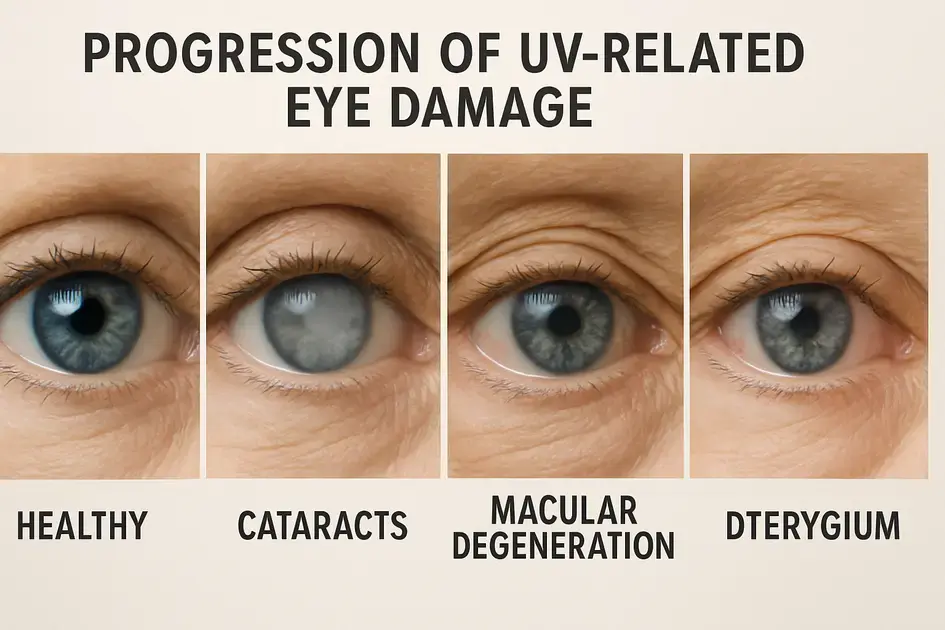
The cumulative effect of UV radiation on your eyes can lead to various long-term health issues. Understanding these impacts can help you appreciate the importance of consistent UV protection.
Cataracts
Cataracts are a clouding of the eye’s lens, leading to blurry vision. Chronic exposure to UV radiation is a significant risk factor for developing cataracts. Over time, UV rays can damage the proteins in the lens, causing it to become opaque.
Macular Degeneration
Macular degeneration affects the central part of the retina, leading to vision loss. Research suggests that UV radiation may contribute to the development of macular degeneration by damaging the delicate cells in the macula.
Pterygium and Pinguecula
Pterygium is a growth on the conjunctiva that can extend onto the cornea, while pinguecula is a yellowish bump on the conjunctiva. Both are often linked to long-term UV exposure. These conditions can cause:
- Irritation and redness
- Dry eye symptoms
- Blurred vision
Photokeratitis
While photokeratitis (sunburn of the eye) is a short-term condition, repeated episodes can contribute to chronic eye damage. The inflammation caused by photokeratitis can lead to:
- Corneal scarring
- Increased risk of infection
Eye Cancers
Although less common, UV radiation can increase the risk of certain eye cancers, including:
- Conjunctival melanoma
- Basal cell carcinoma of the eyelid
- Squamous cell carcinoma of the eyelid
Dry Eye Syndrome
Long-term exposure to UV rays can exacerbate dry eye syndrome by damaging the tear film and reducing tear production. This can lead to chronic discomfort and vision problems.
Protecting Your Vision
To minimize the long-term impact of UV rays, consistently wear sunglasses with 100% UVA and UVB protection. Regular eye exams can also help detect early signs of UV-related damage and allow for timely intervention.
Sunglasses and prevention of cataracts and macular degeneration
Sunglasses are a simple yet effective tool in preventing cataracts and macular degeneration, two of the leading causes of vision loss worldwide. Understanding how sunglasses can protect your eyes can motivate you to wear them regularly.
How UV Radiation Contributes to Cataracts
Cataracts occur when the lens of the eye becomes cloudy, impairing vision. UV radiation can accelerate this process by:
- Damaging lens proteins: UV rays can cause proteins in the lens to clump together, leading to cloudiness.
- Increasing oxidative stress: UV radiation generates free radicals that damage lens cells.
By blocking 100% of UVA and UVB rays, sunglasses reduce the amount of UV radiation that reaches the lens, slowing down the development of cataracts.
UV Radiation and Macular Degeneration
Macular degeneration affects the macula, the central part of the retina, leading to vision loss. UV radiation may contribute to macular degeneration by:
- Damaging retinal cells: UV rays can harm the delicate cells in the macula.
- Promoting inflammation: UV radiation can trigger inflammation in the retina, contributing to macular damage.
Sunglasses protect the retina by filtering out harmful UV rays, reducing the risk of macular degeneration.
The Role of Antioxidants
In addition to wearing sunglasses, maintaining a diet rich in antioxidants can further protect your eyes. Antioxidants help neutralize free radicals and reduce oxidative stress in the eyes.
Choosing the Right Sunglasses
For optimal protection, choose sunglasses that:
- Block 100% of UVA and UVB rays
- Have large frames or wrap-around styles
- Are worn consistently, even on cloudy days
Regular Eye Exams
Regular eye exams are essential for detecting early signs of cataracts and macular degeneration. Early detection and treatment can help preserve your vision and prevent further damage.
How UV protection benefits children’s eye health

Children are particularly vulnerable to the harmful effects of UV radiation because their eyes are still developing. Protecting children’s eyes from UV rays is crucial for their long-term eye health.
Children’s Eyes Are More Susceptible
Children’s eyes have larger pupils and clearer lenses, allowing more UV radiation to reach the retina. This makes them more susceptible to UV damage compared to adults.
Long-Term Eye Health
Cumulative UV exposure during childhood can increase the risk of developing eye conditions later in life, such as:
- Cataracts
- Macular degeneration
- Pterygium
Preventing Photokeratitis
Children are more likely to develop photokeratitis (sunburn of the eye) due to prolonged outdoor activities without proper eye protection. Photokeratitis can cause:
- Pain and discomfort
- Temporary vision loss
- Increased sensitivity to light
Encouraging Good Habits
Instilling the habit of wearing sunglasses from a young age helps children develop a lifelong commitment to eye protection. Make it a routine part of their outdoor gear, like sunscreen and hats.
Choosing the Right Sunglasses for Children
When selecting sunglasses for children, consider:
- 100% UVA and UVB protection
- Durable and impact-resistant lenses
- Comfortable and secure fit
- Fun and appealing designs to encourage wear
Leading by Example
Parents and caregivers can set a positive example by wearing sunglasses themselves. Children are more likely to follow habits they see modeled by adults.
Educating Children About Eye Safety
Teach children about the importance of protecting their eyes from the sun. Explain how sunglasses work and why they are necessary for keeping their eyes healthy.
The link between UV damage and eye cancer risks
While less common than other UV-related eye conditions, eye cancer is a serious risk associated with long-term exposure to ultraviolet (UV) radiation. Understanding this link can emphasize the importance of comprehensive eye protection.
Types of Eye Cancer Linked to UV Exposure
Several types of eye cancer have been associated with UV radiation, including:
- Conjunctival Melanoma: This cancer develops on the conjunctiva, the clear tissue covering the white part of the eye. UV exposure is a significant risk factor.
- Basal Cell Carcinoma (BCC): BCC is the most common type of skin cancer and can occur on the eyelids. Prolonged UV exposure is a primary cause.
- Squamous Cell Carcinoma (SCC): SCC is another type of skin cancer that can affect the eyelids. UV radiation is a major contributing factor.
- Intraocular Melanoma: Although the link is less direct, some studies suggest that UV exposure may increase the risk of intraocular melanoma, a cancer that develops inside the eye.
How UV Radiation Damages Eye Cells
UV radiation can damage the DNA in eye cells, leading to mutations that can cause cancer. This damage accumulates over time, increasing the risk of cancer development.
Protecting Your Eyes from Cancer Risks
To minimize the risk of eye cancer, take these protective measures:
- Wear Sunglasses: Choose sunglasses that block 100% of UVA and UVB rays.
- Use Broad-Spectrum Sunscreen: Apply sunscreen to your eyelids and the skin around your eyes.
- Wear a Hat: A wide-brimmed hat can provide additional shade and protect your eyes from direct sunlight.
- Avoid Tanning Beds: Tanning beds emit high levels of UV radiation and should be avoided.
Early Detection and Prevention
Regular eye exams are crucial for detecting early signs of eye cancer. An eye care professional can identify suspicious lesions or abnormalities and recommend appropriate treatment.
Consult an Eye Care Professional
If you notice any changes in your eyes or vision, consult an eye care professional immediately. Early diagnosis and treatment can significantly improve outcomes for eye cancer.
Fashion vs. function: balancing style and protection

Choosing sunglasses often involves balancing fashion and function. While it’s important to find a pair that complements your style, it’s equally crucial to ensure they provide adequate UV protection. Here’s how to strike the right balance.
Prioritize UV Protection
The primary function of sunglasses is to protect your eyes from harmful UV radiation. Always prioritize sunglasses that:
- Block 100% of UVA and UVB rays
- Meet ANSI Z80.3 standards or have a UV 400 rating
Don’t compromise on UV protection for style. There are plenty of stylish options that offer complete UV protection.
Consider Frame Style and Coverage
The frame style affects how much UV radiation can reach your eyes. Opt for:
- Large frames: Provide more coverage and block more UV rays.
- Wrap-around frames: Offer the best protection by blocking UV rays from all angles.
- Close-fitting frames: Reduce the amount of UV radiation that can enter from the sides.
Choose a frame style that complements your face shape while providing ample coverage.
Lens Color and Visual Comfort
The lens color can affect visual comfort and clarity. Consider:
- Gray lenses: Reduce brightness and minimize color distortion.
- Brown lenses: Enhance contrast and are good for variable light conditions.
- Green lenses: Provide good color balance and are suitable for general use.
Choose a lens color that suits your lifestyle and activities.
Choose Durable Materials
Select sunglasses made from durable materials that can withstand daily wear and tear. Look for frames made from:
- Polycarbonate: Lightweight and impact-resistant.
- Nylon: Flexible and durable.
- Metal: Stylish and sturdy.
Ensure the lenses are scratch-resistant to maintain clear vision.
Find a Style That Suits You
Sunglasses come in a variety of styles, including:
- Aviator
- Wayfarer
- Round
- Square
Choose a style that complements your face shape and personal style.
Caring for your sunglasses to maintain UV protection
Proper care can extend the life of your sunglasses and ensure they continue to provide effective UV protection. Here’s how to care for your sunglasses:
Cleaning Your Sunglasses
Regular cleaning is essential for maintaining clear vision and preventing damage to the lenses. Follow these steps:
- Rinse with water: Rinse your sunglasses with lukewarm water to remove loose dirt and debris.
- Use mild soap: Apply a small amount of mild dish soap or lens cleaner to the lenses.
- Gently rub: Use your fingertips or a microfiber cloth to gently rub the lenses.
- Rinse thoroughly: Rinse the sunglasses with water to remove all soap residue.
- Dry with a microfiber cloth: Use a clean, dry microfiber cloth to dry the lenses. Avoid using paper towels or tissues, as they can scratch the lenses.
Storing Your Sunglasses
Proper storage protects your sunglasses from scratches and damage. Consider these tips:
- Use a case: Store your sunglasses in a hard case when not in use.
- Avoid extreme temperatures: Don’t leave your sunglasses in direct sunlight or extreme heat, as this can damage the lenses and frames.
- Store lenses up: When placing your sunglasses down, store them with the lenses facing up to prevent scratches.
Handling Your Sunglasses
Handle your sunglasses with care to prevent damage:
- Use both hands: When putting on or taking off your sunglasses, use both hands to avoid bending or breaking the frames.
- Avoid dropping: Be careful not to drop your sunglasses, as this can cause scratches or breakage.
- Don’t wear on your head: Avoid wearing your sunglasses on top of your head, as this can stretch the frames.
Regular Inspections
Periodically inspect your sunglasses for any signs of damage, such as scratches, cracks, or loose screws. Replace your sunglasses if they are damaged or no longer provide adequate UV protection.
Professional Cleaning and Maintenance
Consider taking your sunglasses to an eye care professional for periodic cleaning and maintenance. They can professionally clean the lenses and tighten any loose screws.
Tips for wearing sunglasses during outdoor activities

Wearing sunglasses during outdoor activities is crucial for protecting your eyes from UV radiation. Here are some tips to ensure you’re adequately protected while enjoying the outdoors:
Choose the Right Sunglasses for the Activity
Different activities require different types of sunglasses. Consider these factors:
- Sports: For sports like running, cycling, or skiing, choose sunglasses with a secure fit, impact-resistant lenses, and wrap-around frames for maximum coverage.
- Water Activities: For boating, fishing, or swimming, opt for polarized lenses to reduce glare from the water’s surface.
- Hiking: Choose lightweight sunglasses with UV protection and comfortable frames for long hikes.
Wear Sunglasses Consistently
Make it a habit to wear sunglasses whenever you’re outdoors, even on cloudy days. Keep a pair in your car, bag, or outdoor gear to ensure you’re always prepared.
Combine Sunglasses with Other Protective Gear
For comprehensive protection, combine sunglasses with other protective gear, such as:
- Hats: Wear a wide-brimmed hat to provide additional shade and protect your eyes from direct sunlight.
- Sunscreen: Apply sunscreen to your eyelids and the skin around your eyes.
- Protective Clothing: Wear long sleeves and pants to protect your skin from UV radiation.
Adjust Sunglasses for Comfort
Ensure your sunglasses fit comfortably and securely. Adjust the nose pads and temple arms for a customized fit. If your sunglasses are too loose or too tight, they may not provide adequate protection.
Clean Your Sunglasses Regularly
Keep your sunglasses clean to maintain clear vision. Use a microfiber cloth and mild soap to gently clean the lenses. Avoid using paper towels or tissues, as they can scratch the lenses.
Replace Sunglasses as Needed
Sunglasses can lose their UV protection over time, especially if they are scratched or damaged. Replace your sunglasses every two years or as needed to ensure they continue to provide adequate protection.
When to replace your sunglasses for continued UV defense
Like any protective gear, sunglasses don’t last forever. Knowing when to replace them is crucial to ensure continued UV defense for your eyes.
Scratched Lenses
Scratches on the lenses can compromise vision and reduce the effectiveness of UV protection. Replace your sunglasses if:
- Scratches are visible: If you can see scratches that impair your vision, it’s time for a replacement.
- Scratches cause glare: Scratches can scatter light and create glare, reducing visual clarity and comfort.
Damaged Frames
Damaged frames can affect the fit and coverage of your sunglasses, reducing their protective capabilities. Replace your sunglasses if:
- Frames are bent or broken: Bent or broken frames can alter the alignment of the lenses and reduce UV protection.
- Frames are loose: Loose frames may not stay in place, allowing UV radiation to reach your eyes from the sides.
Outdated UV Protection Technology
UV protection technology can degrade over time. Replace your sunglasses every two years, even if they appear to be in good condition. New sunglasses often have improved UV protection technology.
Changes in Vision
If you experience any changes in your vision, such as blurriness, double vision, or increased sensitivity to light, consult an eye care professional. They can determine if your sunglasses are still adequate for your needs.
Loss of Coating
Some sunglasses have a special coating that enhances their ability to block UV radiation. If this coating wears off, the sunglasses may no longer provide adequate protection. Replace your sunglasses if:
- Coating is peeling: Look for signs of peeling or flaking on the lenses.
- Reduced glare reduction: If your sunglasses no longer reduce glare effectively, the coating may be wearing off.
Exposure to Extreme Conditions
Exposure to extreme conditions, such as high heat or chemicals, can damage sunglasses and reduce their UV protection. Replace your sunglasses if they have been exposed to these conditions.
Protecting your eyes from UV radiation is essential for maintaining long-term eye health. By understanding the risks of UV exposure, choosing the right sunglasses, and caring for them properly, you can safeguard your vision and enjoy the outdoors with confidence. Make UV protection a year-round habit and consult an eye care professional for personalized recommendations.
Frequently Asked Questions About Sunglasses and UV Protection
Why is UV protection important for sunglasses?
UV protection is essential to shield your eyes from harmful ultraviolet (UV) radiation, which can cause long-term damage like cataracts and macular degeneration.
What should I look for when buying sunglasses for UV protection?
Look for sunglasses that block 100% of UVA and UVB rays and meet ANSI Z80.3 standards or have a UV 400 rating.
Are darker lenses better for UV protection?
No, the darkness of the lens doesn’t determine UV protection. The UV protection comes from a special coating or material, not the tint.
Do I need to wear sunglasses on cloudy days?
Yes, up to 80% of UV radiation can penetrate clouds, so it’s important to wear sunglasses even on overcast days.
Are polarized lenses the same as UV protection?
No, polarized lenses reduce glare but don’t necessarily offer UV protection. Choose polarized sunglasses that also provide 100% UVA and UVB protection.
How often should I replace my sunglasses?
Replace your sunglasses every two years or sooner if they are scratched, damaged, or if you notice changes in your vision.