Intestinal disorders, affecting people of all ages, can lead to symptoms such as abdominal pain and diarrhea, and proper management involves dietary changes, stress management, and understanding the role of the gut microbiome.

When we talk about our health, the **disease condition of the small intestine** often doesn’t get the attention it deserves. Have you ever experienced discomfort after a meal? That might be linked to something happening in your small intestine. Let’s delve into what these conditions entail, the symptoms to watch out for, and why you should pay closer attention to your gut health.
Understanding the small intestine’s anatomy
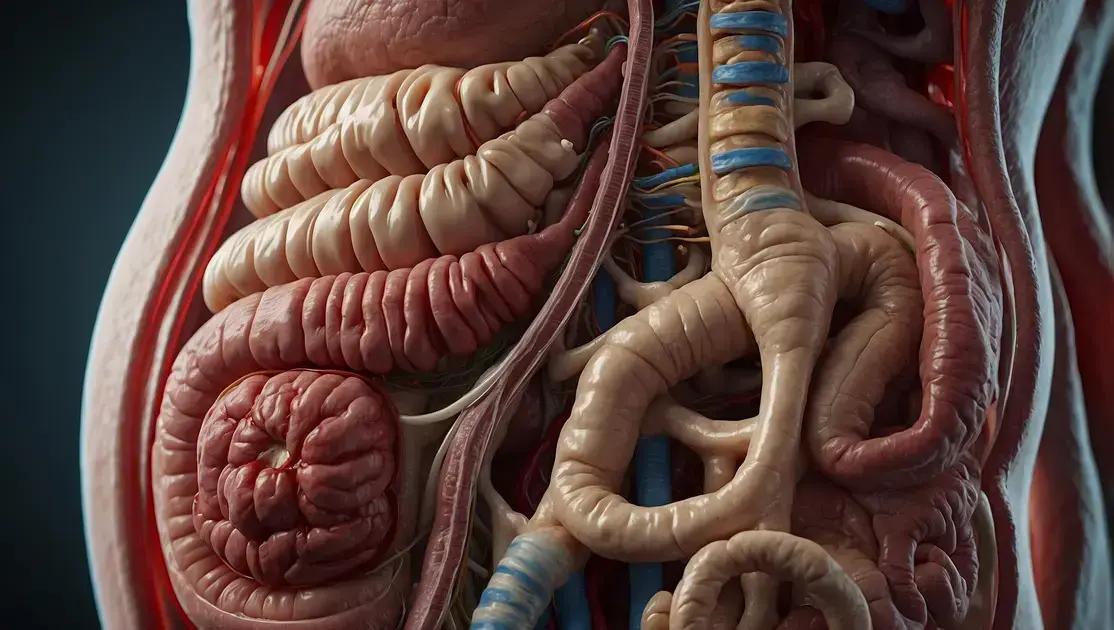
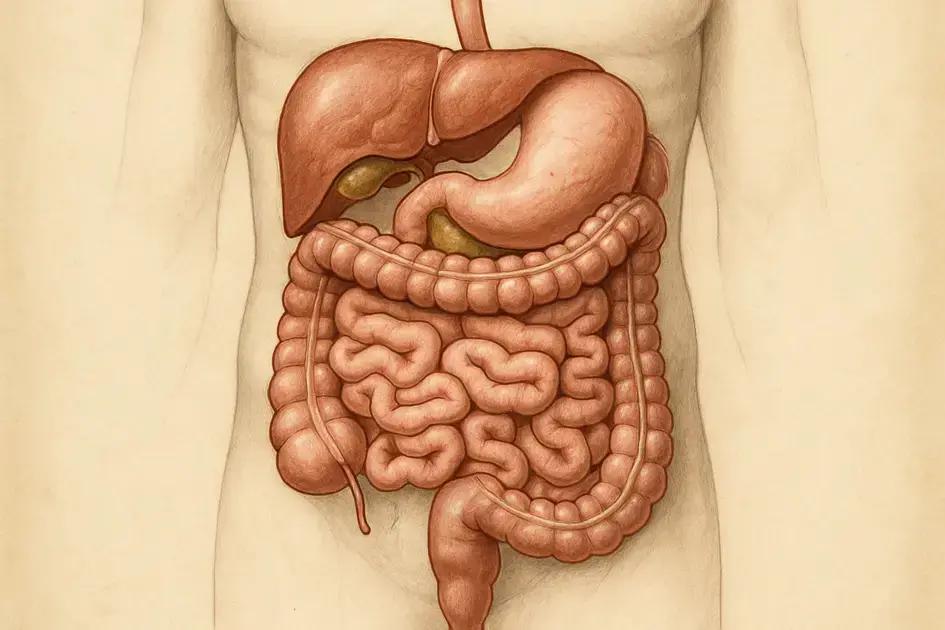
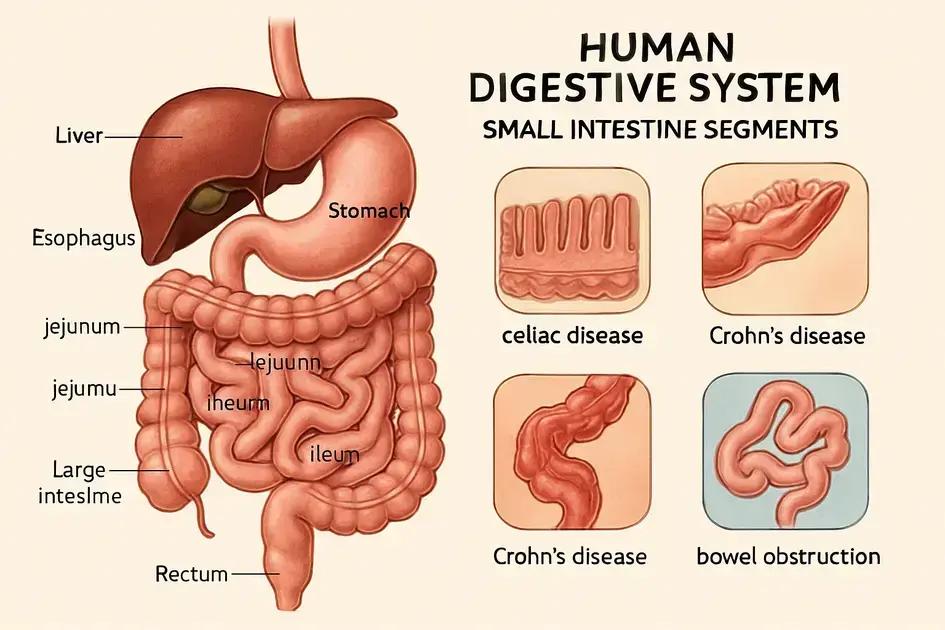
The small intestine plays a crucial role in digestion and nutrient absorption. Comprised of three main parts: the duodenum, jejunum, and ileum, each section has specific functions in the digestive process.
Duodenum
The first part of the small intestine is the duodenum, where most chemical digestion occurs. Here, digestive juices from the pancreas and bile from the liver mix with food to break it down into smaller molecules.
Jejunum
Following the duodenum is the jejunum, which is primarily responsible for the absorption of nutrients. The walls of the jejunum contain villi and microvilli, tiny projections that increase the surface area, allowing for efficient nutrient uptake.
ileum
The last part is the ileum, which continues the process of nutrient absorption. It also has specialized cells called Peyer’s patches that play an essential role in immune function within the gut.

Understanding the anatomy of the small intestine helps us appreciate its complex functions and the importance of maintaining its health for overall well-being.
Common diseases affecting the small intestine
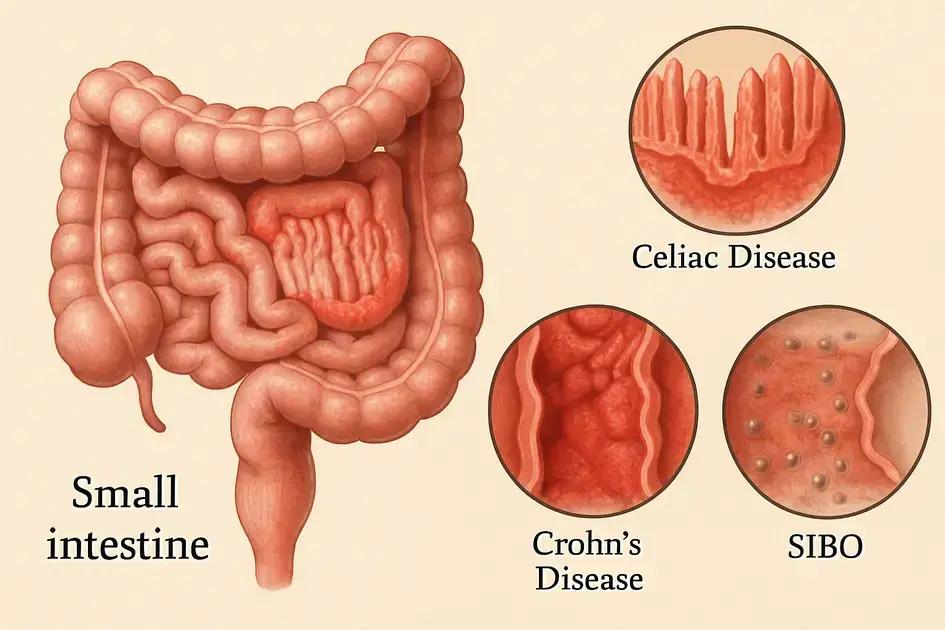
The small intestine can be affected by various diseases that disrupt its normal function. Here are some of the most common conditions:
Celiac Disease
Celiac disease is an autoimmune disorder where gluten triggers an immune response, damaging the lining of the small intestine. This affects nutrient absorption and can lead to serious health issues if not managed properly. Symptoms may include abdominal pain, bloating, and diarrhea.
Crohn’s Disease
Crohn’s disease is a type of inflammatory bowel disease (IBD) that can affect any part of the gastrointestinal tract, but it commonly involves the small intestine. Symptoms include severe abdominal pain, fatigue, weight loss, and malnutrition. Treatment often involves anti-inflammatory medications.
Small Intestinal Bacterial Overgrowth (SIBO)
SIBO occurs when there is an excessive growth of bacteria in the small intestine. This can cause bloating, diarrhea, and abdominal discomfort. Treatment may include dietary changes and antibiotics.
Intestinal Infection
Intestinal infections are often caused by bacteria, viruses, or parasites. Symptoms may vary but often include diarrhea, stomach cramps, and nausea. Hydration and, in some cases, antibiotics are essential for recovery.

It’s crucial to recognize and address these diseases early on to manage symptoms effectively and ensure proper functioning of the small intestine.
Symptoms of small intestine disorders
Small intestine disorders can lead to various troubling symptoms that affect daily life. Recognizing these symptoms early is vital for proper diagnosis and treatment.
Abdominal Pain
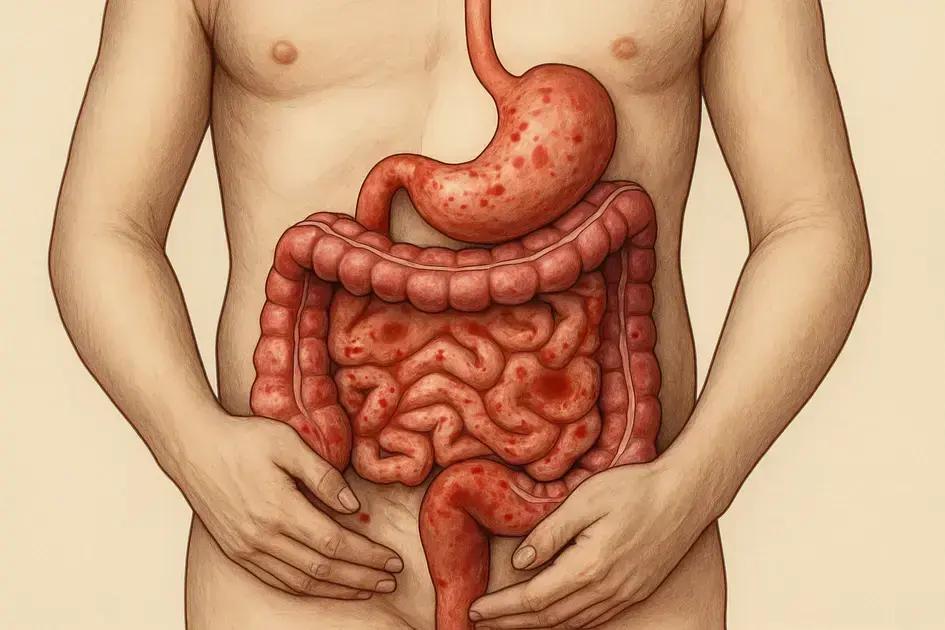
Abdominal pain is one of the most common symptoms. This pain can be sharp, cramping, or a dull ache, often related to the digestive process. It may vary in intensity and may occur after eating.
Bloating and Gas
Bloating and excessive gas can occur when food is not properly digested. This typically leads to discomfort and a feeling of fullness. Many people experience this after consuming certain foods or meals.
Diarrhea
Diarrhea is another frequent symptom of small intestine disorders. It may be watery and frequent, indicating that the body is not absorbing nutrients effectively. This can lead to dehydration and loss of essential vitamins and minerals.
Nausea and Vomiting
Nausea and sometimes vomiting can accompany other symptoms. These feelings may occur as food moves through the small intestine or when there is an obstruction or infection present.
Weight Loss
Weight loss without trying may happen if the small intestine is not absorbing nutrients properly. This can result in malnutrition and energy loss, requiring medical attention.
Being aware of these common symptoms can help individuals seek medical advice sooner, leading to more effective management of small intestine disorders.
Diagnostic methods for intestinal diseases
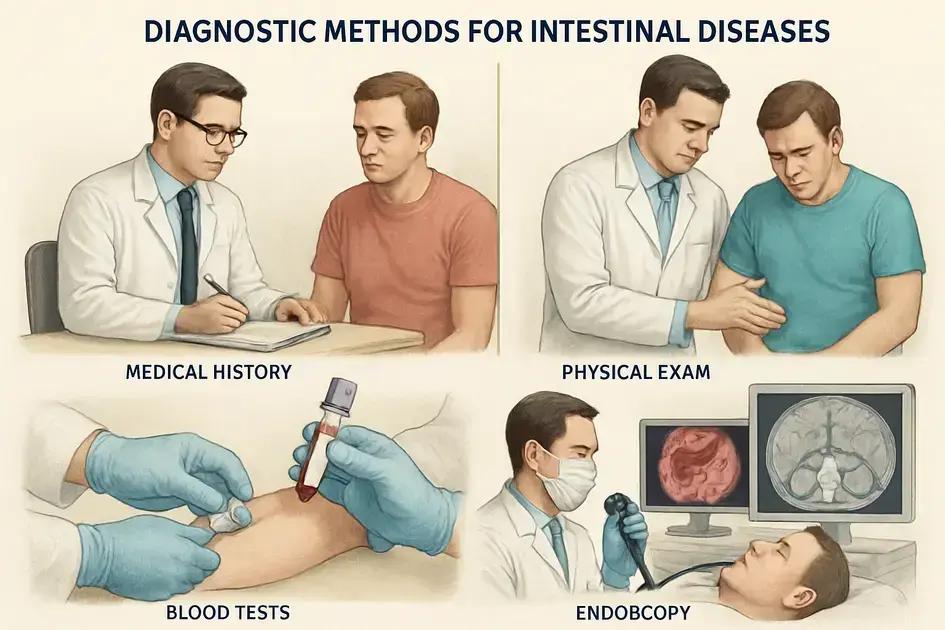
Diagnosing intestinal diseases is essential for effective treatment. Several methods help healthcare providers determine what’s wrong with the small intestine.
Medical History Review
A thorough medical history review is the first step. Doctors will ask about symptoms, family history of intestinal issues, and lifestyle factors such as diet and stress.
Physical Examination
A physical examination helps identify any pain or swelling in the abdomen. Doctors often check for tenderness during this examination, which can indicate inflammation or other issues.
Blood Tests
Blood tests are frequently used to check for signs of infection, inflammation, or anemia. They can also help identify specific conditions like Celiac disease by detecting antibodies.

Imaging Studies
Imaging studies like X-rays, CT scans, or MRIs provide detailed pictures of the intestines. These can reveal abnormalities such as blockages, tumors, or inflammation.
Endoscopy
Endoscopy is a procedure that allows doctors to view the inside of the small intestine using a flexible tube with a camera. This method can also be used to take biopsies for further testing.
Stool Tests
Stool tests help identify infections, parasites, or blood in the stool. This can be crucial for diagnosing conditions like Irritable Bowel Syndrome or infections.
Understanding these diagnostic methods provides insight into how healthcare providers assess intestinal health and tailor treatments effectively.
Treatment options for small intestine conditions
Treating small intestine conditions depends on the specific disorder and its severity. Here are some common treatment options that doctors may recommend:
Dietary Changes
Making dietary changes is often one of the first steps in treatment. This may involve adopting a gluten-free diet for Celiac disease or avoiding certain foods that trigger symptoms for those with Irritable Bowel Syndrome (IBS).
Medications
Medications play a crucial role in managing symptoms and treating underlying conditions. Anti-inflammatory drugs may be prescribed for inflammatory bowel diseases like Crohn’s disease. Additionally, antibiotics can help clear infections, while medications like probiotics may aid in restoring gut health.
Supplementation
In cases where there is nutrient malabsorption, healthcare providers may recommend supplements to compensate for deficiencies. This can include vitamins, minerals, and protein supplements to support overall health.
Endoscopic Procedures
Endoscopic procedures can be used to treat certain small intestine conditions. For instance, a doctor may remove polyps or strictures, which can block passage through the intestine.
Surgery
In more severe cases, surgery may be necessary. Surgical options can include removing a section of the small intestine affected by disease or repairing any obstructions.
Overall, treatment plans are often personalized, and frequent follow-ups are crucial to manage symptoms effectively and improve the patient’s quality of life.
Dietary considerations for intestinal health
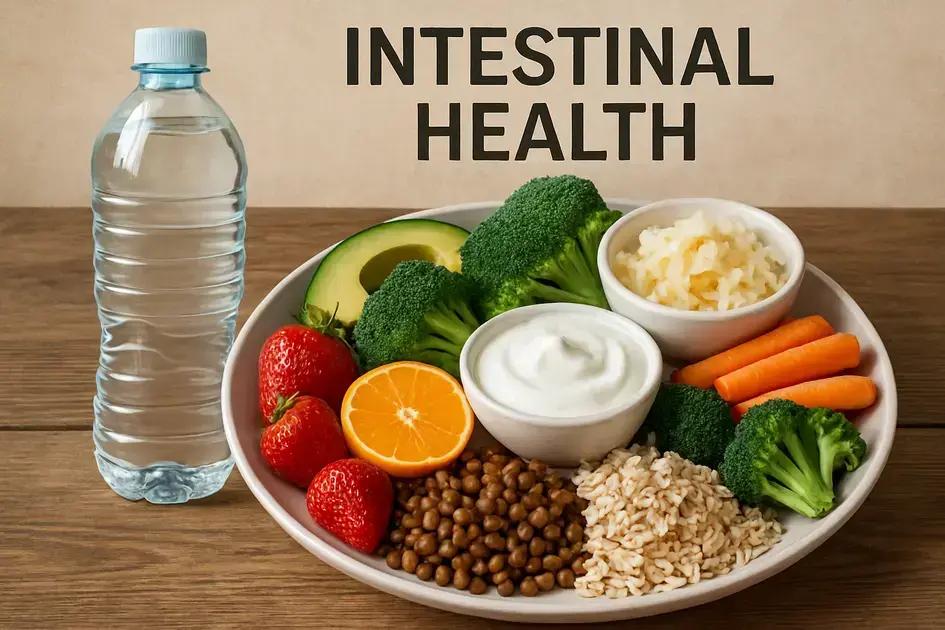
Maintaining intestinal health greatly depends on what we eat. Here are some important dietary considerations to keep your digestive system functioning well:
Fiber Intake
Eating a diet high in fiber is crucial for a healthy intestine. Fiber aids digestion by helping to move food through the gut. Foods such as fruits, vegetables, whole grains, and legumes are excellent sources of fiber.
Hydration
Staying properly hydrated is essential for digestive health. Drinking enough water helps soften stools and prevents constipation. Aim to drink at least 8 glasses of water a day, but more may be necessary depending on activity levels.
Avoiding Processed Foods
Limiting processed foods is also important. These foods often contain additives, sugars, and unhealthy fats that can irritate the intestines. Instead, focus on whole, unprocessed foods that nourish your body.
Probiotics
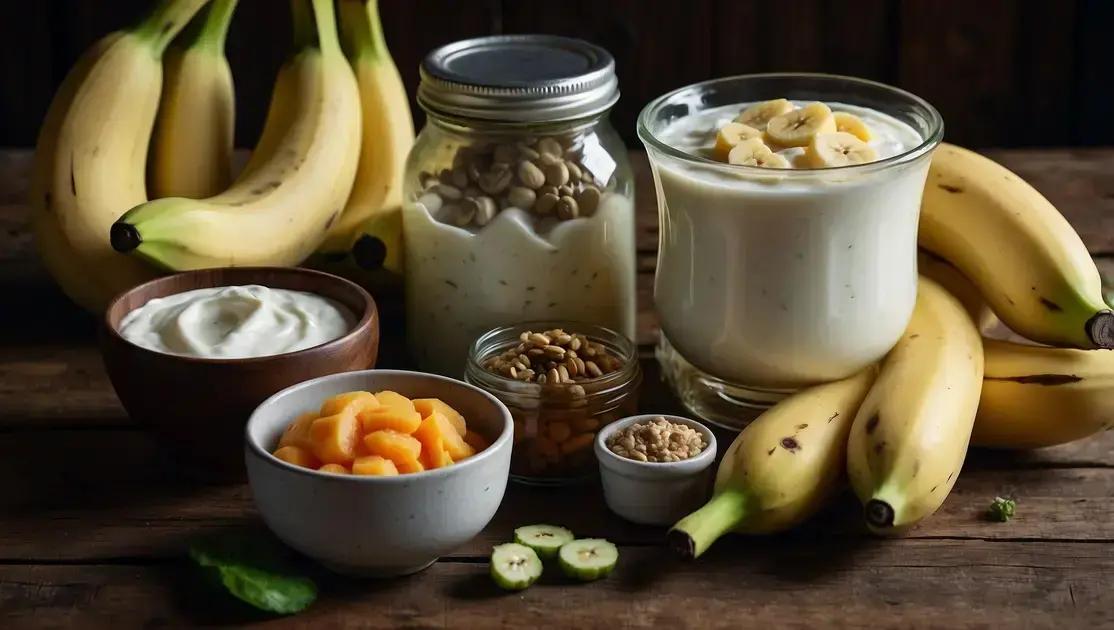
Including probiotics in your diet can promote a healthy gut flora. Foods rich in probiotics include yogurt, kefir, and fermented vegetables. These beneficial bacteria aid in digestion and boost the immune system.
Identifying Food Sensitivities
Understanding and identifying food sensitivities can help maintain intestinal health. Keeping a food diary to track your diet and any symptoms can assist in pinpointing problematic foods, leading to better dietary choices.
By implementing these dietary considerations, individuals can enhance their intestinal health and improve overall well-being.
The role of probiotics in gut health
Probiotics are live microorganisms that provide health benefits when consumed in adequate amounts. They play a significant role in maintaining gut health.
Supporting Digestive Health
Probiotics help balance the bacteria in the gut. A healthy gut contains a diverse range of bacteria, and probiotics can promote this diversity by adding beneficial strains. This balance aids in digestion and nutrient absorption.
Preventing Diarrhea
Taking probiotics can help prevent or reduce the duration of diarrhea, especially after antibiotic use, which can disrupt the normal gut flora. They help restore the balance of bacteria and improve gut function.
Enhancing Immune Function
Probiotics may also enhance the immune system by stimulating the production of antibodies and activating immune cells. A strong immune system can help fend off illnesses and infections.
Reducing Symptoms of IBS
For individuals with Irritable Bowel Syndrome (IBS), probiotics may help manage symptoms like bloating, gas, and abdominal pain. Specific strains of probiotics have been shown to provide relief by improving gut motility and reducing inflammation.
Sources of Probiotics
Probiotics can be found in various foods, particularly fermented products like yogurt, kefir, sauerkraut, and kimchi. Additionally, they are available in supplement form for those who prefer a concentrated dose.
Including probiotics in your diet can greatly benefit your overall gut health and support your body’s natural functions.
Impact of stress on intestinal disorders
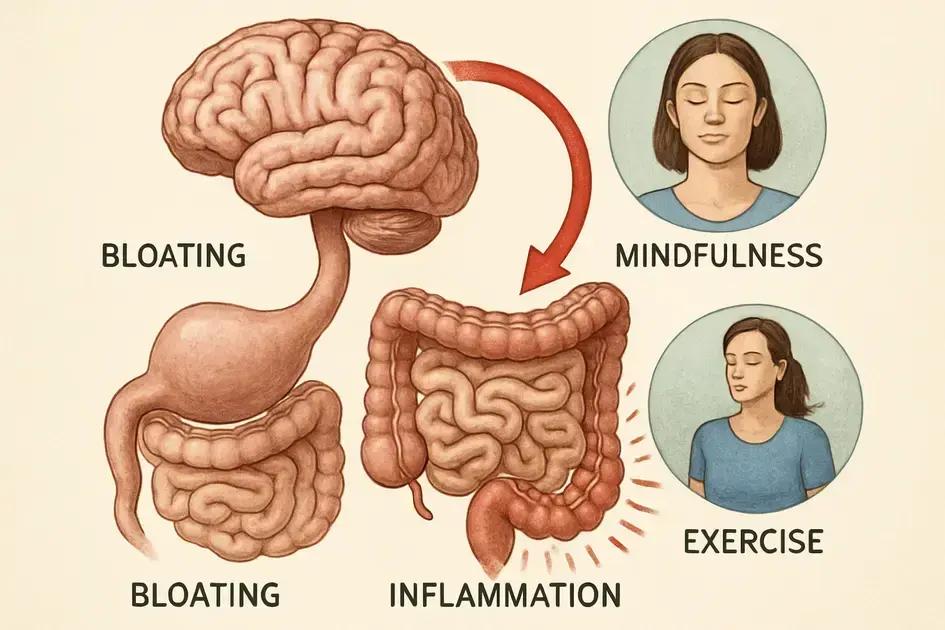
Stress can have a significant impact on intestinal health, potentially exacerbating various disorders. Understanding this connection is essential for managing symptoms effectively.
How Stress Affects the Gut
The gut and brain are closely linked through the gut-brain axis. When a person experiences stress, the brain signals the digestive system to react. This can lead to changes in gut motility, often resulting in symptoms such as diarrhea or constipation.
Increased Inflammation
Stress may trigger an increase in inflammation, which can worsen conditions like inflammatory bowel disease (IBD). Inflammation can lead to abdominal pain, cramping, and other serious complications.
Impact on Gut Flora
Chronic stress can negatively affect the balance of gut flora. This imbalance may decrease the number of beneficial bacteria while promoting harmful bacteria, further impacting gut health and leading to digestive issues.
Exacerbation of Symptoms
For individuals with existing intestinal disorders, such as Irritable Bowel Syndrome (IBS), stress can trigger flare-ups. Symptoms like bloating, gas, and severe abdominal pain can become more frequent and severe during periods of stress.
Managing Stress for Better Gut Health
Finding ways to manage stress is crucial for maintaining intestinal health. Mindfulness practices, regular physical activity, and adequate sleep can help reduce stress and its negative effects on the gut.
Being aware of the relationship between stress and intestinal disorders can empower individuals to take proactive steps to manage both their mental and gastrointestinal health.
Living with chronic small intestine diseases
Living with chronic small intestine diseases can be challenging, affecting many aspects of daily life. Here are some key considerations for managing these conditions effectively.
Understanding Your Condition
It is essential to have a clear understanding of your specific small intestine disease. Knowing the symptoms, triggers, and treatment options can help you manage your health better. Regular consultations with your doctor can provide valuable insights into your condition.
Dietary Modifications
One of the most effective ways to manage symptoms is through dietary modifications. Identifying and avoiding foods that trigger symptoms can vastly improve quality of life. Keeping a food diary can help track what you eat and how it affects your symptoms.
Medication Management
Adhering to prescribed medications is vital for controlling symptoms and preventing flare-ups. Discuss any side effects with your doctor, as they may need to adjust your treatment plan to better suit your needs.
Support System
Building a strong support system is important. This can include family, friends, or support groups who understand the challenges of living with a chronic illness. Sharing experiences with others can provide emotional support and practical advice.
Coping Strategies
Incorporating coping strategies such as stress management techniques, mindfulness, and relaxation exercises can help ease the emotional burden of living with a chronic disease. Regular exercise can also be beneficial for both physical and mental health.
Living with chronic small intestine diseases requires ongoing management and support, but with the right strategies, individuals can lead fulfilling lives while navigating their health challenges.
Latest research on intestinal health
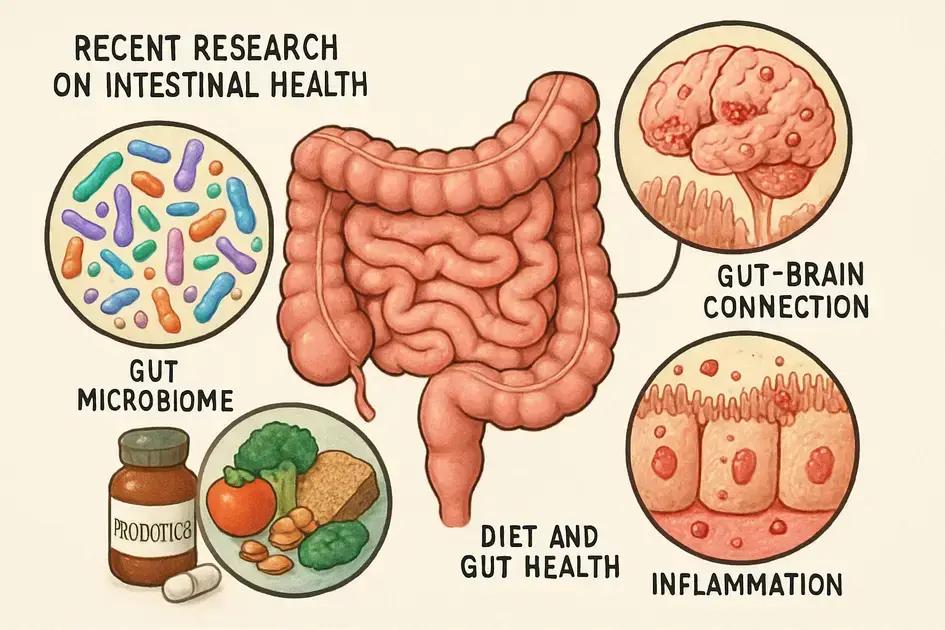
Recent research on intestinal health has provided valuable insights into how our gut functions and its impact on overall well-being. Here’s a look at some of the latest findings.
Gut Microbiome Diversity
Studies show that a diverse gut microbiome is crucial for good health. Researchers are exploring how different bacterial species work together to enhance digestion and protect against infections.
Role of Diet in Gut Health
New research highlights the significant impact of diet on intestinal health. Diets rich in fruits, vegetables, and whole grains promote the growth of beneficial bacteria. Conversely, high-sugar and high-fat diets can disrupt this balance.
Connection to Mental Health
Emerging studies indicate a strong link between gut health and mental health. The gut-brain axis suggests that the microbiome can influence mood and cognitive function. This research is paving the way for new treatments for conditions like anxiety and depression.
Probiotics and Prebiotics
Ongoing research is investigating the effects of probiotics and prebiotics on gut health. These compounds may help restore the balance of gut bacteria and improve digestion, immunity, and overall health.
Impact of Inflammation
Scientists are studying the role of chronic inflammation in gut disorders. Understanding the mechanisms behind inflammation can help develop better therapies for conditions like IBD or IBS.
Keeping up with the latest research can empower individuals to make informed choices about their intestinal health and lifestyle.
Alternative therapies for intestinal conditions
Alternative therapies for intestinal conditions have gained popularity as people seek additional ways to manage symptoms and improve gut health. Here are some options that many consider:
Acupuncture
Acupuncture involves inserting thin needles into specific points on the body to alleviate pain and promote healing. Some studies suggest it may help reduce symptoms of gut disorders like IBS by improving circulation and reducing inflammation.
Herbal Remedies
Various herbal remedies have been used for centuries to treat digestive issues. Herbs like peppermint can soothe digestive tract muscles, while ginger may help with nausea and inflammation.
Mindfulness and Meditation
Practicing mindfulness and meditation techniques can reduce stress, which is often linked to digestive problems. These practices promote relaxation and can help individuals better manage their symptoms.
Probiotic Supplements
Probiotic supplements contain live beneficial bacteria that may help restore gut balance. They can be particularly useful for individuals undergoing antibiotic treatment or those experiencing digestive imbalances.
Dietary Changes
Adopting a gut-friendly diet is essential for managing intestinal conditions. Many people find relief by following anti-inflammatory diets, eliminating trigger foods, or incorporating foods high in fiber and probiotics.
While alternative therapies can provide relief, it is important for individuals to consult with healthcare professionals before starting any new treatment to ensure it’s appropriate for their specific situation.
Preventive measures for small intestine health
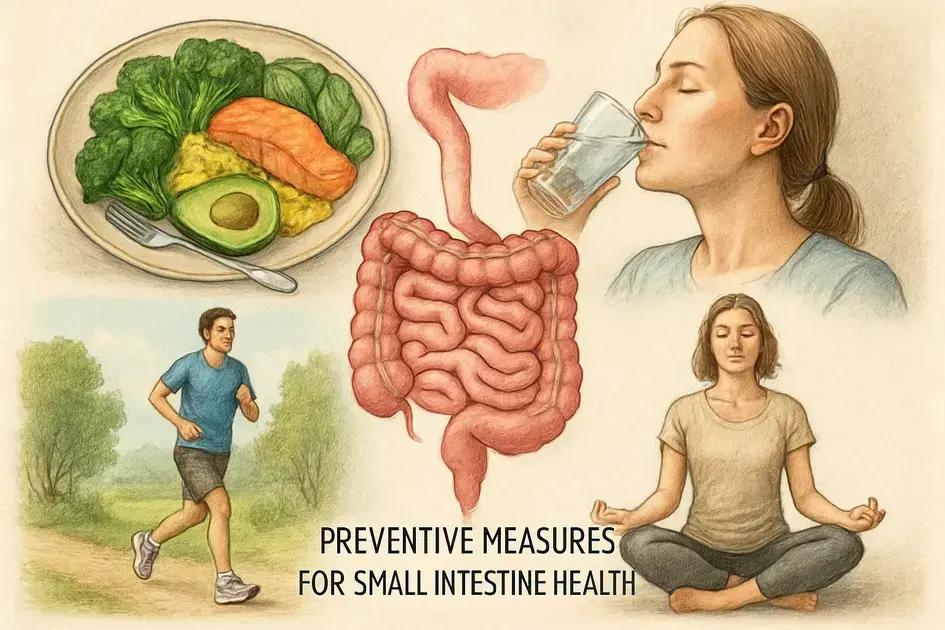
Maintaining a healthy small intestine is vital for overall well-being. Here are some important preventive measures to consider for optimal intestinal health.
Balanced Diet
Eating a balanced diet rich in fruits, vegetables, whole grains, and lean proteins is essential. These foods provide important nutrients and fiber, which help maintain a healthy digestive system.
Stay Hydrated
Drinking enough water is crucial for digestion. Proper hydration helps your intestines function smoothly and prevents constipation. Aim for at least 8 glasses of water a day.
Regular Exercise
Engaging in regular exercise can promote healthy digestion. Physical activity helps stimulate intestinal contractions, making it easier for food to pass through the digestive tract.
Avoiding Processed Foods
Limiting processed foods is important. These often contain unhealthy fats, sugars, and additives that can disrupt gut health. Focus on whole, natural foods instead.
Managing Stress
Managing stress effectively can benefit your gut health. Stress can negatively impact digestion. Incorporating mindfulness, regular relaxation techniques, or hobbies can help reduce stress levels.
Regular Medical Check-ups
Routine check-ups with your healthcare provider can help catch potential issues early. Discussing any gut-related symptoms promptly can help prevent more serious conditions.
By implementing these preventive measures, you can support the health of your small intestine and enhance your overall well-being.
Common misconceptions about small intestine diseases
There are several common misconceptions about small intestine diseases that can lead to misunderstandings and mismanagement of health. Understanding the facts can help individuals address these issues more effectively.
Misconception: Only Older Adults Are Affected
One prevalent myth is that only older adults suffer from small intestine diseases. In reality, these conditions can affect people of all ages, including children and young adults. Genetic factors and dietary habits can contribute to the onset of these diseases at any age.
Misconception: Symptoms Are Always Obvious
Many believe that if someone has a small intestine disease, symptoms will always be obvious. However, some people experience mild or vague symptoms that can be easily overlooked, leading to delays in diagnosis. Symptoms can vary greatly among individuals.
Misconception: Diet Has No Impact
Another common misconception is that diet does not play a significant role in small intestine health. On the contrary, what you eat can greatly affect symptoms and overall health. Certain foods can trigger symptoms or worsen inflammation.
Misconception: Medications Are Not Necessary
Some believe they can rely solely on natural remedies or lifestyle changes, neglecting the importance of medications that can effectively manage symptoms and improve quality of life. Treating small intestine conditions often requires a combination of medical intervention and lifestyle choices.
Misconception: All Small Intestine Diseases Are the Same
Lastly, it’s a common belief that all small intestine diseases are similar. In reality, conditions like Celiac disease, Crohn’s disease, and small intestinal bacterial overgrowth (SIBO) have different causes, symptoms, and treatment strategies. Understanding these differences is essential for effective management.
By addressing these misconceptions, individuals can make more informed decisions regarding their health and seek appropriate treatment.
Patient stories: Real-life impacts of intestinal disorders

Hearing patient stories about intestinal disorders can help others understand the real-life impacts of these conditions. These narratives provide insights into the challenges individuals face and the strength they show in managing their health.
Living with Celiac Disease
One patient shares their journey with Celiac disease, which requires strict adherence to a gluten-free diet. Initially, they struggled with digestive issues and fatigue. After the diagnosis, adjusting to a gluten-free lifestyle was challenging but ultimately improved their health. They emphasize the importance of support groups in helping them navigate social situations that often involve food.
Coping with Crohn’s Disease
Another story comes from a young adult living with Crohn’s disease. They highlight the unpredictability of flare-ups and how it impacts daily life. This patient discusses the emotional toll of frequent doctor visits, medications, and the moments when they feel unwell, but also how they have learned to advocate for themselves and seek help when needed.
Managing IBS Symptoms
A patient with Irritable Bowel Syndrome (IBS) shares their experience in finding relief through dietary changes and stress management techniques. They explain how keeping a food diary helped identify triggers, and practicing relaxation exercises significantly reduced their symptoms.
Support from Community
A common theme in many stories is the value of community support. Patients often discuss finding strength in sharing their experiences with others facing similar challenges. Support groups, online forums, and therapy can provide a sense of belonging and understanding.
These patient stories illuminate the real-life impacts of intestinal disorders and highlight the resilience of those affected. Their experiences remind us of the importance of empathy and support in managing health.
Future directions in small intestine health research
The future of small intestine health research looks promising as scientists continue to explore new frontiers. Here are some key areas of focus that may shape the next generation of gastrointestinal medicine.
Microbiome Research
The human microbiome plays a crucial role in digestive health. Future research aims to better understand how the diverse bacteria in our intestines influence health and disease. This could lead to personalized treatments based on individual microbiota profiles.
Genetic Studies
Advancements in genetic research are expected to uncover the genetic factors contributing to small intestine diseases. Understanding these factors can improve early diagnosis and targeted therapies for conditions like Crohn’s disease and Celiac disease.
Innovative Therapies
Researchers are exploring innovative therapies, such as stem cell therapy and regenerative medicine, to treat severe cases of small intestine disorders. These approaches aim to repair damaged tissues and restore normal function within the intestines.
Diet and Nutrition
Future studies will likely focus on the role of diet and nutrition in maintaining small intestine health. Research may reveal the effects of specific diets on gut health, paving the way for dietary interventions tailored to prevent and treat intestinal disorders.
Technology in Diagnostics
Emerging technologies such as artificial intelligence and advanced imaging techniques are set to enhance diagnostic capabilities. These tools could improve the early detection of small intestine diseases, leading to better management and outcomes.
By pursuing these future directions, researchers aspire to improve the understanding, diagnosis, and treatment of small intestine health, ultimately enhancing patient care and quality of life.
Understanding and Supporting Small Intestine Health
The health of the small intestine is vital for overall well-being. By recognizing common disorders and their symptoms, individuals can take proactive steps to manage their health and seek appropriate care.
Understanding the impact of stress, the importance of diet, and the value of alternative therapies can significantly enhance intestinal health. Additionally, staying informed about the latest research can empower patients to make better decisions regarding their health.
Through shared patient stories, we can appreciate the real-life challenges faced by those with intestinal disorders and the resilience they demonstrate. Support, education, and continued research are essential in improving outcomes and quality of life for individuals affected by these conditions.
As we look to the future, advancing our knowledge of small intestine health will lead to better treatments and management strategies, ultimately helping more people live healthier lives.
FAQ – Frequently Asked Questions about Small Intestine Health
What are common symptoms of small intestine disorders?
Common symptoms include abdominal pain, bloating, diarrhea, and weight loss. If you experience these symptoms regularly, it’s important to consult a healthcare provider.
How can diet affect small intestine health?
A balanced diet rich in fiber can support gut health, while processed foods and certain allergens can exacerbate symptoms. Keeping a food diary may help identify triggers.
What role do probiotics play in gut health?
Probiotics help maintain a healthy balance of gut bacteria, which can improve digestion and boost immune function. Foods like yogurt and fermented products are good sources.
How does stress impact intestinal health?
Chronic stress can lead to digestive issues and exacerbate conditions like IBS. Managing stress through relaxation techniques and physical activity can improve gut health.
What are alternative therapies for intestinal conditions?
Alternative therapies include acupuncture, herbal remedies, and dietary changes. These approaches can complement traditional treatments but should be discussed with a healthcare professional.
How can I stay informed about advances in intestinal health research?
Following reputable medical organizations, subscribing to health newsletters, and discussing with your healthcare provider can help you stay up-to-date on research findings and treatment options.