Living with small intestine disorders involves managing symptoms through dietary adjustments, medication, regular check-ups, and seeking emotional support, all of which contribute to improving overall health and quality of life.

Have you ever wondered about the diseases and symptoms of the small intestine? This part of your digestive system plays a crucial role in nutrient absorption, and issues here can lead to various health concerns. Let’s explore what those symptoms might mean for your well-being.
Understanding the small intestine’s role in digestion
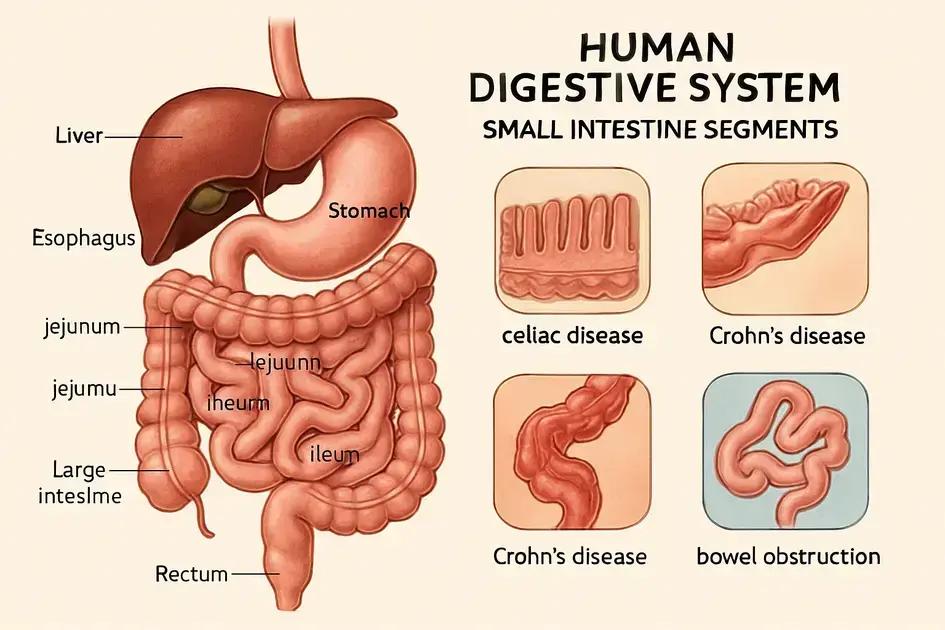
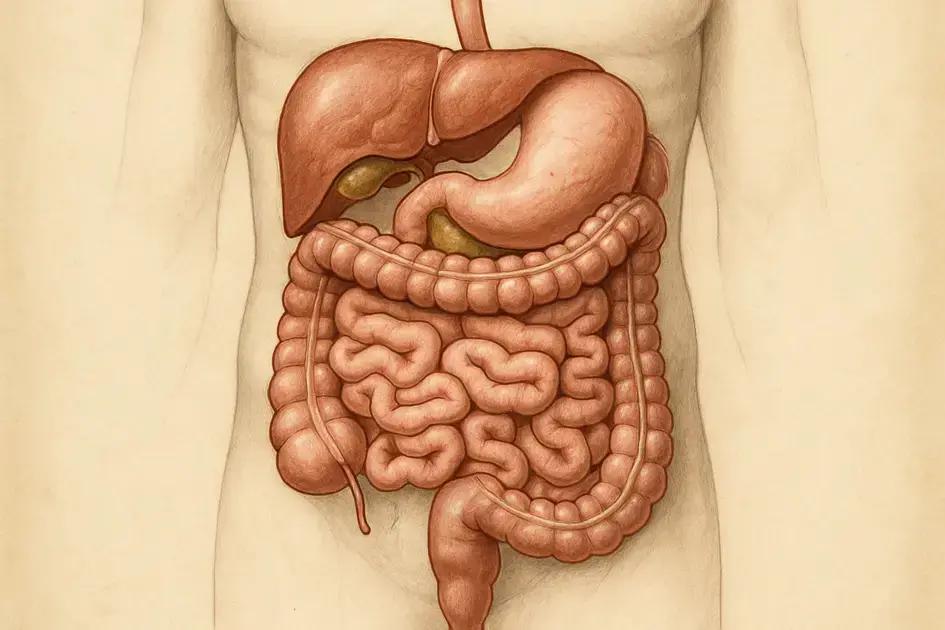
The small intestine plays a vital role in our digestive system. Located between the stomach and the large intestine, it is where most of the digestion and absorption of nutrients occurs. The small intestine is divided into three parts: the duodenum, jejunum, and ileum.
Functions of the Small Intestine
In the small intestine, food is mixed with digestive juices from the pancreas and bile from the liver. These fluids help break down food into smaller, absorbable components. Carbohydrates, proteins, and fats are converted into their simplest forms: sugars, amino acids, and fatty acids, respectively.
Nutrient Absorption
The walls of the small intestine are lined with tiny hair-like structures called villi. These villi increase the surface area available for absorption, allowing nutrients to enter the bloodstream efficiently. Without a healthy small intestine, the body struggles to obtain the nutrients needed for energy, growth, and overall health.
Importance of Gut Health
Maintaining gut health is essential for effective digestion. Issues like inflammation, infections, or diseases can disrupt the small intestine’s function, leading to malabsorption and various health issues. Regular check-ups and a diet rich in fiber, fruits, and vegetables help keep the small intestine functioning properly.

Common diseases affecting the small intestine

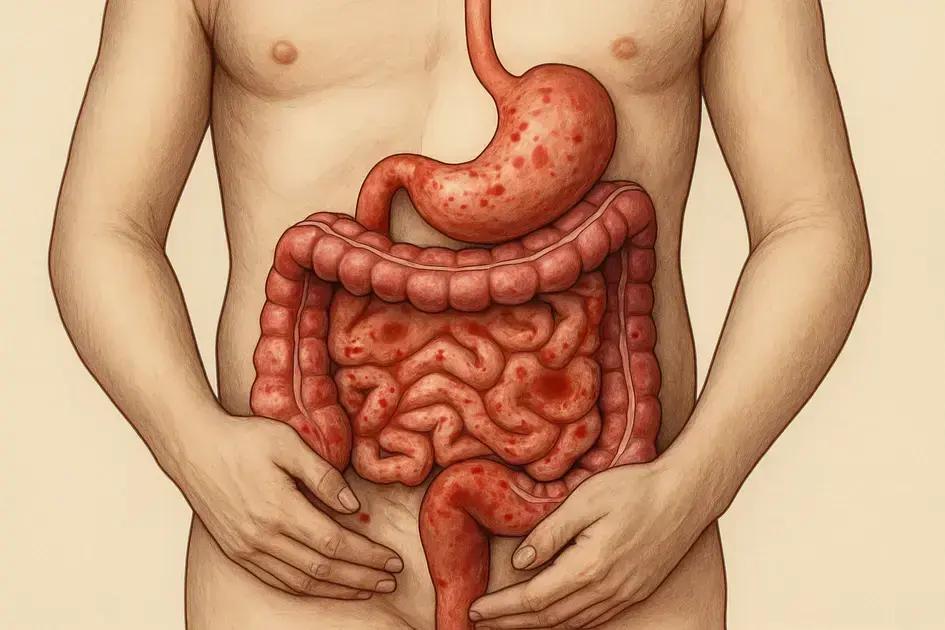
Various diseases can affect the small intestine, impacting digestion and overall health. Understanding these conditions is crucial for recognizing symptoms and seeking timely treatment.
Celiac Disease
Celiac disease is an autoimmune disorder where the ingestion of gluten leads to damage in the small intestine. Symptoms often include abdominal pain, bloating, diarrhea, and fatigue. It’s important for individuals with this condition to avoid gluten entirely.
Crohn’s Disease
Crohn’s disease is a type of inflammatory bowel disease (IBD) that can affect any part of the gastrointestinal tract, including the small intestine. Symptoms can vary but often include abdominal cramps, weight loss, and severe diarrhea. Treatment usually involves medication to reduce inflammation and manage symptoms.
Small Intestinal Bacterial Overgrowth (SIBO)
SIBO occurs when there is an excessive growth of bacteria in the small intestine. This condition can lead to symptoms such as bloating, gas, and diarrhea. Treatment may involve antibiotics and dietary changes to restore balance in the gut.
Intestinal Obstruction
Intestinal obstruction can occur in the small intestine due to various factors, including scar tissue, tumors, or hernias. Symptoms typically include severe abdominal pain, vomiting, and inability to pass gas or stool. Immediate medical attention is often required.
Food Intolerances
Some individuals experience food intolerances that affect their small intestine. Common intolerances include lactose intolerance and fructose intolerance. Symptoms can include bloating, gas, and gastrointestinal discomfort after consuming specific foods.

Symptoms of small intestine disorders
Recognizing the symptoms of small intestine disorders is essential for early diagnosis and treatment. These symptoms can vary widely depending on the specific condition affecting the small intestine.
Common Symptoms
Some common symptoms include:
- Abdominal Pain: This can range from mild to severe and may be sharp, cramping, or dull.
- Bloating: A feeling of fullness or swelling in the abdomen, often accompanied by discomfort.
- Diarrhea: Frequent, loose, or watery stools can indicate issues with nutrient absorption or inflammation.
- Nausea and Vomiting: These can occur alongside other symptoms, often due to irritation in the intestines.
- Weight Loss: Unintended weight loss may occur if the body cannot absorb nutrients properly.
- Fatigue: A general feeling of tiredness can arise from malabsorption or dehydration.
Specific Disorders and Their Symptoms
If a specific disorder is present, such as celiac disease, symptoms like a rash or joint pain might also appear. In the case of Crohn’s disease, symptoms can include fever and significant weight loss.
Recognizing these various symptoms and informing a healthcare provider can lead to effective management and treatment.
Celiac disease: causes and symptoms
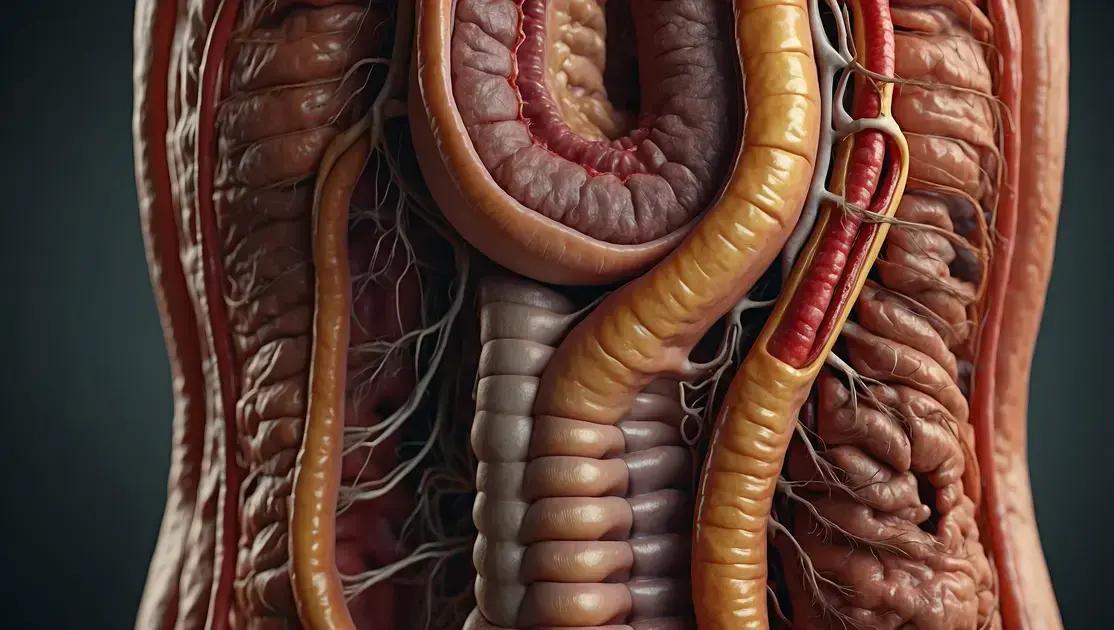
Celiac disease is a serious autoimmune disorder that affects the small intestine. It occurs when the ingestion of gluten, a protein found in wheat, barley, and rye, triggers an immune response that damages the lining of the small intestine.
Causes of Celiac Disease
The exact cause of celiac disease is still not completely understood. However, several factors can contribute to its development:
- Genetics: Celiac disease often runs in families. Individuals with a first-degree relative with the disease are at a higher risk.
- Immune System: An abnormal reaction of the immune system to gluten is the leading cause. This reaction causes inflammation and damage to the intestinal lining.
- Environmental Factors: Certain factors, such as gastrointestinal infections, can trigger celiac disease in genetically predisposed individuals.
Symptoms of Celiac Disease
Symptoms of celiac disease can vary widely among individuals and can affect various systems in the body. Common symptoms include:
- Abdominal Pain: Many people experience discomfort or pain in the abdomen after consuming gluten-containing foods.
- Bloating: A common symptom is feeling bloated or excessively full.
- Diarrhea: Frequent, loose, and watery stools can indicate malabsorption from intestinal damage.
- Fatigue: Individuals may feel unusually tired due to nutrient deficiencies caused by malabsorption.
- Skin Rash: Some people develop a rash, known as dermatitis herpetiformis, which is related to celiac disease.
If you suspect that you or someone you know might have celiac disease, it is crucial to consult a healthcare provider for testing and diagnosis.
Crohn’s disease: what to look out for
Crohn’s disease is a type of inflammatory bowel disease (IBD) that can affect any part of the gastrointestinal tract, but it primarily impacts the small intestine. Understanding what to look out for can help in early diagnosis and effective management.
Common Symptoms
Symptoms of Crohn’s disease can vary widely among individuals, but common ones include:
- Abdominal Pain: Persistent pain or cramping in the abdomen is a frequent complaint among those with Crohn’s disease.
- Diarrhea: Frequent, watery stools may occur, sometimes leading to dehydration.
- Fatigue: Many individuals experience extreme tiredness due to inflammation and nutrient deficiencies.
- Weight Loss: Unintended weight loss can result from poor nutrient absorption.
- Fever: A low-grade fever may indicate inflammation in the intestines.
- Visible Symptoms: In some cases, inflammatory masses or ulcers may appear on the skin or in the anal area.
Long-Term Risks
People with Crohn’s disease should also be aware of potential long-term complications, such as:
- Intestinal Blockages: Scar tissue can lead to obstructions in the bowel.
- Fistulas: These are abnormal connections between the intestine and other organs or the skin.
- Nutritional Deficiencies: Malabsorption issues can lead to deficiencies in important vitamins and minerals.
It is essential to consult a healthcare provider if you notice any of these symptoms. Early intervention can help manage Crohn’s disease effectively.

Irritable bowel syndrome (IBS) explained

Irritable Bowel Syndrome (IBS) is a common gastrointestinal disorder that affects the large intestine. It is characterized by a combination of symptoms that can vary widely among individuals.
Symptoms of IBS
Common symptoms associated with IBS include:
- Abdominal Pain: Cramping or discomfort is often felt in the abdomen and may vary in intensity.
- Bloating: Many individuals with IBS experience a feeling of fullness or swelling in the abdomen.
- Diarrhea: Some may have frequent loose stools, while others experience episodes of constipation.
- Gas: Excessive gas can lead to discomfort and bloating for those with IBS.
Causes of IBS
The exact cause of IBS is not fully understood, but several factors may contribute:
- Gut-Brain Interaction: The communication between the gut and the brain may be affected, leading to the symptoms of IBS.
- Diet: Certain foods and beverages can trigger symptoms, including spicy foods, dairy products, and beverages high in caffeine.
- Stress: Emotional stress can worsen symptoms of IBS.
Management and Treatment
Managing IBS often involves dietary changes, such as reducing the intake of trigger foods. Some individuals find relief through fiber supplements, medications, or stress management techniques.
It is important to consult a healthcare provider to develop a personalized treatment plan for IBS.
Bacterial overgrowth in the small intestine
Bacterial overgrowth in the small intestine occurs when there is an excessive number of bacteria in the small intestine. This condition can disrupt normal digestive processes and lead to a variety of symptoms.
Causes of Bacterial Overgrowth
Several factors can contribute to bacterial overgrowth:
- Motility Issues: Conditions that slow down the movement of food through the intestines can allow bacteria to multiply.
- Fistulas: Abnormal connections between the small intestine and other organs can introduce bacteria into the small intestine.
- Altered Anatomy: Surgical procedures that change the structure of the intestines can enhance the risk of overgrowth.
Symptoms of Bacterial Overgrowth
The symptoms of bacterial overgrowth may include:
- Bloating: Many people experience a feeling of fullness and swelling in the abdomen.
- Diarrhea: Frequent, loose stools are common, often accompanied by abdominal discomfort.
- Fatigue: Lack of nutrient absorption can lead to feelings of tiredness.
- Nutrient Deficiencies: Malabsorption can result in deficiencies of essential vitamins and minerals.
Diagnosis and Treatment
Diagnosis usually involves breath tests or analysis of the small intestine fluid. Treatment may include antibiotics to reduce bacterial levels, dietary changes, and sometimes medications to enhance intestinal motility.
Consulting a healthcare provider is essential for proper diagnosis and treatment.
Signs of food intolerances

Food intolerances can cause various symptoms that impact daily life. It is important to recognize these signs to manage diet and health effectively.

Common Signs of Food Intolerances
The symptoms of food intolerances can vary, but they often include:
- Digestive Issues: Common complaints include bloating, gas, diarrhea, and constipation after consuming certain foods.
- Abdominal Pain: Discomfort in the stomach area can occur, often within a few hours of eating.
- Fatigue: A feeling of extreme tiredness may arise, particularly after eating trigger foods.
- Headaches: Some individuals experience headaches or migraines that correlate with specific food consumption.
- Skin Reactions: Rashes, hives, or eczema may develop in response to food intolerances.
Common Food Triggers
Several foods are known to commonly cause intolerances:
- Lactose: Found in dairy products, lactose intolerance can lead to gastrointestinal symptoms.
- Gluten: Present in wheat products, gluten can affect individuals with gluten sensitivity.
- Fructose: Certain fruits and sweeteners containing fructose can trigger reactions in sensitive individuals.
When to Seek Help
If you notice these signs consistently after consuming certain foods, it is advisable to consult with a healthcare provider. They can help identify the specific intolerances and guide dietary adjustments.
Small intestine tumors: types and risks
Small intestine tumors are growths that can develop in the small intestine and can be benign (non-cancerous) or malignant (cancerous). Understanding the types and risks associated with these tumors is essential for early detection and treatment.
Types of Small Intestine Tumors
There are several types of tumors that can occur in the small intestine:
- Adenocarcinoma: This is the most common type of small intestine cancer. It forms in the lining of the small intestine and is often aggressive.
- Carcinoid Tumors: These tumors develop from neuroendocrine cells and may release hormones that cause symptoms such as flushing and diarrhea.
- Lymphoma: This type of tumor arises from lymphatic tissue and can develop in the small intestine, often presenting with abdominal pain and weight loss.
- Gastrointestinal Stromal Tumors (GISTs): These tumors originate from interstitial cells of Cajal, and while rare, they can be malignant.
Risk Factors for Small Intestine Tumors
Several factors may increase the risk of developing tumors in the small intestine:
- Age: The risk increases with age, particularly in individuals over 60.
- Genetic Syndromes: Conditions like familial adenomatous polyposis (FAP) and Lynch syndrome increase the likelihood of small intestine tumors.
- Inflammatory Bowel Disease: Chronic conditions such as Crohn’s disease can increase the risk of tumor development.
- Diet: A diet high in fats and low in fiber may also contribute to the risk.
Regular check-ups and awareness of symptoms such as unexplained weight loss, abdominal pain, or changes in bowel habits are important for early detection. If you have concerns, consulting a healthcare provider is recommended.
How infections impact the small intestine

Infections of the small intestine can disrupt normal digestive processes and lead to various health issues. These infections may be caused by bacteria, viruses, or parasites, affecting how the body absorbs nutrients.
Common Types of Infections
Several types of infections can impact the small intestine:
- Bacterial Infections: Bacteria like Salmonella, Escherichia coli (E. coli), and Campylobacter can cause foodborne illnesses leading to inflammation and discomfort.
- Viral Infections: Viruses such as norovirus and rotavirus are known to cause gastroenteritis, leading to symptoms like vomiting and diarrhea.
- Parasitic Infections: Parasites like Giardia can invade the small intestine, causing diarrhea and abdominal pain.
Symptoms of Small Intestinal Infections
Symptoms of infections can include:
- Diarrhea: Frequent, watery stools are common in infections.
- Abdominal Pain: Cramping or discomfort may occur, often associated with diarrhea.
- Nausea and Vomiting: These symptoms can accompany other signs of infection.
- Fever: An increase in body temperature may occur as the body fights the infection.
Impact on Nutrient Absorption
Infections can lead to malabsorption, where the body cannot properly absorb carbohydrates, proteins, fats, and other nutrients. This can result in deficiencies and long-term health issues. Recurrent infections can further complicate matters, leading to chronic digestive problems.
If you suspect an infection, it’s important to seek medical attention for proper diagnosis and treatment.
Diagnosing small intestine conditions
Diagnosing small intestine conditions requires a thorough understanding of symptoms and a range of diagnostic tests to determine the underlying issue. Proper diagnosis is essential for effective treatment and management.
Common Symptoms to Watch For
Symptoms of small intestine disorders can vary widely. Some common signs include:
- Abdominal Pain: Cramping or discomfort is often reported.
- Bloating: A feeling of fullness or swelling after eating is also common.
- Diarrhea: Frequent, loose stools may indicate a problem.
- Nausea and Vomiting: These symptoms can occur, especially after meals.
- Weight Loss: Unexplained weight loss may be a sign of malabsorption.
Diagnostic Tests
To diagnose conditions affecting the small intestine, healthcare providers may recommend several tests:
- Endoscopy: This procedure involves inserting a flexible tube with a camera down the throat to visualize the small intestine.
- Biopsy: During an endoscopy, small tissue samples may be taken for lab analysis to check for diseases like celiac disease or cancer.
- Imaging Tests: CT scans or MRIs can provide detailed images of the small intestine to identify abnormalities.
- Breath Tests: These tests can help diagnose conditions like bacterial overgrowth or lactose intolerance by measuring gases in the breath.
Consulting a Healthcare Provider
If you experience persistent symptoms related to the small intestine, it is essential to consult a healthcare provider. They can guide you through the diagnostic process and recommend appropriate tests based on your symptoms and medical history.
Effective treatments for small intestine diseases

Treating small intestine diseases effectively requires a comprehensive approach that may include medication, dietary changes, and sometimes surgical interventions. The exact treatment plan will depend on the specific condition diagnosed.
Common Treatments
Here are some common treatments based on the type of small intestine disease:
- Medications: For conditions like inflammatory bowel disease (IBD), medications such as corticosteroids and immunosuppressants may be prescribed to reduce inflammation and manage symptoms.
- Antibiotics: For bacterial overgrowth or infections, antibiotics may be used to eliminate harmful bacteria in the small intestine.
- Enzymes: In cases of malabsorption, enzyme supplements may aid in the digestion of food, helping the body absorb nutrients more effectively.
- Dietary Changes: Implementing a specialized diet can be crucial. For instance, individuals with celiac disease must eliminate gluten from their diets, while those with lactose intolerance may need to avoid dairy products.
Surgical Options
In severe cases of small intestine diseases, surgical intervention may be necessary:
- Resection: This procedure involves the removal of a damaged segment of the small intestine, which can provide relief from symptoms caused by obstructions or tumors.
- Strictureplasty: This technique widens narrowed areas of the intestine without removing any part of it, improving the passage of food.
Consulting a Healthcare Provider
It is important to work closely with a healthcare provider to determine the most effective treatment plan. Early diagnosis and management can greatly improve outcomes for individuals with small intestine diseases.
Dietary changes for better gut health
Making dietary changes can significantly improve gut health and help prevent various gastrointestinal issues. A balanced diet supports the function of the small intestine and can reduce inflammation.
Foods to Include
Incorporating certain foods into your diet can promote a healthier gut:
- Fruits and Vegetables: These are rich in fiber, vitamins, and minerals. Fiber helps maintain regular bowel movements and nourishes beneficial gut bacteria.
- Whole Grains: Foods like oats, brown rice, and quinoa are excellent sources of fiber that help improve digestion.
- Probiotics: Foods like yogurt, kefir, and fermented vegetables (e.g., sauerkraut, kimchi) contain live bacteria that can enhance gut flora and boost digestive health.
- Healthy Fats: Sources of healthy fats, such as olive oil, avocados, and nuts, can help reduce inflammation in the digestive tract.
Foods to Avoid
Some foods can disrupt gut health and should be minimized or avoided:
- Processed Foods: Foods high in sugar and unhealthy fats may promote gut inflammation and reduce the diversity of gut bacteria.
- High-Fat Dairy: Some individuals may find that high-fat dairy products can cause discomfort and bloating.
- Artificial Sweeteners: These can negatively impact gut microbiota and may lead to digestive issues.
Staying Hydrated
Drinking plenty of water is crucial for maintaining gut health. Adequate hydration helps with digestion and helps the body absorb nutrients.
Consulting with a healthcare provider or a registered dietitian can help you create a personalized dietary plan that supports your specific gut health needs.
Recognizing when to see a doctor

Knowing when to see a doctor about small intestine issues is essential for maintaining health. Certain symptoms may indicate a serious problem that requires medical attention.
Common Symptoms to Consider
If you experience any of the following symptoms, it may be time to consult a healthcare provider:
- Persistent Abdominal Pain: If the pain lasts for more than a few days or becomes severe, it’s important to seek medical help.
- Changes in Bowel Habits: If you notice blood in your stool, diarrhea that lasts longer than two days, or constipation that does not improve, see a doctor.
- Unexplained Weight Loss: Losing weight without trying can be a sign of malabsorption or other serious conditions.
- Persistent Nausea or Vomiting: If nausea or vomiting continues for more than a day or is accompanied by severe abdominal pain, medical evaluation is needed.
- Signs of Dehydration: If you experience excessive thirst, dry mouth, or little to no urination, it’s important to seek medical advice.
Consulting a Healthcare Provider
It’s always better to err on the side of caution. If you’re unsure whether your symptoms warrant a visit to the doctor, don’t hesitate to call for advice. They can help guide you on the next steps based on your symptoms and health history.
Preventive measures for small intestine health
Maintaining a healthy small intestine is vital for overall digestive health and well-being. Implementing preventive measures can help reduce the risk of developing gastrointestinal issues.
Healthy Eating Habits
Adopting a balanced diet is one of the most effective preventive measures. Focus on:
- Fiber-Rich Foods: Include plenty of fruits, vegetables, and whole grains in your diet. Fiber aids in digestion and helps prevent constipation.
- Probiotics: Incorporate foods rich in probiotics, such as yogurt and fermented foods, to support healthy gut bacteria.
- Limit Processed Foods: Try to avoid foods high in added sugars and unhealthy fats, which can lead to digestive problems.
Stay Hydrated
Drinking enough water is essential for digestion and helps with nutrient absorption. Aim for at least 8 glasses of water a day to keep your digestive system functioning well.
Regular Exercise
Engaging in regular physical activity promotes digestive health by helping to maintain a healthy weight and reducing the risk of developing gastrointestinal disorders. Aim for at least 30 minutes of moderate exercise most days of the week.
Avoid Smoking and Limit Alcohol
Smoking and excessive alcohol consumption can increase the risk of developing small intestine diseases. Consider quitting smoking and limiting alcohol intake to maintain a healthy digestive system.
Regular Check-ups
Having regular check-ups with a healthcare provider can help monitor your digestive health. Discuss any symptoms or concerns during these visits to catch potential issues early.
Living with small intestine disorders

Living with small intestine disorders can be challenging, but understanding how to manage symptoms and improve quality of life is crucial. Adopting a proactive approach can help individuals navigate daily life more comfortably.
Symptom Management
Managing symptoms is an essential part of living with small intestine disorders. Consider these strategies:
- Medications: Following a healthcare provider’s prescription for medications can help control symptoms and reduce inflammation.
- Dietary Adjustments: Eating a balanced diet tailored to individual dietary needs can reduce discomfort. Keeping a food diary to track which foods trigger symptoms can also be helpful.
- Hydration: Drinking plenty of water is important, especially if diarrhea is present. Staying hydrated can alleviate some symptoms and help digestion.
Emotional Support
Living with a chronic condition can be emotionally taxing. It’s important to seek support:
- Support Groups: Joining support groups can provide a sense of community and understanding. Sharing experiences with others can ease feelings of isolation.
- Therapy: Speaking with a mental health professional can help address emotional challenges and develop coping strategies.
Regular Check-ups
Regular visits to a healthcare provider are vital for monitoring the condition and adjusting treatment plans as needed. Open communication about symptoms and concerns can lead to better management of the disorder.
Staying Informed
Educating yourself about your specific condition can empower you to make informed decisions about your health. Understanding available treatments and lifestyle changes can lead to improved outcomes.
In summary, taking care of your small intestine health is vital
Living with small intestine disorders can be a challenge, but there are many ways to manage symptoms and improve your quality of life.
Making dietary adjustments, staying hydrated, and seeking emotional support can have a positive impact. Regular check-ups with your healthcare provider ensure that you stay on top of your health needs.
Staying informed about your condition and connecting with others who face similar challenges are important steps to feeling empowered. By being proactive, you can lead a fulfilling life even while managing small intestine disorders.
FAQ – Questions Frequently Asked About Living with Small Intestine Disorders
What are common symptoms of small intestine disorders?
Common symptoms include abdominal pain, bloating, diarrhea, nausea, and unexplained weight loss.
When should I see a doctor for small intestine issues?
You should see a doctor if you experience persistent abdominal pain, changes in bowel habits, or any other troubling symptoms.
How can I manage my symptoms at home?
You can manage symptoms by making dietary adjustments, staying hydrated, and taking prescribed medications as directed.
Are there any support groups for people with small intestine disorders?
Yes, many organizations offer support groups where individuals can share experiences and gain emotional support.
What dietary changes can improve gut health?
Incorporating fiber-rich foods, probiotics, and staying hydrated can significantly improve gut health.
How often should I have check-ups with my healthcare provider?
Regular check-ups are important; consult your healthcare provider to determine the frequency based on your specific condition.