Intestinal diseases can manifest through symptoms like abdominal pain, bloating, changes in bowel habits, and weight loss; managing these conditions involves dietary changes, probiotics, and regular medical check-ups.

What are the symptoms of intestinal disease? If you’ve ever experienced discomfort in the stomach or changes in your digestion, you might wonder how these signs relate to your overall health. In this article, we’ll explore various symptoms associated with intestinal diseases and discuss how they can impact your daily life.
Understanding intestinal disease
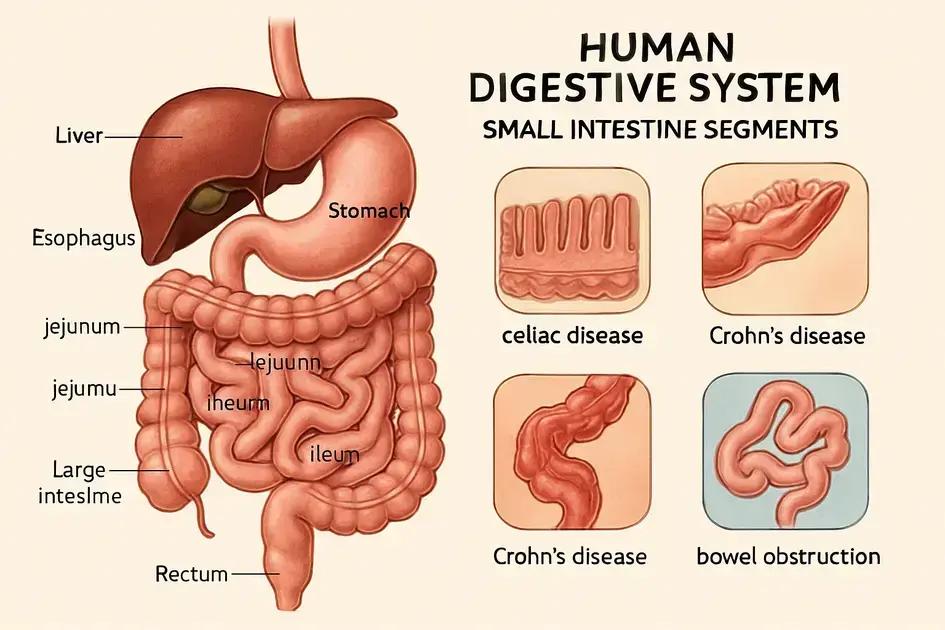
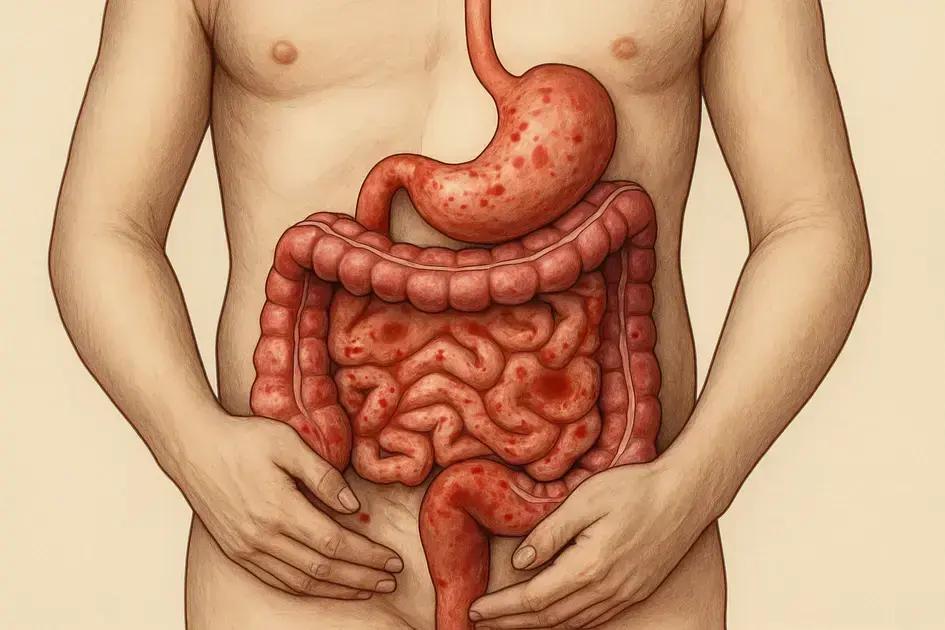
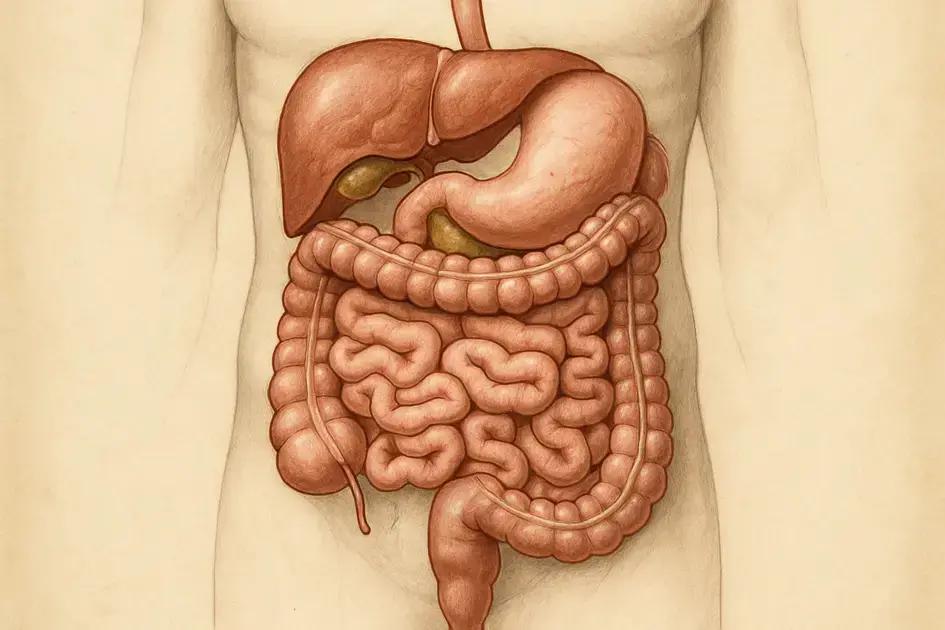
Understanding intestinal disease is crucial in recognizing the early signs and seeking timely medical help. Intestinal diseases can affect any part of the digestive tract, from the stomach to the rectum. Symptoms often vary, making awareness essential.
Common signs may include abdominal pain, bloating, and changes in bowel habits. These symptoms can be caused by various conditions such as irritable bowel syndrome (IBS), inflammatory bowel disease (IBD), or even infections. It is important to note that not all intestinal issues are serious, but understanding them can lead to quicker diagnosis and treatment.
Additionally, food intolerances and allergies can mimic intestinal disease symptoms. For example, lactose intolerance can cause bloating and pain after consuming dairy products, making it essential to identify the triggers.
Recognizing when to consult a healthcare professional is vital. If symptoms persist or worsen, or if you experience severe issues like rectal bleeding, unintentional weight loss, or persistent diarrhea, seeking medical attention is necessary.
In summary, being informed about the symptoms of intestinal disease helps you take proactive steps towards your health. Understanding these signs ensures that you can discuss them intelligently with your doctor and receive the appropriate care.
Common types of intestinal diseases

There are several common types of intestinal diseases that affect many individuals. Understanding these conditions can help in early detection and treatment. Here are a few of the most prevalent types:
1. Irritable Bowel Syndrome (IBS): This disorder causes symptoms like abdominal pain, bloating, and changes in bowel habits. IBS can fluctuate between constipation and diarrhea and is often triggered by diet or stress.
2. Inflammatory Bowel Disease (IBD): This term mainly includes two conditions: Crohn’s disease and ulcerative colitis. Both result in chronic inflammation of the digestive tract, leading to severe symptoms such as diarrhea, weight loss, and fatigue.
3. Celiac Disease: This is an autoimmune disorder where ingestion of gluten triggers damage to the small intestine. Symptoms may include diarrhea, bloating, and malabsorption of nutrients.
4. Diverticulitis: This condition occurs when small pouches in the intestinal wall become inflamed, causing pain and changes in bowel habits. A diet low in fiber can increase the risk of developing diverticulitis.

5. Gastroenteritis: Often referred to as a stomach virus, gastroenteritis causes inflammation of the stomach and intestines. Symptoms typically include vomiting and diarrhea, leading to dehydration if not managed properly.
Being aware of these common types of intestinal diseases helps individuals identify symptoms early and seek appropriate treatment. Regular check-ups can aid in the prevention and management of these conditions.
Key symptoms to watch for
Recognizing the key symptoms of intestinal disease is essential for early intervention and treatment. Many people may overlook these symptoms, thinking they are just temporary discomforts. However, paying attention to them can lead to important health decisions.
1. Abdominal Pain: This is one of the most common symptoms. It can range from mild cramping to severe pain. It’s important to note when the pain occurs and if it’s linked to eating.
2. Changes in Bowel Habits: This includes experiencing diarrhea, constipation, or a change in the frequency of visits to the bathroom. Sudden changes can indicate an underlying issue.
3. Bloating: This can make you feel excessively full or swollen. It is often accompanied by gas and can be uncomfortable.
4. Unexplained Weight Loss: Losing weight without trying can be a concerning sign. It might mean your body isn’t absorbing nutrients properly because of an intestinal issue.
5. Blood in Stool: This is a serious symptom that should not be ignored. Blood could indicate conditions like IBD or even colorectal cancer.
6. Fatigue: Feeling unusually tired can be a symptom of many conditions, including those related to intestinal health. It often links to nutrient deficiencies.
Being aware of these symptoms helps you to take action. If you experience one or more of these signs, it’s vital to consult a healthcare professional for evaluation and appropriate management.
How intestinal diseases are diagnosed

Diagnosing intestinal diseases involves several steps that help healthcare providers understand the underlying issues. The journey to diagnosis can vary widely depending on the symptoms presented.
1. Medical History: The doctor will start by asking about your medical history and the symptoms you experience. This includes details about the duration of symptoms, family history of intestinal diseases, and any other health conditions.

2. Physical Examination: A physical exam may be conducted to check for signs of distress. The doctor may palpate the abdomen to identify areas of tenderness.
3. Laboratory Tests: Blood tests and stool samples can provide key insights into your health. These tests can help detect infections, inflammation, or other abnormalities.
4. Imaging Studies: Imaging techniques like X-rays, CT scans, or ultrasounds may be used to visualize the intestines and identify blockages, inflammation, or structural abnormalities.
5. Endoscopy: This is a common procedure where a flexible tube with a camera is inserted through the mouth or rectum to view the digestive tract directly. It allows doctors to take biopsies for further testing.
6. Biopsy: A biopsy involves taking a small sample of tissue for laboratory analysis. This helps in confirming conditions like IBD or infections.
Through these diagnostic steps, doctors can accurately identify intestinal diseases and recommend appropriate treatment plans based on individual needs. Timely diagnosis is key to effective management of these conditions.

Importance of seeking medical help
The importance of seeking medical help when experiencing symptoms of intestinal disease cannot be overstated. Early intervention can make a significant difference in treatment outcomes.
1. Timely Diagnosis: Many intestinal conditions, like inflammatory bowel disease or celiac disease, require timely diagnosis for effective management. Delaying medical attention can lead to worsening symptoms and complications.
2. Preventing Complications: Some intestinal diseases can lead to serious complications if not treated promptly. For example, untreated diverticulitis can result in abscesses or perforation of the intestine, which may require surgery.
3. Managing Symptoms: Seeking help allows for symptom management, which can greatly improve your quality of life. Doctors can provide treatments, medications, and dietary recommendations tailored to your specific condition.
4. Educating Yourself: Meeting with healthcare professionals helps you understand your condition better. They can offer valuable information and resources, making you feel empowered to manage your health.
5. Access to Support: Medical professionals can connect you with support groups and resources for patients with similar conditions. This community support can be vital in coping with the challenges of living with an intestinal disease.
Overall, taking the step to seek medical help not only influences your health journey positively but also offers peace of mind as you navigate the complexities of intestinal diseases.
Managing symptoms effectively

Managing symptoms effectively is crucial for individuals dealing with intestinal diseases. Addressing symptoms can improve your quality of life and help maintain overall health.
1. Dietary Changes: One of the most effective ways to manage symptoms is through dietary adjustments. Foods that trigger symptoms should be identified and minimized. For instance, those with lactose intolerance may need to avoid dairy products, while individuals with IBS may benefit from a low-FODMAP diet.
2. Medication: Various medications can help manage symptoms. Antispasmodics may relieve abdominal pain, while anti-diarrheal medications can help those experiencing frequent trips to the bathroom. It’s essential to work with a healthcare provider to find the right medications for your condition.
3. Stress Management: Stress can exacerbate symptoms of intestinal diseases. Techniques such as mindfulness, yoga, and meditation can help keep stress levels in check. Understanding triggers and practicing stress-reducing techniques can significantly improve symptoms.
4. Regular Exercise: Physical activity can promote digestive health and reduce symptoms like bloating. Aiming for regular, moderate exercise can help keep your body functioning well. Even simple activities like walking can make a difference.
5. Keeping a Symptom Diary: Tracking symptoms can provide valuable insights. By noting when certain symptoms occur and what you ate, you may identify patterns that help in managing your condition more effectively.
6. Regular Check-Ups: Maintaining regular appointments with your healthcare provider ensures any changes in your condition are monitored and managed accordingly. Open communication about symptom management strategies is vital.
Dietary changes for intestinal health
Dietary changes for intestinal health play a vital role in managing and preventing various intestinal diseases. Making intentional food choices can improve gut function and overall well-being.
1. Increase Fiber Intake: A diet rich in fiber from fruits, vegetables, and whole grains promotes regular bowel movements. This reduces the risk of constipation and helps maintain a healthy digestive system.
2. Stay Hydrated: Drinking enough water is essential for digestive health. Proper hydration helps dissolve nutrients and fiber, making it easier for your body to absorb them.
3. Limit Processed Foods: Food high in additives and preservatives can irritate the gut. Instead, focus on whole foods that are minimally processed. Fresh fruits, vegetables, and lean proteins can be beneficial.
4. Identify Food Triggers: Keep a food diary to recognize which foods might trigger your symptoms. Common culprits include dairy, gluten, and certain fermentable carbohydrates (FODMAPs).
5. Incorporate Probiotics: Foods rich in probiotics, such as yogurt, kefir, and fermented vegetables, can help maintain a healthy balance of gut bacteria. This balance is crucial for digestion and overall gut health.
6. Moderate Fat Intake: Opt for healthy fats, like those found in avocados, nuts, and olive oil. These fats can provide energy without causing digestive discomfort associated with greasy or fried foods.
7. Plan Balanced Meals: Each meal should include a mix of carbohydrates, proteins, and fats. This balance helps in the efficient functioning of the digestive system.
Making these dietary changes can significantly impact your intestinal health. Always consult with a healthcare professional or a dietitian before making major dietary shifts, especially if you have existing health concerns.
When to see a doctor

Knowing when to see a doctor for intestinal issues is important for maintaining your health. Some symptoms may resolve on their own, but others could indicate a more serious condition that needs medical attention.
1. Persistent Symptoms: If you experience symptoms like abdominal pain, bloating, or changes in bowel habits that last for more than a few days, it’s time to consult a healthcare professional.
2. Severe Pain: Acute abdominal pain that is severe, sudden, or worsens over time should not be ignored. It could be a sign of an underlying condition that requires urgent care.
3. Blood in Stool: Any presence of blood in your stool, whether bright red or dark, is a serious symptom. It can indicate conditions like ulcers or colorectal cancer and should be addressed immediately.
4. Unintentional Weight Loss: Losing weight without trying can be a red flag for many health issues. If you notice significant weight loss, seek medical advice to rule out any serious conditions.
5. Chronic Diarrhea or Constipation: Experiencing ongoing diarrhea or constipation that does not improve with dietary changes may require medical evaluation to identify the cause.
6. Symptoms of Dehydration: If you have persistent diarrhea or vomiting, watch for signs of dehydration, such as dry mouth, dizziness, or reduced urine output. This situation may need immediate medical attention.
7. Family History: If you have a family history of digestive diseases or colorectal cancer, it is essential to discuss this with your doctor, even if you are not currently experiencing symptoms.
Being proactive about your health by recognizing these signs can lead to early diagnosis and treatment, improving the outcome of any intestinal conditions.
Home remedies for symptoms
Home remedies for symptoms of intestinal diseases can offer relief and support while you manage your condition. Many individuals find that natural approaches can complement medical treatments effectively.
1. Ginger Tea: Ginger has anti-inflammatory properties that can help soothe the stomach. Drinking ginger tea may reduce nausea and bloating. To prepare, steep fresh ginger slices in hot water for about 10 minutes.
2. Peppermint: Peppermint is known to ease digestive discomfort. You can enjoy peppermint tea or suck on peppermint candies to help relieve symptoms like bloating and gas.
3. Chamomile Tea: Chamomile is another calming herb that can help with digestive issues. Drinking chamomile tea may help relax the muscles of the intestines, providing relief from cramping.
4. Probiotics: Incorporating foods rich in probiotics, such as yogurt, kefir, and fermented vegetables, can promote healthy gut bacteria. This balance can help improve digestion and reduce symptoms.
5. Apple Cider Vinegar: Mixing one tablespoon of apple cider vinegar in a glass of water may aid digestion and alleviate bloating. Consume this mixture before meals for the best results.
6. Heat Therapy: Applying a heating pad or warm water bottle to the abdomen can relieve discomfort and cramping associated with various intestinal issues.
7. Hydration: Staying adequately hydrated helps with digestion and alleviates constipation. Drinking plenty of water throughout the day is essential for digestive health.
While home remedies can provide comfort, they should not replace professional medical advice. Always consult your healthcare provider before trying new remedies, especially if you have a pre-existing condition.
Long-term management strategies

Long-term management strategies for intestinal diseases focus on maintaining digestive health and preventing symptoms from recurring. Implementing these strategies can lead to a better quality of life.
1. Regular Medical Check-Ups: Schedule regular visits with your healthcare provider. Monitoring your condition can help identify any changes early and adjust your management plan accordingly.
2. Dietary Management: Continue to follow a balanced diet rich in fiber, whole grains, fruits, and vegetables. Identify and avoid foods that trigger your symptoms to maintain optimal digestive health.
3. Stress Reduction: Since stress can worsen intestinal symptoms, incorporating stress management techniques such as yoga, meditation, or deep breathing exercises into your routine can be beneficial.
4. Regular Exercise: Engaging in regular physical activity helps to keep your digestive system functioning well. Aim for at least 30 minutes of moderate exercise most days of the week.
5. Medication Adherence: If prescribed medications, take them as directed by your healthcare provider. Discuss any side effects or concerns you may have with your doctor.
6. Stay Informed: Educate yourself about your condition. Understanding your intestinal disease can empower you to make informed decisions about your health and management strategies.
7. Support Networks: Connect with support groups or online communities. Sharing your experiences and learning from others can provide emotional support and practical advice.
By prioritizing these long-term management strategies, you can better control your intestinal health and improve your overall well-being.
Preventing intestinal disease
Preventing intestinal disease involves adopting healthy lifestyle choices and being aware of factors that contribute to digestive health. Implementing these strategies can help reduce the risk of developing intestinal issues.
1. Maintain a Balanced Diet: Eating a diet rich in fruits, vegetables, whole grains, and lean proteins can provide essential nutrients that promote gut health. Fiber is particularly important as it supports regular bowel movements.
2. Stay Hydrated: Drinking plenty of water helps maintain digestive health. Adequate hydration is vital for digestion and can help prevent constipation.
3. Exercise Regularly: Engaging in regular physical activity can promote healthy digestion and prevent weight gain, which is linked to various digestive disorders. Aim for at least 30 minutes of moderate exercise most days.
4. Limit Processed Foods: Reducing the intake of processed foods that are high in sugar, fat, and additives can decrease the risk of developing intestinal diseases. Focus on whole, minimally processed options instead.
5. Manage Stress: High-stress levels can impact digestive health. Finding ways to manage stress, such as through yoga, meditation, or deep breathing exercises, can have beneficial effects on your gut.
6. Avoid Smoking: Smoking has been linked to various health problems, including digestive issues. Quitting smoking can significantly improve your overall health and reduce the risk of intestinal disease.
7. Regular Screenings: If you have a family history of intestinal diseases or are at higher risk, consider regular screenings, such as colonoscopies, to catch any potential issues early.
By adopting these preventive measures, individuals can take a proactive approach to their digestive health, enhancing their overall well-being.
Understanding the gut-brain connection
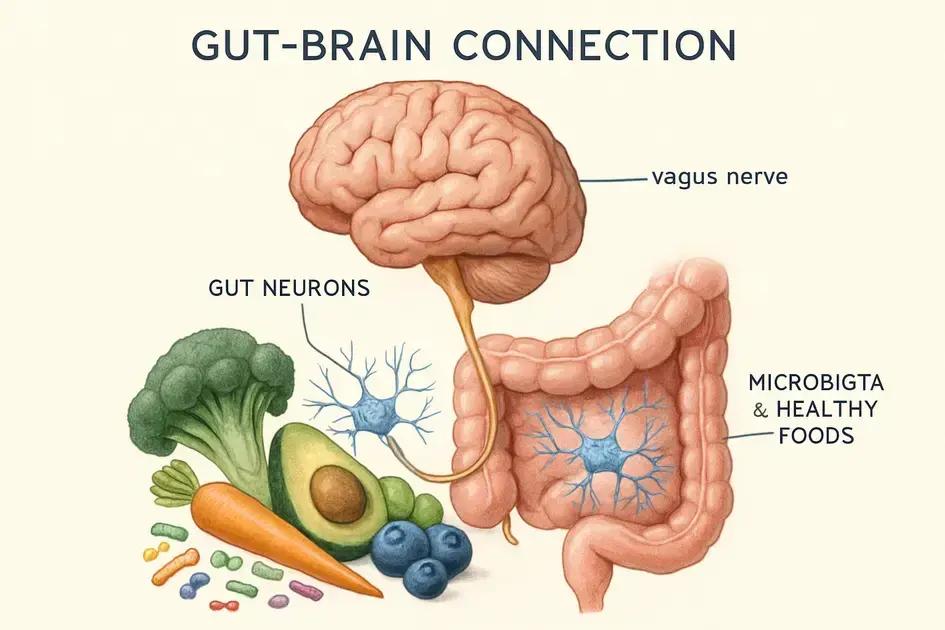
Understanding the gut-brain connection is an essential aspect of health that highlights how our digestive system and brain communicate with each other. This connection plays a significant role in both physical and mental well-being.
1. The Gut as the “Second Brain”: The gut contains millions of neurons, which is why it is often referred to as the “second brain.” This complex system can influence feelings, thoughts, and mental clarity.
2. Role of Gut Microbiota: The gut microbiota, which consists of trillions of bacteria, can impact brain function. A balanced microbiome is crucial for producing neurotransmitters like serotonin, which regulates mood. A healthy gut can lead to a healthier mind.
3. Stress and Gut Health: Stress can disrupt the balance of gut bacteria, leading to digestive problems and mental health issues. Stress management techniques, such as meditation and exercise, can help improve both gut and brain health.
4. The Vagus Nerve: The vagus nerve is the main pathway connecting the gut and the brain. This nerve carries signals from the gut to the brain, influencing emotional responses as well as physical health. Stimulating the vagus nerve can promote relaxation and better gut function.
5. Diet’s Impact: What we eat greatly affects our gut health, which in turn influences brain health. A diet rich in fruits, vegetables, and probiotics can enhance gut microbiota, leading to improved mood and cognitive function.
6. Gut Health and Mental Health Disorders: Studies have shown a link between gut health and various mental health disorders, including anxiety and depression. Improving digestive health may help alleviate some symptoms associated with these conditions.
Understanding the gut-brain connection underscores the importance of maintaining both physical and mental health through diet, lifestyle choices, and stress management.
The role of probiotics in gut health
The role of probiotics in gut health is vital for maintaining a balanced and healthy digestive system. Probiotics are live microorganisms that can provide numerous health benefits when consumed in adequate amounts.
1. What are Probiotics? Probiotics are often referred to as “good bacteria” because they help maintain the natural balance of organisms in the intestines. They can be found in various foods and supplements.
2. Benefits of Probiotics: Probiotics support gut health by improving digestion and preventing gastrointestinal issues such as diarrhea, constipation, and irritable bowel syndrome (IBS). They may also help restore gut flora after antibiotic use.
3. Strengthening the Immune System: By enhancing gut health, probiotics also play a crucial role in boosting the immune system. A healthy gut microbiome supports the body’s ability to fend off infections and diseases.
4. Sources of Probiotics: Probiotics can be found in fermented foods such as yogurt, kefir, sauerkraut, kimchi, and miso. These foods not only provide probiotics but also other nutrients beneficial for health.
5. Different Strains, Different Benefits: Various strains of probiotics serve different functions. For example, Lactobacillus can aid in lactose digestion, while Bifidobacterium helps with gut health. Choosing a probiotic that fits specific health needs is essential.
6. Considerations When Taking Probiotics: While probiotics are generally safe, it is important to choose high-quality products and consult with a healthcare provider, especially if you have underlying health issues.
7. Individual Variation: Everyone’s gut microbiome is unique, so probiotics may affect individuals differently. It may take time to find the right strain or dosage that works best for you.
Incorporating probiotics into your diet can provide substantial health benefits and improve gut function, contributing positively to overall health.
Latest research on intestinal diseases

Latest research on intestinal diseases is crucial for understanding their causes, developing new treatments, and improving patient outcomes. Ongoing studies are continuously revealing important insights into various intestinal conditions.
1. Microbiome Studies: Recent research emphasizes the role of the gut microbiome in intestinal health. Studies have shown that a diverse microbiome can protect against conditions like inflammatory bowel disease (IBD) and irritable bowel syndrome (IBS). Scientists are exploring how restoring a healthy microbiome may alleviate symptoms and improve overall gut function.
2. Genetic Factors: New advances in genetics have allowed researchers to identify specific genes associated with certain intestinal diseases. Understanding genetic predisposition can facilitate early diagnosis and tailored treatment plans.
3. Novel Treatments: Researchers are developing new biologic therapies aimed at targeting the underlying causes of diseases like Crohn’s disease and ulcerative colitis. These targeted therapies may offer more effective and less invasive treatment options for patients.
4. Role of Inflammation: Research continues to explore how inflammation impacts intestinal diseases. Studies suggest that managing chronic inflammation can reduce symptoms and improve quality of life for those with various gastrointestinal disorders.
5. Dietary Interventions: Investigations into the effects of diet on intestinal diseases have gained traction. Studies show that specific dietary patterns, like low-FODMAP diets, can help manage symptoms of IBS and other conditions.
6. Psychological Impact: The connection between mental health and intestinal diseases is becoming clearer. Current research is focusing on how stress and anxiety can exacerbate gut conditions, highlighting the need for integrated treatment approaches.
7. Clinical Trials: Many clinical trials are underway to test new medications and therapies for intestinal diseases. Participating in these trials can provide patients with access to cutting-edge treatments while contributing to the larger body of research.
Overall, staying informed about the latest research on intestinal diseases can empower patients and healthcare providers alike to make better informed decisions about treatment and management options.
Patient stories and experiences
Patient stories and experiences offer valuable insights into living with intestinal diseases. Sharing these personal narratives can foster understanding, support, and hope for others facing similar challenges.
1. Real-Life Experiences: Hearing from patients about their journeys can provide comfort. Many patients discuss how they navigated their diagnosis, treatment, and daily life adjustments after receiving an intestinal disease diagnosis.
2. Coping Strategies: Patients often share effective coping strategies they have developed. This might include dietary changes, stress management techniques, and how they communicate their needs to healthcare providers and loved ones.
3. Support Systems: Building a support system is crucial for many patients. Stories often highlight the importance of family, friends, and support groups in providing emotional and practical assistance during challenging times.
4. Triumphs and Challenges: Patient stories frequently spotlight both triumphs and struggles. They may discuss managing symptoms, finding effective treatments, and dealing with setbacks, showcasing the resilience of those living with intestinal diseases.
5. Advocacy and Awareness: Many individuals become advocates after their experiences, sharing their stories to raise awareness about intestinal diseases. They hope to educate others and encourage early diagnosis and treatment.
6. Tips for Others: Patients often provide tips for others who may be newly diagnosed or struggling. These can range from practical advice on navigating healthcare systems to personal anecdotes about finding positivity amid challenges.
Collectively, patient stories contribute to a rich tapestry of understanding about intestinal diseases, helping to diminish stigma and foster a sense of community among those affected.
Understanding Intestinal Health and Seeking Support
In summary, understanding intestinal health is crucial for leading a healthy life. From recognizing the symptoms of intestinal diseases to knowing the roles of diet and probiotics, being informed can empower individuals to take charge of their health.
Additionally, connecting with patient stories and experiences can provide support and insights into managing these conditions. Remember, it is important to consult healthcare professionals for proper diagnosis and treatment.
By adopting preventive measures and cultivating support systems, individuals can improve their digestive health and overall well-being. Prioritize your gut health to live a happier and healthier life.
FAQ – Frequently Asked Questions about Intestinal Health
What are common symptoms of intestinal diseases?
Common symptoms include abdominal pain, bloating, changes in bowel habits, and unintended weight loss.
How can diet impact intestinal health?
A healthy diet rich in fiber, probiotics, and whole foods can support gut health and help manage symptoms.
What role do probiotics play in digestion?
Probiotics are beneficial bacteria that promote a balanced microbiome, improve digestion, and support immune function.
When should I see a doctor for intestinal issues?
You should see a doctor if you experience persistent symptoms, severe pain, or notice blood in your stool.
How can stress affect gut health?
High levels of stress can disrupt gut bacteria and worsen symptoms of intestinal diseases, making stress management essential.
Where can I find support for living with intestinal diseases?
Support can be found through healthcare providers, online forums, and local support groups where you can connect with others sharing similar experiences.