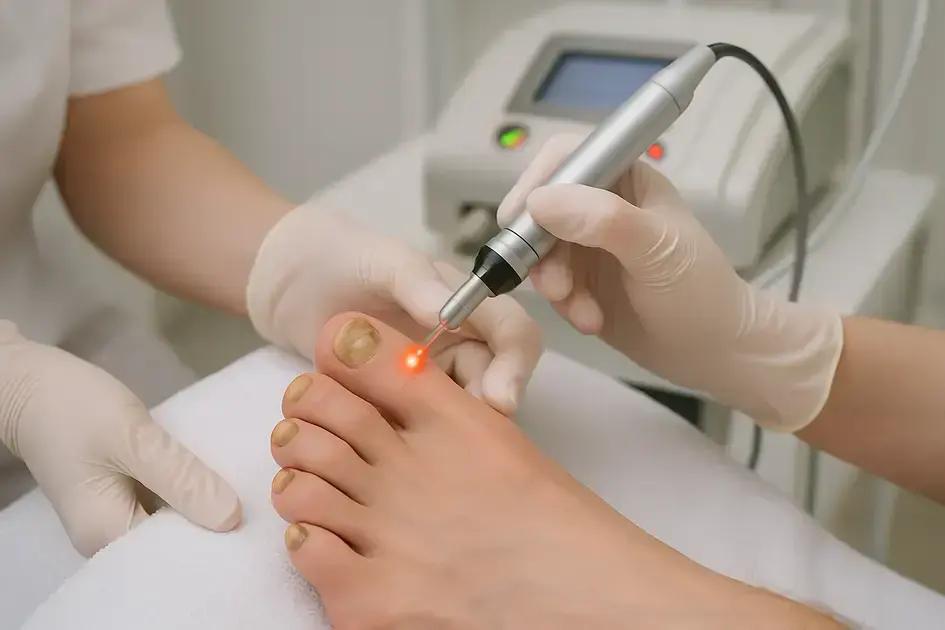
Toenail fungus is caused by fungi invading the nail bed, leading to symptoms such as discoloration, thickening, and pain; it can be prevented through good hygiene, proper footwear, and timely treatment to avoid complications.
Instant solutions for toenail fungus can make a big difference in how comfortable you feel with your feet. If you’re tired of hiding your toes, you’re not alone! Let’s explore what options exist to tackle this issue effectively.
Understanding toenail fungus: what you need to know
Understanding toenail fungus, also known as onychomycosis, is crucial for effective treatment. This fungal infection affects the nails, often leading to discoloration, thickening, and even crumbling of the nail. The fungi thrive in warm, moist environments, making places like public showers and swimming pools common infection hotspots.
How Toenail Fungus Develops
The infection typically begins when fungi enter through tiny cracks in the nail or surrounding skin. Factors such as age, health conditions, and even footwear choices can increase the risk of contracting toenail fungus. Diabetics and individuals with compromised immune systems are particularly vulnerable.
Common Symptoms
Signs of toenail fungus include a change in the color of the nail, often yellow or brown, and a noticeable change in texture, becoming brittle or flaky. In severe cases, the nail may even lift from the nail bed. Being aware of these symptoms can help in getting timely treatment.
Diagnosis
A healthcare provider can diagnose toenail fungus through a physical examination and possibly a lab test, where a sample of the nail is examined under a microscope. Getting an accurate diagnosis ensures the right treatment plan is followed.
Understanding toenail fungus can help you take prompt action if you notice symptoms. It’s essential to maintain good foot hygiene and seek advice from a healthcare professional if the condition worsens.
Common causes of toenail fungus infection

There are several common causes of toenail fungus infection that one should be aware of. Understanding these factors can help prevent future infections. One significant cause is wearing tight-fitting shoes, which create a warm and moist environment ideal for fungi to thrive.
Fungal Growth Conditions
Fungi love warm, wet places. Areas such as public showers, swimming pools, and locker rooms are common spots for infections to start. When walking barefoot in these areas, you increase your risk of exposure.
Health Factors
People with weakened immune systems, such as those with diabetes or chronic illnesses, are more susceptible to toenail fungus. Poor nail care and hygiene can also contribute to infections. If you frequently have damaged nails, it is essential to take extra care.
Age and Gender
Age can be a factor since older adults often have poorer circulation and might not be able to easily fight off infections. Studies have also shown that men are more likely to develop toenail fungus than women, possibly due to lifestyle factors.
Nail Products
Certain nail products, like artificial nails or nail polish, can trap moisture and promote fungal growth if not applied or removed properly. It’s crucial to ensure nails are healthy and dry before using these products.
Signs and symptoms of toenail fungus
Recognizing the signs and symptoms of toenail fungus is essential for timely treatment. Early detection can prevent further complications and improve the chances of a complete recovery.
Color Changes
One of the most noticeable symptoms is a change in color. Infected toenails may turn yellow, brown, or even white. This discoloration usually starts at the tip and spreads towards the base.
Texture Changes
As the fungus progresses, the texture of the toenail can change. It may become thickened, brittle, or crumbly. You might also notice a dull appearance instead of a shiny surface.
Nail Lifting
In some cases, the infected nail may start to lift from the nail bed. This can lead to discomfort and make it more susceptible to injury. If you notice your toenail has separated, it’s vital to consult a healthcare professional.
Pain and Discomfort
As the infection worsens, you might experience pain or discomfort while wearing shoes or walking. The surrounding skin may also become red and inflamed.
Odor
Infected toenails can sometimes emit an unpleasant odor due to the fungal growth. This symptom, combined with visible changes, should prompt immediate attention.
Over-the-counter treatments that work
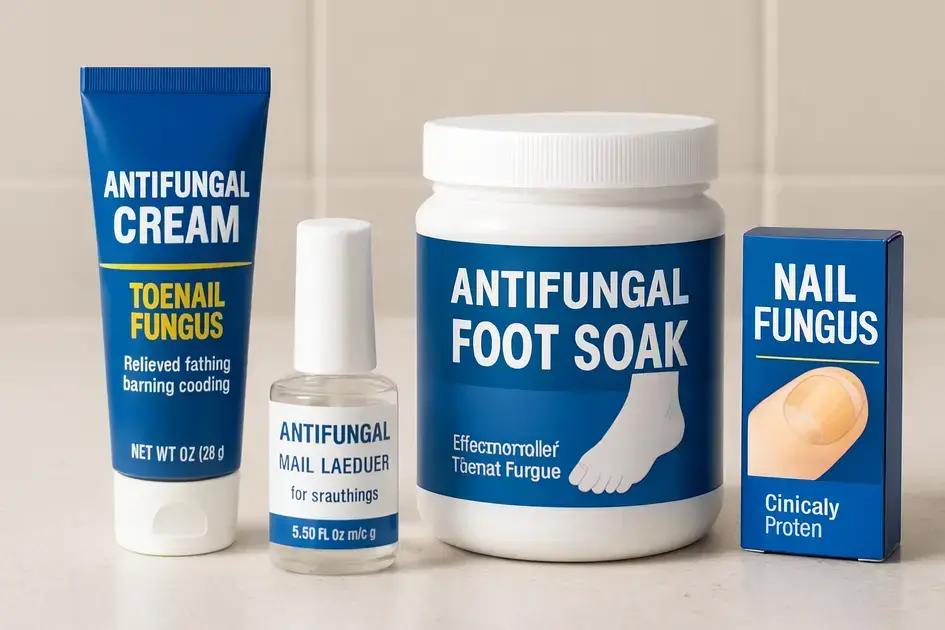
When dealing with toenail fungus, many people seek over-the-counter treatments that work. These options are often convenient and can be effective for mild to moderate infections. Here are some common treatments to consider:
Antifungal Creams and Ointments
Topical antifungal creams and ointments can be applied directly to the infected nail and surrounding skin. Look for products that contain active ingredients like clotrimazole or tolnaftate. These treatments often require consistent application over several weeks to be effective.
Antifungal Nail Lacquers
Another option is antifungal nail lacquers that are specially formulated to treat nail fungus. These products often contain amorolfine and can be painted onto the infected nail. It is important to apply the lacquer as directed, usually once or twice a week.
Foot Soaks
Soaking your feet in a mixture of warm water and antifungal solutions can also help. Many people find success using solutions that contain vinegar or Epsom salt. This method can help soften the nails and enhance the effectiveness of topical treatments.
Medicated Powders
Medicated foot powders can help keep the area dry and prevent additional fungal growth. Products with ingredients like miconazole can be particularly helpful for moisture control.
Combination Treatments
Some treatments are available in combination formulas that include both antifungal ingredients and moisturizers. This can be beneficial in treating the fungus while also addressing any dryness in the surrounding skin.
While these over-the-counter options can be helpful, it is essential to consult a healthcare provider for severe cases or if symptoms worsen. They may recommend prescription treatments if necessary.
Home remedies: natural solutions for toenail fungus
Many people look for home remedies to treat toenail fungus naturally. These remedies can be a good complement to conventional treatments and often involve easily accessible ingredients.
Tea Tree Oil
Tea tree oil is well-known for its antifungal properties. Applying a few drops directly to the affected nail can help reduce fungal growth. It’s recommended to do this twice a day for the best results.
Apple Cider Vinegar
Another popular remedy is apple cider vinegar. Its acidic nature makes it difficult for fungus to thrive. Soaking the feet in a solution of equal parts vinegar and water for 30 minutes daily can be beneficial.
Garlic
Garlic has strong antifungal properties as well. Crushing a few cloves of garlic and applying the paste to the infected nail can help combat the infection. You can also consume garlic regularly to enhance your overall health.
Coconut Oil
Coconut oil contains medium-chain fatty acids that have antifungal effects. Applying it to the affected area can hydrate the skin and help eliminate the fungus. Use it two to three times a day for optimal results.
Baking Soda Paste
Mixing baking soda with water to create a paste and applying it to the nail can help absorb moisture and fight fungus. Leave the paste on for about 30 minutes before rinsing it off.
Oregano Oil
Oregano oil is another powerful antifungal agent. Diluting it with a carrier oil, such as olive oil, and applying it to the affected areas can help improve symptoms.
While these home remedies can support treatment, if the infection persists or worsens, it’s important to consult a healthcare provider.
When to see a doctor for toenail fungus

Knowing when to see a doctor for toenail fungus is essential, especially if the infection does not improve with home or over-the-counter treatments. Here are some signs that indicate a visit to a healthcare professional may be necessary:
Persistent Symptoms
If you have been using treatments for a few weeks and notice no improvement, it is time to consult a doctor. Persistent symptoms like discoloration, thickening, or lifting of the nail require further evaluation.
Severe Pain or Discomfort
Experiencing severe pain or discomfort in the affected toe or nail can indicate a more serious problem. A healthcare provider can assess the situation and recommend appropriate treatment.
Spreading Infection
Should you notice that the infection is spreading to other nails or areas of the foot, seeking medical attention is crucial. Early intervention can prevent further complications.
Underlying Health Conditions
If you have underlying health issues, such as diabetes or a weakened immune system, it’s advisable to consult a doctor sooner rather than later. These conditions can complicate infections and require more specialized treatment.
Signs of Secondary Infection
Look out for signs of a secondary infection, such as increased redness, swelling, or pus around the nail. These symptoms require prompt medical attention to manage potential complications.
Seeking medical advice doesn’t only facilitate effective treatment but also helps prevent future occurrences of toenail fungus. Don’t hesitate to reach out to a healthcare provider if you have any concerns about your foot health.
Prescription treatments for stubborn cases
For stubborn cases of toenail fungus that do not respond to over-the-counter treatments or home remedies, prescription treatments may be necessary. Here are some common options that healthcare providers may recommend:
Oral Antifungal Medications
One of the most effective treatments for severe toenail fungus is oral antifungal medication. Drugs such as terbinafine and itraconazole are often prescribed. These medications work by targeting the underlying fungal infection from within the body.
Topical Prescription Treatments
In addition to oral medications, a healthcare provider may prescribe stronger topical treatments. Medications like ciclopirox nail lacquer can help treat the infection directly on the nail. This method is generally less effective alone, but it may be useful in conjunction with oral medications.
Combination Therapy
In some cases, a combination of oral and topical treatments may be the best approach. This strategy can increase the chances of success, especially for persistent infections.
Laboratory Tests
Before starting any prescription treatment, a healthcare provider may recommend laboratory tests to confirm the presence of fungal infection and identify the specific type of fungus. This information helps in selecting the most effective treatment.
Monitoring Treatment
After starting a prescription treatment, follow-up visits may be necessary to monitor progress. It is essential to complete the entire course of medication, even if symptoms improve before finishing the treatment.
Consulting a healthcare provider for stubborn toenail fungus cases ensures that appropriate and effective treatment is provided to promote nail health.
Preventing toenail fungus: tips for healthy nails

Preventing toenail fungus is crucial for maintaining healthy nails and avoiding infections. Here are some effective tips to keep your toenails in good condition:
Practice Good Foot Hygiene
Regularly wash your feet with soap and water, making sure to dry them thoroughly, especially between the toes. Keeping your feet clean helps reduce the risk of fungal infections.
Wear Breathable Shoes
Choose footwear made of materials that allow air circulation and avoid tight-fitting shoes. Shoes that trap moisture create a perfect environment for fungus to grow.
Change Socks Regularly
Wearing clean, dry socks each day is essential. If your feet sweat a lot, consider using moisture-wicking socks to keep your feet dry and comfortable.
Avoid Walking Barefoot in Public Areas
Protect your feet in public places like swimming pools, locker rooms, and gyms. Always wear flip-flops or water shoes in these areas to prevent exposure to fungi.
Keep Your Nails Trimmed
Regularly trimming your toenails can help prevent fungal infections. Keep nails short and straight across to reduce the risk of injury and the chance of fungi entering.
Moisturize Your Feet
Apply a moisturizing cream to prevent dry skin, but avoid getting cream between your toes, as excess moisture may encourage fungal growth.
Use Antifungal Powder
Consider using antifungal powder in your shoes, especially if you are prone to sweaty feet. This can help reduce moisture buildup and keep your feet dry.
By following these tips, you can effectively lower your chances of developing toenail fungus and maintain healthy nails for years to come.
Lifestyle changes to reduce the risk of fungal infections
Making lifestyle changes can significantly reduce the risk of fungal infections, including toenail fungus. Here are some effective strategies to consider:
Maintain Good Personal Hygiene
Regularly washing your feet and keeping them dry is crucial. Be sure to dry between your toes thoroughly after bathing, as moisture can lead to fungal growth.
Choose the Right Footwear
Opt for breathable shoes made from natural materials. Avoid wearing tight or non-ventilated shoes that trap moisture and heat.
Wear Moisture-Wicking Socks
Invest in socks made from moisture-wicking materials that help keep your feet dry. Change your socks daily or more frequently if you sweat a lot.
Limit Foot Exposure to Moist Environments
Avoid walking barefoot in public places like pools and gyms, where fungi thrive. Always wear flip-flops or water shoes in these areas to protect your feet.
Monitor Your Diet
Eating a healthy diet can strengthen your immune system, making it easier to fend off infections. Focus on foods rich in vitamins and minerals, such as fruits, vegetables, and whole grains.
Manage Foot Conditions
If you have existing foot problems, such as athlete’s foot or other skin conditions, treat them promptly. Managing these issues can help reduce the risk of developing toenail fungus.
Limit Sugar Intake
High sugar levels can encourage fungal growth. Reducing sugar in your diet can help keep your body’s fungal load in check, lowering the risk of infections.
By adopting these lifestyle changes, you can lower your risk of fungal infections and enjoy healthier feet.
What to expect during toenail fungus treatment

When beginning treatment for toenail fungus, it’s important to know what to expect during the process. Understanding the treatment journey can help you manage your expectations and stay committed to the regimen.
Initial Consultation
Your journey often starts with an initial consultation with a healthcare provider. They will assess your condition, possibly taking a nail sample to determine the cause of the infection.
Choosing a Treatment Plan
After diagnosis, your healthcare provider will recommend a treatment plan tailored to your situation. This might include oral antifungal medications, topical treatments, or a combination of both. Understanding the pros and cons of each option can help you make an informed decision.
Duration of Treatment
Treatment for toenail fungus can take time. Oral medications may require a course of several weeks or months, while topical treatments can take just as long to show results. Be patient and follow your provider’s instructions closely.
Managing Side Effects
As with any medication, there could be side effects. It’s essential to discuss possible side effects with your healthcare provider and report any unusual symptoms you experience during treatment.
Follow-Up Appointments
Regular follow-up appointments are necessary to monitor your progress. Your doctor may check for signs of improvement or adjust your treatment plan if needed. These appointments are crucial for ensuring your treatment is effective.
Visible Results
As treatment progresses, you may start to notice changes in your toenails. New growth should appear healthy and clear, indicating that the treatment is working. However, it may take several months for the affected nail to grow out completely.
By understanding the treatment process for toenail fungus, you can better prepare yourself for the commitment required to achieve healthy nails.
Dietary considerations for healthier nails
A healthy diet plays a vital role in maintaining strong and beautiful nails. Here are some key dietary considerations to keep in mind for healthier nails:
Include Protein-Rich Foods
Nails are primarily made of a protein called keratin. Including protein-rich foods like lean meats, fish, beans, and nuts in your diet can help promote healthy nail growth.
Consume Biotin
Biotin is a B vitamin essential for maintaining nail health. Foods rich in biotin include eggs, almonds, sweet potatoes, and spinach. Consuming these foods can help strengthen your nails and reduce brittleness.
Stay Hydrated
Drinking plenty of water is crucial for overall health and nail health. Staying hydrated helps keep your nails moisturized and prevents them from becoming dry and brittle.
Incorporate Vitamins and Minerals
Ensure your diet includes essential vitamins and minerals such as zinc, iron, and vitamin E. Foods like leafy greens, fruits, and whole grains are great sources of these nutrients, supporting healthy nails.
Limit Sugar and Processed Foods
High sugar intake and processed foods can negatively affect nail health. Try to limit these foods in your diet to promote better nail strength and growth.
Balance Your Diet
A well-balanced diet that includes a variety of foods from all food groups will provide the necessary nutrients for healthier nails. Focus on colorful fruits and vegetables, whole grains, and healthy fats.
By making these dietary changes, you can help ensure that your nails remain strong and healthy.
Nail care routines to support treatment

Establishing a regular nail care routine is essential for supporting treatment for toenail fungus and ensuring healthy nails. Here are some key steps to include in your routine:
Keep Your Nails Clean and Trimmed
Regularly trim your toenails straight across and keep them short. This prevents injury and reduces the risk of infection. Use clean, sharp nail clippers to avoid damaging the nails.
Moisturize Your Nails and Cuticles
Apply a moisturizing lotion or oil to your nails and cuticles daily. Keeping them hydrated helps prevent dryness and cracking, which can lead to infection.
Use Antifungal Products
If you are undergoing treatment for toenail fungus, apply antifungal creams or lacquers as directed by your healthcare provider. Consistency is key to achieving the best results.
Practice Good Foot Hygiene
Wash your feet daily and dry them thoroughly, especially between the toes. Good hygiene helps prevent fungal infections and supports overall nail health.
Wear Breathable Footwear
Choose shoes made from breathable materials to help keep your feet dry. Avoid tight-fitting shoes that can trap moisture and create an environment suitable for fungi.
Avoid Sharing Personal Items
Do not share nail clippers, shoes, or socks with others to prevent the spread of infections. Each person should have their personal foot care tools.
Monitor Changes
Keep an eye on your nails while in treatment. Look for any changes in color, texture, or thickness and report these to your healthcare provider.
By following these nail care routines, you can help support treatment efforts and promote healthy nails.
The role of hygiene in preventing fungus
Maintaining proper hygiene is crucial in preventing toenail fungus. Here are several key aspects to consider for effective hygiene practices:
Daily Foot Cleaning
Wash your feet daily with soap and water. Make sure to clean between your toes thoroughly, as fungi thrive in warm, moist environments. Dry your feet completely after washing to remove excess moisture.
Moisture Control
Keep your feet dry, especially if you tend to sweat a lot. Use foot powder to absorb moisture and prevent dampness, which can contribute to fungal growth.
Choose Appropriate Footwear
Wear breathable shoes that allow air circulation. Avoid tight-fitting shoes that trap heat and moisture, creating a perfect breeding ground for fungi.
Sock Selection
Select socks made from moisture-wicking materials to help keep your feet dry. Change socks regularly, especially if they become wet from sweat or other liquids.
Regular Nail Care
Regularly trim your toenails straight across and keep them short to reduce the risk of injury. Clean any dirt or debris from under your nails during your hygiene routine.
Avoid Sharing Personal Items
Do not share socks, shoes, or nail clippers with others. Sharing these items can easily spread fungi among people.
Footwear in Public Places
When visiting public swimming pools, gyms, or locker rooms, always wear flip-flops or water shoes. This prevents direct contact with fungi that may be present on the floors.
By following these hygiene tips, you can significantly lower your risk of developing toenail fungus and promote overall foot health.
Common myths about toenail fungus debunked

There are many myths about toenail fungus that can lead to misunderstandings about this common condition. Here are some common myths debunked:
Myth 1: Toenail Fungus Only Affects Older Adults
Many people believe that toenail fungus is only a problem for older adults. However, this condition can affect anyone, regardless of age. In fact, younger people can also be at risk due to activities that expose their feet to moist environments.
Myth 2: Toenail Fungus is Just a Cosmetic Issue
While toenail fungus may have visible effects on nails, it is more than just a cosmetic concern. It can cause pain, discomfort, and even lead to more severe infections if left untreated.
Myth 3: You Can Treat Toenail Fungus with Home Remedies Alone
Some believe that home remedies are sufficient to treat toenail fungus. While remedies may help, they are often not enough for severe cases. Consulting a healthcare provider is essential for effective treatment.
Myth 4: You Can Get Toenail Fungus from Walking Barefoot Everywhere
While walking barefoot in public places increases the risk, toenail fungus is primarily caused by fungi that enter through damaged nails. Good foot hygiene and proper nail care are crucial for prevention.
Myth 5: One Treatment Will Cure Toenail Fungus Forever
Many think one treatment will permanently eliminate toenail fungus. In reality, ongoing prevention and proper nail care are necessary after treatment to reduce the risk of recurrence.
Myth 6: Only Poor Hygiene Causes Toenail Fungus
While hygiene plays a role, toenail fungus can occur even in individuals who practice good hygiene. Other factors, such as diabetes, poor circulation, and wearing tight shoes, can contribute to its development.
Understanding these myths helps to clarify the truth about toenail fungus and encourages proper prevention and treatment methods.
Long-term effects of untreated toenail fungus
Leaving toenail fungus untreated can lead to several long-term effects that may affect both your physical health and quality of life. Here are some potential consequences:
Chronic Pain and Discomfort
As the infection worsens, it can lead to chronic pain and discomfort in the affected toe. This condition may make it difficult to wear shoes or engage in daily activities.
Nail Damage and Deformity
Untreated toenail fungus can cause significant damage to the nail structure. This includes thickening, crumbling, or even complete loss of the nail, leading to a permanently deformed nail.
Infection Spread
If the fungus spreads, it may lead to deeper infections. This can affect surrounding skin and even sometimes enter the bloodstream, potentially causing more serious health issues.
Affect on Toenail Growth
Prolonged fungal infections can disrupt normal toenail growth. New nails may grow in discolored, misshapen, or weak, leading to ongoing problems.
Increased Risk of Secondary Infections
Fungal infections can create an environment for bacteria to thrive. This increases the chance of developing secondary infections that may require more intensive treatment.
Impact on Mental Health
Living with visible toenail fungus can affect self-esteem and confidence. This can lead to anxiety or embarrassment about showing your feet, impacting social interactions.
To avoid these long-term effects, it is vital to seek treatment for toenail fungus as soon as symptoms appear. Early intervention can prevent complications and help maintain healthy nails.
Frequently asked questions about toenail fungus

Here are some frequently asked questions (FAQs) about toenail fungus that many people have:
What is toenail fungus?
Toenail fungus, also known as onychomycosis, is an infection caused by fungi that invade the nail bed and nail plate. It can lead to discoloration, thickening, and crumbling of the toenail.
What causes toenail fungus?
Toenail fungus can be caused by various factors such as exposure to damp environments, like swimming pools and public showers, as well as wearing tight shoes that promote moisture buildup. Aging, a weakened immune system, and underlying health conditions like diabetes can increase the risk.
How can I prevent toenail fungus?
Preventive measures include keeping your feet clean and dry, wearing breathable shoes, using foot powder to absorb moisture, and avoiding walking barefoot in public places. Regular nail care is also essential.
What are the symptoms of toenail fungus?
Common symptoms include discoloration of the nail (such as yellow or brown), thickening of the nail, distortion of the nail shape, and sometimes a foul odor or pain.
How is toenail fungus treated?
Treatment options for toenail fungus include over-the-counter antifungal creams, prescription medications, and in severe cases, laser treatment. It’s crucial to see a healthcare provider for a proper diagnosis and treatment plan.
Can toenail fungus spread to other nails or skin?
Yes, toenail fungus can spread to other nails, as well as to other areas of the body, including the skin. Proper hygiene and treatment are essential to prevent spreading.
How long does it take to treat toenail fungus?
Treatment duration can vary depending on the severity of the infection. It may take several weeks to a few months for the toenail to grow out entirely and appear healthy again.
Understanding these FAQs can help individuals navigate their concerns about toenail fungus and seek timely treatment when necessary.
In conclusion, understanding toenail fungus and its treatment
Toenail fungus is a common issue that can affect anyone. Recognizing the symptoms early and seeking proper treatment is crucial for maintaining healthy nails.
By practicing good hygiene, following preventive measures, and knowing the facts, you can reduce the risk of developing this condition. It’s also important to stay informed about the treatment options available, as timely intervention can prevent long-term effects.
With proper care and attention, you can keep your toenails healthy and free from fungus. Don’t hesitate to consult a healthcare provider if you have any concerns about your foot health.
FAQ – Frequently Asked Questions about Toenail Fungus
What causes toenail fungus?
Toenail fungus is caused by various fungi that invade the nail bed. Factors like exposure to moist environments, poor hygiene, and underlying health issues can increase the risk.
How can I prevent toenail fungus?
To prevent toenail fungus, maintain good foot hygiene, wear breathable shoes, avoid walking barefoot in public places, and keep your feet dry.
What are the symptoms of toenail fungus?
Symptoms include discoloration, thickening or crumbling of the nail, pain, and sometimes a foul odor.
How is toenail fungus treated?
Treatment options include over-the-counter antifungal creams, prescription medications, and sometimes laser treatment. Consult a healthcare provider for proper diagnosis and treatment.
Can toenail fungus spread to other nails or skin?
Yes, toenail fungus can spread to other nails and areas of the skin. Proper hygiene and treatment are essential to prevent spreading.
How long does it take to treat toenail fungus?
The duration of treatment can vary depending on the severity of the infection, but it typically takes several weeks to a few months for the nail to grow out fully and appear healthy.