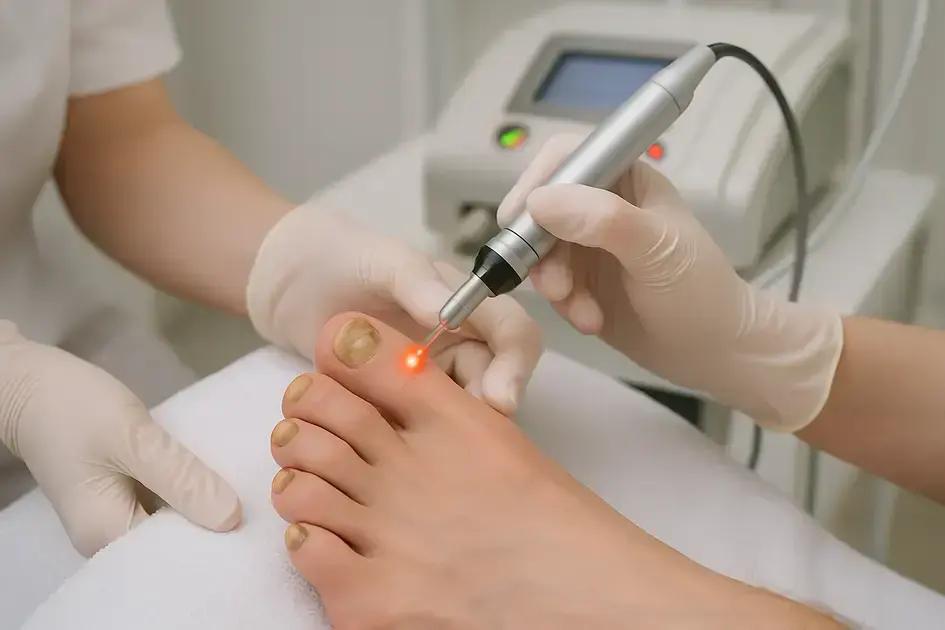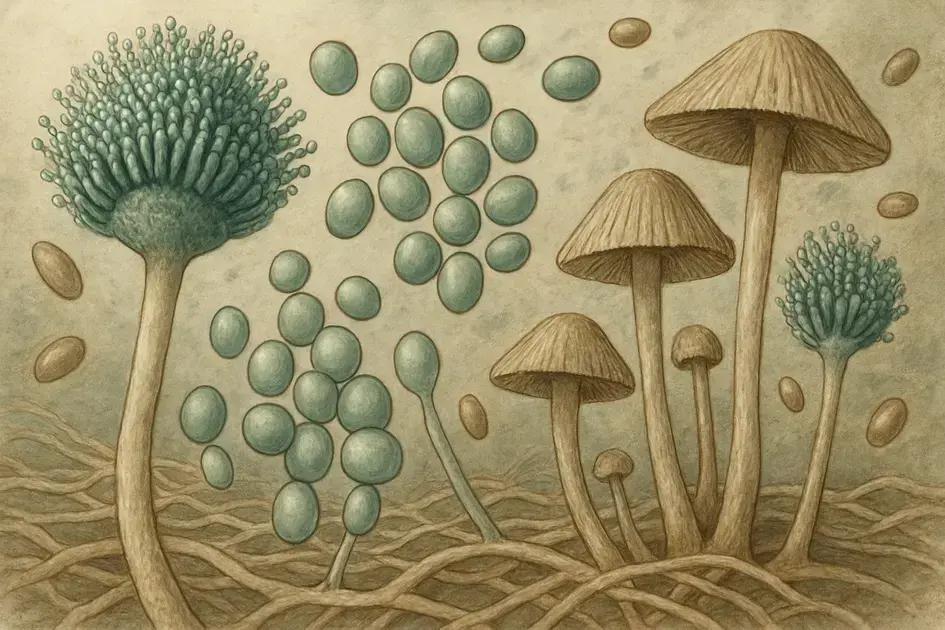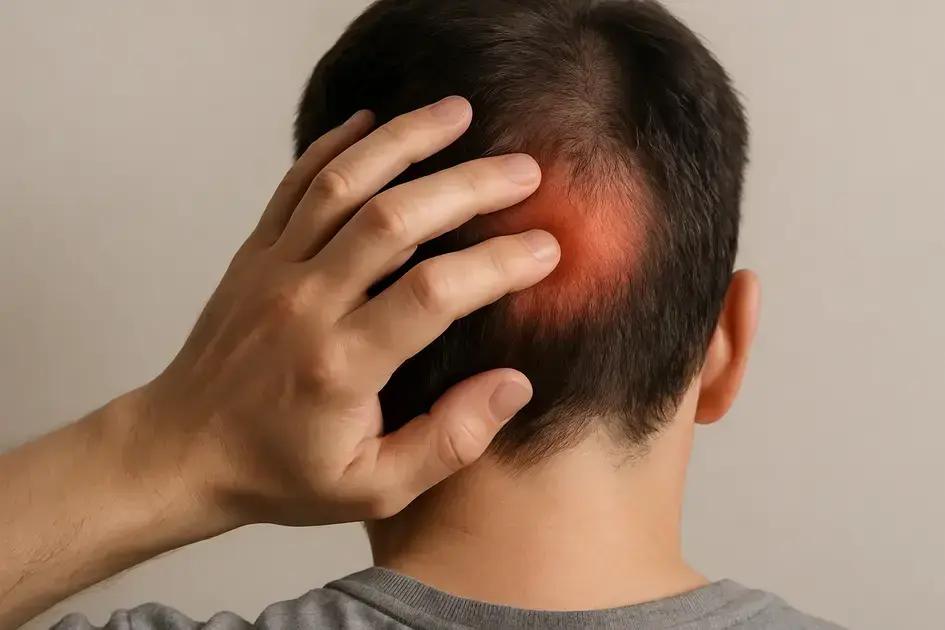
Scalp fungus is caused by fungi like Malassezia, leading to symptoms such as itching, redness, and hair loss; treatments include antifungal shampoos and proper scalp care to prevent recurrence.
Have you ever wondered what does scalp fungus smell like? This common issue can bring discomfort and embarrassment. Let’s explore how to identify this condition and what steps to take for relief.
Understanding scalp fungus and its causes
Scalp fungus is a common condition that affects many people. It is primarily caused by fungi that thrive in warm, moist environments. These fungi can lead to various symptoms, including itching and inflammation. Understanding the causes is essential for prevention and treatment.
There are several types of fungi responsible for scalp infections. The most common is Trichophyton, which is linked to conditions like ringworm of the scalp. Poor hygiene, sharing personal items like combs and hats, and weakened immune systems can increase the risk of developing a scalp fungus.
Additionally, certain factors such as excessive sweating, wearing hats too often, or not drying your hair properly can create the right environment for fungal growth. Understanding these factors helps in taking the necessary precautions to maintain a healthy scalp. It’s crucial to avoid scratching the affected area as it can spread the fungus to other parts of the scalp and body.
Maintaining good scalp hygiene can help prevent fungal infections. Regularly washing your hair with a suitable antifungal shampoo and keeping your scalp dry can go a long way. If you suspect you have a scalp fungus, consult a healthcare professional for appropriate diagnosis and treatment.
Signs and symptoms of scalp fungus

Recognizing the signs and symptoms of scalp fungus is essential for timely treatment. Common symptoms include persistent itching, redness, and flaking of the scalp. These symptoms can vary from mild irritation to severe discomfort, depending on the individual and the extent of the infection.
One of the most noticeable signs is itchiness, which can be intense and lead to scratching. Scratching the affected areas may worsen the condition and even cause hair loss. Some individuals may also notice scaly patches or bald spots where the fungus has spread.
Additionally, a foul odor can sometimes accompany a scalp fungus. This smell may be due to the buildup of oils and the presence of fungi. It is crucial to address these symptoms promptly to prevent further complications.
If you notice these signs, consider consulting a healthcare professional for a proper diagnosis. Early treatment can help ease symptoms and restore the health of your scalp, preventing the condition from worsening.
What does scalp fungus smell like?
One question many people have is, what does scalp fungus smell like? The odor associated with scalp fungus can often be unpleasant and may vary from person to person. Generally, it has been described as a foul or musty scent, which can be quite noticeable.
This smell occurs due to the buildup of oils and dead skin cells that the fungi feed on. The presence of these microorganisms can create a very distinctive odor that can be hard to ignore. Some individuals might also notice an off-putting smell particularly after sweating or if they have not washed their hair frequently.
If you detect this scent along with other symptoms, such as itching or irritation, it is a sign that you may have a scalp fungal infection. It’s essential to pay attention to these changes, as they can require intervention.
Consulting a healthcare professional can help you determine the cause of the smell and the best course of treatment to resolve the issue effectively.
How to identify scalp fungus
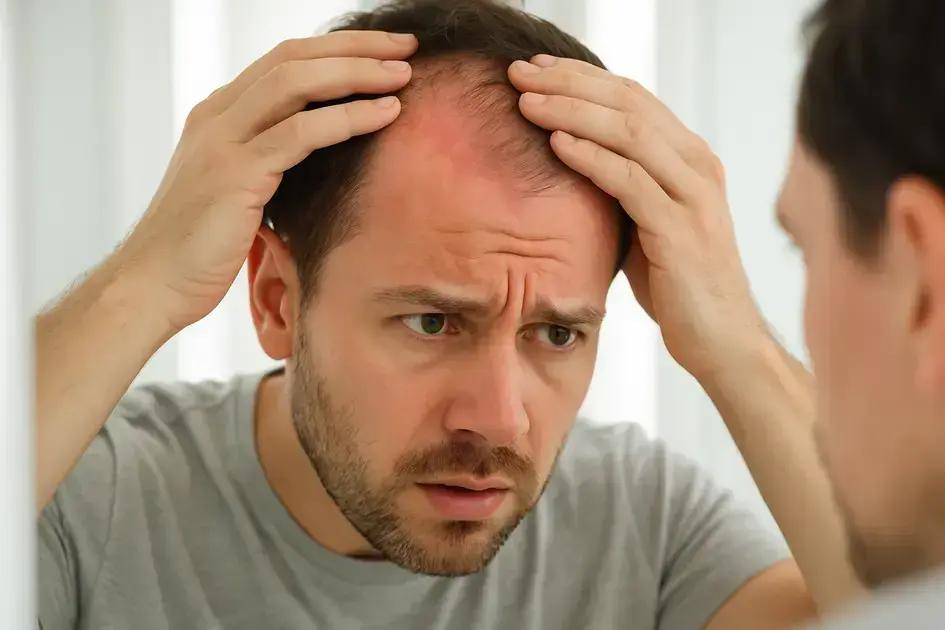
Identifying scalp fungus is essential for effective treatment. If you suspect you have this condition, observe common symptoms and take note of specific signs. Look for itchiness as the primary indicator. It can vary from mild irritation to severe discomfort and often leads to scratching.
Additionally, check for redness and inflammation on the scalp. These areas may appear swollen and can be painful to the touch. You might also notice flaky skin or the presence of scaly patches that could resemble dandruff but are more persistent.
A foul smell can also be a sign of a fungal infection. This odor is typically due to the buildup of oils and fungi. Pay attention if your condition worsens after sweating or not washing your hair regularly.
If you observe these symptoms, it is crucial to consult a healthcare professional for a proper diagnosis. They may perform a physical examination and possibly recommend tests to identify the type of fungus causing the infection.
Common triggers for scalp fungus
Understanding the common triggers for scalp fungus can help you prevent this uncomfortable condition. One significant factor is poor hygiene. Not washing your hair regularly can create an environment where fungi thrive. It is important to keep the scalp clean and dry.
Another trigger is excessive sweating. Sweat can contribute to a moist environment that fungi love. Individuals who sweat a lot, whether from exercise or hot weather, should wash their hair frequently to minimize this risk.
Sharing personal items like combs, hats, or towels can also spread fungal infections. Always use your own items and avoid sharing them with others. Additionally, wearing hats or headbands for long periods can trap moisture and lead to fungal growth.
Weakened immune systems can make individuals more susceptible to infections, including scalp fungus. Factors that weaken immunity include stress, poor nutrition, and certain health conditions. A balanced diet and stress management are essential for maintaining healthy immunity.
Lastly, keep an eye on any existing skin conditions such as eczema or psoriasis. These can also create a favorable environment for fungal infections. Addressing skin issues promptly can help prevent scalp fungus from developing.
Preventing scalp fungus infections

Preventing scalp fungus infections is essential for maintaining a healthy scalp. One of the most effective ways to prevent these infections is by practicing good hygiene. Regularly wash your hair with a gentle shampoo to remove dirt and oils that can promote fungal growth.
Keeping your scalp dry is equally important. After washing your hair, make sure to dry your scalp thoroughly. Avoid wearing hats or headbands for extended periods, as they can trap moisture.
Be careful when sharing personal items such as combs, hats, or towels, as these can transfer fungi between individuals. Always use your own items to minimize the risk of spreading infections.
Monitor your environment. If you sweat a lot, try to wash your hair more frequently. Sweating creates a moist environment that fungi love to thrive in. Using antifungal shampoos periodically can also provide protection.
Finally, maintaining a balanced diet and addressing any underlying health issues, such as a weakened immune system, can strengthen your body’s defenses against infections. Staying healthy overall is key to preventing scalp fungus.
Effective treatments for scalp fungus
Effective treatments for scalp fungus can help relieve symptoms and eliminate the infection. The most common treatment involves using antifungal shampoos that contain active ingredients like ketoconazole, selenium sulfide, or zinc pyrithione. These shampoos should be applied regularly as directed to regain control of your scalp health.
In addition to shampoos, oral antifungal medications may be prescribed for more severe cases. These medications work from within the body to fight the infection more thoroughly, especially if topical treatments are not effective.
It’s also helpful to incorporate natural treatments like tea tree oil, which has antifungal properties. Diluting tea tree oil with a carrier oil can allow for safe application to the affected areas. However, it is recommended to do a patch test first to check for any allergic reactions.
Another effective method is to keep the scalp dry and clean throughout the treatment process. Avoiding hot, humid environments can help reduce symptoms and speed up recovery. Using a fan or keeping hair loose can improve air circulation.
Finally, it’s essential to follow your healthcare provider’s instructions throughout the treatment. Consistency and proper use of medications will lead to the best outcomes for treating scalp fungus.
Home remedies for scalp fungus

Using home remedies for scalp fungus can be an effective way to alleviate symptoms and promote healing. One popular option is tea tree oil, known for its antifungal properties. Diluting tea tree oil with a carrier oil, such as coconut or olive oil, and applying it to the affected areas can help fight the infection.
Another effective remedy is using apple cider vinegar. Its acidic nature helps restore the scalp’s natural pH, which can hinder fungal growth. Mix equal parts of apple cider vinegar and water, apply to the scalp, and leave it on for about 15 minutes before rinsing.
Aloe vera is also beneficial due to its soothing and healing properties. Applying fresh aloe vera gel to the scalp can help reduce inflammation and irritation. It is gentle and safe for most people, making it a great natural option.
Additionally, consider using garlic, which has potent antifungal effects. Crush a few cloves of garlic, mix with coconut oil, and apply this mix directly to the scalp. Be cautious, as garlic can irritate sensitive skin—so patch testing is recommended.
Lastly, maintaining a healthy diet rich in vitamins and minerals like zinc and vitamin C can also strengthen your immune system. A healthy immune response is essential in fighting off fungal infections effectively.
When to see a doctor about scalp issues
Knowing when to see a doctor about scalp issues is crucial for maintaining scalp health. If you experience persistent itching or discomfort that does not improve with home treatment, it is time to consult a healthcare professional. Chronic itching can be a sign of an underlying issue that needs medical attention.
Additionally, if you notice any signs of hair loss or bald patches, it is important to seek medical advice. These symptoms may indicate a more serious condition, such as a fungal infection or alopecia, which requires professional evaluation.
If your scalp shows signs of inflammation, redness, or swelling, you should also see a doctor. These symptoms can suggest an infection or other skin condition that may need prescription treatment.
Another indicator is a foul odor coming from your scalp or the presence of unusual scales or flakes. These can be signs of fungal infections or seborrheic dermatitis that might require more than just over-the-counter treatments.
Finally, if you are unsure about the cause of your symptoms or if they negatively impact your daily life, do not hesitate to reach out to a healthcare professional for advice. It is better to seek help early to prevent further complications.
Scalp fungus in different demographics

Scalp fungus can affect individuals across various demographics, including different ages, genders, and ethnic backgrounds. Each group may experience specific risk factors and symptoms related to scalp fungus.
In children, tinea capitis (ringworm of the scalp) is quite common. Children are often in close contact with one another, making it easier for the fungus to spread. Symptoms in children can include patches of hair loss and intense itching.
Young adults and teenagers may also be significantly affected. This demographic often experiences higher levels of stress and hormonal changes, which can impact their scalp health. They are also more likely to use hair products that may irritate the scalp, leading to fungal infections.
For older adults, the weakened immune system can increase susceptibility to scalp fungus. Conditions like diabetes or other health issues can further complicate matters, making it essential for older individuals to maintain good scalp hygiene and monitor any unusual symptoms.
Additionally, gender can play a role. Women may face scalp fungus issues related to hair styling practices, like the frequent use of hair extensions or heavy products, which can trap moisture on the scalp. Conversely, men might experience fungal issues due to less frequent washing of their hair, which can allow fungi to thrive.
Understanding how scalp fungus can impact different demographics helps in tailoring prevention and treatment strategies. Consulting with a healthcare provider about individual risk factors can be helpful for anyone experiencing scalp issues.
Impact of diet on scalp health
The impact of diet on scalp health is significant and should not be overlooked. A balanced diet rich in vitamins and minerals can greatly contribute to maintaining a healthy scalp and preventing issues such as scalp fungus.
Foods high in omega-3 fatty acids, such as salmon, walnuts, and flaxseeds, help reduce inflammation and promote a healthy scalp. Omega-3s can support blood circulation, which is essential for delivering nutrients to hair follicles.
Additionally, consuming enough vitamins A, C, and E is crucial. Vitamin A promotes healthy sebum production, which keeps the scalp moisturized. Foods like carrots, sweet potatoes, and leafy greens are excellent sources. Vitamin C, found in fruits like oranges and strawberries, aids in collagen production, which strengthens hair. Vitamin E helps protect the scalp from oxidative stress, found in nuts and seeds.
Zinc is another vital mineral for scalp health. It supports hair tissue growth and repair. Foods like legumes, seeds, and whole grains are good sources of zinc. A deficiency in zinc can lead to hair loss and skin problems, including issues on the scalp.
Lastly, staying hydrated by drinking enough water is essential for overall scalp health. Hydration helps maintain the moisture balance of the scalp, supporting skin health and nourishing hair follicles.
Understanding antifungal treatments

Understanding antifungal treatments is crucial for effectively addressing scalp fungal infections. Antifungal treatments come in various forms, including topical creams, shampoos, and oral medications. Each type of treatment is designed to target and eliminate the fungi causing the infection.
Topical antifungal treatments are often the first line of defense. Shampoos that contain active ingredients like ketoconazole, selenium sulfide, or ciclopirox are popular choices. These shampoos are applied directly to the scalp and are effective at killing fungi and preventing their return.
In some cases, a doctor may recommend oral antifungal medications if the infection is severe or does not respond to topical treatments. These medications work from within the body to eliminate fungal growth. Common oral antifungals include fluconazole and griseofulvin, and they may require a prescription.
It’s important to follow the treatment plan prescribed by your healthcare provider. Skipping doses or stopping treatment early can lead to a recurrence of the infection. Additionally, patience is key; some antifungal treatments may take several weeks to show noticeable results.
Alongside medication, maintaining proper scalp hygiene is essential. Keeping the scalp clean and dry can support the effectiveness of antifungal treatments. Avoiding tight hats or other head coverings can also help prevent the growth of fungi.
Differences between scalp fungus and dandruff
Understanding the differences between scalp fungus and dandruff is important to identify and treat each condition effectively. Although they can share some similar symptoms, they are distinct in their causes and treatments.
Scalp fungus is often caused by infections from fungi such as Malassezia or Trichophyton. This can lead to symptoms like significant itching, redness, and patches of hair loss. Scalp fungus can also produce a foul odor and may require antifungal treatments to eliminate it.
On the other hand, dandruff is usually a result of dry skin or sensitivity to hair care products. It presents as small, white flakes on the scalp or in the hair. While dandruff can cause mild itching and irritation, it is typically less severe than that seen with scalp fungus.
The treatments for these two conditions differ as well. Dandruff is often managed with gentle exfoliating shampoos or medicated products containing zinc pyrithione or salicylic acid. In contrast, treating scalp fungus typically involves the use of antifungal shampoos or oral medications.
In summary, while both scalp fungus and dandruff can cause discomfort and flaking, they have different underlying causes and require different treatment approaches. If unsure, it’s important to consult a healthcare provider for proper diagnosis and treatment recommendations.
Prevention tips for healthy scalp

Maintaining a healthy scalp is crucial for overall hair health. Here are some essential prevention tips that can help you keep your scalp in great condition:
1. Keep Your Scalp Clean: Regularly wash your hair to remove dirt, excess oil, and build-up from hair products. It’s important to use a mild shampoo suitable for your hair type. Aim to wash your hair at least two to three times a week.
2. Moisturize Your Scalp: A dry scalp can lead to flaking and irritation. Consider using a moisturizing conditioner or hair oils that can help keep the scalp hydrated. Natural oils like coconut or jojoba oil are excellent choices.
3. Avoid Hot Showers: While hot water can feel relaxing, it can strip the scalp of its natural oils. Opt for lukewarm water to wash your hair to help maintain the scalp’s moisture balance.
4. Protect Your Scalp: If you’re going to be in the sun for extended periods, wear a hat or use a hair product that contains sunscreen to prevent sun damage on your scalp.
5. Eat a Balanced Diet: A diet rich in vitamins and minerals is essential for a healthy scalp. Foods containing omega-3 fatty acids, vitamins A, C, and E, and zinc can support scalp health.
6. Manage Stress: High levels of stress can negatively affect your scalp health. Engage in relaxation techniques like meditation, exercise, or yoga to keep your stress levels in check.
7. Regularly Check Your Scalp: Perform regular checks for any unusual changes on your scalp. Look for irritation, redness, or excessive flaking. Early detection is key in addressing any potential issues.
Frequently asked questions about scalp fungus
Frequently asked questions (FAQs) about scalp fungus can help you better understand this condition. Here are some common queries:
1. What causes scalp fungus? Scalp fungus is typically caused by fungi like Malassezia or Trichophyton. These organisms thrive in warm, moist environments and can lead to infections when conditions are favorable.
2. How can I identify scalp fungus? Symptoms of scalp fungus include persistent itching, redness, flaking, and patches of hair loss. In some cases, there may be a foul smell associated with the infection.
3. Is scalp fungus contagious? Yes, scalp fungus can be contagious. It can spread through direct contact with an infected person or by sharing personal items such as hats, combs, or towels.
4. How is scalp fungus treated? Treatment options often include topical antifungal shampoos or creams. In more severe cases, oral antifungal medications may be recommended by a healthcare professional.
5. Can scalp fungus be prevented? Maintaining a clean and dry scalp, avoiding sharing personal grooming items, and managing sweat levels can help prevent fungal infections.
6. When should I see a doctor? If symptoms persist or worsen despite home treatment, or if you experience severe itching, hair loss, or signs of infection, it is essential to consult a healthcare provider for further evaluation.
In Conclusion: Understanding Scalp Fungus and Its Care
Scalp fungus is a common issue that can lead to discomfort and other hair-related problems. By understanding the causes and symptoms, you can find effective treatments and preventive measures to maintain a healthy scalp.
From dietary improvements to proper hygiene practices, there are many ways to support your scalp health. Knowing when to seek medical help is also essential, especially if symptoms persist.
Being informed about scalp fungus will empower you to take action and prevent further issues. With the right knowledge and care, you can keep your scalp healthy and comfortable.
FAQ – Frequently Asked Questions About Scalp Fungus
What are the common symptoms of scalp fungus?
Common symptoms include persistent itching, flaking, redness, and patches of hair loss on the scalp.
How is scalp fungus transmitted?
Scalp fungus can be transmitted through direct contact with an infected person or by sharing personal items like combs, hats, or towels.
What is the best way to treat scalp fungus?
Treatment usually involves antifungal shampoos or creams. In severe cases, oral antifungal medications may be necessary, prescribed by a doctor.
Can I prevent scalp fungus?
Yes, you can prevent scalp fungus by keeping your scalp clean and dry, managing sweat levels, and avoiding sharing personal grooming items.
When should I see a doctor for scalp issues?
You should consult a doctor if your symptoms persist, worsen, or if you have significant hair loss or signs of infection.
Are there home remedies for scalp fungus?
Some home remedies include using tea tree oil or apple cider vinegar, but it’s important to consult a healthcare provider for safe and effective treatment.