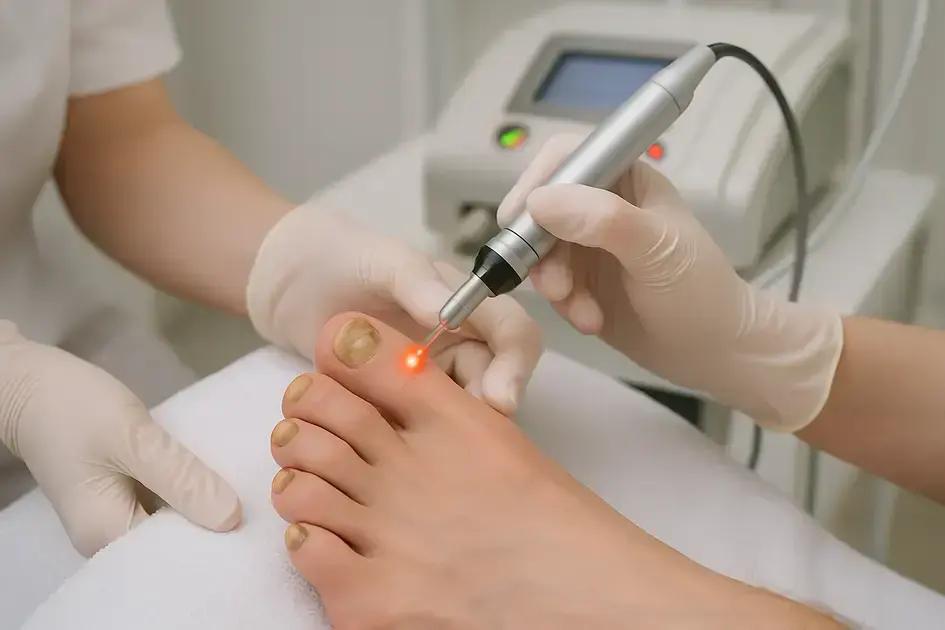
Laser treatment for toenail fungus effectively eliminates infections through concentrated light energy, requiring 2 to 4 sessions, with minimal discomfort and quick recovery times.
Laser treatment for toenail fungus has gained popularity as a potential solution for those struggling with stubborn infections. But what should you really know before deciding on this route? Let’s dive into the essential details and personal stories to guide you.
Understanding toenail fungus
Toenail fungus is a common condition that affects many people, often causing discomfort and embarrassment. It occurs when fungi infect the nail bed and produce unsightly changes in the nail’s appearance. This can lead to discoloration, thickening, and sometimes a foul smell.
Fungi thrive in warm, moist environments, making the toes particularly vulnerable. Walking barefoot in public areas like gyms or pool sides can expose you to these pathogens. Prevention is key, as once the infection takes hold, it can be challenging to treat.
To identify toenail fungus, you may notice changes like brittle or crumbling nails, dark discoloration, or a lifting of the nail from the nail bed. If you suspect you have a fungal infection, it’s best to consult a healthcare professional who can provide a proper diagnosis and treatment plan.
Treatment Options
There are several treatment options available for toenail fungus, ranging from topical solutions to more advanced therapies like laser treatment. Each method has its advantages and disadvantages, so discussing with your doctor will help determine the best course of action for your situation.
What is laser treatment?

Laser treatment is a modern and innovative procedure used to address various medical conditions, including toenail fungus. This technique employs focused beams of light to target and eliminate fungal infections beneath the nail without harming the surrounding tissue.
During the procedure, the laser penetrates through the nail and into the nail bed where the fungus resides. The heat generated by the laser effectively destroys the fungus, promoting the growth of healthy nails in its place. This method is gaining popularity due to its precision, speed, and minimal pain compared to traditional treatment options.
Benefits of Laser Treatment
One of the main advantages of laser treatment is its ability to treat the fungus without the need for invasive procedures or harsh chemicals. Patients often experience a quick recovery, with little to no downtime needed. Most sessions last about 30 minutes, and many patients report seeing improvement within a few weeks following treatment.
Additionally, laser treatment typically minimizes the risk of recurrence, making it a reliable option for those who have struggled with persistent toenail infections. However, as with any treatment, results can vary, and it is essential to consult a healthcare professional to determine the best approach for your specific case.
How does laser treatment work?
Laser treatment for toenail fungus works by using concentrated light energy to penetrate the layers of the nail and nail bed. This light targets the fungal infections without harming the surrounding healthy tissue, making it a precise and effective option for treatment.
During the procedure, the healthcare provider aims the laser at the infected toenail, where it emits rapid pulses of light. These pulses generate heat that destroys the fungus, allowing the body’s natural healing processes to take over and regenerate healthy nail tissue. Most patients experience little to no discomfort during the procedure.
What to Expect During the Treatment
Before starting the treatment, the healthcare provider may recommend cleaning the toenail thoroughly. The actual laser procedure usually lasts around 30 minutes, and patients can often return to their normal activities immediately afterward. You might need multiple sessions over several weeks for optimal results.
Following the treatment, you may notice some discoloration as the nail grows out, but this is a normal part of the healing process. Maintaining good foot hygiene and keeping your feet dry can further enhance the healing and reduce the chance of future infections.
Benefits of laser treatment for toenail fungus

Laser treatment for toenail fungus offers several significant benefits compared to traditional methods. One of the main advantages is its ability to specifically target the fungal infection without damaging the surrounding healthy tissue. This precision reduces pain and promotes quicker healing.
Additionally, laser treatment is often quicker than other therapies. Each session typically lasts only about 30 minutes, making it convenient for patients with busy schedules. Many individuals see positive results after just a few sessions, which is encouraging for those who have struggled with stubborn infections.
Minimal Discomfort
Many patients report feeling little to no discomfort during the procedure. The use of lasers allows for a non-invasive approach, which means no needles or surgery are required. This makes it an attractive option for individuals who may be anxious about more invasive treatments.
Long-term Effectiveness
Another benefit of laser treatment is its long-term effectiveness. Studies have shown that this method can significantly reduce the chance of recurrence compared to topical treatments. The laser not only kills the current fungal infection but also helps prevent new infections from developing.
Furthermore, improved nail appearance is another significant benefit reported by patients. As the infected nail grows out, healthier nails replace the damaged ones, leading to a more attractive appearance.
Potential drawbacks of laser treatment
While laser treatment for toenail fungus has several advantages, it also comes with some potential drawbacks that patients should consider. Understanding these limitations can help individuals make informed decisions about their treatment options.
One of the primary drawbacks is that laser treatment can be more expensive than traditional antifungal treatments. Insurance may not cover the cost of laser sessions, leading to higher out-of-pocket expenses for those seeking this option. Checking with your insurance provider is essential to understand your coverage.
Longer Treatment Duration
Though each session is relatively quick, patients may need multiple treatments to achieve optimal results. This can extend the overall treatment timeline, potentially requiring patience and commitment. While some people may notice improvement after a few sessions, others may need more time to see results.
Not Suitable for Everyone
Laser treatment may not be suitable for all types of fungal infections or for individuals with certain medical conditions. A thorough consultation with a healthcare provider is essential to determine if this treatment is appropriate for your specific situation.
Additionally, while laser treatment is effective, there is still a possibility of recurrence. Maintaining proper foot hygiene and following preventive measures after treatment is crucial to avoid re-infection.
Comparing laser treatment to other methods
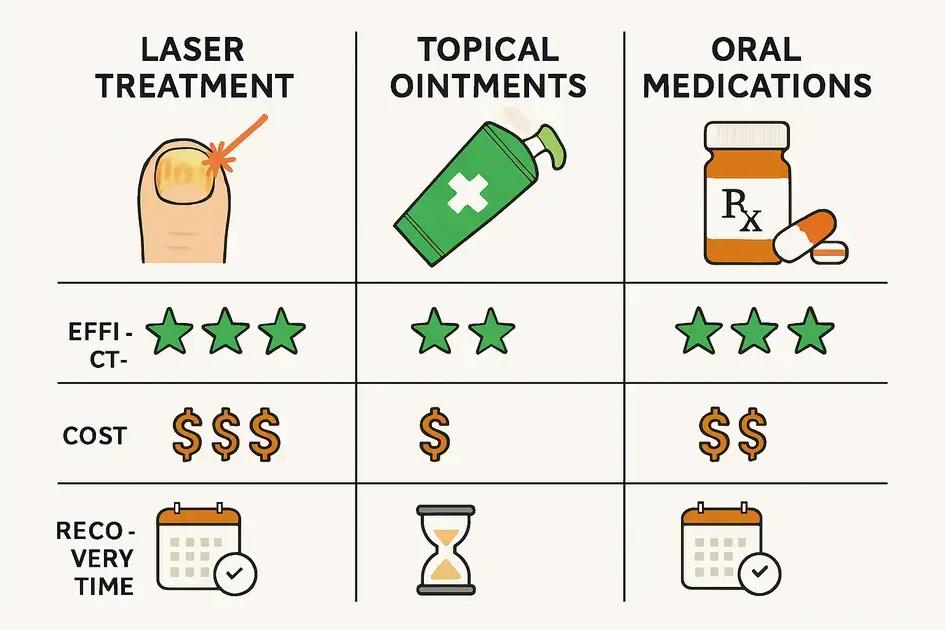
When looking for effective ways to treat toenail fungus, it’s essential to compare laser treatment with other common methods. Various options, such as topical antifungal treatments, oral medications, and even home remedies, have different effectiveness, costs, and side effects.
Topical antifungal treatments are often the first recommendation for toenail fungus. These ointments or lacquers can be easy to apply but may take longer to show results. They also require consistent use and may not penetrate deep enough to eliminate the fungus entirely.
Oral Medications
Oral antifungal medications offer another option. They tend to work more effectively than topical treatments but may carry more risk of side effects, such as liver damage or interactions with other drugs. Additionally, these medications require a prescription, making them less convenient.
Comparing Recovery Times
In terms of recovery, laser treatment usually shows results faster than either topical or oral antifungal therapies. Patients undergoing laser treatment often notice improvement in the appearance of their nails within weeks, while other methods can take months to reveal significant results.
Lastly, laser treatment carries a lower likelihood of recurrence compared to some other methods, making it a potentially more reliable solution for those with chronic infections. When considering treatment options, discussing with a healthcare provider is crucial to finding the best approach for individual circumstances.
What to expect during a treatment session
During a laser treatment session for toenail fungus, patients can expect a straightforward and efficient process. Here’s a breakdown of what typically happens during the appointment.
First, the healthcare provider will prepare the affected area by cleaning the toenail and ensuring it is free of any nail polish or treatments. This is important for the laser to effectively target the fungus beneath the nail.
The Treatment Procedure
Once prepared, the patient will sit comfortably, often in a reclining chair, while the treatment begins. The doctor will use a specialized laser device that emits concentrated light directed at the infected nail. As the laser is activated, its heat energy penetrates the nail, effectively destroying the fungus without harming the surrounding tissue.
Each laser session typically lasts about 30 minutes. Patients often report feeling minimal discomfort, similar to a warming sensation or slight tingling. Most find it to be a quick and tolerable experience.
After the Treatment
After completing the procedure, there is usually no downtime, and patients can resume their normal activities immediately. However, some may experience slight redness or sensitivity around the treated area, which typically resolves quickly. Following the treatment, it’s important to keep the nails dry and clean to promote healing and prevent future infections.
Aftercare following laser treatment

After undergoing laser treatment for toenail fungus, proper aftercare is crucial for ensuring the best results and preventing recurrence. Here are some essential aftercare steps to follow.
Immediately after the treatment, it’s important to keep the affected area clean and dry. Avoid soaking the toes in water for at least 48 hours after the session. This helps the healing process and minimizes the risk of introducing new moisture that could foster further fungal growth.
Foot Hygiene
Maintaining good foot hygiene is key to recovery. Wash your feet daily and dry them thoroughly, especially between the toes. Consider using an antifungal powder to help keep feet dry, especially if you tend to sweat.
Monitor for Symptoms
Keep an eye on the treated toenail for any changes. It is normal for the nail to look slightly different as it grows out, but watch for signs of infection, such as increased redness, swelling, or discharge. If you notice these symptoms, consult your healthcare provider.
Avoid Tight Footwear
Avoid wearing tight shoes or socks for a few weeks after treatment to prevent irritation and allow the nail to heal properly. Opt for open-toed shoes or sandals whenever possible during the recovery phase.
Lastly, remember that results aren’t immediate. The nail may take several months to grow in fully and replace the infected nail. Patience and adherence to these aftercare guidelines will help ensure a healthy recovery.
Who is a good candidate?
Determining who is a good candidate for laser treatment for toenail fungus involves understanding a few key factors. This treatment option can be effective for many individuals, but it is important to consider specific conditions before proceeding.
First, a good candidate is someone who has been diagnosed with toenail fungus. This diagnosis can typically be made by a healthcare professional after a physical examination or lab tests. If you have persistent symptoms such as nail discoloration, thickening, or pain, seeking a diagnosis is the first step.
Previous Treatment Attempts
Individuals who have tried other treatments, such as topical solutions or oral medications, without success may find laser treatment to be a suitable option. This method can be particularly beneficial for those who have struggled with recurring infections despite other therapies.
Overall Health Considerations
Being generally healthy is also a factor in being a good candidate. Although laser treatments have fewer side effects than some medications, patients with certain medical conditions, like severe diabetes or compromised immune systems, should consult their healthcare provider before proceeding. Ensuring that your health is stable will contribute to a better outcome.
Age Considerations
While **laser treatment** can be effective for adults of any age, younger children may not be considered prime candidates due to the growing nature of their nails. It is essential for parents to discuss options with a healthcare provider if they suspect nail fungus in their children.
Ultimately, the best way to determine if you are a good candidate for laser treatment is to consult with a healthcare professional. They can assess your situation and guide you toward the most effective treatment for your toenail fungus.
Potential side effects of laser treatment

While laser treatment for toenail fungus is generally safe and effective, it is important to be aware of potential side effects that may occur. Understanding these effects can help patients prepare and manage any unusual symptoms post-treatment.
One common side effect is temporary redness or swelling around the treated nail. This occurs as the laser energy can increase blood flow to the area, but it usually subsides within a few hours. Patients should not be alarmed if they notice mild discomfort in the treated area.
Skin Irritation
In some cases, patients may experience skin irritation or a burning sensation following the procedure. While this is typically mild, it can be uncomfortable. Using aloe vera gel or cold compresses can help alleviate these sensations post-treatment.
Changes in Nail Appearance
As treated nails grow out, some individuals might notice color changes in the nail. It is not uncommon for the nail to appear white or have a cloudy appearance initially. However, as new nail growth occurs, the appearance will generally improve.
Risk of Infection
Though rare, there is a slight risk of infection after laser treatment. This can happen if proper aftercare is not followed, especially during the healing period. Patients are advised to keep the area clean and dry to minimize this risk.
If any side effects persist or worsen, it’s essential to contact a healthcare provider for further evaluation. Overall, most patients find that the benefits of laser treatment far outweigh the potential side effects, making it a viable option for treating toenail fungus.
Success rates of laser therapy
The success rate of laser therapy for toenail fungus is a critical factor for patients considering this treatment option. Research has shown that many individuals experience significant improvement after undergoing laser treatment.
Studies indicate that laser therapy can achieve success rates of around 70% to 90% based on various factors, including the severity of the infection, the number of treatment sessions completed, and the individual’s overall health. Most patients notice positive changes within a few months after treatment, as the infected nail gradually grows out.
Factors Influencing Success Rates
Several factors can influence the effectiveness of laser therapy. For instance, early intervention often leads to better outcomes. Patients who seek treatment at the first signs of infection are likely to experience faster healing and higher success rates compared to those with more advanced infections.
Importance of Multiple Sessions
Completing a series of laser sessions as recommended by the healthcare provider is also crucial. Typically, patients may require 2 to 4 sessions spaced several weeks apart to achieve optimal results. Adhering to the treatment plan significantly enhances the likelihood of eliminating the fungus completely.
Long-Term Effectiveness
While many patients see immediate improvements, the long-term effectiveness of laser therapy is also considered. Follow-up studies indicate that patients who maintain good foot hygiene and adhere to aftercare recommendations can experience durable results. However, some individuals might still be at risk for recurrence if they are predisposed to fungal infections due to factors like moisture and poor circulation.
Cost considerations for laser treatment

When considering laser treatment for toenail fungus, understanding the cost considerations involved is essential for making an informed decision. The expense can vary based on several factors, including the treatment provider, location, and the number of sessions required.
On average, the cost of a single laser treatment session can range from $300 to $600. This price typically includes the consultation, the procedure, and any necessary follow-up appointments. Many patients may require between 2 to 4 sessions to achieve optimal results, which can significantly increase the overall cost of treatment.
Insurance Coverage
Another important aspect to consider is whether your health insurance will cover any part of the treatment. Many insurance plans consider laser treatment to be a cosmetic procedure and may not cover the costs. It’s essential to check with your insurance provider beforehand to understand your financial responsibilities.
Hidden Costs
In addition to the treatment fees, patients should be aware of potential hidden costs. These can include consultation fees, costs for topical treatments that may be recommended after the procedure, or other related expenses. Discussing all potential costs upfront with your healthcare provider can help prevent any surprises.
Financing Options
For individuals concerned about the cost, many treatment facilities offer financing options or payment plans. These arrangements can make laser treatment more accessible by allowing patients to spread the costs over time. Always inquire about such options when evaluating different providers.
Patient testimonials and experiences
Patient testimonials and experiences provide valuable insights into the effectiveness of laser treatment for toenail fungus. Many individuals share their journeys to recovery, highlighting both the benefits and challenges they faced during the process.
One common theme among positive testimonials is the speed of treatment. Patients often describe feeling relieved that they could address their toenail fungus in just a few short sessions. For many, seeing improvements in the appearance of their nails within weeks boosts their confidence and encourages continued adherence to foot care.
Real-Life Results
Another frequent sentiment is the noticeable improvement in nail health. Many patients report that the thick, discolored nails they once had transformed into clear and healthy nails after laser therapy. This change not only enhanced their appearance but also helped them feel more comfortable wearing open-toed shoes.
Addressing Concerns
Conversely, some testimonials mention concerns about the cost and the need for multiple sessions. While many patients are satisfied with the results, a few expressed surprise at the financial commitment required for effective treatment. However, many ultimately felt that the results justified the expense.
Overall, most patients emphasize the importance of following post-treatment care instructions. Those who maintained proper foot hygiene and adhered to recommended practices tended to avoid recurrence and experienced the best outcomes.
Patient stories shed light on the personal significance of overcoming toenail fungus and how laser treatment has positively impacted their lives.
Frequently asked questions about laser therapy

When considering laser therapy for toenail fungus, patients often have several questions. Here are some frequently asked questions that can help clarify the treatment process.
1. How does laser therapy work? Laser therapy uses concentrated light energy to target and eliminate fungal infections beneath the toenail without damaging the surrounding tissue. The heat generated by the laser destroys the fungus effectively.
2. Is laser therapy painful? Most patients report minimal discomfort during the procedure. Some describe the sensation as a warm or tingling feeling. The treatment is generally well-tolerated and does not require anesthesia.
3. How many sessions will I need? The number of sessions required can vary based on the severity of the infection, but most individuals need between 2 to 4 sessions. Each session is typically spaced a few weeks apart to allow healing.
4. What should I expect after the treatment? After the procedure, patients may experience mild redness or swelling around the treated nail. It’s important to follow aftercare instructions to promote healing and minimize any risk of recurrence.
5. Will my insurance cover the treatment? Many insurance providers consider laser therapy a cosmetic procedure and may not cover it. It’s essential to check with your insurance company to understand your potential out-of-pocket costs.
6. How long until I see results? Many patients notice improvements in nail appearance within a few weeks, but complete results can take several months as the nail grows out. Patience is key, as new healthy nail growth will eventually replace the infected nail.
These FAQs can help individuals feel more informed and prepared for laser therapy, contributing to a more positive treatment experience.
Future advancements in fungal treatments
The future of fungal treatments, particularly for toenail fungus, looks promising with advancements in technology and understanding of fungal infections. Researchers are continuously exploring new methods that could enhance the effectiveness of current treatments.
1. Enhanced Laser Technologies: One area of advancement is in laser technology. Newer lasers with improved wavelengths are being developed to target fungal cells more effectively. This could lead to faster treatment times and better success rates.
2. Genetic Research: Ongoing research into the genetic makeup of fungi is providing insights into how they operate and resist treatments. This knowledge could pave the way for the development of targeted therapies that disrupt fungal growth more effectively.
3. Combination Therapies: Future treatments may also involve combination therapies that utilize multiple approaches, such as lasers in conjunction with antifungal medications. This strategy could enhance the overall effectiveness of treatment and reduce the chances of recurrence.
4. Novel Antifungal Agents: The discovery of new antifungal agents specifically designed to combat resistant strains of fungi is another exciting advancement. These agents may work in different ways than current medications, providing more options for individuals suffering from stubborn infections.
5. Personalized Medicine: As with many areas of healthcare, the application of personalized medicine in fungal treatments is on the horizon. Tailoring treatments to the individual patient based on their specific fungal infection type, genetics, and health profile could significantly improve outcomes.
As technology continues to evolve, the landscape of fungal treatments will benefit from these advancements, offering hope for those affected by toenail fungus and other fungal infections.
In Summary: Understanding Laser Treatment for Toenail Fungus
Laser treatment for toenail fungus offers a modern solution to a common problem. It provides patients with an effective way to eliminate fungal infections without the side effects often associated with traditional medications.
Throughout this journey, we explored the benefits of laser therapy, including its high success rates and minimal discomfort during treatment. We discussed what to expect during treatment sessions and shared valuable patient testimonials that highlight real-life experiences.
Looking ahead, advancements in technology promise to further improve fungal treatments, making them even more effective and personalized. As research continues, we can expect new and innovative approaches to address toenail fungus.
Ultimately, understanding the options available can empower you to make informed decisions about your foot health. If you’re considering laser treatment, consult with a healthcare professional to see if it’s the right choice for you.
FAQ – Frequently Asked Questions about Laser Treatment for Toenail Fungus
What is laser treatment for toenail fungus?
Laser treatment for toenail fungus uses focused light energy to target and destroy the fungal infection under the nail without harming surrounding tissue.
How many sessions of laser treatment will I need?
Most patients require between 2 to 4 sessions of laser treatment to achieve optimal results, depending on the severity of the infection.
Is laser treatment painful?
Most patients report minimal discomfort during the procedure, often describing it as a warm or tingling sensation.
How long does it take to see results?
Patients may start noticing improvements in their nail appearance within a few weeks, but complete results can take several months as the nail grows out.
Does insurance cover laser treatment for toenail fungus?
Many insurance plans consider laser treatment to be cosmetic and may not cover the costs. It’s important to check with your insurance provider before proceeding.
What are the potential side effects of laser treatment?
Possible side effects include temporary redness or swelling around the nail, mild discomfort, and changes in nail appearance as it grows out.