To maintain healthy scalp and hair, focus on a balanced diet rich in essential nutrients, use products suited for your hair type, and consider natural remedies along with professional treatments for any specific scalp issues.
Best hair products for scalp health play a vital role in ensuring your scalp stays nourished and healthy. Have you ever wondered how the right products can transform your hair care routine? In this article, we’ll explore the top choices that can help you achieve that.
Understanding scalp health
Understanding scalp health is essential for maintaining not just beautiful hair, but also optimal hair growth. The scalp serves as the foundation for hair, making its health directly linked to how your hair looks and feels.
Importance of Scalp Health
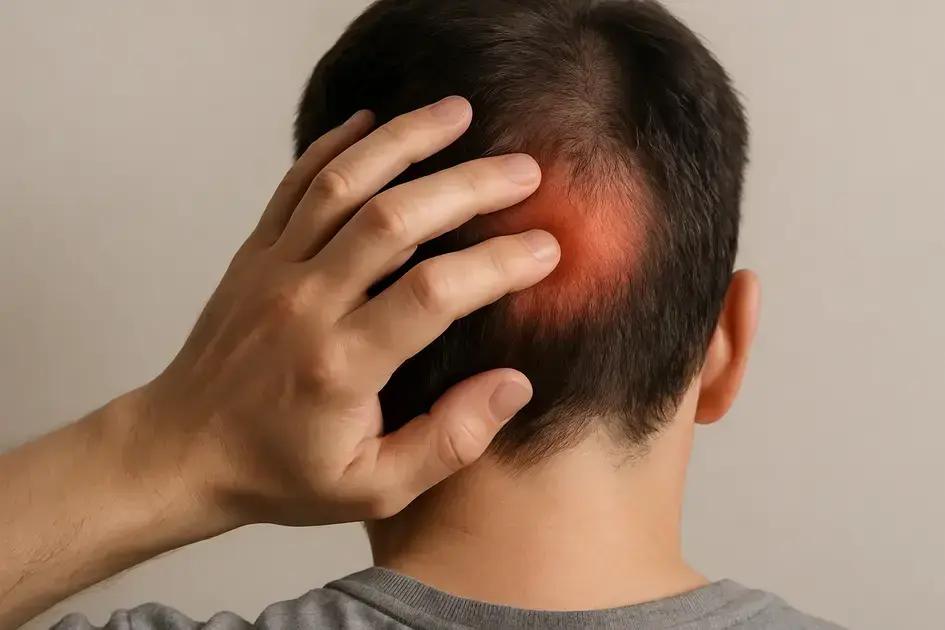
The scalp contains numerous hair follicles, which are responsible for the growth of each hair strand. When the scalp is healthy, hair can grow efficiently, resulting in thicker and fuller hair. A compromised scalp may lead to issues like hair thinning, dryness, or dandruff.
Common Scalp Issues
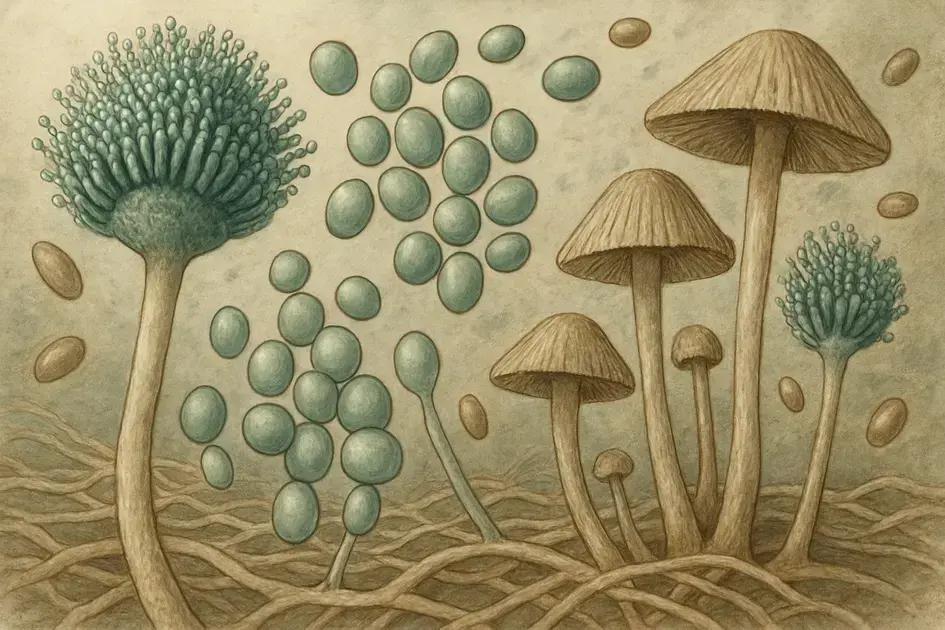
Some common scalp problems include dandruff, itchiness, and oiliness. Dandruff can be caused by dry skin or an overgrowth of a yeast-like fungus. An itchy scalp often results from irritation or allergies to hair products, while an oily scalp can lead to clogged follicles and discomfort.
Maintaining Scalp Health
To keep your scalp healthy, regular cleansing is important. Using a gentle shampoo designed for your specific scalp type can help maintain the right balance of oils. Additionally, incorporating exfoliation into your routine can remove dead skin cells, promoting better scalp health and shedding buildup.
The Role of Nutrition
Nutrition is also a crucial factor for maintaining a healthy scalp. Eating a balanced diet rich in vitamins such as Vitamins A, D, and E, as well as omega-3 fatty acids, can promote scalp health. Staying hydrated is equally important for keeping the scalp moisturized and healthy.
The importance of choosing the right hair products
Choosing the right hair products is essential for maintaining healthy hair and a vibrant scalp. With a vast array of products available, it is important to understand which ones are best suited for your specific hair type.
Product Ingredients Matter
The ingredients in hair products directly affect your hair and scalp health. Look for products containing natural ingredients like aloe vera, coconut oil, or sheal butter. These can provide moisture and nourishment. Avoid harsh chemicals such as sulfates and parabens, as they can strip hair of its natural oils and cause irritation.
Tailoring Products to Your Hair Type
Different hair types require different types of products. For instance, curly hair often benefits from moisturizing creams that define curls, while fine hair might need volumizing shampoos that add body without weighing it down. Knowing your hair type is key to selecting the right products.
Assessing Your Scalp Needs
Just as important as your hair is the health of your scalp. If you suffer from dandruff or an oily scalp, choose products specifically formulated to target those issues. Scalp treatments, such as exfoliating scrubs or special shampoos, can make a significant difference in overall scalp health.
Trial and Error
Finding the right products can sometimes involve trial and error. Don’t be afraid to try different brands and formulations until you find what works best for you. Keep track of how your hair responds to different products to make informed choices in the future.
Key ingredients for scalp health
Choosing products rich in key ingredients is vital for maintaining healthy scalp health. These ingredients help nourish, soothe, and protect your scalp, allowing for better hair growth and overall well-being.
Tea Tree Oil
Tea tree oil is known for its natural antibacterial and antifungal properties. It can help reduce dandruff and soothe an itchy scalp. Incorporating tea tree oil into your hair care products can promote a healthier, balanced scalp.
Aloe Vera
Aloe vera is a powerhouse of hydration, making it perfect for dry scalps. Its soothing properties can help alleviate irritation and provide moisture to the scalp. Look for shampoos and conditioners that contain aloe vera to keep your scalp refreshed.
Biotin
Biotin, also known as Vitamin B7, plays a crucial role in maintaining healthy hair and scalp. It helps strengthen hair follicles and promotes new growth. Including biotin in your hair care routine can enhance the overall health of your scalp.
Salicylic Acid
This ingredient is commonly found in anti-dandruff shampoos. Salicylic acid helps exfoliate the scalp by removing dead skin cells. This keeps your scalp clear of buildup and can help prevent flakiness.
Jojoba Oil
Jojoba oil closely resembles natural scalp oils, making it a great choice for hydration. It can help balance oil production and soothe dryness, promoting a healthy environment for hair growth.
Top natural remedies for a healthy scalp
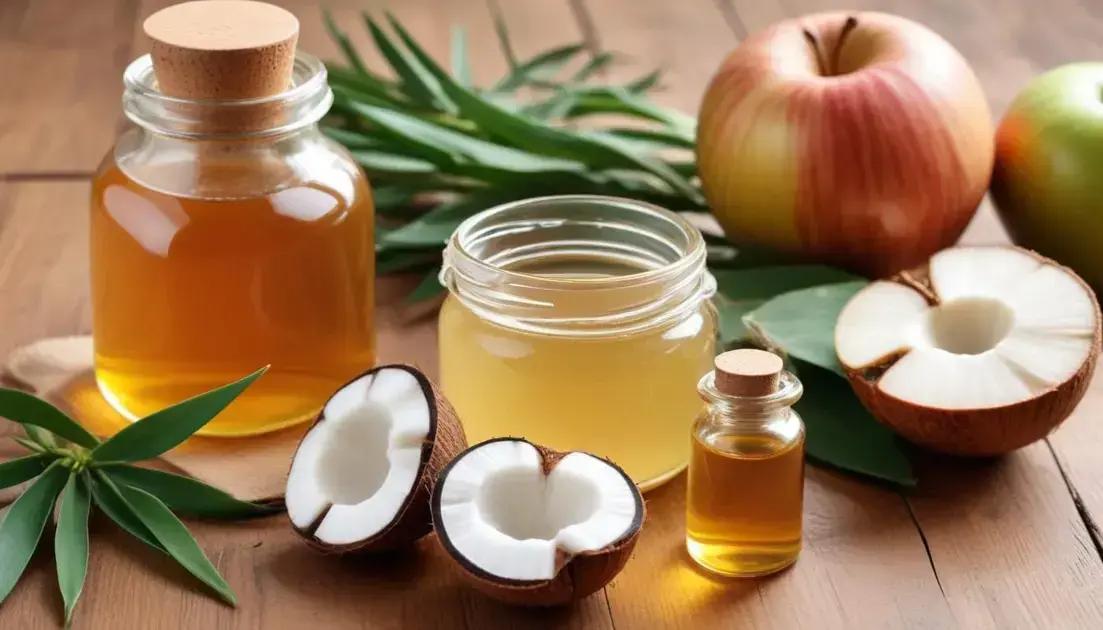
Exploring natural remedies can significantly contribute to the health of your scalp. These remedies are often gentle yet effective, using ingredients that you may already have at home.
Coconut Oil
Coconut oil is widely known for its moisturizing properties. Applying it to the scalp can help alleviate dryness and reduce flakiness. Massage it into the scalp to boost circulation and promote hair growth.
Apple Cider Vinegar
Apple cider vinegar is another great natural remedy. It can help restore the scalp’s natural pH balance, reducing dandruff and itchiness. Mix equal parts of apple cider vinegar and water, apply to the scalp, and rinse after a few minutes.
Honey
Honey is a natural humectant that attracts moisture. Its antibacterial properties can also help relieve irritation and keep the scalp healthy. Apply a mixture of honey and water to the scalp and leave it on for 20-30 minutes before washing it out.
Aloe Vera Gel
Aloe vera gel has soothing properties that can calm an irritated scalp. It is packed with vitamins and nutrients. Apply fresh aloe vera gel directly to the scalp and leave it on for an hour before rinsing.
Tea Tree Oil
Tea tree oil is known for its antifungal and antibacterial properties. Dilute a few drops of tea tree oil in a carrier oil, such as jojoba oil, and apply it to the scalp to treat dandruff and reduce inflammation.
How to identify your scalp type
Identifying your scalp type is crucial for choosing the right hair care products. Understanding your scalp can help you maintain healthy hair and prevent common scalp issues.
Normal Scalp
A normal scalp is neither too oily nor too dry. If your scalp feels comfortable and you have minimal flaking or itching, you likely have a normal scalp. This type can handle a variety of hair products without any problems.
Oily Scalp
If your scalp tends to feel greasy shortly after washing, you likely have an oily scalp. Oily scalps produce excess sebum which can lead to issues like dandruff and clogged hair follicles. Look for products formulated for oily hair that can help control the oiliness.
Dry Scalp
A dry scalp often feels tight or itchy and may produce dandruff. If your scalp shows these signs, you may need to use more moisturizing products. Ingredients like coconut oil or aloe vera can be beneficial for a dry scalp.
Combination Scalp
Some people experience both oily and dry areas, which is known as a combination scalp. You might notice an oily area in your crown while your sides feel dry. This can require using different products tailored to both scalp types.
Testing for Scalp Type
To identify your scalp type, wash your hair with a gentle shampoo and do not apply any products. After 24 hours, observe how your scalp feels. This simple test can help determine if your scalp is oily, dry, or normal.
Best hair oils for scalp health
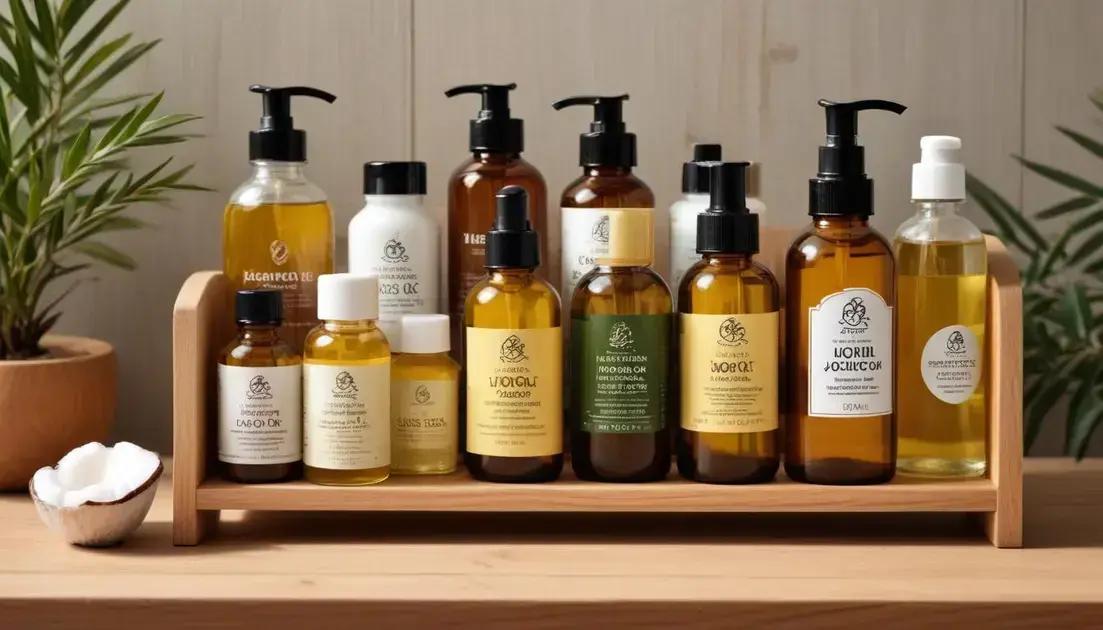
Using the best hair oils can greatly improve your scalp health. These oils not only nourish the scalp but also promote hair growth and enhance overall hair appearance.
Coconut Oil
Coconut oil is one of the most popular oils for scalp health. Rich in fatty acids, it penetrates the hair shaft to provide deep moisture. Its antimicrobial properties also help keep the scalp healthy and free from infections.
Jojoba Oil
Jojoba oil mimics the natural oil produced by the scalp, making it an excellent choice for moisture. It helps balance oil production and can soothe dry or irritated skin. Jojoba oil can also unclog hair follicles and promote a healthy environment for hair to grow.
Argan Oil
Argan oil is loaded with antioxidants and essential fatty acids, making it fantastic for scalp health. It hydrates and nourishes the scalp while reducing inflammation. Regular use can help improve the overall appearance of your hair.
Tea Tree Oil
Tea tree oil is well known for its antiseptic properties. It’s particularly effective for treating dandruff and keeping the scalp clean. However, it should always be diluted with a carrier oil before application to prevent irritation.
Olive Oil
Olive oil is another excellent option for scalp nourishment. It’s rich in vitamins and antioxidants, promoting scalp hydration and reducing redness or itching. Applying olive oil can also help strengthen hair, reducing hair loss.
Conditioners that nourish the scalp
Using the right conditioners can greatly enhance scalp health. Conditioners designed for scalp nourishment can provide hydration, promote healing, and balance oil production.
Ingredients to Look For
When selecting a conditioner, look for ingredients that are beneficial for the scalp. Aloe vera is great for soothing irritation and adding moisture. Additionally, panthenol can help strengthen hair while keeping the scalp hydrated.
Tea Tree Oil Conditioners
Conditioners containing tea tree oil are ideal for those dealing with dandruff or a flaky scalp. Tea tree oil has antifungal properties that help keep the scalp clear and free from irritation.
Hydrating Conditioners
If you have a dry scalp, consider using a rich moisturizing conditioner. Look for products containing coconut oil or jojoba oil, which can provide deep hydration and help restore scalp balance.
Scalp Exfoliating Conditioners
Some conditioners are formulated with exfoliating agents that help remove dead skin cells from the scalp. This can be particularly effective in preventing buildup and flakiness. Ingredients like salicylic acid can gently exfoliate while conditioning the hair.
Usage Tips
To get the most out of your conditioner, massage it directly onto the scalp during application. This not only helps distribute the product evenly but also promotes blood circulation to the scalp, enhancing its health.
Shampoos that promote scalp care
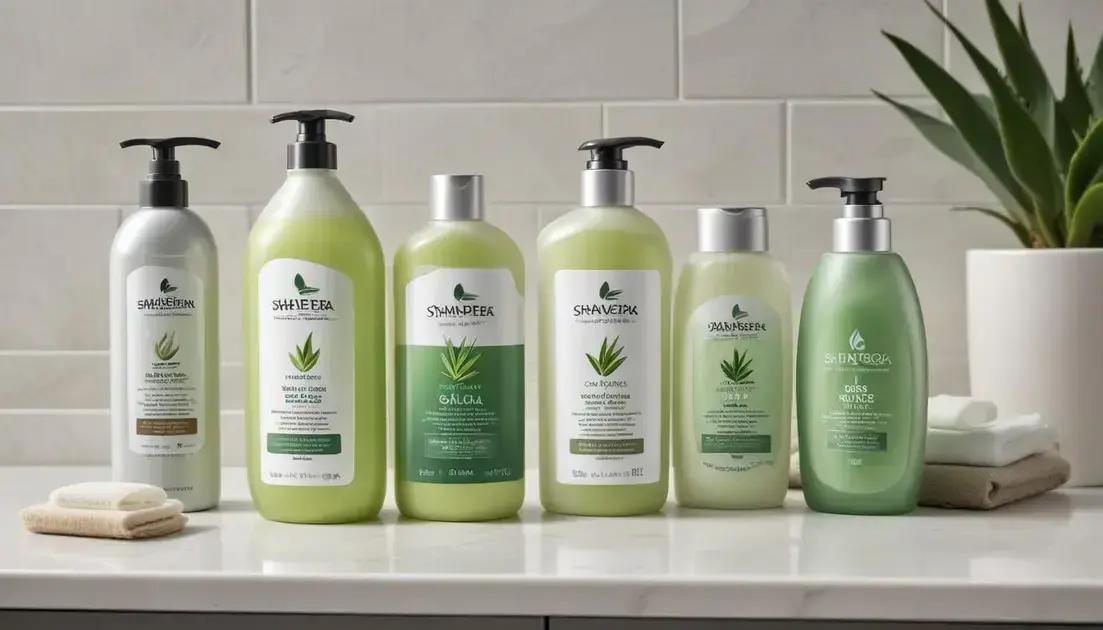
Choosing the right shampoo is essential for promoting scalp care. A good shampoo not only cleanses the hair but also addresses various scalp issues, ensuring a healthy environment for hair growth.
Gentle Cleansing Ingredients
Look for shampoos that contain gentle cleansing agents, such as sulfates-free formulas. These shampoos can effectively clean the scalp without stripping it of natural oils. Ingredients like cocamidopropyl betaine are great alternatives that provide cleansing without harsh effects.
Moisturizing Properties
Shampoos that include moisturizing ingredients like glycerin or aloe vera help maintain scalp hydration. These ingredients can soothe dry scalps and reduce flakiness, promoting a healthier scalp.
Anti-Dandruff Shampoos
If you struggle with dandruff, opt for shampoos that contain zinc pyrithione or selenium sulfide. These active ingredients target the fungus that causes dandruff while soothing the scalp. Using these shampoos regularly can significantly reduce flakes and irritation.
Natural Ingredients
Shampoos enriched with natural ingredients like tea tree oil, lavender, or chamomile can provide additional benefits. Tea tree oil has antifungal properties, while chamomile can soothe and calm the scalp, making it ideal for sensitive skin.
Frequency of Use
How often you wash your hair with shampoo can affect scalp health. If you have an oily scalp, you may need to wash daily, while those with dry hair might benefit from every other day. Finding the right balance is key for maintaining a healthy scalp.
Exfoliation and its benefits for scalp health
Exfoliation is an important step in maintaining scalp health. Just like the skin on our face, the scalp can benefit from regular exfoliation to remove dead skin cells and promote a healthy environment for hair growth.
Why Exfoliate Your Scalp?
Exfoliating the scalp helps to clear away buildup from products, excess oil, and dead skin. This buildup can clog hair follicles, leading to issues like hair thinning or dandruff. By removing these impurities, you create a healthier scalp that supports better hair growth.
Benefits of Scalp Exfoliation
1. Improved Circulation: Gently massaging the scalp while exfoliating can enhance blood circulation. This increased blood flow helps deliver essential nutrients to hair follicles, improving their health.
2. Enhanced Product Absorption: When you exfoliate, your scalp can better absorb treatments and products. This means that serums, oils, and conditioners will work more effectively.
3. Reduction of Dandruff: Regular exfoliation can help reduce dandruff by keeping the scalp clear of dead skin and other debris that may contribute to flaking.
4. Smoother Texture: Exfoliating can lead to a smoother scalp texture, which may help reduce itchiness and discomfort. A well-exfoliated scalp feels refreshed and revitalized.
How to Exfoliate Your Scalp
To exfoliate your scalp, you can use a gentle scalp scrub or a DIY mixture, such as a blend of sugar and your favorite oil. Apply the exfoliant to a damp scalp, gently massaging in circular motions for a few minutes, then rinse thoroughly.
Exfoliate your scalp once a week for optimal results, but adjust frequency based on your scalp type and sensitivity.
Lifestyle changes for healthier scalp

Making certain lifestyle changes can significantly improve your scalp health. These changes not only promote a healthier scalp but also enhance the overall condition of your hair.
Balanced Diet
Eating a balanced diet rich in vitamins and minerals is essential for scalp health. Foods high in omega-3 fatty acids, like salmon and flaxseed, can help reduce inflammation. Incorporate plenty of fruits and vegetables, which provide antioxidants that protect the scalp from damage.
Stay Hydrated
Drinking enough water is vital for maintaining moisture levels in your skin, including your scalp. Aim for at least eight glasses of water a day to keep your scalp hydrated and healthy.
Manage Stress
High stress levels can lead to various scalp issues, including hair loss. Practice stress management techniques such as yoga, meditation, or deep breathing exercises. Finding time to relax can have a positive impact on your overall well-being and skin health.
Regular Exercise
Engaging in regular physical activity improves blood flow, which helps nourish hair follicles. Aim for at least 30 minutes of exercise most days of the week to boost circulation and promote a healthy scalp.
Avoiding Harsh Chemicals
Be mindful of the hair products you use. Avoid shampoos and conditioners with harsh chemicals, which can irritate the scalp. Opt for gentle, natural products lacking sulfates and parabens to keep your scalp balanced.
Protect from Environmental Damage
Environmental factors like sun exposure and pollution can harm your scalp. When outdoors, wear a hat to shield your scalp from UV rays and use hair products that offer sun protection.
Common scalp issues and solutions
Many people face common scalp issues that can lead to discomfort and hair problems. Understanding these issues and their solutions can help you maintain a healthy scalp.
Dandruff
Dandruff is characterized by flaky, white or yellowish skin on the scalp. It can be caused by dry skin, fungal infections, or sensitivity to hair products. To address dandruff, use an anti-dandruff shampoo containing zinc pyrithione or ketoconazole. Regular exfoliation can also help remove dead skin cells and reduce flakes.
Dry Scalp
A dry scalp can feel tight and itchy and may lead to dandruff. It can result from factors like dry air, harsh shampoos, or lack of moisture. To combat a dry scalp, use a hydrating shampoo and conditioner. Incorporating oils such as jojoba or coconut oil can provide extra moisture and soothe irritation.
Oily Scalp
An oily scalp produces excess sebum, leading to greasiness and potential buildup of product. Regular washing with a gentle shampoo that targets oily hair can be beneficial. Look for ingredients like salicylic acid to help control oil production.
Itchy Scalp
Itching can be caused by various factors, including allergies, psoriasis, or fungal infections. To relieve an itchy scalp, it is important to determine the underlying cause. A medicated shampoo may help soothe irritation, and avoiding harmful hair products is essential.
Hair Loss
Sometimes, scalp issues can lead to hair loss. Conditions like alopecia areata or hormonal changes can contribute to thinning hair. Consult a dermatologist for proper diagnosis and treatment options, which may include topical treatments like minoxidil.
DIY hair care treatments for the scalp
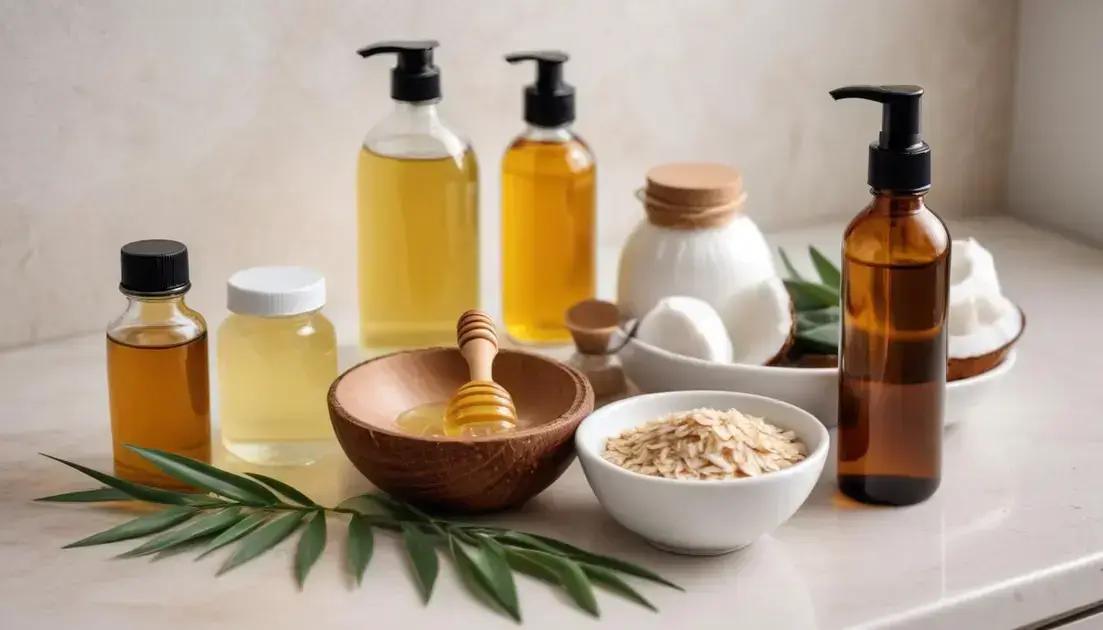
Creating your own DIY hair care treatments for the scalp can be an effective way to promote scalp health. These natural remedies are often easy to make and can address various scalp issues.
Coconut Oil and Honey Mask
This simple mask combines the moisturizing properties of coconut oil with the nourishing benefits of honey. Melt 2 tablespoons of coconut oil and mix with 1 tablespoon of honey. Apply this mixture to your scalp, massaging gently. Leave it on for 30 minutes before rinsing thoroughly with shampoo.
Aloe Vera Gel Treatment
Aloe vera is well-known for its soothing properties. To use it, simply apply fresh aloe vera gel directly to your scalp. Allow it to sit for about 30 minutes, then wash it off with a gentle shampoo. This treatment can help soothe irritation and hydrate dry scalps.
Tea Tree Oil Scalp Treatment
Tea tree oil has antifungal properties that can help keep the scalp healthy. Mix a few drops of tea tree oil with a carrier oil, such as jojoba oil or coconut oil, and massage it into your scalp. Leave it on for at least 30 minutes before washing it out. This treatment is excellent for combating dandruff.
Apple Cider Vinegar Rinse
Apple cider vinegar is great for balancing the scalp’s pH levels. Mix 1 part apple cider vinegar with 2 parts water and use it as a rinse after shampooing. Let it sit for a few minutes before rinsing it out with water. This rinse can help reduce buildup and promote shine.
Oatmeal and Yogurt Scrub
This treatment exfoliates and nourishes the scalp. Mix 1/2 cup of oats with 1/2 cup of plain yogurt. Apply this scrub to your scalp and massage gently. Leave it on for 20 minutes, then rinse well. This treatment can help remove dead skin and soothe irritation.
Professional treatments for scalp health
For those seeking enhanced scalp health, professional treatments can offer significant benefits. These treatments are designed to address various scalp issues effectively and promote overall hair wellness.
Scalp Microneedling
Scalp microneedling is a popular treatment that involves using a device with tiny needles to create micro-injuries on the scalp. This process stimulates collagen production and improves blood circulation, promoting healthier hair growth. It’s especially beneficial for individuals experiencing thinning hair or receding hairlines.
High-Quality Hair Masks
Visiting a salon for a professional hair mask can deeply nourish your scalp. These masks are typically rich in essential oils, proteins, and vitamins that hydrate and rejuvenate the scalp. Consult your stylist for a mask tailored to your specific scalp needs.
Chemical Peels
Chemical peels for the scalp can help remove dead skin cells and unclog hair follicles. This treatment often uses mild acids to exfoliate the scalp, which can reduce dandruff and improve overall scalp health. It is advisable to have a professional perform this treatment to ensure its safety and effectiveness.
Light Therapy
Light therapy utilizes specific wavelengths of light to promote healing and hair growth. This treatment can reduce inflammation and boost blood flow to the scalp, making it ideal for those with conditions like alopecia or psoriasis.
Scalp Treatments with Essential Oils
Many salons now offer specialized scalp treatments that include essential oils known for their therapeutic benefits. Oils such as tea tree, peppermint, or lavender can help soothe irritation, reduce dandruff, and improve overall scalp health.
Choosing products based on hair type
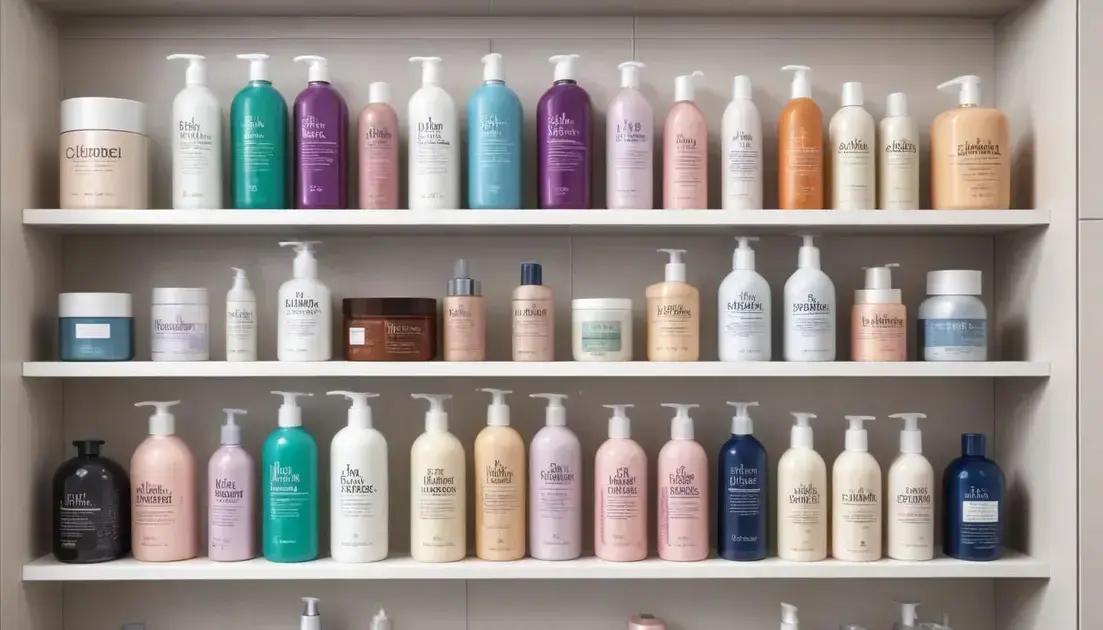
Choosing the right hair products based on your hair type is crucial for maintaining healthy hair and scalp. Different hair types have unique needs, and using the right products can make a big difference.
Identifying Your Hair Type
Your hair type can be classified into four main categories: straight, wavy, curly, and coily. Understanding your specific texture and pattern is the first step to selecting suitable products.
Products for Straight Hair
For straight hair, look for lightweight products that do not weigh your hair down. Use a gentle shampoo and a lightweight conditioner. Products with silicone can add shine and smoothness.
Products for Wavy Hair
Wavy hair benefits from products that enhance texture and provide moisture. Use a moisturizing shampoo and a curl-enhancing conditioner. Consider using a curl cream or mousse to define waves without frizz.
Products for Curly Hair
Curly hair requires hydration and definition. Look for shampoos that are sulfate-free and conditioners rich in natural oils or butters, such as shea butter. Use a leave-in conditioner or curl gel to maintain your curls.
Products for Coily Hair
Coily hair tends to be dry, so it is essential to use deeply moisturizing products. A nourishing shampoo and a heavy conditioner are vital. Look for products with ingredients like coconut oil and jamaican black castor oil for increased moisture.
Adjusting for Your Scalp Type
In addition to hair type, consider your scalp type as well. If you have an oily scalp, opt for clarifying shampoos. For a dry scalp, look for soothing and hydrating shampoos with ingredients like aloe vera.
Maintaining scalp health through diet
Maintaining scalp health is not only about the products you use but also about what you eat. A well-balanced diet can significantly affect your scalp and hair health.
Essential Nutrients for Scalp Health
Vitamins and minerals play a crucial role in keeping your scalp healthy. Vitamins like Vitamin A help promote the production of sebum, which keeps the scalp moisturized. Foods rich in Vitamin A include carrots, sweet potatoes, and spinach.
Importance of Omega-3 Fatty Acids
Omega-3 fatty acids contribute to scalp health by keeping it hydrated and reducing inflammation. Incorporating fatty fish like salmon, walnuts, and chia seeds into your diet can provide these essential fats.
Biotin and Protein Intake
Biotin, also known as Vitamin H, is important for hair and scalp health. Foods such as eggs, nuts, and oats are rich in biotin and can help strengthen hair follicles. Additionally, adequate protein intake from sources like chicken, legumes, and tofu is essential for hair structure.
Stay Hydrated
Drinking enough water is key to maintaining proper scalp hydration. Aim for at least eight glasses of water a day. Proper hydration supports cellular function and helps in the overall health of your scalp and hair.
Antioxidant-Rich Foods
Incorporating foods high in antioxidants, such as berries, green tea, and leafy greens, can help protect your scalp from oxidative stress. This is important for preventing damage and promoting a healthy environment for hair growth.
In conclusion, caring for your scalp is essential for healthy hair
By understanding your hair and scalp type, you can choose the right products that meet your specific needs. Incorporating a balanced diet rich in essential nutrients plays a vital role in maintaining scalp health.
Additionally, DIY treatments and professional options can offer targeted solutions to common scalp issues. Remember to stay hydrated and keep your scalp clean and moisturized.
With these tips, you can help ensure your scalp remains healthy, which in turn supports beautiful, vibrant hair.
FAQ – Frequently Asked Questions about Scalp Health
What are the signs of a healthy scalp?
A healthy scalp should feel comfortable, without irritation, excessive oiliness, or dryness. It should also be free from flakes and irritation.
How often should I exfoliate my scalp?
Exfoliating your scalp about once a week is recommended to remove dead skin cells and promote healthy hair growth.
What nutrients are important for scalp health?
Essential nutrients for scalp health include vitamins A, D, and E, omega-3 fatty acids, and biotin. Foods rich in these nutrients can help maintain a healthy scalp.
Can diet really affect my scalp health?
Yes, a balanced diet can greatly influence your scalp health. Nutrient-rich foods provide the needed support for your scalp and hair follicles.
What type of products should I use based on my hair type?
Choosing products that suit your hair type is crucial. For example, lightweight products work best for straight hair, while moisturizing products are better for curly or coily hair.
Are there natural remedies for scalp issues?
Absolutely! Natural remedies such as coconut oil, aloe vera, and tea tree oil can soothe the scalp and help with conditions like dryness or dandruff.