Choosing the right hair brush is essential for maintaining scalp health and supporting hair growth, with options ranging from natural bristle brushes that distribute oils effectively to synthetic brushes designed for heat styling.
If you’re curious about how choosing the right tools can enhance your hair care, the best hair brush for scalp health might just be your next best investment. Healthy hair starts with a healthy scalp, and the right brush plays a critical role in this. Let’s explore how brushing can transform your hair routine.
Understanding the importance of a healthy scalp
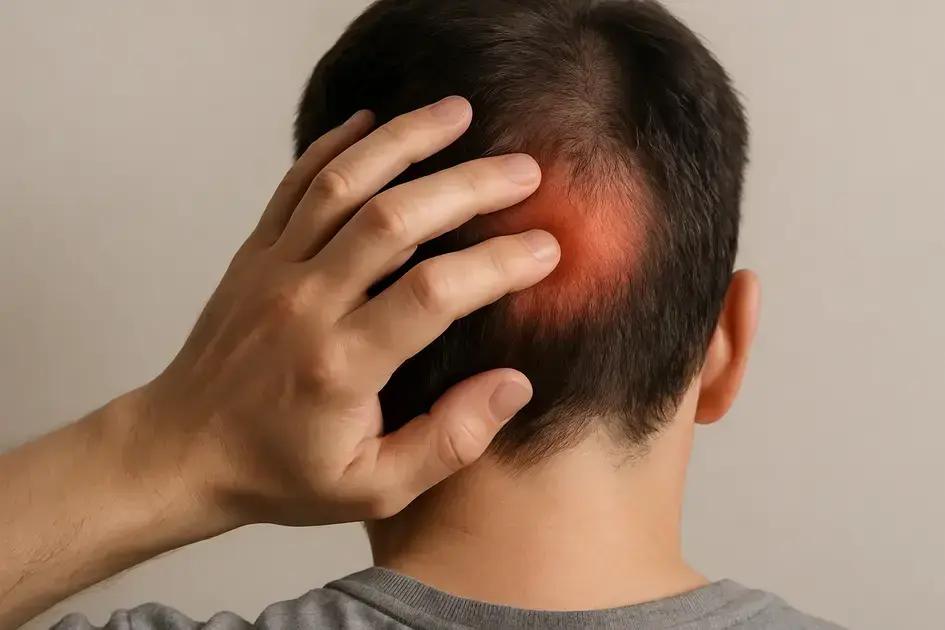
A healthy scalp is essential for beautiful hair. Understanding the importance of a healthy scalp can transform your hair care routine. A well-maintained scalp promotes hair growth and prevents issues like dandruff and itchiness.
First, let’s consider why your scalp health matters. Your scalp is the foundation for your hair, much like soil is for plants. If the soil is poor, the plants will struggle to thrive. Similarly, if your scalp is unhealthy, your hair can become weak and lifeless.
Benefits of a Healthy Scalp
Having a healthy scalp can lead to various benefits:
- Better Hair Growth: A clean and nourished scalp encourages hair follicles to produce hair more efficiently.
- Reduced Symptoms: A healthy scalp reduces issues like itching, flaking, and irritation.
- Stronger Hair: Strong follicles lead to stronger strands, decreasing the likelihood of breakage.
Regularly caring for your scalp plays a vital role in maintaining its health. This includes using the right products, avoiding excessive oil build-up, and protecting it from environmental damage.
How to Care for Your Scalp
To maintain a healthy scalp, consider these tips:
- Choose the Right Shampoo: Look for shampoos that match your hair type and are free of harsh chemicals.
- Massage Your Scalp: Gently massaging your scalp increases blood circulation, promoting better health.
- Stay Hydrated: Drink plenty of water to keep your scalp hydrated from the inside out.
Incorporating these practices into your routine allows you to enjoy the long-term benefits of a healthy scalp, ultimately leading to lush, vibrant hair.
How the right brush affects your hair health
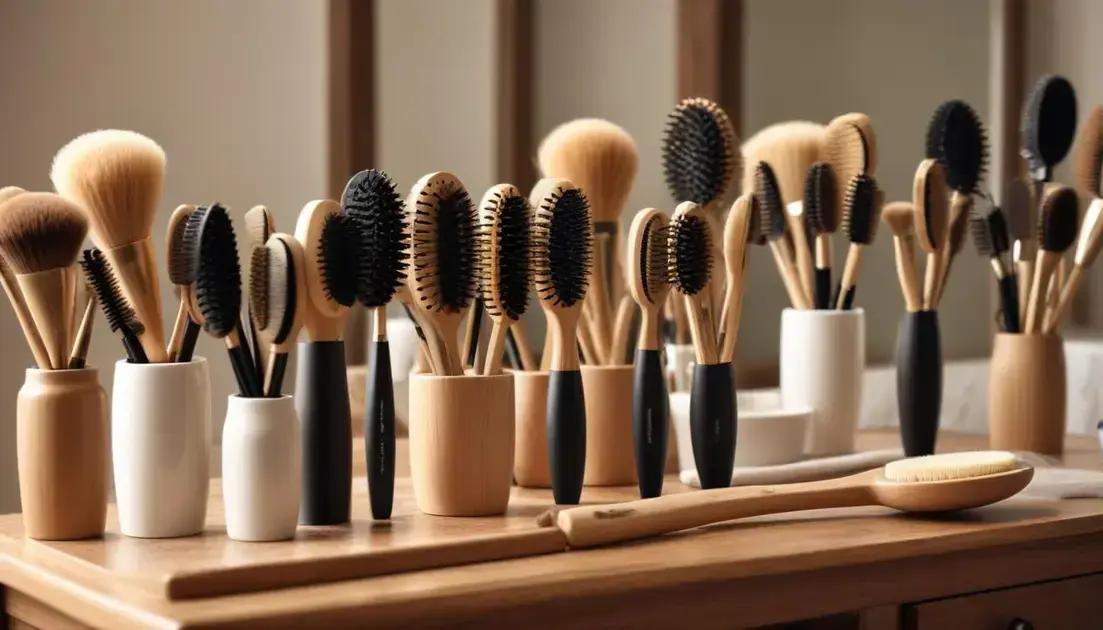
Choosing the right hair brush is crucial for maintaining your hair’s health. How the right brush affects your hair health can make a significant difference in the overall appearance and vitality of your hair.
First, it’s important to understand that different brushes serve different purposes. Using the wrong brush can lead to breakage, split ends, and even damage to the scalp.
Types of Hair Brushes and Their Effects
Here are a few common types of hair brushes and how they impact your hair:
- Paddle Brushes: Ideal for straightening and smoothing hair. They cover large sections, making them perfect for long hair, but they can be harsh on curly or wavy textures.
- Round Brushes: Great for adding volume and creating curls. These brushes also help with blow-drying but can cause tangling if used improperly.
- Wide-Toothed Combs: Best for detangling wet hair without causing damage. They are gentle and help prevent breakage.
Choosing a brush that fits your hair type can enhance shine and reduce frizz. For instance, a boar bristle brush distributes natural oils from the scalp to the ends of the hair, promoting a healthier look.
Brushing Techniques for Better Results
Along with selecting the right brush, using proper techniques is essential for hair health:
- Start at the Ends: Begin detangling from the ends of your hair and work your way up to avoid pulling and breakage.
- Be Gentle: Rough brushing can cause damage. Use soft strokes, especially on wet hair.
- Brush Regularly: Regular brushing can stimulate the scalp, promoting blood circulation and healthy growth.
By understanding how the right brush affects your hair health, you can make informed choices that lead to stronger, shinier hair.
Different types of hair brushes available
When it comes to hair care, selecting the right brush can make all the difference. Understanding the different types of hair brushes available helps you choose the best one for your hair type and styling needs.
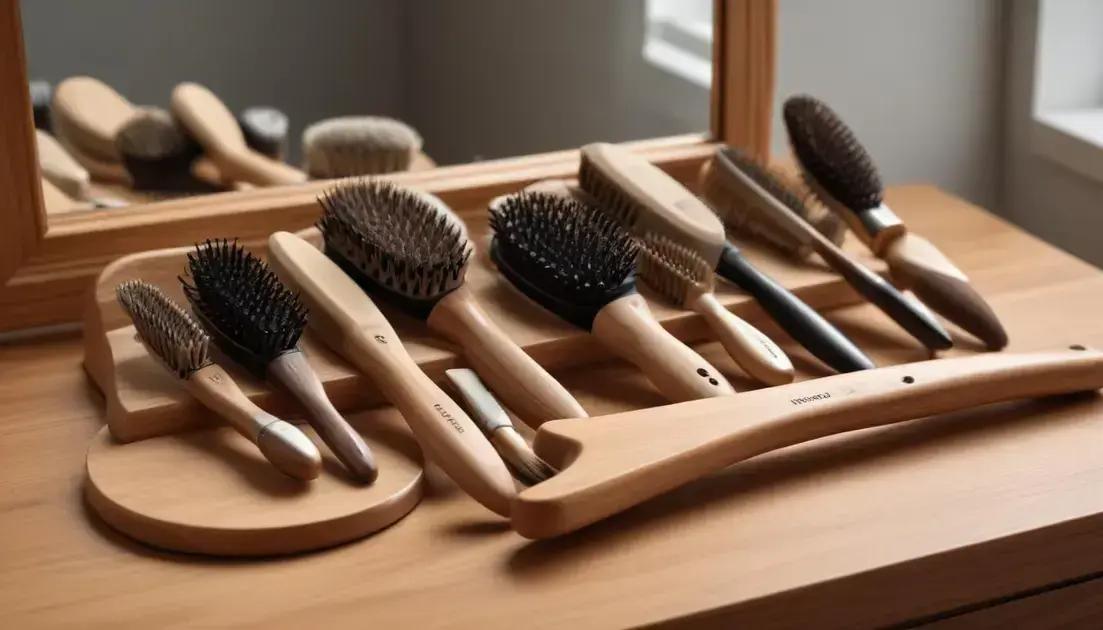
There are several categories of hair brushes, each designed for specific functions. Here are some common types:
- Paddle Brushes: These brushes have a wide, flat surface and are great for smoothing and straightening hair. They work well on long, straight hair and can help reduce frizz and static.
- Round Brushes: Ideal for adding volume and creating curls. Round brushes come in various sizes. Smaller ones are great for tight curls, while larger ones add body to straight hair.
- Wide-Toothed Combs: Perfect for detangling wet hair, these combs reduce breakage and keep your strands intact. They are suitable for all hair types, especially curly hair.
- Boar Bristle Brushes: Made from natural bristles, these brushes are excellent for distributing oils from the scalp throughout the hair. This helps to enhance shine and overall hair health.
- Vent Brushes: With gaps between the bristles, these brushes allow for airflow during blow-drying, making them ideal for styling and adding volume.
- Teasing Brushes: Specifically designed for creating volume, these brushes have densely packed bristles. They are perfect for teasing the hair at the roots.
By knowing the different types of hair brushes, you can better match your tools with your hair type and styling goals. Remember, using the right brush improves both the appearance and health of your hair.
Why bristle materials matter
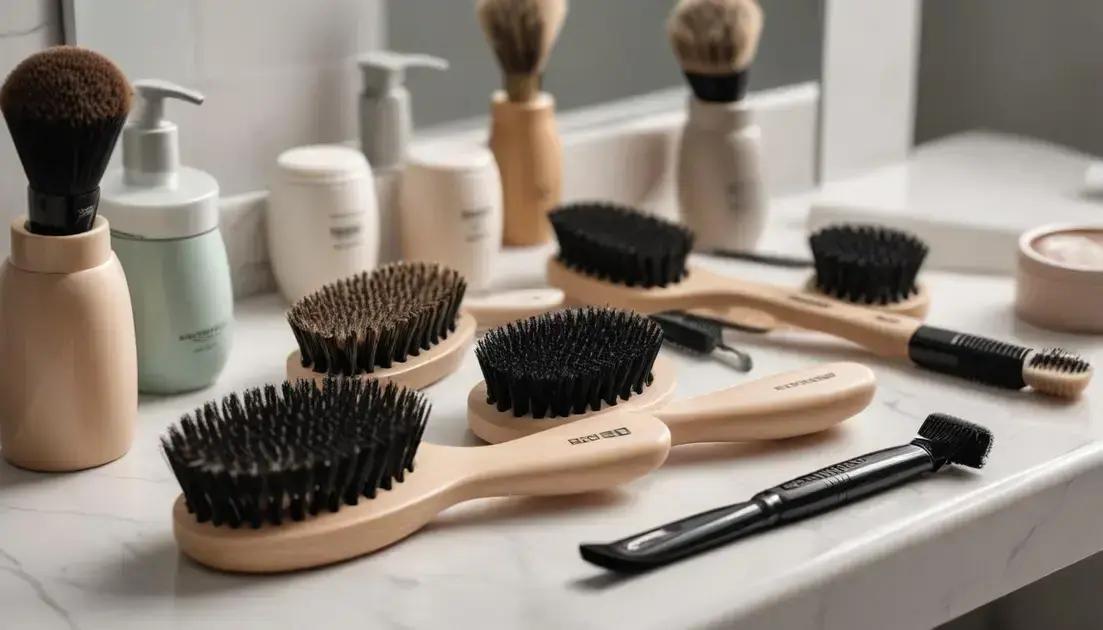
The material of the bristles in your hair brush is crucial to its effectiveness. Understanding why bristle materials matter can help you select the best brush for your hair type and desired results.
Natural bristles, like those made from boar hair, are known for their ability to distribute natural oils from the scalp down the hair shaft. This helps to enhance shine and reduce frizz. They are great for fine or medium hair types, as they provide a gentle touch and support healthier texture.
Plastic bristles are often found in hairstyling brushes. They can help detangle hair and are generally more durable than natural bristles. However, they can create static, especially in dry conditions, which may lead to frizz. They are usually better for thicker or coarser hair that requires more grip during styling.
Nylon bristles are another option. They are firm and effective for gathering hair while styling, making them suitable for blow-drying. These bristles can handle heat well but may be rough on sensitive or damaged hair.
When choosing your brush, consider your hair type and the styling you want to achieve. Using the correct bristle material can improve your hair’s overall health and appearance. For instance, if you have curly hair, a brush with wide-spaced, flexible bristles may be best to avoid breakage.
Ultimately, the right bristle material can make all the difference in maintaining healthy, beautiful hair.
Choosing a brush for your specific hair type
Choosing the right hair brush is essential for maintaining your hair’s health and appearance. Different hair types require different brushes. Here are tips on choosing a brush for your specific hair type to get the best results.
1. Straight Hair
If you have straight hair, a paddle brush is an excellent choice. Paddle brushes have a large surface area, helping to smooth and straighten your hair quickly. Look for one with nylon bristles for easy detangling without causing damage.
2. Wavy Hair
For wavy hair, a wide-toothed comb is ideal for detangling without disrupting your natural waves. After detangling, you can use a round brush during blow-drying to enhance volume and shape.
3. Curly Hair
If you have curly hair, a denman brush or a brush with flexible bristles works well to define curls. Alternatively, a wide-toothed comb is perfect for detangling when your hair is wet. Always be gentle to prevent breakage.
4. Thick or Coarse Hair
For thick or coarse hair, a boar bristle brush can distribute oils from the scalp through the hair shaft, promoting shine. A large round brush also helps to manage volume when styling.
5. Fine Hair
Individuals with fine hair should opt for a vent brush that allows for airflow while blow-drying. This helps to minimize heat damage. Avoid heavy brushes that may pull on the hair and cause breakage.
By understanding your hair type and selecting the appropriate brush, you can achieve healthier, more manageable hair.
Benefits of using a scalp massager
Using a scalp massager offers numerous benefits for both your scalp and hair health. Here are some of the key advantages:
1. Improved Blood Circulation
One of the most significant benefits of a scalp massager is that it enhances blood circulation in the scalp. Increased blood flow means more nutrients and oxygen reach your hair follicles, which helps promote healthy hair growth.
2. Reduced Stress and Tension
Massaging your scalp can also help relieve stress and tension. This relaxation can lead to an overall sense of well-being and decrease feelings of anxiety. A few minutes of massage can feel soothing and comforting, making it a great self-care practice.
3. Relief from Scalp Issues
For people suffering from scalp issues such as dandruff or itchiness, a scalp massager can provide relief. The gentle massaging action helps to dislodge flakes and debris, creating a healthier scalp environment.
4. Enhanced Shampoo and Conditioning
Using a scalp massager while shampooing can help distribute the product more evenly. It ensures that the product penetrates the scalp effectively, providing a better cleansing experience. Furthermore, when applying conditioner, a scalp massager enhances its absorption, resulting in softer, more manageable hair.
5. Increased Shine and Texture
Regular use of a scalp massager can lead to shinier and healthier hair. By promoting circulation and reducing buildup, it helps improve the overall texture and vibrancy of your hair.
Incorporating a scalp massager into your hair care routine can enhance your experience and contribute to healthier hair.
Tips for brushing hair effectively
Brushing your hair may seem simple, but doing it effectively can greatly improve the health and appearance of your hair. Here are some valuable tips for brushing hair effectively:
1. Choose the Right Brush
Using the right brush for your hair type is important. For instance, a wide-toothed comb is excellent for detangling wet hair, while a paddle brush works well for straight hair. Consider your hair’s texture and choose a brush accordingly.
2. Start at the Ends
When brushing, always start at the ends of your hair and work your way up. This method helps to gently detangle knots without causing damage to your hair. Pulling from the roots can lead to breakage.
3. Be Gentle
Use gentle strokes when brushing. Avoid yanking or tugging at your hair, as this can cause stress and lead to split ends. Take your time and be patient, especially with tangled areas.
4. Section Your Hair
For long hair or thick hair, consider sectioning your hair into smaller parts. This makes it easier to manage and ensures that you brush through all strands effectively. Clip the upper sections away and focus on the lower layers first.
5. Brush Regularly
Regular brushing helps distribute natural oils from your scalp down to the ends of your hair. Aim to brush your hair at least once a day to maintain its health and shine. Just remember to be gentle during the process.
6. Avoid Brushing Wet Hair
Wet hair is more prone to breakage, so it’s best to avoid brushing it when it’s wet. If needed, use a wide-toothed comb to gently detangle while your hair is still damp. This minimizes damage and keeps hair healthier.
7. Clean Your Brush
Lastly, regularly clean your hairbrush to remove hair, product residue, and dirt. This keeps your brush effective and helps prevent transferring any buildup back into your clean hair.
Maintaining your hair brushes
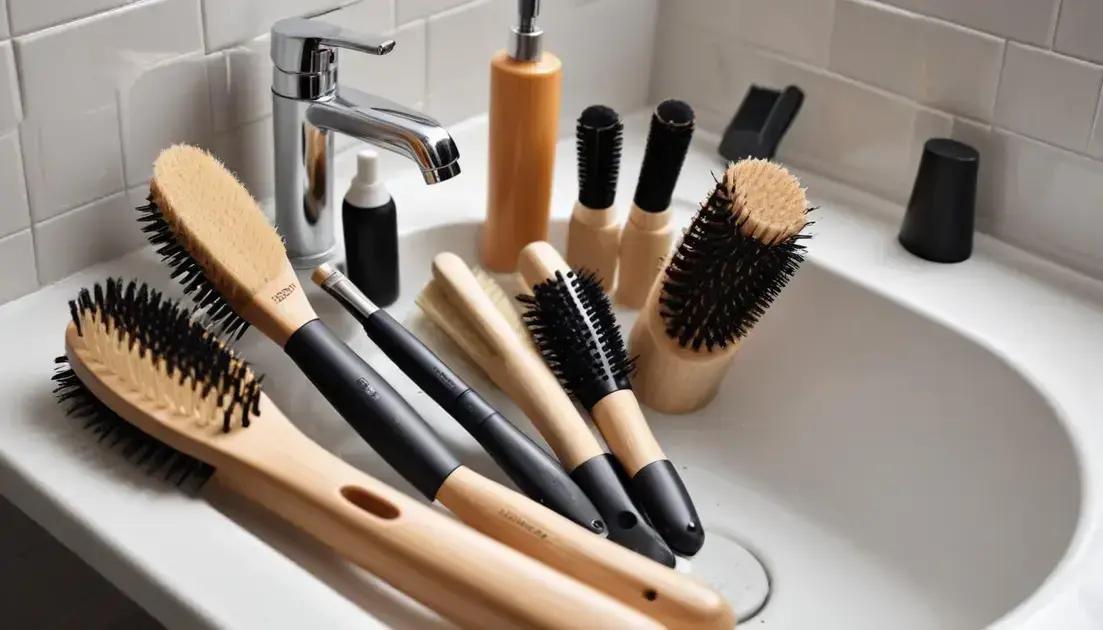
Proper care is essential for maintaining your hair brushes and ensuring they last a long time while performing effectively. Here are some practical tips for maintaining your hair brushes:
1. Regular Cleaning
It’s important to clean your brushes often to remove hair, product buildup, and dirt. Start by using your fingers or a comb to gently pull out any hair strands stuck in the bristles. Then, wash the brush in warm soapy water. Use a mild shampoo or a gentle dish soap to clean the bristles without damaging them. Rinse thoroughly and let the brush air dry.
2. Drying Techniques
Avoid soaking your brushes in water for long periods, especially those with wooden handles. After washing, gently shake off excess water and place the brush bristle-side down on a clean towel to dry. This helps prevent water from seeping into the handle, which can cause damage.
3. Avoid Heat
Keep your brushes away from high heat sources. Avoid leaving them near styling tools like blow dryers or straighteners. High temperatures can warp the bristles and reduce the effectiveness of your brush.
4. Store Properly
Store your brushes in a clean, dry place. Consider using a drawer or a brush holder to prevent them from getting damaged or tangled with other items. Keeping them upright will help maintain their shape and functionality.
5. Inspect for Damage
Regularly check your brushes for any signs of wear and tear. If you notice broken bristles or a worn-out handle, it might be time to replace the brush. Using damaged brushes can lead to hair breakage and ineffective styling.
6. Use Brushes for Their Purpose
Be mindful of using each brush for its intended purpose. For example, use a round brush for blow-drying and a paddle brush for smoothing. Using brushes as they were designed helps maintain their integrity and effectiveness over time.
By following these maintenance tips, you can ensure your hair brushes stay in good condition, helping you achieve beautiful hair consistently.
Common brushing mistakes to avoid
Brushing your hair may seem straightforward, but there are common mistakes many people make that can lead to damage and poor results. Here are some common brushing mistakes to avoid:
1. Brushing Wet Hair
One major mistake is brushing your hair when it is wet. Wet hair is more fragile and prone to breakage. Instead, use a wide-toothed comb to gently detangle wet hair, starting from the ends and working your way up.
2. Starting from the Roots
Many people start brushing from the roots, which can create tension and lead to tangles. Always begin at the ends of your hair. This reduces stress on strands and helps avoid breakage.
3. Using the Wrong Brush
Not all brushes are created equal. Using a brush that is not suitable for your hair type can cause damage. For example, fine hair needs a gentle brush, while thick, curly hair benefits from a brush that can handle thicker strands. Always choose the right tool for your hair type.
4. Skipping Regular Cleaning
Another mistake is not cleaning your brushes regularly. Hair and product buildup can make brushes less effective and even contribute to scalp issues. Clean your brushes every few weeks to keep them functioning well.
5. Being Too Rough
Brushing too hard can damage your hair. Use gentle strokes rather than pulling or tugging at knots. A light touch helps minimize breakage and keeps your hair healthy.
6. Not Sectioning Hair
For long or thick hair, skipping the sectioning process can be a mistake. Take the time to divide your hair into smaller sections for easier and more effective brushing, which helps you avoid tangles.
7. Neglecting Brush Maintenance
Failure to maintain your brushes can affect their performance. Make sure to regularly remove hair from your brushes and keep them clean. Proper maintenance helps ensure they last longer and remain effective.
By avoiding these common brushing mistakes, you can keep your hair healthier, shinier, and more manageable.
The role of brush care in scalp health
Maintaining your brushes is essential for not just your hair but also your scalp health. Here’s how the role of brush care in scalp health can make a significant difference:
1. Reducing Buildup
Regularly cleaning your brushes helps to remove hair products, dirt, and oils that can accumulate over time. When these substances build up, they can irritate your scalp and lead to issues like dandruff and itchiness. A clean brush ensures that you’re not transferring dirt back onto your scalp when you style your hair.
2. Preventing Scalp Irritation
Using a dirty brush can introduce bacteria and fungi to your scalp, which may cause irritation and infections. By caring for your brushes, you reduce the risk of such irritants affecting your scalp health. Always clean your brushes to prevent these issues.
3. Enhancing Hair Growth
A clean brush promotes better blood circulation on the scalp when used correctly. This can stimulate hair follicles and encourage healthy hair growth. When your brush is clean and well-maintained, it contributes to a healthier scalp, which can lead to improved hair growth.
4. Improving the Effectiveness of Hair Products
When you apply hair products, using a clean brush helps distribute these products evenly. This ensures that your scalp gets the full benefits of any treatments or conditioners you use. A clean brush allows for better absorption and effectiveness of hair care products.
5. Maintaining Brush Quality
Caring for your brushes not only benefits your scalp but also helps prolong the life of the brushes themselves. Regular cleaning and proper storage prevent damage and ensure that the bristles remain intact and effective.
In summary, taking the time to care for your brushes is essential for a healthy scalp. By avoiding buildup, preventing irritation, and supporting hair growth, you’re investing in both your hair and scalp health.
When to replace your hair brush
Knowing when to replace your hair brush is essential for maintaining healthy hair and scalp. Here are some signs that indicate it might be time for a new brush:
1. Worn Out Bristles
If the bristles of your brush are bent, broken, or missing, it is time to replace it. Worn-out bristles cannot effectively distribute natural oils or smooth your hair, which can lead to frizz and tangling.
2. Accumulated Dirt and Buildup
Over time, brushes can accumulate hair products, dust, and oils. If your brush remains dirty even after regular cleaning, it may be time to invest in a new one. A clean brush contributes to a healthier scalp and better hair care.
3. Uneven or Tangles Hair After Brushing
If you notice that your hair becomes more tangled or feels uneven after brushing, it is a sign that your brush isn’t working effectively. This can lead to breakage and damage, indicating that a replacement is needed.
4. Changes in Hair Type
Your hair type can change due to factors like aging, health changes, or hair treatment (like coloring). If your brush no longer caters to your current hair type, it is essential to choose a brush that meets your new needs.
5. Frequent Static
If you experience excessive static when using your brush, the bristles may be worn or damaged. This can lead to flyaways and frizz. A new brush can help minimize static and keep your hair looking smooth.
6. Unpleasant Odor
Sometimes, brushes can develop an unpleasant odor due to product buildup or moisture. If a deep cleaning does not eliminate the smell, it might be time to discard the brush and get a new one.
7. Itching or Irritation on Scalp
If you experience itching or irritation on your scalp after using your brush, it could be a sign that it needs replacing. A damaged brush can irritate the scalp and cause discomfort.
By recognizing these signs, you can ensure that you are using a brush that promotes healthy hair and scalp.
Natural vs. synthetic bristles
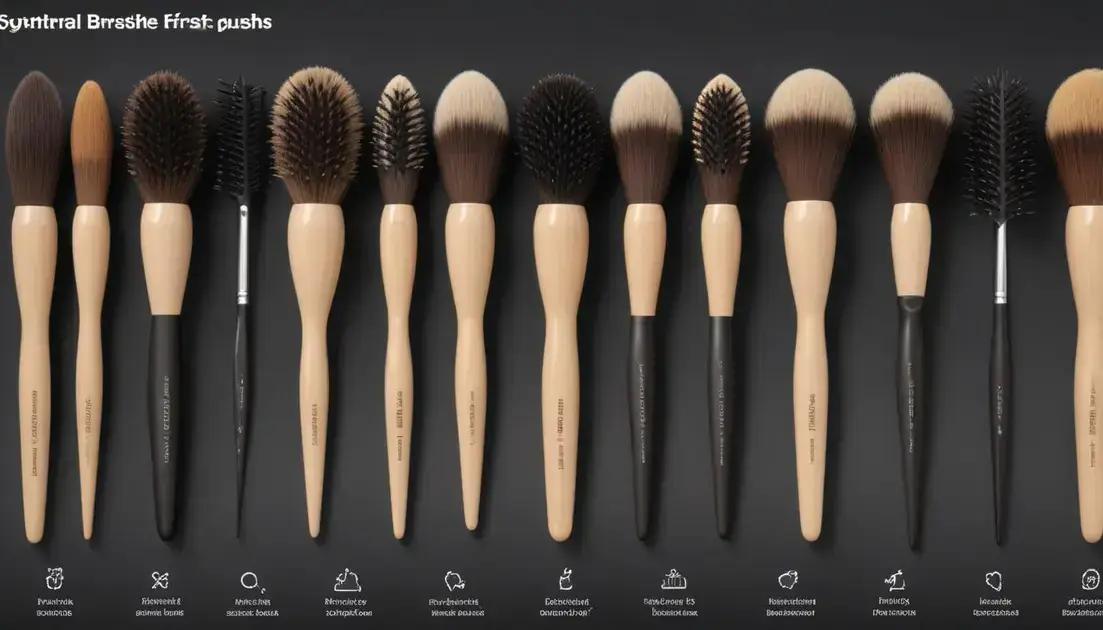
When choosing a hairbrush, you will encounter two main types of bristles: natural and synthetic. Understanding the differences between natural vs. synthetic bristles can help you select the best brush for your needs.
1. Natural Bristles
Natural bristles are typically made from animal hair, such as boar or horsehair. Here are some benefits and considerations:
- Benefits: Natural bristles are great for distributing the scalp’s natural oils throughout the hair. This helps to enhance shine and reduce frizz. They also tend to be gentler on the hair and scalp.
- Considerations: These brushes can be more expensive and may require special care, such as avoiding excessive moisture to prevent damage.
2. Synthetic Bristles
Synthetic bristles are made from materials like nylon or polyester. Here are the advantages and concerns:
- Benefits: Synthetic brushes are often more affordable and durable. They come in various shapes and sizes, making them versatile for different hair types. They can handle heat well, which is ideal for styling tools.
- Considerations: They may not distribute natural oils as effectively as natural bristles, which could lead to frizz in some hair types. Additionally, they can generate static electricity.
3. Which One to Choose?
Your choice between natural and synthetic bristles should depend on your hair type and styling needs. If you have fine or damaged hair, a natural bristle brush might be more beneficial. On the other hand, if you need something that works well with heat and is budget-friendly, a synthetic brush could be the better option.
Both types of bristles have their pros and cons. Understanding these differences can help you select the best brush that meets your hair care requirements.
Top brands for scalp health-friendly brushes
Choosing the right hair brush can support your scalp health. Here are some of the top brands for scalp health-friendly brushes that you might consider:
1. Mason Pearson
This brand is known for its high-quality brushes made with natural bristles. Mason Pearson brushes help distribute natural oils throughout the hair and stimulate the scalp, making them a favorite among professionals.
2. Wet Brush
Wet Brush offers a range of brushes designed to detangle hair gently, even when it’s wet. Their flexible bristles minimize breakage and are safe for all hair types, promoting a healthier scalp.
3. Tangle Teezer
The Tangle Teezer is highly regarded for its unique design, which helps to detangle hair without pulling. Its effective bristle system is suitable for both wet and dry hair, making it great for scalp health.
4. boar bristle brushes by Olivia Garden
Olivia Garden’s boar bristle brushes are excellent for distributing natural oils and improving shine. They are gentle on the scalp and can help reduce frizz, supporting a healthy scalp environment.
5. Aveda
Aveda brush products are made with sustainable materials and designed to be gentle on the scalp. Aveda brushes help with healthy styling while promoting overall hair and scalp wellness.
6. Chris Vos
Chris Vos brushes offer a range of products that combine the best of synthetic and natural bristles, designed to care for your scalp while styling. Their brushes enhance shine and manageability.
Investing in a high-quality brush from one of these brands can enhance your hair care routine and promote healthier scalp conditions. Choose a brush that suits your hair type and styling needs for the best results.
How often should you brush your hair?
The frequency of brushing your hair can impact its health and appearance. Here are some guidelines on how often you should brush your hair to maintain its vitality:
1. Hair Type Matters
Your hair type plays a significant role in how often you should brush it. For instance:
- If you have fine hair, brushing 1-2 times a day can help prevent tangles without causing breakage.
- If you have thick or curly hair, you might need to brush less frequently, around 2-3 times a week. This will help reduce frizz and damage.
- If your hair is wavy, consider brushing when it’s wet using a wide-toothed comb to detangle without disrupting the natural wave pattern.
2. Daily Brushing
Brushing your hair daily can help distribute natural oils from your scalp through the hair shaft, which keeps your hair moisturized and shiny. Aim for about 100 strokes a day if your hair is healthy and manageable. However, be gentle to avoid breakage.
3. Avoid Over-Brushing
While brushing is beneficial, over-brushing can lead to damage. If your hair feels tangled or brittle, reduce the frequency of brushing. Look out for signs of breakage and adjust your routine accordingly.
4. Brushing After Washing
It’s essential to brush your hair after washing it to prevent tangles. Use a wide-toothed comb to gently detangle wet hair, starting from the ends and working your way up. This minimizes breakage and keeps your scalp healthy.
5. Consider Your Activities
If you are active or sweat a lot, you may need to brush your hair more frequently to remove dirt and product buildup. Keeping your scalp clean and fresh is vital for maintaining hair health.
In general, the key is to listen to your hair. Adjust your brushing frequency based on its needs to keep it looking beautiful and healthy.
The connection between scalp health and hair growth
The relationship between scalp health and hair growth is crucial for anyone looking to maintain vibrant and healthy hair. Here are some key points about this connection:
1. Nourishment from the Scalp
A healthy scalp provides the necessary nutrients for hair follicles. If your scalp is clean and well-nourished, it can support stronger and healthier hair growth. Proper blood circulation in the scalp allows for better delivery of vitamins and minerals to the hair roots.
2. Effects of Dandruff and Irritation
Conditions like dandruff or scalp irritation can hinder hair growth. When the scalp is inflamed or flaking, it can obstruct hair follicles, leading to weaker growth or even hair loss. Keeping the scalp free from irritants is essential for promoting hair health.
3. Sebum Balance
The scalp produces natural oil known as sebum, which is essential for maintaining moisture in the hair. An imbalance—either too much or too little sebum—can negatively affect hair growth. Regular brushing and gentle cleansing help to keep this balance, contributing to healthier hair.
4. Scalp Treatments
Incorporating scalp treatments into your hair care routine, such as exfoliation or the use of oils, can stimulate hair growth. Scalp massages can also enhance blood flow and promote healthier follicle function, further aligning with effective hair growth.
5. Stress and Scalp Health
Stress can lead to unhealthy scalp conditions. High levels of stress can affect hormone levels and blood flow, leading to poor hair growth. Engaging in relaxation techniques and scalp care can help mitigate this issue, promoting a healthier environment for hair growth.
Overall, maintaining a healthy scalp through proper care is vital for optimal hair growth. By focusing on scalp health, you can significantly improve the condition and appearance of your hair.
In Summary: Caring for Your Hair and Scalp
Taking care of your hair starts with understanding the importance of your scalp’s health. Regular brushing, using the right tools, and maintaining cleanliness are essential for fostering beautiful hair.
Choosing the right brushes, knowing when to replace them, and understanding the connection between scalp health and hair growth can make a big difference. Incorporating these practices into your routine helps in achieving healthy, shiny hair.
By prioritizing your scalp and hair care, you can enjoy the benefits of stronger hair and a healthy scalp. Remember, your hair care journey is unique, and the right tools and techniques can enhance your overall hair quality.
FAQ – Frequently Asked Questions About Hair and Scalp Care
How often should I brush my hair?
It depends on your hair type. For fine hair, brushing 1-2 times a day can help prevent tangles. For thick or curly hair, brushing 2-3 times a week is often sufficient.
What are the benefits of using natural bristle brushes?
Natural bristle brushes help distribute your scalp’s natural oils throughout your hair, enhancing shine and reducing frizz.
When should I replace my hair brush?
You should replace your hair brush when the bristles are worn out, when it accumulates dirt and buildup that can’t be cleaned, or if it causes tangles when brushing.
How does scalp health affect hair growth?
A healthy scalp provides the necessary nutrients for hair follicles, while conditions like dandruff can hinder hair growth by blocking hair follicles.
What products can I use to maintain a healthy scalp?
Scalp treatments like exfoliating scrubs, natural oils, and gentle shampoos can help maintain a healthy scalp environment for better hair growth.
How do I know if my hair brush is causing damage?
If you notice increased tangling, breakage, or irritation on your scalp after using your brush, it may be causing damage and should be reconsidered.