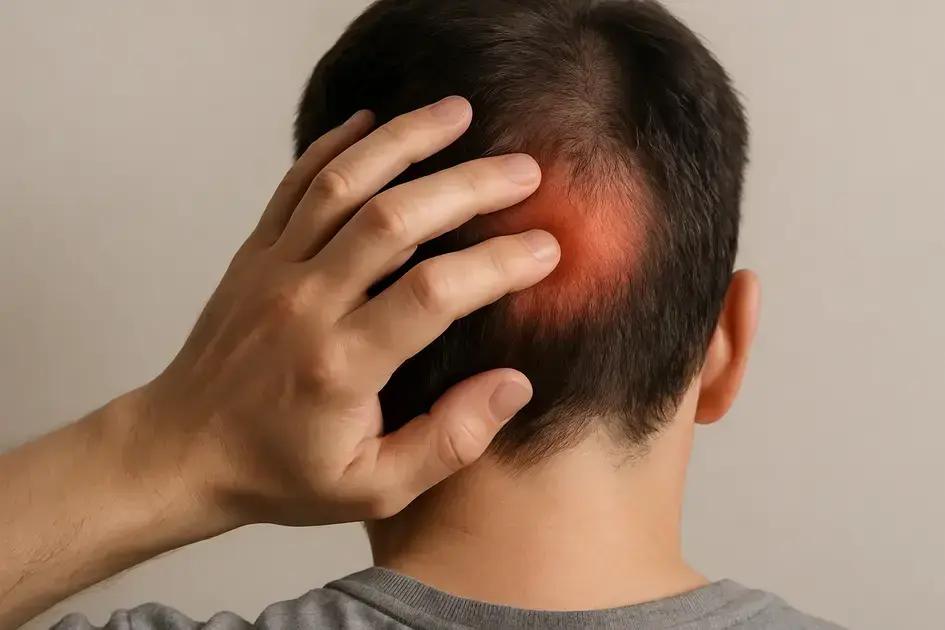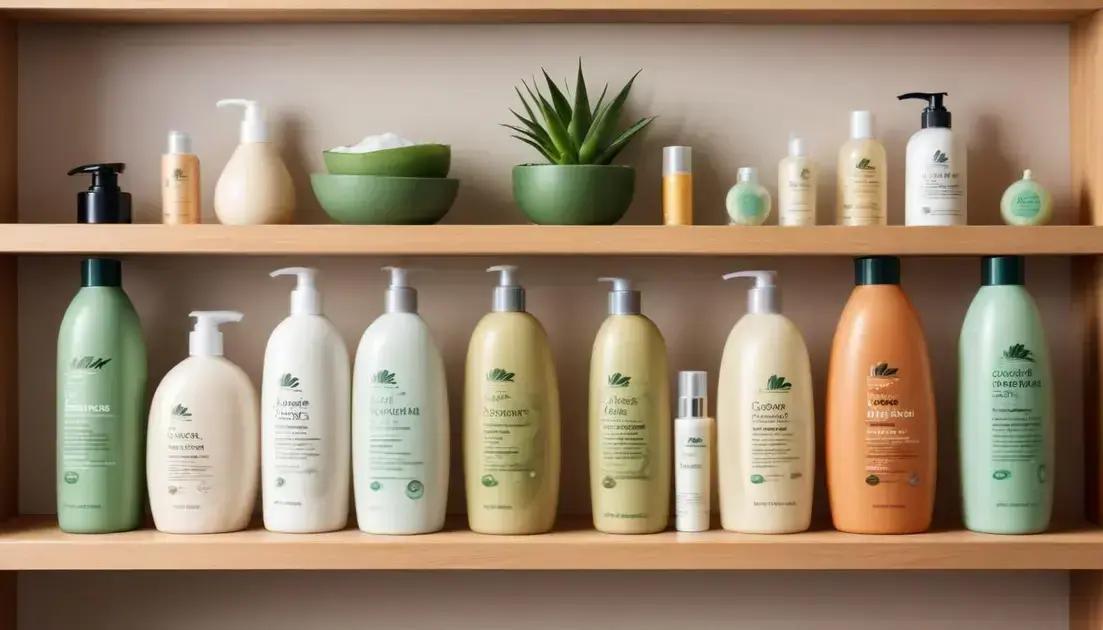
Proper hair care involves using suitable products based on your hair type, maintaining a balanced diet, managing heat exposure, and consulting professionals for personalized advice to ensure healthy and vibrant hair.
When it comes to achieving healthy hair, choosing the right products is crucial. The best shampoo and conditioner for hair health can make all the difference, but how do you find the ones that truly work? Let’s explore the options available and help you make informed choices for your locks.
Understanding hair health basics
Understanding hair health is essential for achieving beautiful and vibrant locks. Hair is made up of a protein called keratin, and maintaining its health involves a balance of moisture, nutrients, and proper care practices.
What Affects Hair Health?
Various factors can influence the overall health of your hair. One critical aspect is nutrition. Eating a balanced diet rich in vitamins and minerals can significantly improve hair growth and strength. Foods high in omega-3 fatty acids, such as salmon and walnuts, are great for scalp health.
Moisture and Hydration
Another factor to consider is moisture. Hair needs to be well-hydrated to remain elastic and strong. Using the right conditioner can help lock in moisture and prevent dryness and breakage. Look for products that feature ingredients like aloe vera and glycerin to restore hydration.
Hair Care Practices
Lastly, proper hair care practices play a significant role in maintaining health. Avoiding excessive heat styling, using gentle hair ties, and minimizing chemical treatments can help preserve the integrity of your hair. Regular trims also ensure that split ends are managed, promoting healthier hair overall.
Key ingredients in shampoo and conditioner
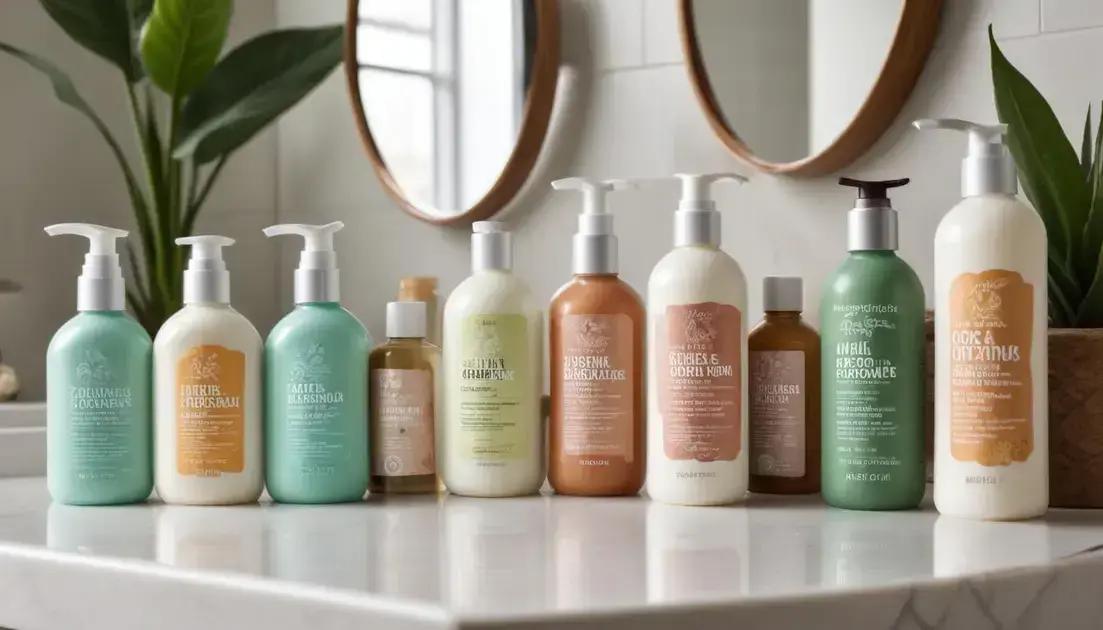
Choosing the right shampoo and conditioner is key for healthy hair. Several ingredients can boost your hair’s appearance and strength. Understanding these ingredients can help you make informed choices.
Surfactants
Commonly found in shampoos, surfactants help to create lather and remove dirt and oil from the hair and scalp. Look for gentle options like coconut-derived surfactants to avoid stripping natural oils.
Moisturizing Agents
Ingredients like glycerin and aloe vera are essential for hydration. These components draw moisture into the hair, keeping it soft and manageable. A good conditioner will contain these moisturizing agents to enhance hair’s texture.
Proteins
Proteins, such as keratin and silk, are vital for strengthening hair. They work by repairing damage and providing structure. If your hair is damaged or weak, look for products that include these proteins.
Natural Oils
Natural oils like argan oil and jojoba oil provide nourishment and shine. They help to smooth hair cuticles, reducing frizz and improving overall appearance. Adding a product with these oils can make a significant difference.
Vitamins and Antioxidants
Some shampoos and conditioners are enriched with vitamins such as B5 and E, which promote healthy growth and protect hair. Antioxidants help combat damage from environmental factors, keeping your hair looking vibrant.
How to choose the right products for your hair type
Choosing the right products for your hair type is essential for maintaining healthy, beautiful hair. Different hair types require different care, so understanding your unique needs is key.
Identify Your Hair Type
Start by determining if your hair is straight, wavy, curly, or coily. Each type has its own characteristics and needs. For instance, curly hair often benefits from thicker creams, while straight hair may require lighter formulas.
Consider Hair Texture
Next, assess your hair’s texture. Is it fine, medium, or thick? Fine hair tends to be more delicate, so use lightweight products that won’t weigh it down. Thick hair, on the other hand, often needs more moisture and control.
Watch for Scalp Conditions
Your scalp health also plays a vital role. If you have an oily scalp, look for clarifying shampoos that help remove excess oil. For a dry scalp, choose moisturizing shampoos that hydrate while cleansing.
Ingredient Awareness
Pay attention to ingredients. Products with natural oils like jojoba or argan oil can provide nourishment for dry hair. Also, avoid harsh sulfates that can strip essential oils from your hair.
Personal Preferences
Don’t forget about your personal preferences. Some people prefer fragrant products, while others may search for fragrance-free options due to sensitivities. Choose products that feel right for you and match your lifestyle.
The role of pH balance in hair care
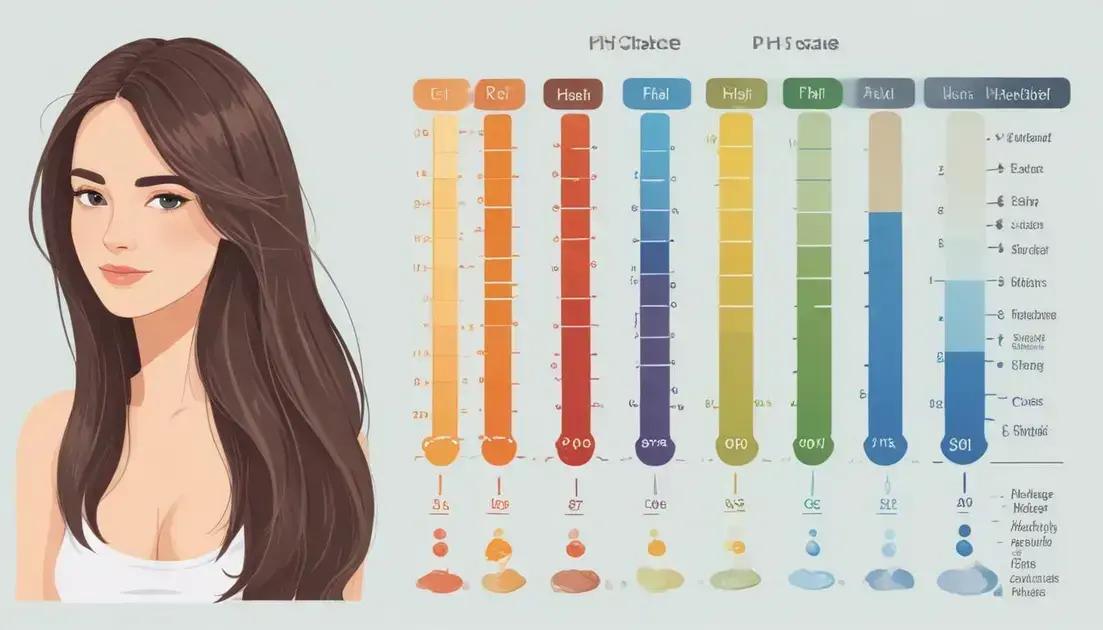
The pH balance of hair products is crucial for maintaining healthy hair and scalp. Understanding what pH is and how it affects your hair can enhance your hair care routine.
What is pH?
pH stands for potential of hydrogen and measures acidity or alkalinity on a scale from 0 to 14. A pH level of 7 is considered neutral. Hair and scalp are healthiest when products used on them fall within the 4.5 to 5.5 range.
Importance of pH for Hair
Using products that are too alkaline can lift the hair cuticles, leading to dryness and damage. On the other hand, products with low pH can help to close the cuticles, resulting in smoother, shinier hair. Therefore, keeping hair products at a balanced pH is essential for protecting hair.
How to Maintain pH Balance
To maintain a healthy pH balance, choose shampoos and conditioners formulated specifically for your hair type. Look for labels that indicate they are pH-balanced. Additionally, rinsing hair with cool water can help to seal the cuticles and maintain moisture.
pH Testing at Home
You can test the pH of your hair products using pH strips. Simply apply a small amount of the product to the strip and compare the color to the pH scale provided. This can help you determine if your products are suitable for your hair.
Benefits of sulfate-free shampoos
Sulfate-free shampoos are increasingly popular for those seeking a gentler option for hair care. These products do not contain sulfates, which are harsh cleansing agents found in many traditional shampoos.
Gentle Cleansing
One of the main benefits of sulfate-free shampoos is their gentle cleansing ability. They effectively remove dirt and oil without stripping essential moisture from your hair and scalp. This makes them suitable for people with sensitive skin or conditions like eczema.
Better for Color-Treated Hair
If you have color-treated hair, sulfate-free shampoos are a must. Regular shampoos can fade color and lead to dull locks. Sulfate-free formulas help maintain vibrancy and extend the life of your hair color.
Reduced Frizz and Damage
Using sulfate-free shampoos can lead to less frizz and breakage. These products are usually more hydrating, helping to smooth the hair cuticles and reduce frizz, making your hair look healthier and shinier.
Eco-Friendly Options
Many sulfate-free shampoos are also environmentally friendly. They often contain natural ingredients and avoid harmful chemicals that can impact the ecosystem. Choosing these products can support sustainable beauty practices.
Conditioners that nourish and protect
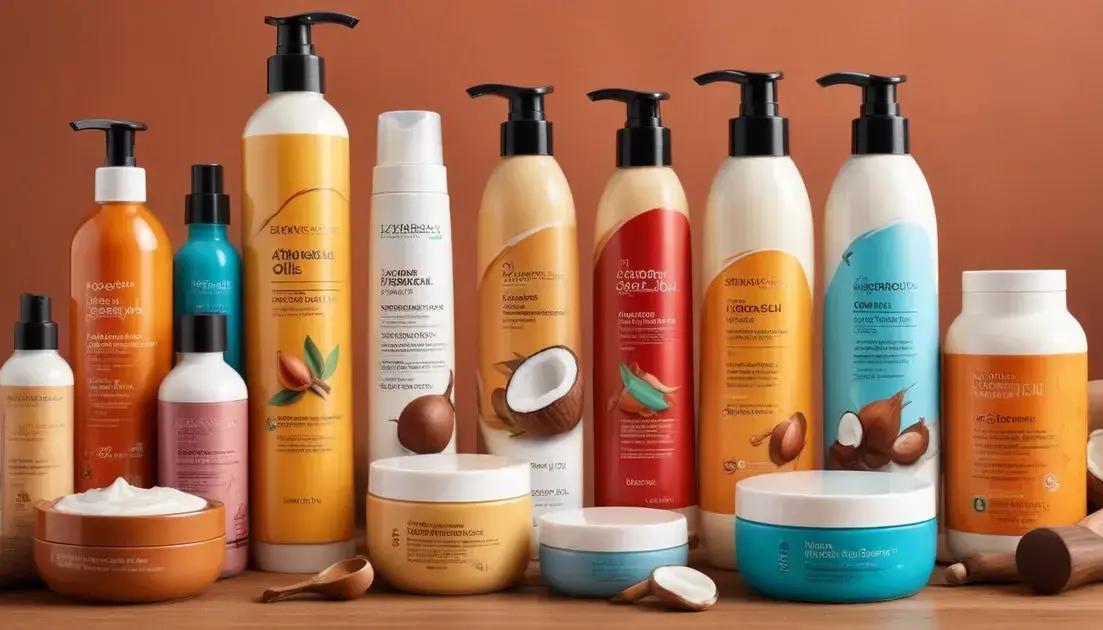
Conditioners play a vital role in maintaining healthy hair by nourishing and protecting it. A good conditioner helps to replenish moisture, combat damage, and improve manageability.
Ingredients for Nourishment
Look for conditioners that contain natural oils such as argan oil, coconut oil, or jojoba oil. These ingredients provide deep hydration and help to strengthen the hair shaft, making it softer and shinier.
Protein-Packed Formulas
Conditioners rich in proteins like keratin and silk can also be highly beneficial. These proteins help to repair damage and fill in any gaps in the hair cuticle, reinforcing its structure and preventing future breakage.
Protective Features
Some conditioners offer heat protection and UV filters to shield your hair from damage caused by styling tools and sun exposure. This added layer of protection is especially important for those who frequently use heat styling or spend time outdoors.
Hydration and Moisture Retention
A quality conditioner should provide excellent hydration and help retain moisture throughout the day. Look for components like glycerin and aloe vera, which are known for their moisture-binding properties.
pH Balance
Choosing a conditioner that is pH-balanced ensures that the product works harmoniously with your hair’s natural acid mantle. This can help to maintain the health of your hair and reduce frizz, leaving it smooth and manageable.
DIY home hair masks using common ingredients
Making DIY hair masks at home can be both fun and beneficial for your hair. Many common kitchen ingredients can nourish, hydrate, and strengthen your locks.
Avocado and Olive Oil Mask
Avocado is rich in healthy fats and vitamins. To make this mask, mash one ripe avocado and mix it with two tablespoons of olive oil. Apply it to your hair and leave it on for 30 minutes before rinsing. This mask will help hydrate and soften your hair.
Banana and Honey Mask
Bananas are great for moisturizing and adding shine. Blend one ripe banana with a tablespoon of honey until smooth. Apply the mixture to your hair and let it sit for about 20-30 minutes. Rinse well. This mask can help reduce frizz and improve your hair’s texture.
Yogurt and Egg Mask
Yogurt is a natural conditioner, while eggs provide protein to strengthen hair. Mix half a cup of plain yogurt with one egg and apply it to your hair. Leave it on for 30-45 minutes before rinsing. This combination helps to nourish the hair and promote healthy growth.
Coconut Milk and Honey Mask
Coconut milk is rich in vitamins and can deeply hydrate hair. Mix half a cup of coconut milk with two tablespoons of honey. Apply it throughout your hair and leave it on for 30 minutes. Rinse to reveal soft, shiny hair.
Oatmeal and Almond Oil Mask
For a soothing mask, combine half a cup of cooked oatmeal with two tablespoons of almond oil. Apply the mixture to your hair and let it sit for about 30 minutes before rinsing. This mask can help relieve scalp irritation and moisturize dry hair.
Transitioning to natural hair care products
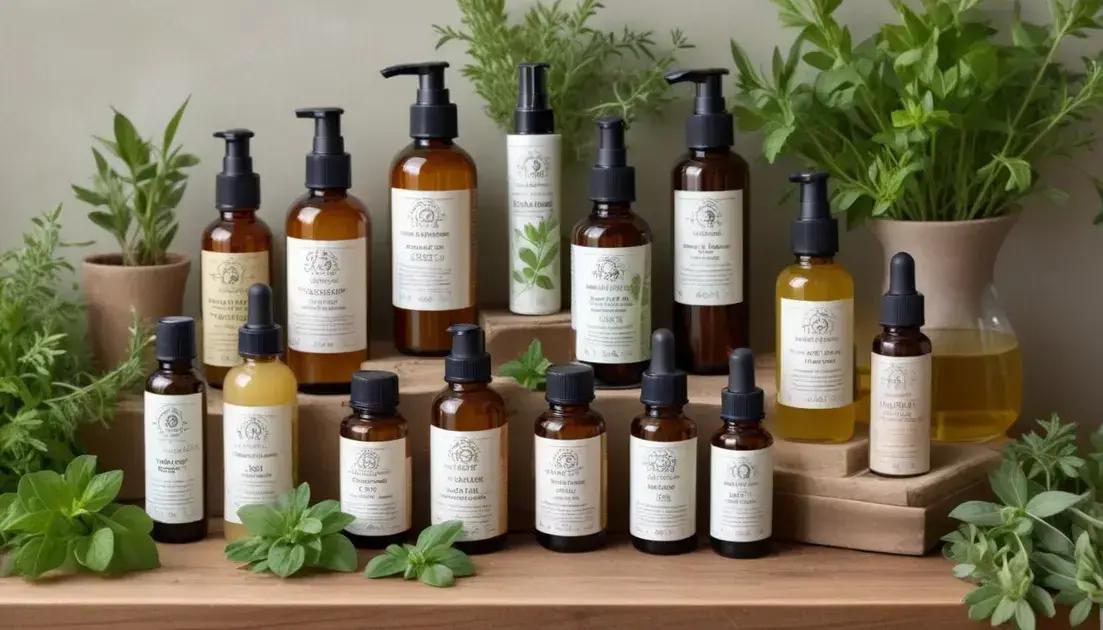
Transitioning to natural hair care products can greatly improve the health of your hair. Many conventional products contain harsh chemicals that can damage hair over time.
Understanding Natural Ingredients
Natural hair care products often contain ingredients like plant extracts, essential oils, and natural proteins. These ingredients provide nourishment without the harsh effects of synthetic chemicals. Learning about these natural elements helps to make more informed choices.
Benefits of Going Natural
Using natural hair care products can lead to numerous benefits. They are typically gentler on the scalp, reducing irritation and promoting a healthier environment for hair growth. Additionally, they are often free from sulfates and parabens, which can strip hair of its natural oils.
Gradual Transition
When switching to natural products, it’s best to do so gradually. Start by replacing one or two products at a time, such as your shampoo or conditioner. This allows your hair to adjust without shock, helping you to identify how your hair responds to the change.
Patch Testing
Before fully committing to a new product, consider performing a patch test. Apply a small amount of the product to a discreet area of your scalp to check for any allergic reactions or sensitivities.
Finding the Right Products
Look for brands that emphasize natural and organic ingredients. Read labels carefully to ensure that they do not contain harmful additives. Recommendations from friends or online reviews can also help you find effective natural products.
How often should you wash your hair?
How often you should wash your hair depends on several factors including your hair type, scalp condition, and lifestyle. Finding the right frequency is essential for maintaining healthy hair.
Hair Type Considerations
If you have oily hair, you may need to wash it more frequently, perhaps every day or every other day. This helps to remove excess oil and keep your hair looking fresh. In contrast, if you have dry or curly hair, washing just once or twice a week may be sufficient. This helps to retain moisture and prevent further dryness.
Scalp Health
Your scalp condition also plays a role in determining how often you should wash your hair. A healthy scalp can usually go longer without washings, while an oily or flaky scalp may require more frequent cleansing to maintain its health.
Lifestyle Factors
Your lifestyle should also be considered. If you exercise regularly and sweat a lot, you might want to wash your hair more often to remove sweat and buildup. On the other hand, if you work in a dry environment or don’t sweat much, less frequent washing could be beneficial.
Product Use
Using styling products can also affect how often you should wash your hair. If you use a lot of products, you may need to wash your hair more frequently to prevent buildup. However, using the right shampoo can help with this issue, allowing for less washing.
Listen to Your Hair
Ultimately, the best way to determine how often to wash your hair is to listen to your hair. If it feels greasy or looks flat, it might be time for a wash. Conversely, if your hair feels dry or brittle, extending the time between washes could be beneficial.
Common hair care mistakes to avoid
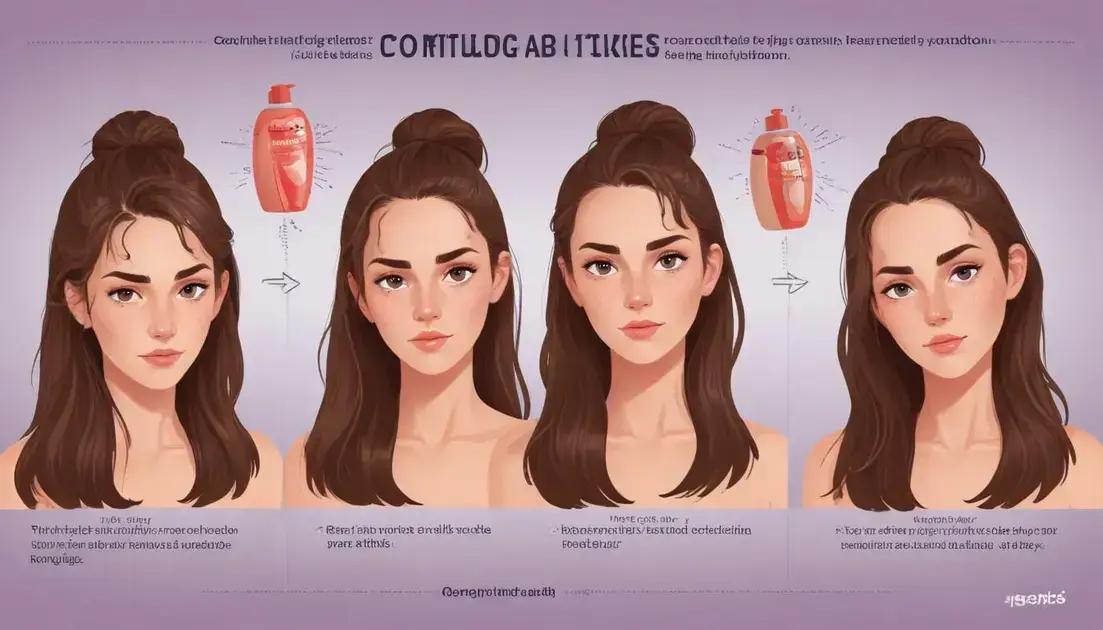
Taking care of your hair is essential, but many people make common mistakes that can lead to damaged hair. Avoiding these pitfalls can help you maintain healthier locks.
Overwashing Your Hair
One of the most frequent mistakes is overwashing. Washing your hair too often can strip it of natural oils, leading to dryness and brittleness. Depending on your hair type, you may only need to wash it a few times a week.
Using Too Much Heat
Excessive use of heat styling tools can cause serious damage. Frequent blow-drying, curling, or straightening can lead to split ends and breakage. To protect your hair, use heat protectant sprays and limit heat styling.
Ignoring Scalp Health
Many people focus only on their hair and forget about their scalp health. A healthy scalp is vital for hair growth. Regularly cleanse your scalp to remove buildup and consider using treatments if you experience issues like dandruff.
Using the Wrong Products
Using products that do not match your hair type can result in ineffective care. For example, using heavy products on fine hair can weigh it down. Always choose shampoos and conditioners that cater to your specific hair type.
Skipping Regular Trims
Regular trims are essential for keeping hair healthy and preventing split ends. Skipping trims can lead to more significant damage in the long run. Schedule a trim every 6-8 weeks to maintain hair health.
Neglecting to Hydrate
Many people forget the importance of hydration. Not drinking enough water can lead to dry hair. Make sure to stay hydrated and consider using hydrating hair masks to boost moisture levels.
The impact of diet on hair health
Your diet plays a crucial role in the health of your hair. Just like the rest of your body, your hair needs the right nutrients to grow strong and healthy.
Essential Nutrients for Healthy Hair
Protein is vital for hair growth since hair is primarily made of a protein called keratin. Including sources of high-quality protein, such as chicken, fish, eggs, and legumes, in your diet can help promote healthy hair growth.
Importance of Vitamins
Vitamins like Biotin, Vitamin A, and Vitamin E are essential for hair health. Biotin helps to strengthen hair and prevent it from falling out. Vitamin A aids in sebum production, which keeps hair moisturized, while Vitamin E improves blood circulation in the scalp.
Role of Omega-3 Fatty Acids
Omega-3 fatty acids, found in fish, flaxseeds, and walnuts, are essential for maintaining scalp health. They help to nourish the hair follicles and promote a healthy environment for hair growth.
Hydration is Key
Staying hydrated is also crucial for hair health. Drinking enough water helps keep your hair moisturized from the inside. Aim for at least 8 glasses of water per day for optimal hydration.
Foods to Avoid
Cutting out processed foods, sugars, and excessive alcohol can benefit hair health. These foods can lead to nutrient deficiencies and exacerbate hair problems. Instead, focus on a balanced diet filled with whole foods.
Tips for maintaining color-treated hair
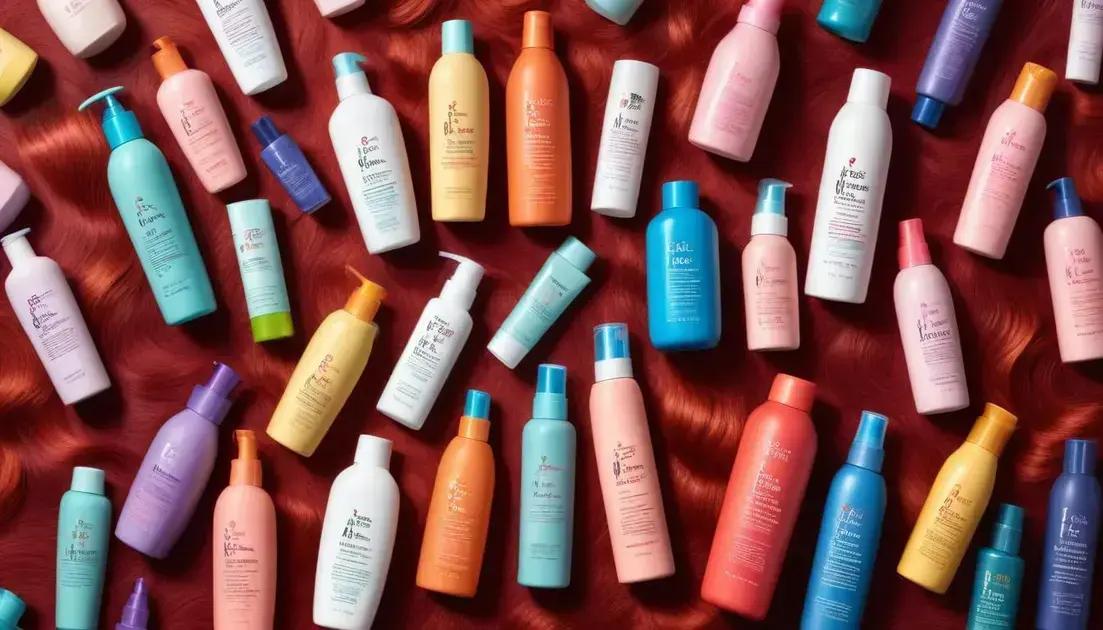
Color-treated hair requires special care to maintain its vibrancy and health. Following a few simple tips can help you keep your colored locks looking their best.
Use Sulfate-Free Shampoo
Opt for a sulfate-free shampoo to cleanse your hair without stripping its natural oils or color. Sulfates can cause fading, so choosing a gentle formula is essential for maintaining color.
Condition Regularly
A good conditioner is crucial for color-treated hair. Look for a deep conditioning treatment that provides hydration and nourishment. This helps to keep your hair soft and prevents breakage.
Limit Heat Styling
Excessive heat from styling tools can damage color-treated hair. Try to limit the use of blow-dryers, straighteners, and curling irons. When you do use heat, always apply a heat protectant spray to shield your hair.
Avoid Sun Exposure
Sun exposure can fade your hair color quickly. Whenever possible, wear a hat or use products with UV protection to shield your hair from harmful rays.
Wash with Cool Water
When washing your hair, use cool water instead of hot. Hot water can open up the hair cuticles, leading to color loss. Cool water helps to seal the cuticles, keeping the color locked in.
Schedule Regular Touch-Ups
To keep your hair looking fresh, make sure to schedule regular touch-ups with your stylist. Depending on your hair growth and color, you may need to return every 4-8 weeks to maintain vibrancy.
Seasonal hair care tips
Taking care of your hair during different seasons is crucial for maintaining its health and appearance. Each season presents unique challenges, and following specific tips can help keep your hair looking its best.
Winter Care Tips
In winter, the cold air can dry out your hair. Use a deep conditioning treatment once a week to keep your hair hydrated. Additionally, cover your hair with a hat or scarf when outdoors to protect it from harsh winds.
Spring Revitalization
As spring approaches, it’s time to shed the dryness of winter. This is a great time to get a trim to remove split ends caused by winter damage. Also, consider switching to a lighter conditioner that provides moisture without weighing your hair down.
Summer Protection
Summer sun can fade hair color and damage your hair. Use products with UV protection to shield your hair from the sun. When swimming, protect your hair from chlorine by wearing a swim cap or rinsing it with clean water before swimming.
Fall Maintenance
As the weather cools, your hair may need extra moisture. Look for hydrating hair masks to replenish lost moisture. This is also a good time to evaluate your hair care routine and adjust products according to your hair’s needs.
Stay Hydrated
No matter the season, staying hydrated is vital for hair health. Drink plenty of water throughout the year, as hydration from within contributes to overall hair vitality.
The science behind hair growth
The science behind hair growth is fascinating and involves several biological processes. Understanding these processes can help you care for your hair better.
Hair Structure
Hair is primarily composed of a protein called keratin. Each strand of hair grows from a follicle, which is a small sac located in the skin. The root of the hair is inside the follicle, and as the cells divide and push out, they create the hair shaft.
The Hair Growth Cycle
Hair grows in cycles, which consist of three main phases: anagen, catagen, and telogen. The anagen phase is the growth stage, where hair grows actively. This can last for several years. The catagen phase is a transitional period that lasts a few weeks, where growth stops, and the hair follicle shrinks. Finally, the telogen phase is the resting phase, where hair falls out, and new hair begins to grow in its place.
Influencing Factors
Several factors can influence hair growth, including genetics, hormones, and nutrition. Genetics play a significant role in determining hair thickness and growth rate. Hormonal changes, especially during puberty, pregnancy, or menopause, can lead to changes in hair growth patterns. Lastly, a well-balanced diet rich in vitamins and minerals is essential for healthy hair growth.
Common Myths
There are many myths surrounding hair growth, such as the belief that shaving makes hair grow back thicker. In reality, shaving has no effect on the structure of hair or its growth pattern. Understanding the truth behind these myths can help you make informed decisions about hair care.
Consulting with professionals for personalized advice
Consulting with hair care professionals can provide personalized advice tailored to your specific needs. This can lead to better hair health and more effective treatments.
Benefits of Professional Consultations
Professionals, such as hairstylists and trichologists, have the training and experience to assess the condition of your hair and scalp. They can recommend the best products and treatments based on your hair type, lifestyle, and specific concerns.
Customized Hair Care Plans
A professional can help create a customized hair care plan that addresses your unique needs. This plan may include product suggestions, treatment schedules, and tips for maintaining your hair at home.
Addressing Specific Issues
If you are facing issues such as hair loss, scalp irritation, or damage from chemical treatments, consulting with a professional is crucial. They can provide tailored solutions and suggest the right products to support recovery.
Staying Updated on Trends
Hair care professionals stay informed on the latest trends, techniques, and products. Consulting with them can ensure you use cutting-edge solutions and techniques that enhance your hair’s health and appearance.
Regular Check-Ups
Regular consultations allow you to monitor your hair health and make necessary adjustments to your care routine. This proactive approach can help prevent problems before they occur.
To Sum It Up: Hair Care Matters
Caring for your hair is essential for its health and beauty. From understanding the science behind hair growth to using the right products and techniques, there are many ways to keep your strands looking their best.
Remember to consult with professionals for personalized advice tailored to your hair type and specific needs. Whether it’s seasonal care, diet impacts, or avoiding common mistakes, staying informed will help you achieve healthier, shinier hair.
By following these tips and seeking expert guidance, you can ensure that your hair remains vibrant and resilient. Prioritizing good hair care is a valuable investment in your overall appearance and confidence.
FAQ – Frequently Asked Questions about Hair Care
What should I consider when choosing hair care products?
It’s important to choose products that match your hair type, such as shampoos and conditioners formulated for oily, dry, or color-treated hair.
How often should I wash my hair?
The frequency of washing depends on your hair type; oily hair may need washing daily, while dry or curly hair can often go several days without washing.
Why is hydration important for hair health?
Hydration from within helps maintain hair’s moisture and elasticity, preventing dryness and brittleness.
What role does diet play in hair health?
A balanced diet rich in proteins, vitamins, and minerals supports healthy hair growth and can prevent hair loss.
How can I protect my hair from heat damage?
Limit the use of heat styling tools and always apply a heat protectant spray before using any heat on your hair.
When should I consult a professional for hair care advice?
If you’re experiencing persistent hair issues like hair loss, damage, or scalp problems, it’s best to consult a professional for personalized guidance.