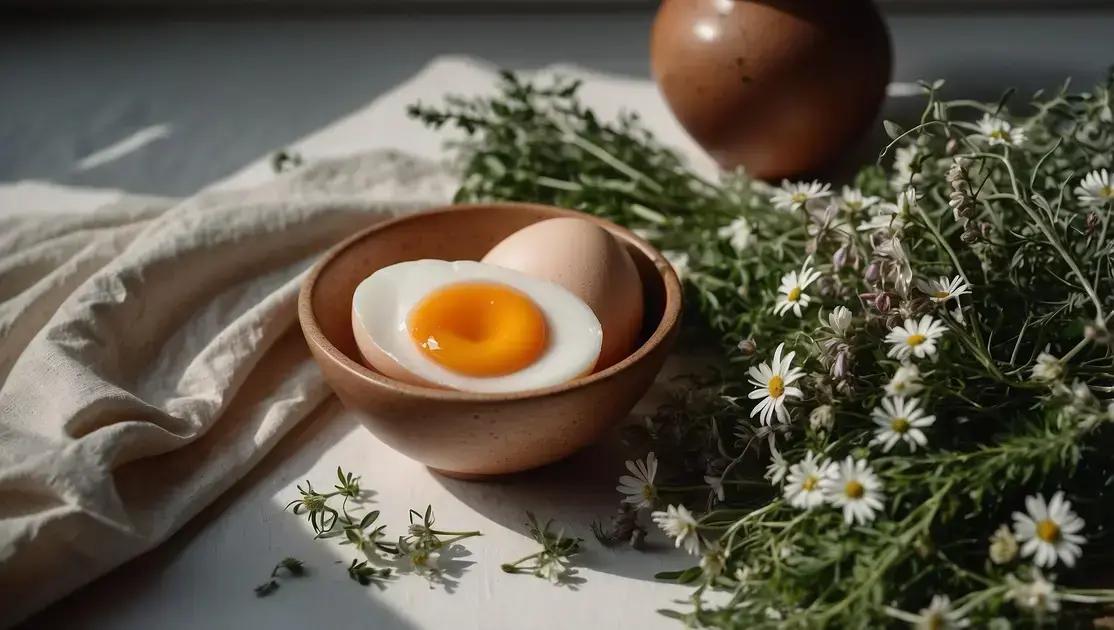
Using eggs for hair care provides numerous benefits, including improved strength, hydration, and shine due to their rich protein and nutrient content; choosing fresh, organic eggs maximizes these benefits.
Eggs for hair health might just be the game changer your hair needs. Have you ever wondered how a simple kitchen ingredient can provide nutrients that enhance shine and strength? Let’s explore its secrets together.
Nutritional benefits of eggs for hair
When it comes to hair health, the nutritional benefits of eggs are truly remarkable. Eggs are packed with high-quality protein, crucial for strengthening hair strands and promoting growth. Each egg contains about 6 grams of protein, which is essential for building and repairing hair.
Rich in Vitamins
Eggs are not just about protein; they also provide crucial vitamins that support hair health. For instance, vitamin A helps in producing sebum, a natural oil that keeps hair moisturized. Additionally, eggs are a good source of vitamin D, which can be beneficial for hair follicle health.
Biotin for Stronger Hair
Another essential component in eggs is biotin, a B-vitamin that’s famous for promoting hair growth and preventing hair loss. A deficiency in biotin can lead to brittle hair and even hair loss. Including eggs in your diet can help ensure you’re getting enough of this vital nutrient.
Minerals Matter
Eggs are also rich in minerals like zinc and selenium. Zinc plays a critical role in maintaining the health of the hair follicles, and selenium helps to prevent dandruff and scalp issues. Therefore, incorporating eggs into your meals could significantly impact the overall health of your hair.
To fully harness the nutritional benefits of eggs for hair, consider enjoying them boiled, scrambled, or even as part of a natural hair mask. Additionally, the whole egg, including the yolk, should be used for the most benefits, as it contains the majority of the nutrients.
How protein in eggs strengthens hair strands
Protein plays a vital role in maintaining hair health, and eggs are an excellent source of high-quality protein. When you consume eggs, you provide your body with essential amino acids that are the building blocks of keratin, the primary protein found in hair. This is crucial because healthy hair depends on a strong keratin structure.
How Protein Strengthens Hair
When your hair is weak or prone to breakage, it may be due to insufficient protein. Eating eggs regularly can help strengthen your hair strands, making them less likely to break. The protein in eggs helps to repair and rebuild damaged hair, leading to smoother, shinier locks.
Preventing Hair Loss
Inadequate protein in your diet can lead to hair loss. By including eggs in your meals, you can boost your protein intake and possibly prevent hair thinning. The body needs enough protein to support healthy hair growth, and eggs can provide a significant contribution.
Incorporating Eggs Into Your Diet
To maximize the benefits of protein from eggs, try adding them to your diet in various ways. You can prepare scrambled eggs, use them in omelets, or even bake them into healthy snacks. The more you include them in your meals, the more you can help strengthen your hair.
Remember, it’s not just about hair health externally. Eating a balanced diet rich in protein from eggs can positively affect hair from the inside out. This holistic approach to hair care can lead to lasting improvements.
Egg yolk vs. egg white: which is better?
When it comes to eggs, both the yolk and the white offer distinct nutritional benefits. Understanding their differences can help you make informed choices for your hair health and overall nutrition.
Nutritional Content
The egg white is primarily made up of water and protein. It contains about 3.6 grams of protein and minimal fat. This makes it a great option for those looking to add high-quality protein without extra calories. However, it lacks the vitamins and minerals found in the yolk.
On the other hand, the yolk is nutrient-dense. It contains not only protein but also essential vitamins such as A, D, E, and B vitamins, plus important minerals like iron and calcium. The yolk also provides fats that are necessary for bodily functions.
Impact on Hair Health
For hair health, the yolk may be the star player. It contains biotin, which supports hair growth and prevents brittleness. The fats found in yolks help to nourish and moisturize hair, keeping it shiny and healthy. On the contrary, egg whites can help repair damaged hair when used in hair masks but may not have the same nourishing effects as the yolk.
Recommended Usage
Incorporating both yolks and whites into your diet could be beneficial. If you’re making a hair mask, consider using whole eggs to take advantage of the benefits of both parts. For daily nutrition, if you want to limit fat, you can separate the whites for cooking and save the yolks for baking or other recipes where they can contribute to flavor and moisture.
Ultimately, both the yolk and the white have their place in a balanced diet. Exploring how each can contribute to your nutrition and hair health can lead to better overall results.
Benefits of vitamins A, D, and E in eggs
Eggs are not only a great source of protein but also pack a powerful punch of vitamins, including vitamins A, D, and E. Each of these vitamins plays a crucial role in maintaining overall health and supporting hair vitality.
The Role of Vitamin A
Vitamin A is essential for cell growth and repair, making it crucial for healthy hair. It helps in the production of sebum, a natural oil produced by the scalp, which keeps hair moisturized and prevents dryness. A diet rich in vitamin A can promote shiny and healthy hair.
Importance of Vitamin D
Vitamin D plays a vital role in the hair growth cycle. It helps create new hair follicles, which can lead to thicker and fuller hair. Insufficient vitamin D can contribute to hair loss, making this nutrient vital for anyone looking to promote healthy hair growth. Eggs are a simple way to boost your vitamin D intake.
Benefits of Vitamin E
Vitamin E is known for its antioxidant properties, which help protect cells from damage. This is important for hair health, as it promotes good circulation in the scalp and helps prevent hair loss. Eggs, being rich in vitamin E, can nourish the hair from within.
Incorporating eggs into your diet can be a delicious way to reap the benefits of these essential vitamins. Whether boiled, scrambled, or included in dishes, eggs can significantly enhance your nutritional intake and promote better hair health.
How eggs improve hair elasticity
Eggs are a powerhouse of nutrients that can significantly enhance hair elasticity. This is important because higher elasticity means stronger and more resilient hair that is less prone to breakage.
The Role of Protein
One of the main reasons eggs improve hair elasticity is their high protein content. Hair is primarily made of keratin, a type of protein, and incorporating more protein into your diet can help strengthen hair strands. By consuming eggs, you provide your body with the necessary amino acids to optimize keratin production.
Hydration from Eggs
In addition to protein, eggs contain fatty acids that help keep hair hydrated. When hair is well-hydrated, it is more elastic and less likely to break when styled. Healthy fats found in the yolk can lock in moisture, making your hair softer and easier to manage.
Using Eggs as a Hair Mask
To maximize the benefits of eggs for hair elasticity, consider using an egg hair mask. Simply whisk an egg and apply it to your damp hair. Let it sit for 20-30 minutes before rinsing with cool water. This treatment can help restore moisture and protein, leading to improved elasticity.
Incorporating eggs into your diet and hair care routine can help promote healthier hair that retains its shape and minimizes damage caused by styling tools and environmental factors.
The role of biotin in egg nutrition

Biotin, also known as vitamin B7, plays a crucial role in maintaining healthy hair, skin, and nails. Eggs are a fantastic source of biotin, making them an essential part of a diet aimed at improving hair health.
What is Biotin?
Biotin is a water-soluble vitamin that is part of the B complex. It is vital for the metabolism of carbohydrates, fats, and proteins, which helps convert nutrients into energy. This process is important for overall health and well-being.
Benefits of Biotin for Hair
Regular intake of biotin can lead to stronger and healthier hair. It is known to enhance the keratin structure in hair, promoting growth and preventing hair loss. Because of its vital role in hair production, biotin is often recommended for those experiencing thinning hair or hair loss.
How Eggs Contribute to Biotin Intake
Eggs are one of the richest sources of biotin, with a single egg containing roughly 10 micrograms. This makes it very easy to include biotin in your diet by simply adding eggs to your meals. Whether scrambled, boiled, or in an omelet, eggs can boost your biotin levels effectively.
For those concerned about hair health, including eggs in your diet is a delicious and simple way to ensure you are getting enough biotin to support growth and strength.
DIY egg hair masks for every hair type
Using DIY egg hair masks can provide wonderful benefits for various hair types. Eggs are packed with nutrients that nourish hair, improve texture, and enhance shine. Here’s how you can create effective egg masks tailored to different needs.
For Dry Hair
If your hair is dry and brittle, mix one egg yolk with two tablespoons of olive oil. The fatty acids in olive oil will help lock in moisture, while the yolk provides nutrients. Apply this mixture to your hair, focusing on the ends. Leave it on for 30 minutes before rinsing.
For Oily Hair
For those with oily hair, a combination of egg whites and lemon juice is perfect. Beat one egg white and add the juice of half a lemon. The lemon juice will help cut through the oil while the egg white tightens hair follicles. Apply it to your scalp and lengths, leaving it on for about 20 minutes before rinsing.
For Damaged Hair
If your hair is damaged or color-treated, create a repair mask by mixing one whole egg with two tablespoons of yogurt. The yogurt adds extra protein and moisture, promoting healing of hair. Apply it thoroughly and leave it on for 30-45 minutes before washing it out.
For Normal Hair
For those with normal hair, you can use a simple egg mask made with one whole egg and a tablespoon of honey. Honey acts as a natural humectant, enhancing shine without weighing hair down. Apply for 20-30 minutes and rinse well.
Incorporating these DIY egg hair masks into your hair care routine can lead to noticeable improvements in your hair’s health and appearance. Adjust the ingredients based on your specific hair needs for the best results.
Using eggs for scalp health
Taking care of your scalp is essential for maintaining healthy hair. Using eggs in your hair care routine can significantly benefit scalp health due to their rich nutrient profile.
Benefits of Protein
The high protein content in eggs can help strengthen hair follicles. A healthy scalp provides a strong foundation for hair growth. Using egg masks can nourish the scalp and enhance its health.
Hydration and Moisture
Eggs also contain fatty acids, particularly in the yolk, which provide hydration to the scalp. A well-moisturized scalp can help prevent dryness and itchiness, making it more comfortable. This is especially beneficial during dry or cold seasons when the scalp can become flaky.
Creating an Egg Scalp Treatment
To create a simple egg scalp treatment, mix one egg with two tablespoons of olive oil. Apply this mixture directly to your scalp, massaging gently to increase blood circulation. Leave it on for about 20 minutes before rinsing with lukewarm water. This treatment can help eliminate dandruff and promote a healthier scalp.
Regular Maintenance
Incorporating egg treatments into your regular hair care regimen can enhance scalp health over time. You can use egg masks once or twice a month, depending on your hair’s needs. Combining this with a balanced diet rich in nutrients will yield the best results.
How often to use eggs on hair
Using eggs as part of your hair care routine can be highly beneficial, but it’s essential to know how often to apply them for optimal results.
Frequency Based on Hair Type
For dry or damaged hair, using an egg mask once a week is recommended. The nourishing properties of eggs can help restore moisture and strength without overdoing it.
If you have oily hair, it’s advisable to use eggs every two weeks. This will allow you to manage excess oil while providing necessary nutrients.
For those with normal hair, incorporating egg treatments once every two weeks can help maintain your hair’s health and shine.
Signs You Might Need to Adjust Frequency
Pay attention to how your hair responds. If it becomes too oily or weighed down, reduce the frequency of egg applications. Conversely, if your hair feels dry or brittle, you may consider increasing the use of egg masks.
Overall Hair Care Routine
Remember that eggs should be part of a broader hair care regime. Along with egg treatments, use a suitable shampoo and conditioner, and ensure you are following a balanced diet rich in vitamins.
By finding the right balance and listening to your hair’s needs, you can maximize the benefits of using eggs in your hair care routine.
Combining eggs with other natural ingredients
Combining eggs with other natural ingredients can enhance their benefits for hair care. Different ingredients can target specific hair issues, making your egg masks even more effective.
Egg and Honey
Mixing one egg with two tablespoons of honey creates a deeply nourishing mask. Honey is a natural humectant, which means it locks in moisture. This combination is perfect for dry and brittle hair, promoting softness and shine.
Egg and Yogurt
For a protein boost, blend one egg with two tablespoons of yogurt. Yogurt contains lactic acid, which helps remove buildup and makes hair smoother. This mixture is excellent for normal to oily hair, improving texture and manageability.
Egg and Olive Oil
If you’re dealing with damaged hair, try combining one egg with two tablespoons of olive oil. Olive oil is rich in fatty acids, which hydrate the hair and scalp. This mask can help restore elasticity and reduce breakage.
Egg and Avocado
For a nutrient-dense treatment, mix one egg with half a ripe avocado. Avocado is loaded with vitamins and healthy fats, making it great for all hair types. This mask nourishes your hair while providing deep conditioning.
Experimenting with different combinations allows you to customize your hair care routine. By finding the right natural ingredients to mix with eggs, you can address your individual hair needs effectively.
Common misconceptions about eggs and hair
There are several common misconceptions about using eggs for hair care that can lead to confusion. Understanding these myths can help you make better choices for your hair health.
Myth 1: Eggs Weigh Down Hair
Many people believe that using eggs in hair treatments can make hair greasy and heavy. However, when used correctly, eggs can actually provide lightweight conditioning benefits. Rinsing effectively will prevent any residue and keep hair feeling fresh and bouncy.
Myth 2: Only the Yolk is Beneficial
Another misconception is that only the yolk of the egg provides benefits. While the yolk is rich in fats and nutrients, the egg white is also valuable for its high protein content. Both parts offer different advantages for hair care, so using the whole egg is often recommended.
Myth 3: Eggs Cause Hair Loss
Some think that applying eggs can lead to hair loss due to allergies or reactions. This is mostly untrue; unless a person has a specific allergy to eggs, they should not experience hair loss from using egg treatments. Instead, eggs can strengthen hair and prevent breakage.
Myth 4: You Can Use Eggs Anytime
While eggs are beneficial, it’s a myth that you can use them as often as you like. Overuse can lead to protein overload, making hair stiff or brittle. It’s best to incorporate egg masks into your routine based on your hair’s needs.
Clearing up these misconceptions can empower you to use eggs effectively in your hair care routine, maximizing their benefits while avoiding common pitfalls.
Real-life experiences: before and after egg treatments
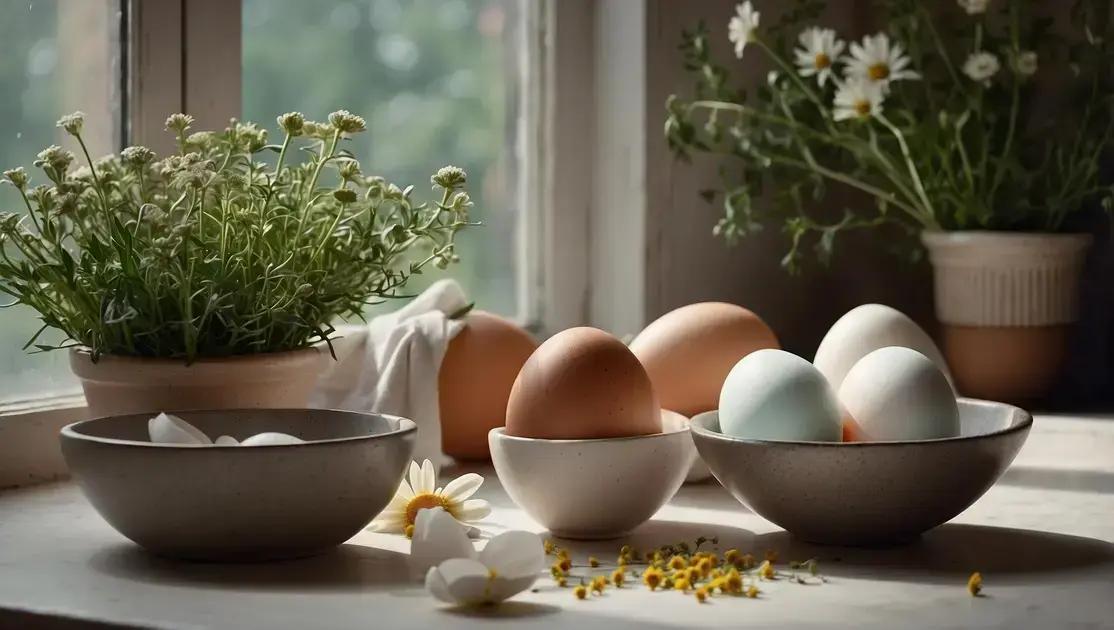
Many people have turned to egg treatments to improve their hair health and have shared their real-life experiences. These stories highlight the effectiveness of eggs in hair care routines.
Before Egg Treatments
Before starting egg treatments, individuals often faced various hair problems. Common issues included brittle hair, excessive breakage, and dullness. Many noted that their hair felt lifeless and lacked moisture. Some experienced an oily scalp, while others had dry ends. These problems prompted many to seek natural remedies.
After Egg Treatments
After incorporating eggs into their hair care regimen, many reported significant improvements. Users found that their hair became stronger and more resilient. With regular egg treatments, hair appeared shinier and felt smoother. Improved elasticity was a common theme, with users noting that their hair was easier to manage and style.
Variety of Experiences
Different hair types can yield varied results. For example, those with dry hair often found that a yolk-based mask provided much-needed moisture, while people with oily hair benefited from egg white treatments. Users also reported successful combinations with other natural ingredients, like honey and olive oil, to enhance the effects.
Overall Satisfaction
Most people who tried egg treatments expressed satisfaction with the results. They not only saw improvements in hair appearance but also enjoyed the nourishing experience of applying a natural mask. These real-life experiences encourage others to explore the benefits of using eggs for hair health.
Expert tips for egg hair treatment
When using eggs for hair treatments, expert tips can enhance their effectiveness and improve results. Here are some valuable suggestions to consider:
1. Choose the Right Eggs
Using organic or fresh eggs is recommended for the best results. Fresh eggs have higher nutrient levels and can greatly benefit your hair.
2. Consider Your Hair Type
Your hair type should guide how you use eggs. For dry hair, opt for the yolk as it provides moisture. For oily hair, use egg whites to help balance oil production.
3. Combine with Other Ingredients
Mixing eggs with other natural ingredients can boost performance. For example, honey adds moisture, while olive oil provides extra nourishment. Experiment with combinations that suit your hair’s specific needs.
4. Apply to Clean Hair
For best absorption, use egg treatments on clean hair. Wash your hair first to remove any product buildup, allowing the nutrients to penetrate effectively.
5. Don’t Overdo It
Using egg treatments too often can lead to protein overload. Aim for once a week for normal and dry hair, and every two weeks for oily hair. Adjust based on how your hair responds.
6. Rinse Carefully
After applying an egg mask, be sure to rinse with cool or lukewarm water. Hot water can cook the egg, making it difficult to wash out. Use a gentle shampoo if needed to remove any remnants.
7. Follow Up with Conditioner
After rinsing out the egg treatment, follow up with a good conditioner to lock in moisture and improve manageability. This helps maintain the benefits of the egg treatment and keeps hair healthy.
Precautions when using eggs on hair
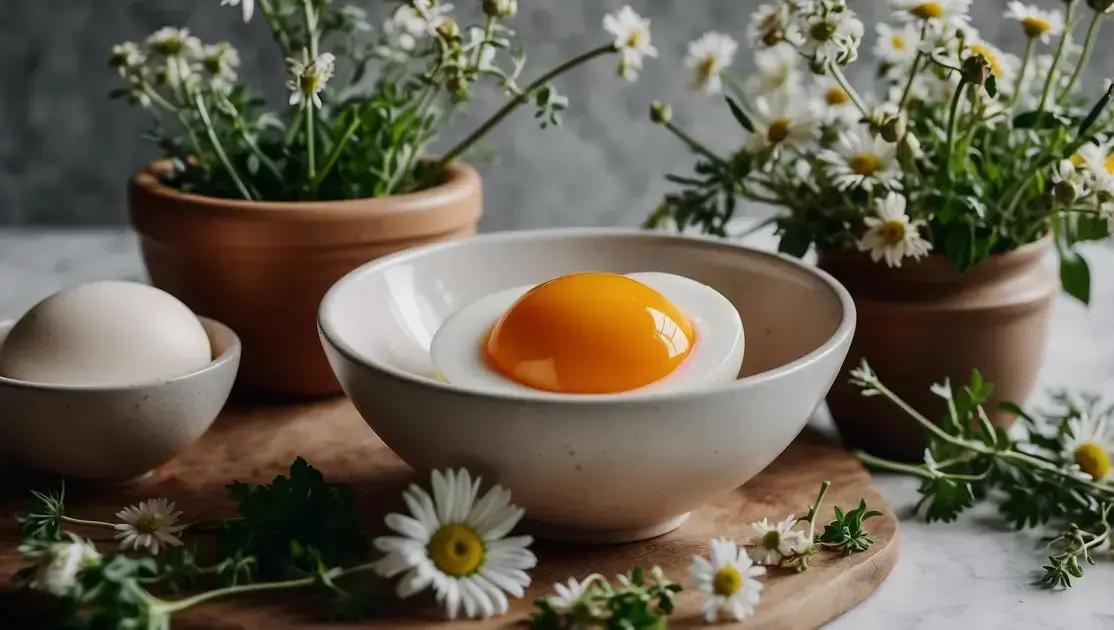
While using eggs in hair treatments can be beneficial, there are some important precautions to keep in mind to ensure you achieve the best results without any negative effects.
1. Conduct a Patch Test
Before applying eggs to your hair, it’s wise to do a patch test. Apply a small amount of the egg mixture to a discreet area of your skin. Wait for 24 hours to check for any allergic reactions. This helps you avoid potential skin irritations.
2. Use Fresh Eggs
Always use fresh eggs for hair treatments. Older eggs may carry a higher risk of bacteria, such as salmonella. Fresh eggs not only ensure safety but also provide maximum nutrients for your hair.
3. Be Mindful of Protein Overload
Using egg treatments too frequently can lead to protein overload. This can make hair feel stiff and brittle. It’s recommended to use egg masks no more than once a week, depending on your hair type.
4. Rinse with Cool Water
After applying an egg mask, rinse your hair with cool or lukewarm water. Hot water can cook the egg, making it difficult to wash out and leaving a lingering smell. Cool water helps to ensure that the egg is fully rinsed out.
5. Avoid Mixing with Strong Ingredients
When combining eggs with other ingredients, avoid using harsh or strong ingredients like alcohol-based products. These can counteract the benefits of the egg and damage your hair. Stick to natural ingredients like honey or olive oil for better results.
6. Monitor Your Hair’s Reaction
Always pay attention to how your hair responds after using egg treatments. If you notice any negative effects, such as increased dryness or breakage, consider cutting back on the use of eggs or stopping altogether.
How to choose the right eggs for your hair care
Choosing the right eggs for your hair care can make all the difference in achieving healthy and beautiful hair. Here are some tips to help you select the best eggs for your hair treatments.
1. Opt for Organic Eggs
Whenever possible, choose organic eggs. These eggs come from chickens that are raised without synthetic pesticides or fertilizers. Organic eggs are often richer in nutrients, which can benefit your hair more effectively.
2. Look for Freshness
Fresh eggs contain higher levels of beneficial nutrients. To check for freshness, perform the water test. Place the egg in a bowl of water; if it sinks, it’s fresh. If it floats, it’s best to avoid using it.
3. Consider Free-Range Options
Free-range eggs typically come from chickens that have access to the outdoors and a natural diet. These eggs may have a better nutrient profile, including higher omega-3 fatty acids, which can promote hair health.
4. Pay Attention to Color
The color of the eggshell doesn’t determine nutritional quality. Brown or white eggs can be equally nutritious; it primarily depends on the hen’s diet. What matters most is the quality of the feed they receive.
5. Check the Label
Always check the label for information on how the chickens were raised. Look for certifications that indicate higher animal welfare standards. This not only supports good practices but often results in better eggs.
6. Store Properly
Once you have selected your eggs, store them in the refrigerator to maintain their freshness. Keeping eggs at a consistent temperature helps preserve their quality for hair treatments.
By following these guidelines, you can ensure that you are using the best eggs for your hair care routine, enhancing the benefits for your hair.
In Summary: The Benefits of Using Eggs for Hair Health
Using eggs in your hair care routine offers many benefits, including improved strength, hydration, and shine. By understanding how to choose the right eggs and applying them correctly, you can maximize their nourishing effects on your hair.
Incorporating eggs into your hair treatments allows you to address common issues, from dryness to brittleness, while also providing essential nutrients like protein and biotin. With expert tips and precautions in mind, you can enjoy healthy, beautiful hair.
Embrace the power of eggs as a natural solution for hair health and see the transformation for yourself.
FAQ – Frequently Asked Questions About Using Eggs for Hair Care
How do eggs benefit my hair?
Eggs are rich in protein and nutrients that strengthen hair, improve shine, and promote healthy growth.
Can I use any type of egg for hair treatments?
It’s best to use organic or fresh eggs, as they have higher nutrient levels that can benefit your hair more effectively.
How often should I use egg treatments on my hair?
Generally, you can use egg treatments once a week for dry or damaged hair, and every two weeks for oily hair to avoid protein overload.
What should I mix with eggs for hair masks?
You can combine eggs with natural ingredients like honey, olive oil, or yogurt to enhance the benefits and address specific hair issues.
Are there any risks associated with using eggs on hair?
Yes, be sure to do a patch test for allergies and avoid using hot water to rinse, as it can cook the egg and make it difficult to wash out.
Can eggs help with scalp health too?
Absolutely! Eggs can provide nourishment to the scalp, promoting health and helping to reduce issues like dryness and flakes.