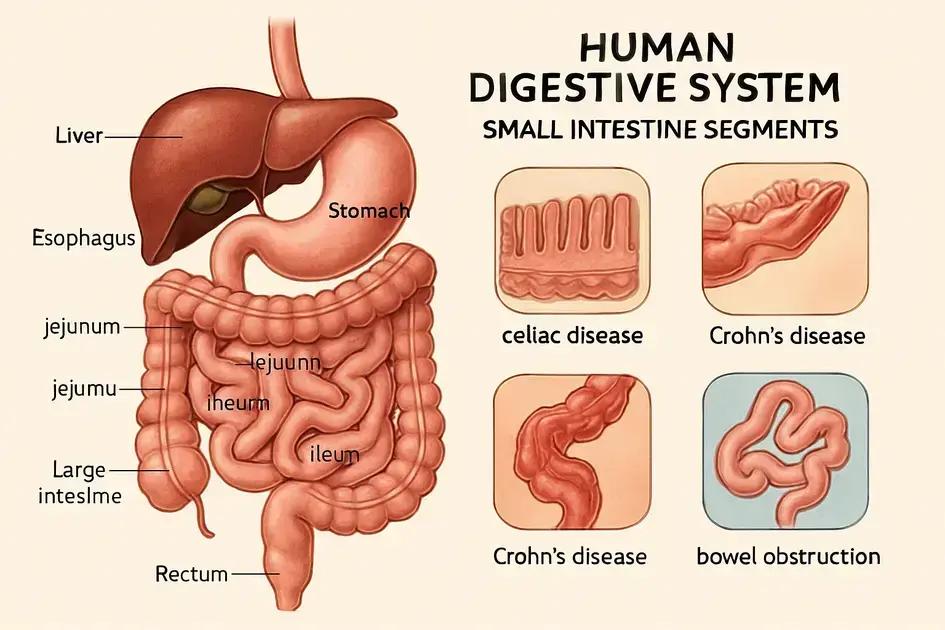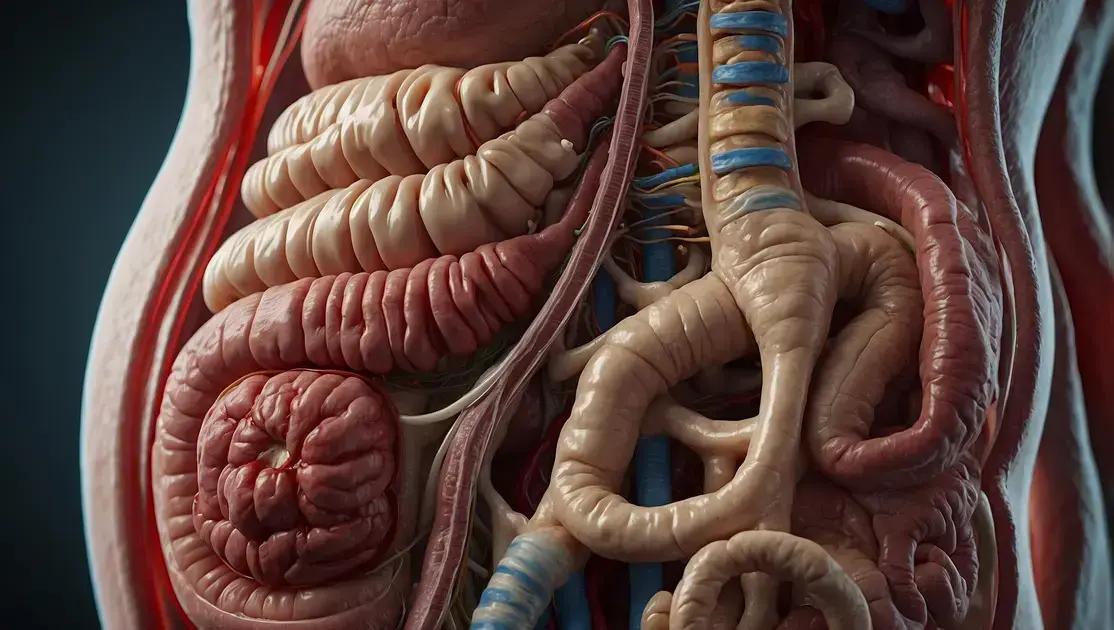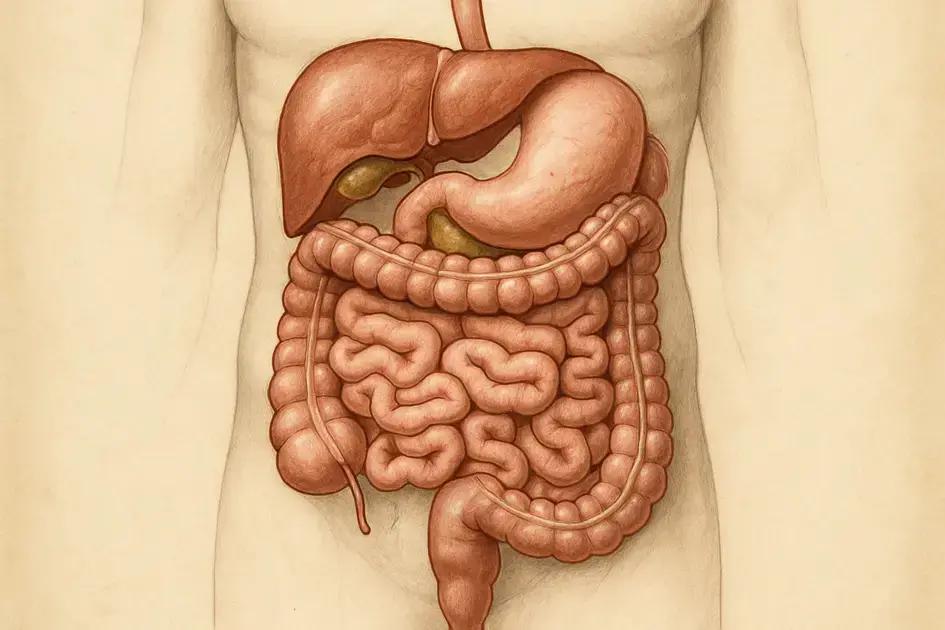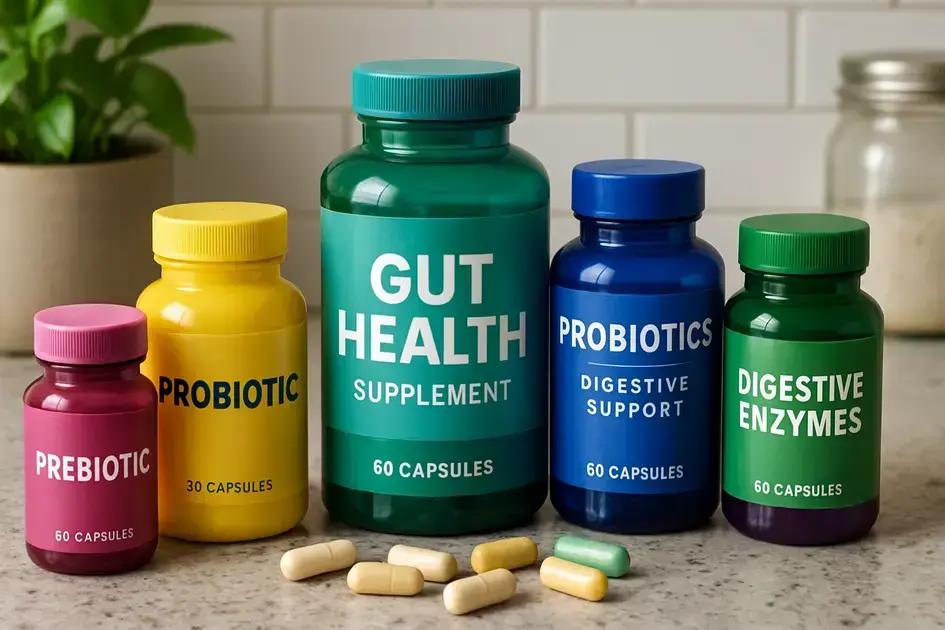
Gut health supplements, including probiotics and prebiotics, play a crucial role in improving digestion, supporting immune function, and promoting overall well-being by balancing the gut microbiome.

What is the best gut health supplement? This question is more relevant than ever as we dive into the world of wellness. Our digestive system plays a pivotal role in our health, and finding the right support can make all the difference. Curious about what’s out there? Let’s explore the options!
Understanding gut health
Understanding gut health is crucial for maintaining overall wellness. Your gut houses billions of microbes that play essential roles in digestion and health. When these microbes are balanced, they contribute to a healthy body.
The Importance of a Healthy Gut
A healthy gut supports not only digestion but also immune function, mental health, and weight management. Problems such as bloating, irregular bowel movements, and food intolerances can indicate gut health issues.
Factors Affecting Gut Health
Several factors impact gut health, including diet, stress levels, and sleep quality. Eating a balanced diet rich in fiber, fruits, and vegetables can promote a thriving gut microbiome. Avoiding processed foods and excessive sugar helps maintain balance.
Diverse Microbiome
Having a diverse range of gut bacteria is essential for optimal gut health. Different types of bacteria perform various functions, so incorporating a variety of foods supports microbial diversity. Fermented foods like yogurt, sauerkraut, and kimchi are excellent sources.

Understanding these aspects of gut health can empower you to make better decisions regarding your wellness journey. By taking care of your gut, you take a vital step towards improved health and vitality.
The role of probiotics in gut health
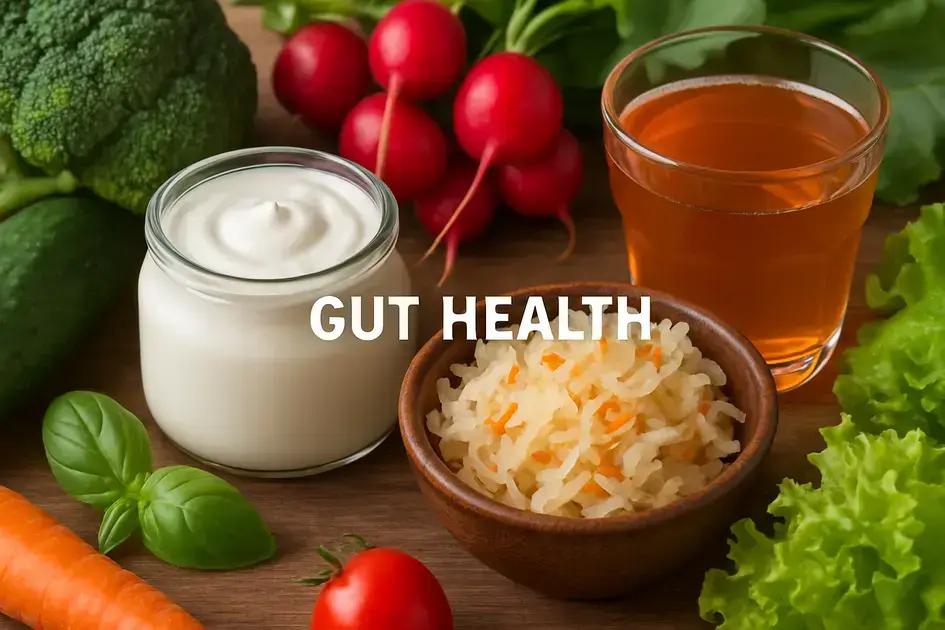
The role of probiotics in gut health is vital for maintaining a balanced digestive system. Probiotics are live microorganisms that provide health benefits when consumed in adequate amounts.
What Are Probiotics?
Probiotics are often referred to as “good bacteria”. They help maintain the natural balance of organisms in the intestines. When the balance is disturbed due to factors like stress, poor diet, or illness, probiotics can help restore it.
Benefits of Probiotics
Including probiotics in your diet can lead to several benefits such as improved digestion, enhanced immune response, and even better mental health. Studies suggest that probiotics may help reduce symptoms of irritable bowel syndrome (IBS) and other digestive disorders.
Sources of Probiotics
Probiotics can be found in fermented foods. Some common sources include yogurt, kefir, sauerkraut, kimchi, and kombucha. Eating these foods regularly can help maintain a healthy gut flora.
Choosing the Right Probiotic
When selecting a probiotic supplement, look for products that contain a variety of strains and have a high number of live organisms. It’s also important to choose products that are backed by research for their effectiveness.
Potential Side Effects
While probiotics are generally safe, some people might experience bloating or gas when they first start taking them. It’s advisable to start with small amounts and gradually increase intake.
Prebiotics vs probiotics: what’s the difference?
Prebiotics vs probiotics: what’s the difference? Both are essential for gut health, but they serve different purposes. Understanding their roles can help you make better dietary choices.
What Are Prebiotics?
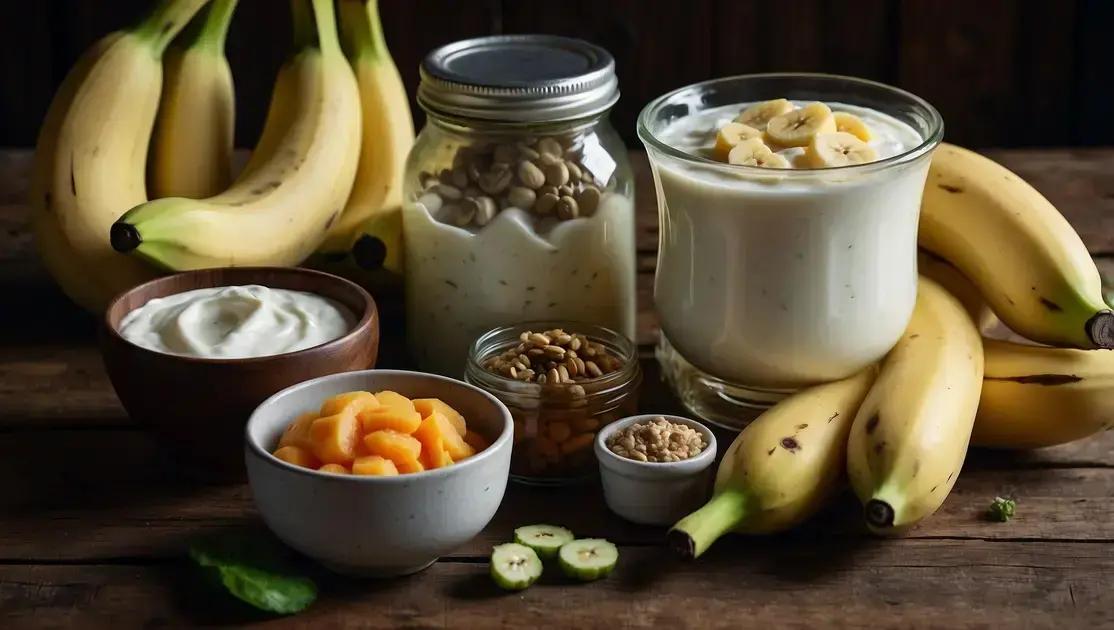
Prebiotics are non-digestible food components that promote the growth of beneficial bacteria in the gut. They are usually found in high-fiber foods. Common sources of prebiotics include bananas, onions, garlic, and whole grains.
What Are Probiotics?
Probiotics, on the other hand, are live beneficial bacteria that help maintain gut health. They can be consumed through fermented foods like yogurt, kefir, and sauerkraut, or through supplements.
How They Work Together
Prebiotics act as food for probiotics, helping them flourish in the digestive system. This symbiotic relationship is crucial for maintaining a healthy gut microbiome. Without prebiotics, probiotics may not survive long enough to provide health benefits.
Health Benefits
Both prebiotics and probiotics contribute to digestion and gut health. They can help improve gut barrier function, reduce inflammation, and even support immune function. Incorporating both into your diet can lead to enhanced overall wellness.
Best Sources
To maximize the benefits, include both prebiotic and probiotic foods in your meals. Enjoy a bowl of yogurt topped with bananas or add garlic to stir-fried vegetables for a tasty and gut-friendly dish.
Top gut health supplements on the market
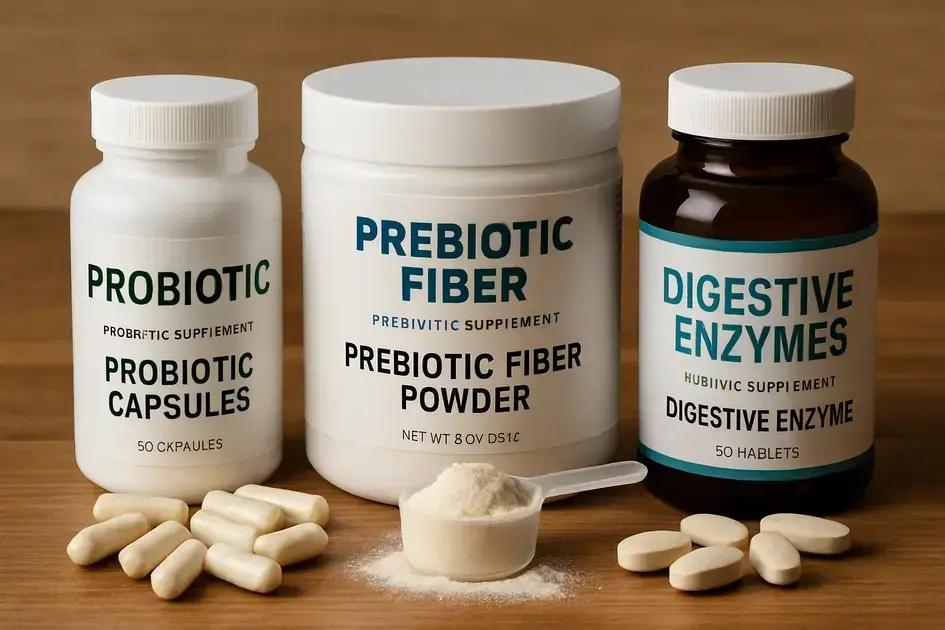
Top gut health supplements on the market can help you maintain and improve your digestive wellness. With so many options available, it’s important to understand which supplements are most effective.
1. Probiotics
Probiotics are perhaps the most well-known gut health supplements. They contain live beneficial bacteria that support gut balance. Look for multi-strain probiotics for a broader range of benefits. Popular selections include Lactobacillus and Bifidobacterium.
2. Prebiotic Fiber
Prebiotic supplements, like inulin and chicory root fiber, feed the good bacteria in your gut. They help these probiotics thrive, enhancing your gut health. Including prebiotic fibers in your routine can boost the effectiveness of your probiotics.
3. Digestive Enzymes
Digestive enzymes assist in breaking down food, which can improve nutrient absorption. Supplements containing protease, lipase, and amylase are popular choices for those dealing with digestive discomfort.
4. L-Glutamine
L-glutamine is an amino acid that supports the gut lining. It can be beneficial for individuals with leaky gut syndrome and helps maintain intestinal integrity. Regular supplementation may help reduce symptoms associated with gut permeability.

5. Zinc Carnosine
This compound can support gut health by enhancing the stomach’s mucosal defense. It’s often used in conjunction with other supplements to provide a comprehensive approach to gut health.
Choosing the Right Supplement
When selecting gut health supplements, look for high-quality products with clear ingredient labels. It’s also wise to consult with a healthcare professional to determine which options are best for your specific needs.
How to choose a gut health supplement
How to choose a gut health supplement involves several key considerations to ensure you select the right product for your needs. With numerous options available, it’s important to make an informed decision.
Identify Your Needs
The first step is to identify your specific gut health concerns. Are you dealing with bloating, constipation, or general digestion issues? Knowing your symptoms can help narrow down the types of supplements that will be beneficial for you.
Check the Ingredients
Look for supplements that contain high-quality ingredients. Probiotics should have multiple strains of beneficial bacteria, while prebiotics should include fiber sources that promote the growth of these bacteria. Always read the label to understand what you’re consuming.
Choose Reputable Brands
Select brands that are well-known for their quality and efficacy. Research customer reviews and ratings to gauge the experiences of others. Look for certifications and third-party testing to ensure the supplement’s safety and effectiveness.
Consult a Healthcare Professional
Before starting any new supplement, it’s wise to consult with a healthcare professional, especially if you have existing health conditions or are taking medications. They can provide personalized advice on what might work best for you.
Consider Your Lifestyle
Choose supplements that fit your lifestyle and dietary needs. If you prefer natural foods, you might consider fermented options like yogurt or kefir. If you prefer convenience, look for pills or powders that can be easily incorporated into your daily routine.
Monitor Your Progress
After starting a gut health supplement, pay attention to how your body responds. It may take some time to notice improvements, so track any changes in your symptoms. If you don’t see positive effects, consult a healthcare provider for further guidance.
Signs you need a gut health supplement
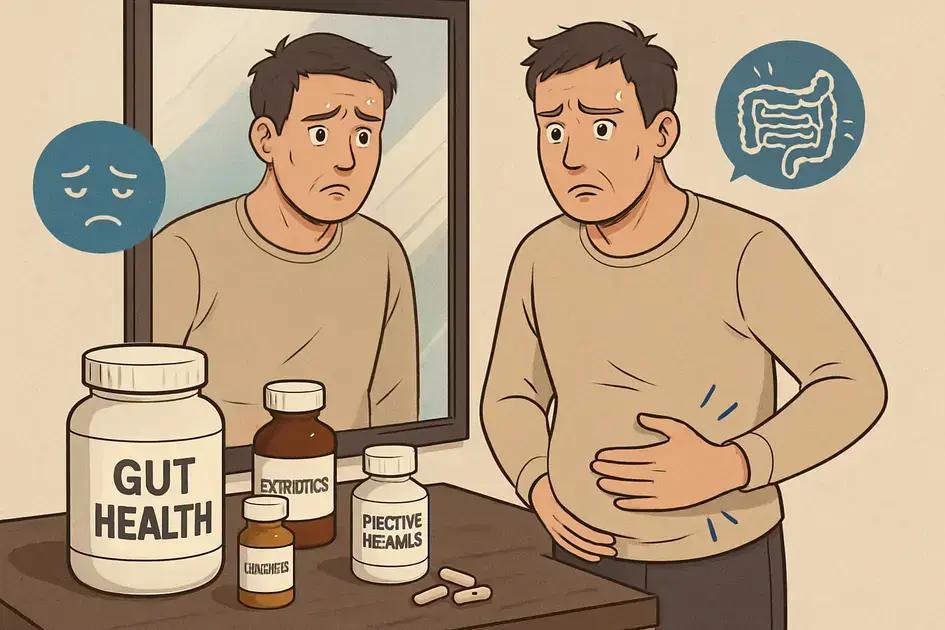
Signs you need a gut health supplement can often be subtle yet significant. Paying attention to your body can help you determine if it’s time to consider a supplement.
1. Frequent Digestive Issues
If you experience persistent bloating, gas, or constipation, these could be signs of an imbalanced gut microbiome. Digestive supplements like probiotics or digestive enzymes may help alleviate these symptoms.
2. Food Intolerances
Difficulty digesting certain foods might indicate a need for gut health support. If you find yourself feeling uncomfortable after eating dairy, gluten, or other foods, consider supplements that can aid digestion.
3. Increased Sugar Cravings
Cravings for sugary foods can be linked to an unhealthy gut. An imbalance in gut bacteria may lead to increased sugar cravings, as harmful bacteria thrive on sugar. A gut health supplement can help restore balance.
4. Fatigue or Low Energy
Feeling unusually tired? Gut health is tied to energy levels. If your gut isn’t absorbing nutrients effectively, you might experience fatigue. Supplements can help improve nutrient absorption and boost your energy levels.
5. Skin Issues
Skin conditions such as acne, eczema, or rashes might stem from gut health problems. When your gut is unhappy, it can manifest as skin issues. A supplement targeting gut health may lead to improvements in your complexion.
6. Unexplained Weight Changes
Unexpected weight gain or loss can also be a sign of gut imbalance. If you’ve made no significant changes to your diet or exercise routine, consider a gut health supplement to help regulate your digestive system.
Impact of diet on gut health
Impact of diet on gut health is a crucial aspect of maintaining overall wellness. What we eat directly affects the balance of bacteria in our gut. A healthy diet can support a thriving gut microbiome, while a poor diet can disrupt it.
1. Fiber-Rich Foods
Consuming plenty of fiber is essential for gut health. Foods like fruits, vegetables, legumes, and whole grains provide the necessary fiber that feeds beneficial gut bacteria. A high-fiber diet promotes digestion and helps prevent issues like constipation.
2. Fermented Foods
Incorporating fermented foods into your diet can boost gut health. Foods such as yogurt, kefir, sauerkraut, and kimchi are rich in probiotics, which support the growth of good bacteria. Regularly eating these foods can improve digestion and enhance immunity.
3. Reducing Processed Sugars
High sugar intake can promote the growth of harmful bacteria in the gut. Reducing processed sugars and refined carbs can help maintain a healthy balance of gut bacteria. Opting for natural sugars from fruits is a healthier choice.
4. Healthy Fats
Healthy fats, like those found in avocados, olive oil, and fatty fish, can have positive effects on gut health. These fats help reduce inflammation and support the integrity of the gut lining, making them beneficial for overall digestion.
5. Staying Hydrated
Staying hydrated is essential for gut health. Water aids digestion and the absorption of nutrients. A well-hydrated body helps maintain the mucosal lining of the intestines, promoting a healthy digestive system.
6. Avoiding Overeating
Portion control is also important for gut health. Overeating can lead to digestive discomfort and disrupt gut function. Eating smaller, balanced meals throughout the day can keep your gut functioning optimally.
Natural remedies for gut health

Natural remedies for gut health can provide effective support in maintaining a balanced digestive system. Many people seek alternatives to over-the-counter medications, and nature offers a variety of options.
1. Ginger
Ginger is known for its natural anti-inflammatory properties. It can help soothe the digestive tract, reduce bloating, and alleviate nausea. Drinking ginger tea or adding fresh ginger to meals can enhance your gut health.
2. Peppermint
Peppermint is another natural remedy that can help relieve digestive issues. It relaxes the muscles of the gastrointestinal tract, making it effective for relieving gas and bloating. Peppermint tea or oil can be beneficial after meals.
3. Aloe Vera
Aloe vera juice can aid digestion and help cleanse the intestines. Its soothing properties can also help with irritation in the gut lining. However, it’s best to consume it in moderation to avoid potential laxative effects.
4. Bone Broth
Bone broth is rich in nutrients and helps strengthen the gut lining. It contains gelatin, which can support intestinal health and enhance digestion. Drinking bone broth regularly may contribute to better gut function.
5. Apple Cider Vinegar
Apple cider vinegar can improve digestion by increasing stomach acidity, which aids in breaking down food. It can be taken diluted in water before meals to support digestive health.
6. Probiotic-Rich Foods
Incorporating natural sources of probiotics, such as yogurt, kefir, and fermented vegetables, can help maintain a healthy gut microbiome. These foods introduce beneficial bacteria that support gut health.
Gut health and mental well-being
Gut health and mental well-being are closely linked, and recent studies have highlighted the connection between our digestive system and mental health. What happens in our gut can significantly affect our mood and cognitive functions.
1. The Gut-Brain Axis
The gut-brain axis is a bidirectional communication pathway between the gastrointestinal tract and the brain. Messages can be sent from the gut to the brain and vice versa, impacting our emotions and mental states. This means that maintaining a healthy gut can play a vital role in supporting mental well-being.
2. Role of Gut Bacteria
Gut bacteria produce neurotransmitters like serotonin and dopamine, which are crucial for regulating mood. Approximately 90% of serotonin, often called the “feel-good” hormone, is produced in the gut. When gut health is compromised, it can lead to imbalances in these important chemicals.
3. The Impact of Diet
The food we eat can drastically affect our gut health and, consequently, our mental health. Diets rich in fiber, probiotics, and omega-3 fatty acids can promote a healthy gut microbiome, leading to better emotional balance. On the other hand, a diet high in processed foods and sugar can negatively impact gut bacteria, leading to mood swings and anxiety.
4. Stress and Gut Health
Stress can disrupt gut health by altering gut motility and affecting the balance of gut bacteria. This creates a cycle where poor gut health can lead to increased stress and anxiety, further worsening overall mental well-being. Managing stress through mindfulness and healthy eating can be beneficial for both gut and mental health.
5. Probiotics and Mental Health
Incorporating probiotic-rich foods or supplements into your diet can be a way to support both gut health and mental well-being. Research suggests that probiotics may help alleviate anxiety and depression symptoms by restoring gut flora balance.
Gut health and immune system support

Gut health and immune system support are more interconnected than many people realize. The gut plays a crucial role in the body’s immune response, and maintaining a healthy gut can enhance overall immune function.
1. The Gut-Immune Connection
A significant portion of the body’s immune system is located in the gut. The gut microbiome, which is made up of trillions of bacteria, helps the body distinguish between harmful pathogens and beneficial microbes. A balanced gut microbiome is essential for a strong immune response.
2. Supporting Gut Health
To support gut health, it’s important to consume a balanced diet rich in fiber, probiotics, and prebiotics. Fiber feeds the good bacteria in the gut, while probiotics help replenish and maintain these beneficial bacteria.
3. Impact of Probiotic Foods
Foods such as yogurt, kefir, sauerkraut, and kimchi contain probiotics that can enhance gut health. Regularly eating these foods can help improve microbial balance and support the immune system. They can also help reduce the duration of illnesses.
4. Prebiotics and Immunity
Prebiotics, found in foods like bananas, onions, and garlic, serve as food for probiotics. They help stimulate the growth of beneficial gut bacteria, which in turn can improve immune function. A diet that includes both probiotics and prebiotics is ideal for strengthening the immune system.
5. Reducing Inflammation
A healthy gut can also help reduce inflammation in the body. Chronic inflammation is linked to various immune-related conditions, so eating anti-inflammatory foods, such as fatty fish and leafy greens, can support both gut health and immune function.
6. Lifestyle Factors
In addition to diet, lifestyle factors such as regular exercise, adequate sleep, and stress management are vital for maintaining gut health. Reducing stress can positively impact gut bacteria, which helps to keep the immune system functioning optimally.
How gut health affects weight management
How gut health affects weight management is an important topic that highlights the connection between our digestive system and our ability to maintain a healthy weight. Research shows that a balanced gut microbiome can play a significant role in regulating body weight and metabolism.
1. The Role of Gut Bacteria
The gut is home to trillions of bacteria, collectively known as the gut microbiome. These bacteria help digest food and extract energy. A diverse and balanced gut microbiome can promote healthy weight management, while an imbalance may lead to weight gain.
2. Metabolism and Gut Health
Gut bacteria assist in breaking down complex carbohydrates and fats. Some bacteria even produce short-chain fatty acids that can influence fat storage and metabolism. When gut health is poor, this process can become disrupted, leading to weight gain or difficulty losing weight.
3. Appetite Regulation
Gut health influences hormones that control appetite. For example, certain gut bacteria can stimulate the release of hormones that make you feel full or regulate hunger. When these bacteria are out of balance, it may lead to increased cravings and overeating.
4. Inflammation and Weight Gain
An unhealthy gut can contribute to chronic inflammation, which is associated with weight gain. Inflammation can disrupt the body’s ability to process insulin, leading to issues like insulin resistance, which may cause weight gain over time.
5. The Impact of Diet
A diet rich in fiber, fruits, and vegetables can promote gut health, helping to maintain a healthy weight. Foods that feed beneficial gut bacteria, such as prebiotics, are essential. Conversely, diets high in sugar and processed foods can harm gut bacteria and lead to weight gain.
6. Lifestyle Factors
Besides diet, other lifestyle factors such as stress and sleep also impact gut health and weight management. Managing stress and ensuring adequate sleep can support a healthy gut microbiome, which in turn aids in maintaining a healthy weight.
The science behind gut supplements

The science behind gut supplements involves understanding how these products function to improve digestive health. Gut supplements can include probiotics, prebiotics, and digestive enzymes, each playing a unique role in supporting gut health.
1. Probiotics
Probiotics are live microorganisms that provide health benefits when consumed in adequate amounts. They help restore the balance of good bacteria in the gut. Research shows that specific strains of Lactobacillus and Bifidobacterium can help treat conditions like diarrhea, irritable bowel syndrome (IBS), and even certain infections.
2. Prebiotics
Prebiotics are non-digestible fibers that feed the good bacteria in the gut. They help stimulate the growth of beneficial microbes, enhancing gut flora. Common sources include chicory root and inulin, both found in supplement form. Studies indicate that prebiotics can improve gut barrier function and reduce inflammation.
3. Digestive Enzymes
Digestive enzymes help break down food into nutrients that the body can absorb. Common enzymes include amylase, protease, and lipase. They can assist those with digestive troubles, such as lactose intolerance or general indigestion, by improving nutrient absorption and reducing bloating.
4. The Gut-Brain Connection
Research also highlights the gut-brain axis, emphasizing how gut health can impact mental well-being. Some gut supplements may influence mood and cognitive function by producing neurotransmitters or reducing inflammation in the gut, linking emotions to digestive health.
5. Clinical Studies
Various clinical studies support the efficacy of gut supplements. For example, randomized controlled trials have shown that certain probiotics can reduce the severity and duration of antibiotic-associated diarrhea and enhance gut health after antibiotic use.
6. Personalization of Supplements
As research advances, the future of gut supplements may focus on personalized nutrition. Tailoring supplements based on individual gut microbiomes could revolutionize gut health solutions, leading to more effective treatment options.
Consulting a healthcare professional
Consulting a healthcare professional is crucial when considering gut health supplements. With the vast array of products available, expert advice can help ensure that you make the right choices based on your individual health needs.
1. Understanding Your Health History
Before starting any supplement, it’s important to discuss your complete health history with a healthcare professional. This includes any pre-existing conditions, medications you currently take, and any allergies. This information helps the provider determine what supplements may or may not be safe for you.
2. Tailored Recommendations
Healthcare professionals can provide tailored recommendations based on individual circumstances. For instance, someone with IBS may benefit from specific probiotics, while another person may need digestive enzymes. Personalized advice ensures that you address your specific gut health issues effectively.
3. Avoiding Interactions
Some gut health supplements can interact with medications, potentially reducing their effectiveness or causing side effects. A healthcare provider can help you identify these risks, ensuring your supplements do not interfere with other treatments.
4. Monitoring Progress
Consulting a healthcare professional allows for ongoing monitoring of your gut health and overall wellness. Regular check-ins can help assess how well the supplements are working and adjust them as needed. This approach can maximize benefits while minimizing potential side effects.
5. Evidence-Based Guidance
Many supplements claim to improve gut health, but not all are supported by scientific evidence. A healthcare provider can guide you to evidence-based products and help you understand the research behind them, ensuring that you make informed decisions.
6. Comprehensive Care
Consulting a healthcare professional provides a holistic approach to your health. Your provider may suggest lifestyle changes, dietary adjustments, or other treatments alongside supplements to enhance your gut health and overall well-being.
Common misconceptions about gut health
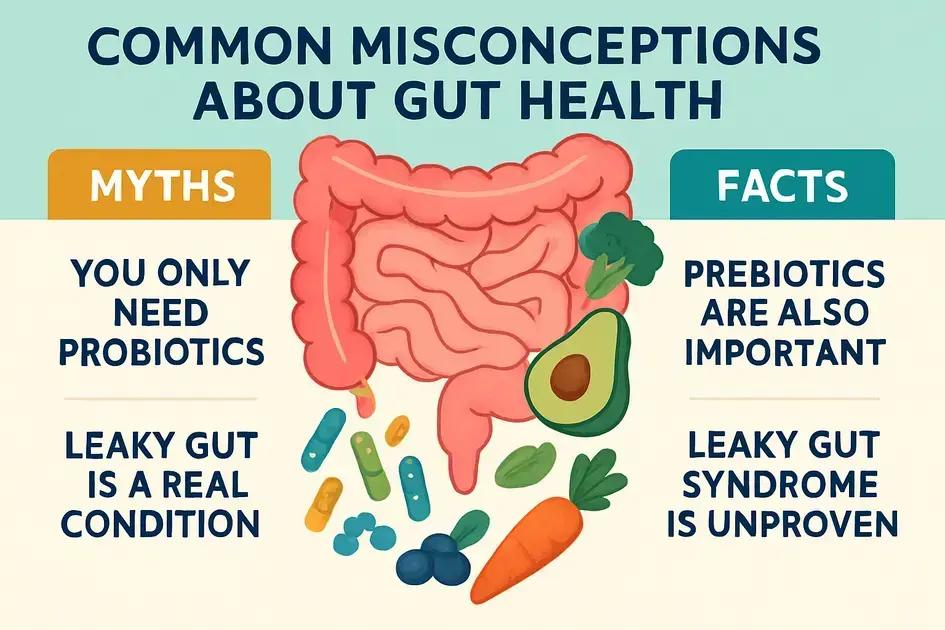
Common misconceptions about gut health can lead to confusion and hinder individuals from making informed choices for their digestive wellness. Understanding the truth behind these myths is essential for achieving better gut health.
1. All Bacteria Are Bad
One common misconception is that all bacteria are harmful. In reality, our gut is filled with both good and bad bacteria. Beneficial bacteria play a vital role in digestion, immunity, and overall health. It’s important to support these good bacteria while managing harmful ones.
2. You Can’t Change Your Gut Health
Many people believe that gut health is fixed and cannot be improved. This is not true. Through diet, lifestyle changes, and supplements, you can positively influence your gut microbiome. Incorporating more fiber and fermented foods can help restore balance.
3. Probiotics Alone Can Solve All Gut Issues
While probiotics are beneficial, they are not a cure-all. Some people think that taking a probiotic supplement will fix all their digestive problems. However, a comprehensive approach involving diet, hydration, and lifestyle changes is often necessary for optimal gut health.
4. Gluten is Bad for Everyone
Another misconception is that gluten is harmful to everyone. While individuals with celiac disease or gluten sensitivity should avoid gluten, most people can tolerate it. For many, gluten-containing foods can be part of a healthy diet.
5. Detox Diets Are Necessary for Gut Health
Some believe that detox diets are essential for gut health. However, the body already has natural detoxification processes through the liver and kidneys. Focusing on a balanced diet with whole foods is usually more effective than extreme detox diets.
6. Frequent Bloating Is Normal
Many people dismiss frequent bloating as normal. While occasional bloating can be common, persistent bloating may indicate an underlying issue that needs to be addressed. It is important to consult a healthcare professional if you experience ongoing digestive discomfort.
Future of gut health supplements
The future of gut health supplements is an exciting area of development in nutritional science. As we learn more about the gut microbiome, innovations in supplements are evolving to provide better health outcomes.
1. Personalized Supplements
One emerging trend is the **customization** of gut health supplements. By analyzing an individual’s microbiome through testing, companies can create personalized formulas tailored to unique gut health needs. This approach may lead to more effective products with better results.
2. Advanced Probiotics
Future probiotics will likely include new strains with targeted benefits. Research continues to identify specific strains that can help with conditions such as anxiety, digestive disorders, and even autoimmune diseases. These advanced probiotics may offer more precise health benefits compared to standard products.
3. Prebiotic Innovations
Innovations in prebiotics are also on the rise. Scientists are developing new prebiotic fibers that can better nourish beneficial gut bacteria. These fibers may enhance the effectiveness of probiotics when taken together, improving gut health more significantly.
4. Combination Products
Future supplements may increasingly feature **combination products** that blend probiotics, prebiotics, and digestive enzymes into one easy-to-take formula. This holistic approach can address multiple aspects of gut health in a single product.
5. Focus on Gut-Brain Connection
As we understand more about the gut-brain axis, products targeting this connection are likely to grow in popularity. Supplements claiming to improve mood, reduce stress, and enhance cognitive function through gut health will become more prevalent.
6. Sustainable Sourcing
With growing awareness of environmental issues, the sourcing of ingredients for gut health supplements is expected to shift. Future products may prioritize sustainability and ethical sourcing to meet consumer demand for eco-friendly options.
In Conclusion: Embracing Gut Health for Better Wellness
Understanding the importance of gut health is essential for overall well-being. The gut plays a major role in digestion, immunity, and even mental health. By knowing the facts and dismissing common misconceptions, you can take proactive steps to support your gut health.
From incorporating probiotics and prebiotics to considering personalized supplements, the future of gut health is bright. As new discoveries emerge, we have the opportunity to enhance our digestive wellness further.
Consulting with healthcare professionals can guide you on the best supplements and practices for your individual needs. Prioritizing gut health not only helps you feel better physically but can also have a significant impact on your mental and emotional well-being.
By making informed choices, you can thrive with a healthy gut and enjoy a better quality of life.
FAQ – Frequently Asked Questions about Gut Health Supplements
What are gut health supplements?
Gut health supplements are products designed to support digestive health, including probiotics, prebiotics, and digestive enzymes.
How do probiotics benefit gut health?
Probiotics introduce beneficial bacteria into the gut, helping to restore balance and improve digestion.
Can diet alone improve gut health?
While diet plays a significant role, combining healthy eating with supplements can enhance gut health more effectively.
Are there any side effects from taking gut health supplements?
Some individuals may experience mild digestive symptoms, such as bloating or gas, when first starting probiotics or prebiotics.
Who should consult a healthcare professional about gut supplements?
Anyone with pre-existing health conditions, those taking medications, or individuals experiencing digestive issues should consult a healthcare professional.
What is the future of gut health supplements?
The future includes personalized supplements based on individual microbiome analysis, advanced formulations, and a focus on the gut-brain connection.