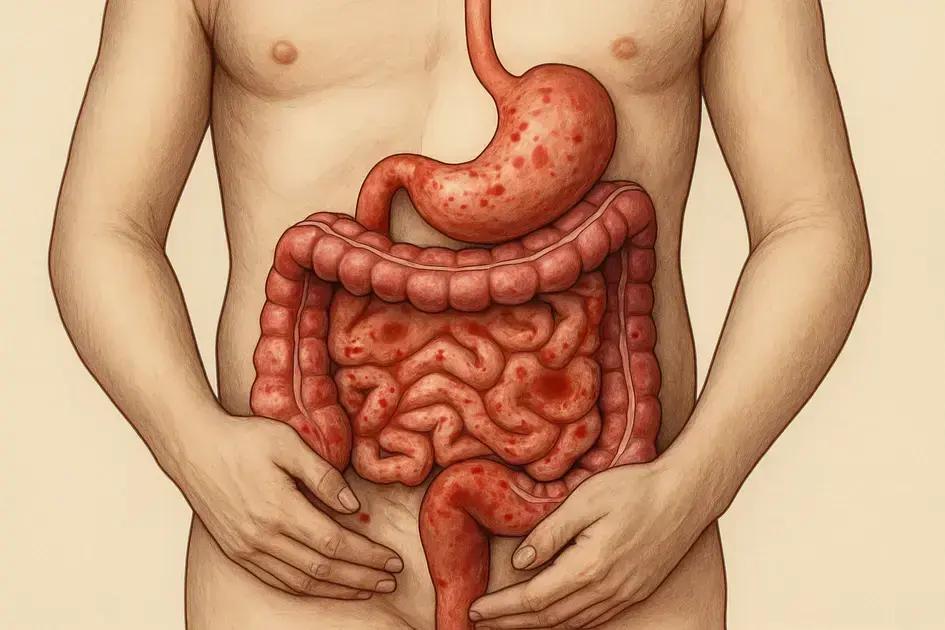
Lyme disease can lead to various intestinal symptoms, such as abdominal pain and food sensitivities, and requires prompt medical attention to prevent complications while maintaining gut health through diet, hydration, and probiotics is essential.

Lyme disease intestinal symptoms might not be the first thing that comes to mind when you think of tick-borne illnesses. However, many affected individuals report gastrointestinal issues that can significantly impact their quality of life. Are you aware of how these symptoms might affect you?
What are Lyme disease intestinal symptoms?
Lyme disease intestinal symptoms can manifest in several ways and may vary from person to person. Understanding these symptoms is crucial for effective management. Some common symptoms include:
Abdominal Pain
Many individuals with Lyme disease report abdominal pain that can range from mild discomfort to severe cramping. This pain may come and go, and its intensity can change.
Nausea and Vomiting
Nausea is another symptom that is often associated with Lyme disease. Some patients may experience vomiting, which can lead to dehydration and further complications.
Diarrhea
Diarrhea can also occur in those suffering from Lyme disease. This symptom can be distressing and might lead to additional problems like nutrient deficiencies.
Constipation
Conversely, some individuals may experience constipation, which can be uncomfortable and lead to complications if not managed properly.
Fatigue and Loss of Appetite
Alongside gastrointestinal issues, many Lyme disease patients suffer from fatigue and may notice a loss of appetite. These factors can exacerbate the existing intestinal symptoms.
Understanding Your Symptoms
It’s important to note that while these symptoms are associated with Lyme disease, they may also be related to other health conditions. Consulting a healthcare provider can help determine the underlying cause and appropriate treatment.
How Lyme disease affects the gut
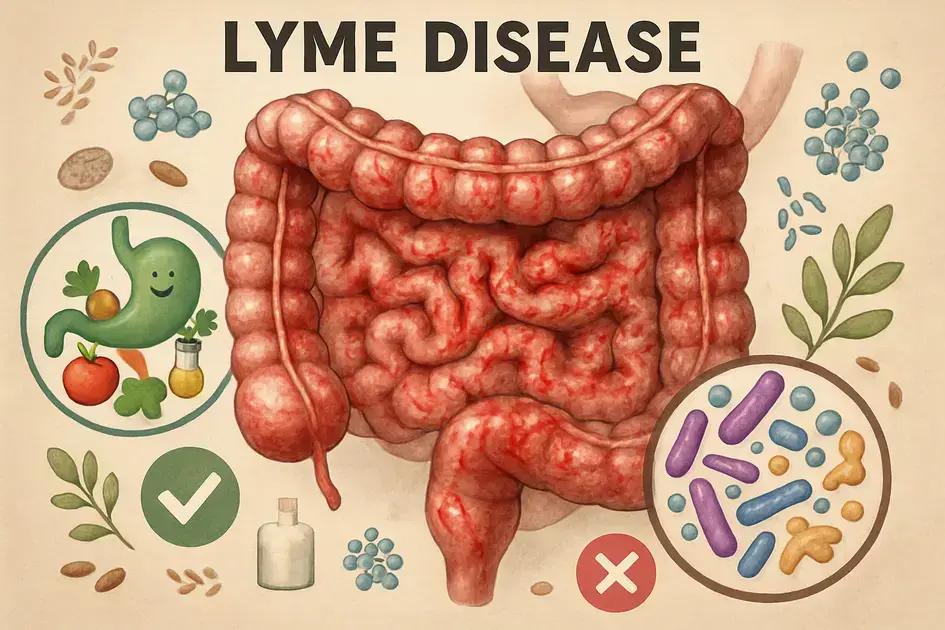
Lyme disease can significantly affect the gut, leading to various symptoms and complications. This occurs due to the bacteria, Borrelia burgdorferi, which can disrupt normal gut function and cause inflammation.
Impact on Gut Health
The presence of Lyme disease can lead to an imbalance in gut bacteria, known as dysbiosis. This imbalance can cause issues such as bloating, gas, and discomfort. A healthy gut is crucial for digestion, and Lyme disease can compromise its function.
Inflammation in the Digestive Tract
Lyme disease often triggers an inflammatory response in the body. This inflammation can extend to the digestive tract, causing symptoms like abdominal pain and altered bowel habits. Chronic inflammation may also contribute to long-term digestive problems.

Immune Response and Gut Symptoms
The immune system reacts to the Lyme bacteria by producing antibodies. This immune response can sometimes lead to further digestive issues, as the body inadvertently attacks its own tissues in the gut, causing discomfort and distress.
Nutritional Absorption Issues
Patients with Lyme disease may experience reduced nutritional absorption due to gut dysfunction. This can lead to deficiencies in essential vitamins and minerals, impacting overall health and potentially complicating recovery.
Recommendations for Gut Health
To support gut health while managing Lyme disease, individuals are encouraged to consume a balanced diet rich in fiber, fruits, and vegetables. Probiotics may also help restore a healthy gut balance. Staying hydrated is vital for digestive health as well.
Common gastrointestinal issues with Lyme disease
Lyme disease can lead to several common gastrointestinal issues that affect many individuals. Understanding these issues is essential for effective management and treatment.
Abdominal Pain
One of the most frequently reported symptoms is abdominal pain. This pain can vary in intensity and may be accompanied by cramping. It’s important to monitor the pain and note any changes.
Nausea
Nausea often occurs along with Lyme disease. This uncomfortable feeling can make it difficult to eat or drink, leading to dehydration if not managed properly.

Diarrhea
Some individuals may experience diarrhea, which can add to discomfort and affect daily life. This symptom may vary in frequency and severity throughout the day.
Constipation
On the flip side, constipation can also be an issue, creating discomfort and bloating. It’s important to address this symptom through diet and hydration.
Loss of Appetite
A common challenge for those with Lyme disease is loss of appetite. This can be due to nausea, abdominal pain, or just feeling unwell overall. Maintaining a balanced diet, even in small portions, is crucial.
Food Sensitivities
Some Lyme disease patients report increased food sensitivities. Certain foods may trigger gastric distress, making it essential to identify and avoid these foods to manage symptoms.
Managing Gastrointestinal Issues
To manage these gastrointestinal symptoms, it’s recommended to consume a diet rich in fiber and to stay hydrated. Probiotics can be beneficial for restoring gut balance. It’s also wise to consult with a healthcare professional for tailored advice.
Relationship between Lyme disease and digestive disorders
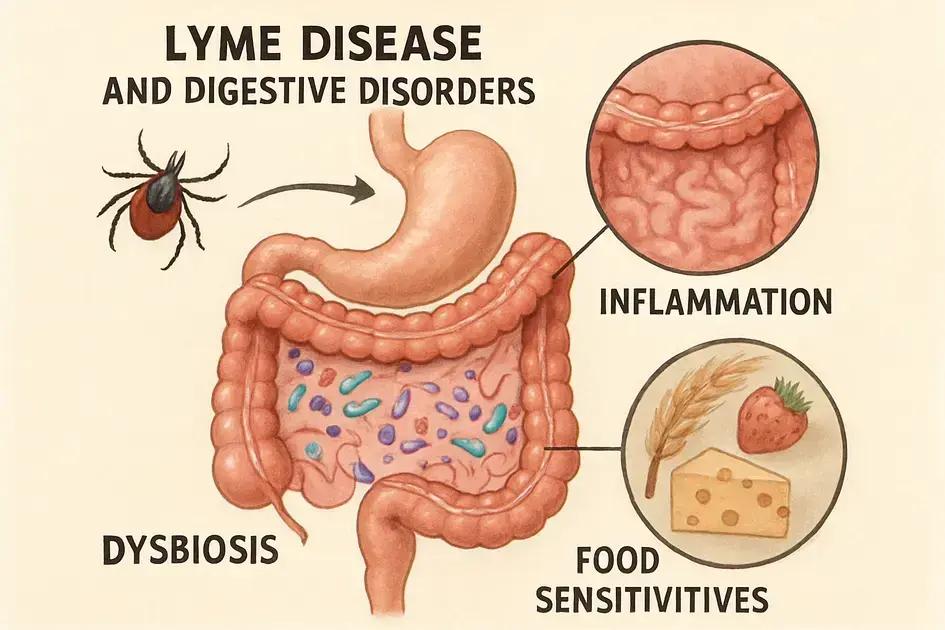
The relationship between Lyme disease and digestive disorders is complex and significant. Many patients report gastrointestinal symptoms that can complicate their overall health.

Impact on Digestion
Lyme disease can interfere with normal digestion. This disruption may be due to the body’s inflammatory response to the bacteria, leading to symptoms such as bloating, gas, and diarrhea. These symptoms can severely affect the quality of life.
Dysbiosis in Lyme Patients
Patients with Lyme disease often develop dysbiosis, which is an imbalance in gut bacteria. This condition can lead to various digestive complaints and may hinder the body’s ability to absorb nutrients properly.
Increased Food Sensitivities
Individuals suffering from Lyme disease may experience increased food sensitivities. Certain foods that were previously well-tolerated can become problematic, causing digestive discomfort and other symptoms.
Chronic Inflammation
The inflammation caused by Lyme disease can extend to the gut, contributing to conditions such as IBS (Irritable Bowel Syndrome) or other inflammatory bowel diseases. This can lead to long-term gastrointestinal issues that require careful management.
Nutritional Deficiencies
Gastrointestinal problems can also result in nutritional deficiencies as the body struggles to absorb essential vitamins and minerals. Addressing these deficiencies is crucial for recovery and maintaining overall health.
Managing Digestive Disorders
To manage digestive issues related to Lyme disease, it is important to consult with a healthcare provider. Dietary changes, probiotics, and targeted treatments can help restore gut health and alleviate symptoms.
Identifying abdominal pain related to Lyme disease
Identifying abdominal pain related to Lyme disease is crucial for many individuals experiencing gastrointestinal symptoms. This pain can vary greatly in intensity and nature.
Types of Abdominal Pain
Abdominal pain can manifest as cramping, sharp, or aching sensations. Each type of pain may indicate different underlying issues related to Lyme disease. Recognizing these can lead to better management.
Location of Pain
Another important factor is the location of the pain. For instance, pain might occur in the upper abdomen, lower abdomen, or in specific quadrants. Noting where the pain occurs can help healthcare providers make a more accurate assessment.
Timing and Triggers
The timing of the pain can also provide insights. Is the pain consistent or does it come and go? Does it occur after eating or at certain times of the day? Being aware of triggers can help in identifying its connection to Lyme disease.
Associated Symptoms
It’s also important to note any associated symptoms that may accompany abdominal pain, such as nausea, diarrhea, or fatigue. These can provide valuable clues to healthcare providers when diagnosing Lyme-related issues.
Seeking Medical Advice
If someone is experiencing persistent abdominal pain associated with Lyme disease, it’s essential to seek medical advice. A healthcare professional can evaluate the symptoms and recommend appropriate testing and treatment options.
Nausea and vomiting as signs of Lyme disease
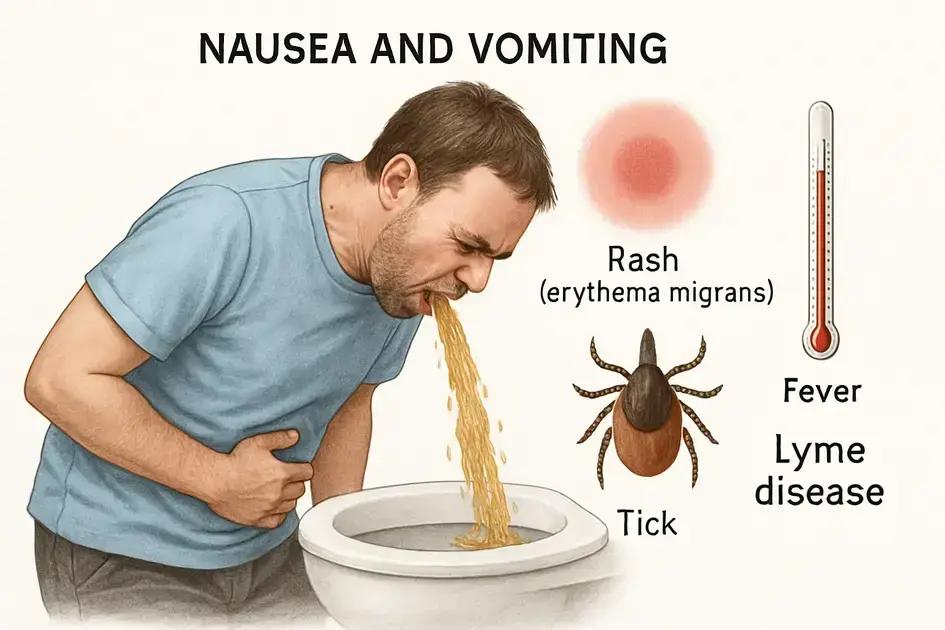

Nausea and vomiting are common symptoms reported by individuals with Lyme disease. These symptoms can greatly affect daily life and overall well-being.
Understanding Nausea
Nausea is often a subjective feeling that can vary in intensity. It may come suddenly or persist throughout the day. For those with Lyme disease, nausea can be triggered by a range of factors, including medications, dietary choices, and the body’s response to infection.
Causes of Vomiting
Vomiting may occur as the body tries to eliminate toxins or responds to digestive distress caused by Lyme disease. It can lead to dehydration and loss of essential nutrients, making management essential.
Relationship to Other Symptoms
Nausea and vomiting are often accompanied by other symptoms, such as abdominal pain and fatigue. This combination can make it challenging for individuals to manage their daily activities and may require a comprehensive treatment approach.
Management Strategies
To manage these symptoms effectively, it’s important to stay hydrated and consult with a healthcare professional. Small, frequent meals might help ease nausea, while anti-nausea medications can provide relief when necessary.
When to Seek Help
If nausea and vomiting persist or worsen, it’s vital to seek medical advice. Persistent symptoms may indicate complications that could affect overall health and may require further investigation.
The role of inflammation in Lyme disease
Inflammation plays a significant role in Lyme disease and can affect various body systems. Understanding how inflammation works can help individuals recognize its impact on their health.
What is Inflammation?
Inflammation is the body’s natural response to injury or infection. In Lyme disease, the immune system responds to the presence of the Borrelia burgdorferi bacteria, causing inflammation in affected tissues.
Symptoms of Inflammation in Lyme Disease
When inflammation occurs, individuals may experience symptoms such as joint pain, swelling, and fatigue. These symptoms can severely disrupt daily activities and overall quality of life.
How Inflammation Affects the Body
In Lyme disease, inflammation can lead to conditions like arthritis and neurological issues. This ongoing inflammation may result in long-term health concerns if not addressed properly.
Managing Inflammation
To manage inflammation, healthcare providers may recommend anti-inflammatory medications, dietary changes, and lifestyle modifications. Foods rich in omega-3 fatty acids, antioxidants, and vitamins can help reduce inflammation in the body.
The Importance of Early Treatment
Early treatment of Lyme disease is crucial to controlling inflammation and preventing further complications. Identifying the disease early can reduce the severity of symptoms and improve recovery outcomes.
Managing intestinal symptoms effectively

Managing intestinal symptoms related to Lyme disease effectively involves a combination of dietary changes, medical treatment, and lifestyle adjustments. This approach can help alleviate discomfort and improve overall health.
Dietary Modifications
One of the first steps in managing intestinal symptoms is to adopt a balanced diet. Foods that are high in fiber, like fruits and vegetables, can promote good digestion. It’s also important to eliminate potential trigger foods that may worsen symptoms, such as dairy or gluten, if sensitivities exist.
Hydration
Staying hydrated is crucial for gut health. Drinking plenty of water can aid digestion and help prevent constipation. Herbal teas may also provide soothing effects on the digestive tract.
Probiotics
Incorporating probiotics into the diet can help restore a healthy gut flora balance. Foods like yogurt, kefir, and fermented vegetables are excellent sources of beneficial bacteria that can support digestive health.
Medical Treatments
Working closely with a healthcare provider is essential for managing symptoms. They may prescribe medications to alleviate specific symptoms, such as anti-nausea or anti-diarrheal medications. Regular check-ups can help monitor progress and make necessary adjustments to treatment.
Lifestyle Changes
Engaging in regular physical activity can also aid digestion and reduce stress levels, which can exacerbate symptoms. Practices like yoga or meditation may improve mental health and overall well-being.
Monitoring Symptoms
Keeping a symptom diary can be beneficial. Note any changes in symptoms related to diet, activity, or stress levels. This record can provide valuable insights to healthcare providers and assist in tailoring a management plan.
Dietary changes for Lyme disease sufferers
Dietary changes can have a significant impact on managing Lyme disease symptoms. Adjusting what you eat can help support the immune system and improve overall health.
Focus on Whole Foods
Incorporating more whole foods into your diet is essential. These include fruits, vegetables, whole grains, and lean proteins. These foods provide vital nutrients that can help the body fight off infections and maintain energy levels.
Avoid Processed Foods
Minimizing consumption of processed foods is also beneficial. These foods often contain unhealthy fats, sugars, and preservatives that can trigger inflammation or digestive issues. Instead, focus on fresh ingredients that nourish the body.
Incorporate Anti-Inflammatory Foods
Foods with anti-inflammatory properties can help reduce symptoms. Incorporate items like fatty fish (such as salmon), nuts, seeds, olive oil, and leafy greens into your meals to help lower inflammation levels.
Stay Hydrated
Hydration is critical for overall health, especially for Lyme disease sufferers. Aim to drink plenty of water throughout the day to support digestion and maintain energy levels. Herbal teas can also be a soothing option.
Consider Probiotics
Adding probiotics to the diet can be beneficial for gut health. Foods like yogurt, kefir, and fermented vegetables help restore the natural balance of bacteria in the gut, which can be disrupted by Lyme disease.
Maintain Balanced Meals
Each meal should be balanced, containing a mix of proteins, carbohydrates, and healthy fats. This approach ensures that the body receives all the nutrients it needs to function optimally.
Probiotics and their importance in gut health

Probiotics are live microorganisms that are beneficial to gut health. They play a vital role in maintaining a balanced gut microbiome, which is essential for overall health and well-being.
What are Probiotics?
Probiotics are often referred to as “good bacteria” because they help keep the digestive system running smoothly. They can be found in foods like yogurt, kefir, sauerkraut, and other fermented products.
Benefits of Probiotics
Incorporating probiotics into your diet can provide numerous health benefits, including:
- Improving digestion and nutrient absorption.
- Boosting the immune system to help fight off infections.
- Reducing symptoms of digestive disorders such as IBS (Irritable Bowel Syndrome).
- Enhancing mood and mental health through the gut-brain connection.
How Probiotics Help in Lyme Disease
For individuals suffering from Lyme disease, probiotics can be especially important. They help counteract the negative effects of antibiotics, which can disrupt the gut flora. By replenishing beneficial bacteria, probiotics may help alleviate gastrointestinal symptoms.
Choosing the Right Probiotic
When selecting a probiotic, consider the following:
- Choose a product with a high number of viable organisms.
- Look for a variety of strains, as different strains provide different benefits.
- Check for quality certifications to ensure it’s a reputable product.
Incorporating Probiotics into Your Diet
Adding probiotics to your diet can be simple. Regularly consume fermented foods, or take high-quality probiotic supplements. It’s best to consult a healthcare professional for personalized recommendations.
Intestinal flora imbalance and Lyme disease
Intestinal flora imbalance, also known as dysbiosis, can occur in individuals with Lyme disease. This imbalance in gut bacteria can lead to various digestive issues and impact overall health.
What is Intestinal Flora?
Intestinal flora, or gut microbiota, consists of trillions of microorganisms living in the digestive tract. These beneficial bacteria play a vital role in digestion, immune function, and overall health.
How Lyme Disease Affects Intestinal Flora
Lyme disease, caused by the Borrelia burgdorferi bacteria, can disrupt the balance of gut bacteria. Antibiotic treatments for Lyme may eliminate both harmful and beneficial bacteria, leading to dysbiosis.
Symptoms of Dysbiosis
Individuals experiencing intestinal flora imbalance may have symptoms such as:
- Bloating and gas
- Diarrhea or constipation
- Fatigue
- Food sensitivities or intolerances
Consequences of Imbalance
An imbalance in intestinal flora can also impact the immune system and increase inflammation in the body. This may lead to chronic symptoms and hinder recovery from Lyme disease.
Restoring Balance in the Gut
To restore balance, it’s important to incorporate probiotics into the diet. Foods like yogurt, kimchi, and sauerkraut can help replenish healthy bacteria. In some cases, probiotic supplements may also be beneficial.
Dietary Considerations
Adopting a diet rich in fiber from fruits, vegetables, and whole grains can support the growth of good bacteria. Avoiding excessive sugar and processed foods can also promote a healthier gut environment.
Symptoms vs. diagnosis of Lyme disease
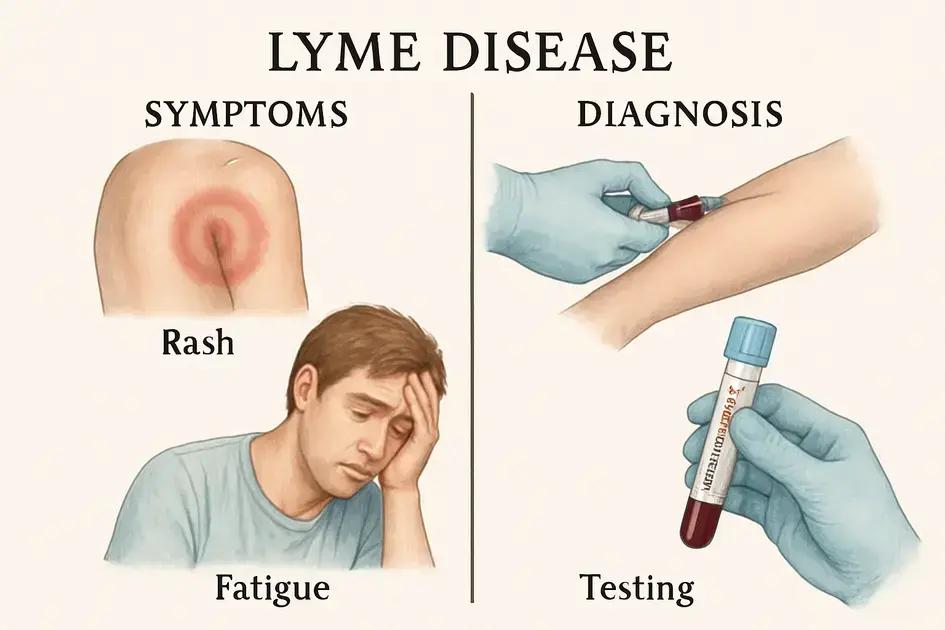
Understanding the symptoms of Lyme disease and the process of diagnosis is crucial for effective treatment. Lyme disease can present with a wide range of symptoms that may overlap with other conditions.
Common Symptoms
Some of the most common symptoms of Lyme disease include:
- Fever and chills – Many patients experience flu-like symptoms.
- Fatigue – Extreme tiredness is prevalent among those infected.
- Headache – Persistent headaches can occur.
- Muscle and joint pain – This can vary from moderate to severe.
- Rash – The characteristic bull’s-eye rash may appear, but not all patients display this symptom.
Diagnosing Lyme Disease
Diagnosing Lyme disease typically involves a combination of methods:
- Medical history – Doctors will ask about symptoms, possible exposure to ticks, and travel history.
- Physical examination – A thorough examination may reveal rashes or other signs of the disease.
- Laboratory tests – Blood tests such as the ELISA and Western blot tests can help confirm the presence of antibodies against the bacteria.
Challenges in Diagnosis
Diagnosing Lyme disease can be challenging because:
- Symptoms can mimic other illnesses, leading to misdiagnosis.
- The characteristic rash does not occur in all cases.
- Not all tests are reliable in the early stages of the disease.
Importance of Early Diagnosis
Early diagnosis is critical to effective treatment. Identifying Lyme disease early can prevent complications, such as chronic symptoms. If you suspect you have been exposed to ticks and develop symptoms, seek medical attention promptly.
Case studies of Lyme disease and intestinal health
Case studies of Lyme disease and intestinal health offer valuable insights into how this condition affects the digestive system. Understanding these real-life examples can help others recognize symptoms and seek appropriate care.
Case Study 1: Chronic Gastrointestinal Symptoms
In one case, a patient with Lyme disease experienced persistent abdominal pain, bloating, and changes in bowel habits. After extensive testing, it was determined that the antibiotic treatment had disrupted their gut flora, leading to dysbiosis. Incorporating probiotics and a diet rich in fiber helped restore their gut balance, improving their overall symptoms.
Case Study 2: Food Sensitivities
Another patient reported developing food sensitivities following their Lyme diagnosis. Foods that were previously tolerable became problematic, causing gastrointestinal distress. The treatment plan included an elimination diet to identify trigger foods, followed by a gradual reintroduction of various items. Monitoring and adjustments helped improve their digestive health.
Case Study 3: Addressing Inflammation
A third case involved a patient suffering from severe inflammation in their gastrointestinal tract. Treatment for Lyme disease included anti-inflammatory medications and dietary changes to reduce inflammation. Emphasizing anti-inflammatory foods such as leafy greens and fatty fish led to significant improvement in their gut health.
Lessons Learned
These case studies highlight the importance of a comprehensive approach to managing Lyme disease and its effects on intestine health. Patients often benefit from:
- Consultation with healthcare professionals experienced in Lyme disease.
- Dietary modifications to support gut health.
- Monitoring symptoms to identify changes and adapt treatment plans.
Conclusion
Real-life examples of Lyme disease and intestinal health can guide patients and healthcare providers in navigating the complexities of treatment. Each patient’s journey may differ, but understanding these cases can help tailor more effective management strategies.
Preventing complications from intestinal symptoms

Preventing complications from intestinal symptoms related to Lyme disease is crucial for maintaining overall health and well-being. By taking proactive steps, individuals can reduce their risk of developing further issues.
Maintain a Healthy Diet
A balanced diet is essential for supporting gut health. Focus on consuming high-fiber foods, such as fruits, vegetables, whole grains, and legumes. These foods can aid digestion and help prevent constipation and other gastrointestinal problems.
Stay Hydrated
Staying hydrated is vital for maintaining optimal digestive function. Aim to drink plenty of water throughout the day. Herbal teas may also provide additional benefits for gut health.
Incorporate Probiotics
Including probiotics in your diet can help restore the balance of gut bacteria. Foods like yogurt, kefir, and fermented vegetables can support gut flora and reduce symptoms.
Regular Physical Activity
Engaging in regular physical activity can help improve digestion and reduce stress, which can exacerbate intestinal symptoms. Aim for at least 30 minutes of moderate exercise most days of the week.
Monitor Symptoms and Keep Records
Keeping a symptom diary can help identify patterns and potential triggers for gastrointestinal issues. Documenting when symptoms occur and what you eat can provide valuable insights for managing your health.
Consult Healthcare Professionals
Regular check-ins with healthcare providers are crucial. They can help monitor your condition and suggest appropriate treatments or lifestyle changes to prevent complications.
When to seek medical advice for Lyme disease symptoms
Knowing when to seek medical advice for Lyme disease symptoms is crucial for effective treatment and recovery. Some symptoms can be mild, but others may indicate a more serious issue that requires prompt attention.
Recognizing Early Symptoms
If you have been bitten by a tick or spent time in areas where Lyme disease is common, watch for early symptoms such as:
- Fatigue – Feeling unusually tired can be a sign.
- Headache – Persistent headaches may occur.
- Fever and chills – These flu-like symptoms can indicate Lyme disease.
- Muscle and joint pain – Discomfort can develop soon after a tick bite.
Identifying the Rash
In some cases, a bull’s-eye rash may appear. It often starts as a small red spot and expands with a clear center. If you observe this rash, it is essential to see a healthcare provider.
Signs of Complications
Complications from Lyme disease can arise if it is not treated early. Seek medical advice if you experience:
- Severe joint pain – especially if it affects mobility.
- Neurological symptoms – such as numbness, weakness, or difficulty concentrating.
- Heart problems – including palpitations or irregular heartbeat.
Persistence of Symptoms
If symptoms persist even after treatment, it’s important to consult a healthcare provider for further assessment. Some individuals may experience lingering symptoms, known as Post-Treatment Lyme Disease Syndrome (PTLDS).
Consulting a Specialist
If Lyme disease is suspected, seeing a healthcare provider experienced in tick-borne illnesses can ensure appropriate testing and treatment plans are utilized. They can guide you through the best steps for managing symptoms effectively.
In summary, understanding Lyme disease and its impact on health is crucial
Lyme disease can lead to a variety of symptoms, especially affecting intestinal health. Early detection and appropriate treatment are essential to prevent complications.
It’s important to recognize the signs of Lyme disease and seek medical advice when symptoms arise. Dietary changes, maintaining gut health, and monitoring symptoms can significantly improve the quality of life for those affected.
By staying informed and proactive, individuals can manage Lyme disease more effectively and maintain better overall health.
FAQ – Frequently Asked Questions about Lyme Disease and Intestinal Health
What are the early symptoms of Lyme disease I should watch for?
Early symptoms may include fatigue, headache, muscle and joint pain, fever, and chills. A distinctive rash may also appear.
When should I seek medical advice for Lyme disease symptoms?
You should seek medical advice if you experience persistent symptoms, signs of complications, or notice a bull’s-eye rash after a tick bite.
How can I improve my gut health while dealing with Lyme disease?
You can improve gut health by eating a balanced diet rich in fiber, incorporating probiotics, and staying hydrated.
What role do probiotics play in Lyme disease management?
Probiotics help restore the balance of gut bacteria, which can be disrupted by Lyme disease and antibiotic treatments.
What complications can arise if Lyme disease is left untreated?
Untreated Lyme disease can lead to serious complications including chronic joint pain, neurological issues, and ongoing fatigue.
How can I prevent complications from intestinal symptoms related to Lyme disease?
To prevent complications, maintain a healthy diet, stay hydrated, incorporate regular exercise, and consult healthcare professionals regularly.