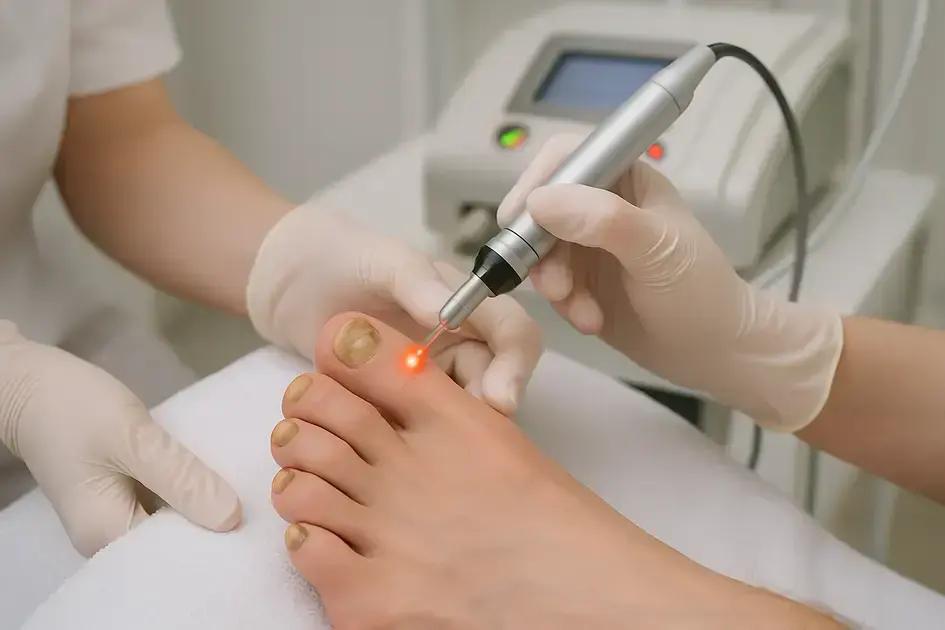
To control melanin production and reduce dark spots, use a consistent skincare routine with sunscreen, vitamin C, and exfoliation, while monitoring your skin’s progress and consulting a dermatologist when necessary.
How to control melanin production and say goodbye to dark spots? Many of us have wondered about effective ways to address uneven skin tone. If you’re looking for answers, this article has some insights.
Understanding melanin and skin pigmentation
Melanin is a natural pigment found in our skin, hair, and eyes. It’s produced by cells called melanocytes, and it plays a crucial role in determining our skin color and protecting us from harmful UV rays.
There are two main types of melanin: eumelanin, which is responsible for brown and black hues, and pheomelanin, which gives rise to red and yellow tones. The concentration and type of melanin present in our skin cells influence our overall complexion.
When we are exposed to sunlight, our body produces more melanin as a defense mechanism against UV radiation. This increased melanin production can lead to a darker skin tone or cause dark spots to form, especially on areas of the skin that are repeatedly exposed to the sun.
Understanding melanin is essential for skincare. For instance, individuals with darker skin tones have more eumelanin, which offers some natural protection against sun damage. However, they can still develop dark spots and hyperpigmentation due to factors like hormonal changes, injuries, and blemishes.
Knowing how melanin works can aid in making informed decisions about skin care and treatments aimed at controlling pigmentation. Thus, it’s important to tailor your approach based on your skin type and the specific issues you face.
The role of UV exposure in melanin production

UV exposure plays a significant role in the production of melanin in our skin. When our skin is exposed to ultraviolet (UV) rays from the sun, it triggers the melanocytes to produce more melanin as a protective response.
There are two main types of UV radiation: UVA and UVB. UVA rays penetrate deeply into the skin and are responsible for premature aging and skin damage, while UVB rays cause sunburn and can directly damage the DNA in skin cells.
In response to UV radiation, the body generates more melanin, leading to a darker skin tone, which helps absorb and dissipate some of the harmful rays, reducing the risk of skin cancer. This is why people who spend more time in the sun tend to develop a tan, which is essentially the skin’s way of protecting itself.
However, excessive UV exposure can overwhelm the skin’s protective mechanisms, leading to uneven melanin production. This can result in hyperpigmentation or dark spots, especially in individuals with lighter skin, who may not have as much melanin to begin with. It’s important to manage UV exposure through protective measures such as sunscreen, hats, and seeking shade.
Understanding the role of UV exposure in melanin production can help individuals make informed choices about their skincare routines and sun protection practices, helping to maintain an even skin tone and promote overall skin health.
Common causes of dark spots
Dark spots, also known as hyperpigmentation, can appear on the skin for various reasons. Understanding the common causes can help in preventing and treating these spots effectively.
One of the primary causes is sun exposure. When the skin is exposed to UV rays, it tends to produce extra melanin to protect itself. Over time, this can lead to dark spots, especially on areas frequently exposed to sunlight, like the face, hands, and arms.
Another common cause is hormonal changes, particularly in women. Conditions such as pregnancy or the use of birth control pills can lead to a condition known as melasma, which results in brown or gray-brown patches on the skin.
Age can also contribute to the development of dark spots. As we get older, the skin’s ability to renew itself slows down, making it easier for pigmentation to accumulate. This is often seen in older adults who have had extensive sun exposure over their lifetime.
Post-inflammatory hyperpigmentation is another cause. This occurs when the skin darkens after an injury, such as cuts, acne, or other skin irritations.Picking at scars or blemishes can worsen the pigmentation issue.
Lastly, certain medications and chemicals can lead to dark spots. Some medications, such as antibiotics and oral contraceptives, can increase sensitivity to sunlight, making the skin more prone to dark spots.
Natural remedies for reducing melanin
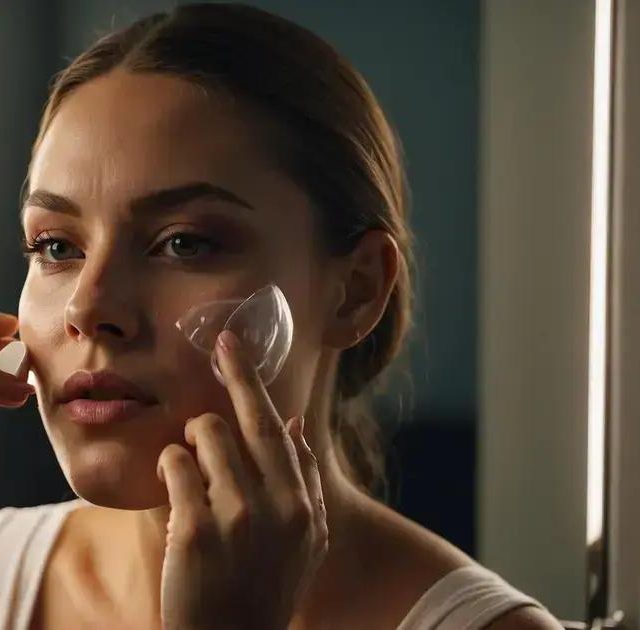
Natural remedies can be an effective way to help reduce melanin production and lighten dark spots on the skin. Many people prefer these options as they tend to have fewer side effects compared to harsh chemical treatments.
Lemon juice is one popular natural remedy. Its high vitamin C content can help brighten the skin and reduce pigmentation. Applying fresh lemon juice to dark spots for about 10 minutes before rinsing with water can be effective. However, it’s important to use sunscreen afterward, as lemon may make the skin more sensitive to sunlight.
Aloe vera is another excellent option. It contains aloin, which has been shown to lighten skin and reduce dark spots. Simply applying aloe vera gel directly to the skin and leaving it on overnight can help nourish the skin and improve its appearance.
Turmeric, known for its anti-inflammatory properties, can also aid in reducing melanin. Creating a paste with turmeric powder and milk or yogurt and applying it as a face mask can help lighten hyperpigmented areas with regular use.
Additionally, green tea contains powerful antioxidants called catechins that may help lighten skin. Using cooled green tea bags on the skin or applying green tea extract can be beneficial for reducing dark spots.
Vitamin E, found in many oils like almond or olive oil, is great for skin health. Massaging vitamin E oil onto dark spots can help restore skin tone and improve moisture levels, aiding in overall skin brightness.
These natural remedies not only contribute to a more even skin tone but also promote healthy skin regeneration. It’s essential to be consistent and patient with these treatments for the best results.
Cosmetic treatments for dark spots
Cosmetic treatments are a popular option for reducing dark spots and achieving a more even skin tone. Many people seek professional help when natural remedies do not show the desired results. Here are some effective cosmetic treatments for dark spots.
Laser therapy is one of the most advanced options available. This treatment uses focused light beams to target and break down pigmentation in the skin. Different types of lasers, such as ablative and non-ablative, can be used based on the severity of the dark spots and the skin type.
Chemical peels are another popular treatment. In this procedure, a chemical solution is applied to the skin, causing it to exfoliate and eventually peel off. This process helps to remove the outer layers of skin, revealing fresher, more evenly pigmented skin underneath.
Microdermabrasion is a less invasive option that uses tiny crystals to exfoliate the skin gently. This treatment helps to remove dead skin cells, allowing for improved texture and tone. It can be helpful for those with mild to moderate hyperpigmentation.
Topical prescription treatments can also be effective. Products containing ingredients like hydroquinone, retinoids, or azelaic acid can help lighten dark spots over time. These products are often used in conjunction with other treatments for the best results.
Finally, photofacial treatments, which use intense pulsed light (IPL), are gaining popularity. This procedure targets pigmentation while promoting collagen production, resulting in a more youthful and even skin tone.
Each of these cosmetic treatments has its benefits and considerations, so it’s essential to consult with a dermatologist to determine which option is best for your skin type and specific concerns.
The importance of sunscreen in skin care

Sunscreen plays a crucial role in effective skin care. Many people underestimate its importance and might skip it daily, but applying sunscreen is an essential step in protecting the skin.
One of the primary benefits of sunscreen is its ability to shield the skin from harmful UV rays. There are two types of UV rays that can cause skin damage: UVA and UVB. UVA rays can prematurely age the skin and lead to wrinkles, while UVB rays can cause sunburn and increase the risk of skin cancer. Using a broad-spectrum sunscreen helps protect against both.
Regular use of sunscreen can help prevent dark spots and hyperpigmentation. When skin is exposed to the sun without protection, it can overproduce melanin, leading to uneven skin tone and dark patches. Sunscreen, therefore, is a key defense against the development of these blemishes.
Furthermore, sunscreen supports overall skin health. It helps maintain moisture levels and protects against environmental pollutants that can exacerbate skin issues. By using sunscreen consistently, you are also promoting a smoother and healthier complexion for the long term.
When choosing a sunscreen, look for one with an SPF of at least 30. It should be reapplied every two hours, especially after swimming or sweating. For daily use, opt for a lightweight formula that can easily be incorporated into your skincare routine.
In summary, integrating sunscreen into your daily regimen is vital for maintaining healthy skin. It not only protects against immediate sun damage but also helps alleviate long-term skin concerns.
Dietary changes that impact melanin levels
Your diet plays a significant role in influencing melanin production in your body. Certain foods can enhance melanin levels, while others may help in reducing pigmentation. Understanding these dietary changes can aid in achieving a more balanced skin tone.
Foods rich in vitamin C are essential for skin health. Vitamin C promotes the production of collagen and may help inhibit excessive melanin production. Citrus fruits like oranges and lemons, as well as berries and bell peppers, are excellent sources of vitamin C.
Antioxidant-rich foods also contribute to skin health by protecting against oxidative stress. Foods like blueberries, spinach, and nuts can help maintain even skin tone and prevent hyperpigmentation. Antioxidants combat free radicals, which can damage skin cells and lead to uneven pigmentation.
Foods high in beta-carotene are beneficial as well. Carrots, sweet potatoes, and dark leafy greens not only support overall skin health but also contribute to healthier melanin levels. Beta-carotene can help achieve a natural glow and enhance the skin’s appearance.
Addition of omega-3 fatty acids found in fish like salmon or plant sources like chia seeds can improve skin health. Omega-3s help reduce inflammation and may provide a calming effect on the skin, preventing redness or pigmentation.
It’s important to stay hydrated too. Drinking ample amounts of water supports circulation and the overall functioning of your skin. Adequate hydration can enhance skin elasticity and keep the complexion radiant.
In conclusion, making these dietary changes not only benefits your skin’s appearance but also promotes overall health. Including a variety of these foods can help in managing melanin levels and achieving your desired skin tone.
How stress influences skin pigmentation

Stress can significantly impact our skin in various ways, including how it affects pigmentation. When we are stressed, our body produces higher levels of cortisol, a hormone that can trigger changes in the skin.
One of the most common effects of stress on the skin is the increase in inflammation. This inflammation can lead to conditions such as acne or eczema, which may cause post-inflammatory hyperpigmentation. This means that after a skin outbreak, dark spots or patches can form as the skin heals.
Additionally, stress can lead to changes in our skin’s oil production. Increased oil can clog pores and cause breakouts, which can result in more pigmentation issues. On the other hand, stress may also lead to dry skin, and when the skin loses its moisture, it can create an uneven appearance.
Another connection between stress and skin pigmentation is through the effects of sleep deprivation, which is often linked with high-stress levels. Lack of sleep can decrease skin repair and recovery time, leading to more noticeable dark spots and uneven skin tone.
Moreover, stress can influence lifestyle choices that further affect pigmentation, such as unhealthy eating habits or neglecting a proper skincare routine. Stress may lead individuals to reach for sugary or processed foods instead of nutrient-rich options, depriving the skin of essential vitamins and antioxidants that help maintain an even tone.
Then again, managing stress through techniques like meditation, exercise, and healthy eating can help improve not only overall well-being but also skin appearance. By reducing stress levels, individuals can support their skin’s health and help diminish the risk of pigmentation issues.
Effective skincare routines for dark spots
Establishing an effective skincare routine is crucial for managing and reducing dark spots. A consistent routine can help improve skin tone and texture. Here are some key steps to consider when creating a skincare regimen focused on dark spots.
First, always begin with a gentle cleanser. Use a mild face wash to remove dirt, oil, and makeup from the skin without stripping its natural moisture. Look for products that contain salicylic acid or glycolic acid, as these ingredients can help exfoliate the skin gently and promote cell turnover.
Next, incorporate a toner. A toner can help balance the skin’s pH and remove any remaining impurities. Choose a toner with ingredients like witch hazel or rose water that can also soothe the skin.
After toning, apply a serum specifically formulated for hyperpigmentation. Look for serums with ingredients such as vitamin C or niacinamide. Vitamin C is known for its brightening properties and can help reduce the appearance of dark spots, while niacinamide helps to even skin tone and improve skin barrier function.
Moisturizing is also an essential step in your routine. Use a lightweight moisturizer that suits your skin type. Keeping the skin hydrating is important for overall skin health and can help with healing those dark spots.
Don’t forget to apply sunscreen every day. Sunscreen protects the skin from harmful UV rays and is vital in preventing further pigmentation issues. Choose a broad-spectrum sunscreen with an SPF of at least 30 and reapply it every two hours when outdoors.
Lastly, consider using targeted treatments like spot treatments that contain ingredients like hydroquinone or retinoids to help lighten dark spots further. However, these treatments should be used under the guidance of a dermatologist to ensure they suit your skin type.
Following these steps can create a well-rounded skincare routine that addresses dark spots and promotes a more radiant and even complexion.
Over-the-counter products that work

Over-the-counter (OTC) products are a convenient option for those looking to address dark spots and even out their skin tone. Many effective skincare products are available without a prescription and can help reduce pigmentation.
1. Hydroquinone is one of the most widely used ingredients for lightening dark spots. It works by inhibiting melanin production in the skin. OTC products typically contain lower concentrations, making them safe for home use. However, it’s important to follow the instructions carefully to avoid irritation.
2. Retinoids, derived from vitamin A, are another effective choice. These products promote cell turnover, which can help fade dark spots over time. Look for products labeled as retinol or adapalene. Since retinoids can make the skin more sensitive to sun exposure, using sunscreen during the day is essential.
3. Vitamin C serums are popular for their brightening properties. Vitamin C is a powerful antioxidant that can help reduce the appearance of dark spots while also protecting the skin from environmental damage. Choose a serum with a stable form of vitamin C, such as ascorbic acid, for the best results.
4. Niacinamide is a form of vitamin B3 that can improve skin tone and diminish the appearance of dark spots. This ingredient has anti-inflammatory properties and can help soothe the skin while offering brightening benefits.
5. Alpha hydroxy acids (AHAs) like glycolic acid and lactic acid are effective exfoliants. They help remove dead skin cells and promote the growth of new skin, which can lead to a more even skin tone. Look for products that contain these acids to incorporate into your routine.
6. Azelaic acid is another great option that helps with hyperpigmentation and has soothing properties. It can be particularly beneficial for those with sensitive skin or conditions like rosacea.
When choosing OTC products, consider your skin type and consult with a dermatologist if unsure about which products would be the best fit for your specific needs. With consistent use, these products can lead to noticeable improvements in skin tone and texture.
Professional treatments explained
Professional treatments for dark spots offer a range of solutions for those looking to improve their skin tone. These treatments are typically performed by licensed dermatologists or skincare professionals and can provide faster and more significant results compared to at-home options.
1. Laser Therapy: Laser treatments are one of the most effective methods for targeting dark spots. They use focused light to break down pigmentation in the skin. Different types of lasers, such as ablative or non-ablative lasers, can be used depending on the severity of the pigmentation and the skin type. Ablative lasers remove the outer layers of skin, while non-ablative lasers stimulate collagen production without damaging the outer skin layer.
2. Chemical Peels: Chemical peels involve applying a solution to the skin that exfoliates the outer layer, promoting new skin growth. This treatment can effectively reduce the appearance of dark spots. Peels can vary in strength, with lighter peels suited for mild discoloration and deeper peels for more stubborn pigmentation issues.
3. Microdermabrasion: This procedure uses tiny crystals to gently exfoliate the skin’s surface, helping to remove dead skin cells and improve overall texture. Microdermabrasion can be beneficial for light to moderate dark spots and is suitable for most skin types. It usually requires multiple sessions for the best results.
4. Intense Pulsed Light (IPL): IPL is not a laser treatment, but it uses different wavelengths of light to target pigmentation. This non-invasive treatment can be effective in reducing dark spots and improving skin tone. IPL works by heating the pigmented cells, causing them to break down and fade over time.
5. Prescription Treatments: For stubborn pigmentation, dermatologists may prescribe stronger topical treatments. Ingredients like hydroquinone, retinoids, or azelaic acid can significantly help lighten dark spots and even skin tone. These treatments are usually combined with professional services for enhanced effect.
Professional treatments can vary in terms of recovery time, discomfort, and effectiveness, so it’s essential to consult with a dermatologist to discuss the best options for your specific needs and skin type.
Myths about dark spots debunked

There are many myths surrounding dark spots and their treatment. Understanding these misconceptions can help people make informed decisions about their skincare. Here are some common myths debunked:
Myth 1: Dark spots are only caused by sun exposure. While sun exposure is a significant factor in the development of dark spots, it is not the only cause. Hormonal changes, genetics, inflammation, and certain medications can also contribute to hyperpigmentation.
Myth 2: Only people with dark skin get dark spots. This is not true. Dark spots can affect anyone regardless of skin color. However, they may be more noticeable on lighter skin types due to the contrast in pigmentation.
Myth 3: You can get rid of dark spots overnight with home remedies. Quick fixes are a common illusion. While some home remedies can help lighten dark spots over time, significant results usually require consistent use over weeks or months. Instant results are unlikely.
Myth 4: Wearing sunscreen is unnecessary during winter or on cloudy days. UV rays can penetrate clouds and affect the skin even when it’s cold outside. Sunscreen is essential year-round to protect against sun damage that can lead to dark spots.
Myth 5: Once you have dark spots, they are permanent. Many treatments can help reduce or eliminate dark spots. Options range from over-the-counter products to professional treatments. With the right care, improvements can be achieved.
Myth 6: All brightening products are safe for all skin types. Not all products are suitable for every skin type. Some brightening ingredients can irritate sensitive skin. It’s essential to choose products that are appropriate for your skin type and consult a dermatologist if needed.
By debunking these myths, individuals can better understand their skin and take effective steps toward achieving a more even complexion.
The impact of hormones on skin tone
Hormones play a crucial role in determining skin tone and can significantly affect how our skin appears. Various hormonal changes can lead to fluctuations in pigmentation, resulting in uneven skin tone or dark spots.
1. Hormonal Changes During Menstruation: Many women notice changes in their skin tone before and during their menstrual cycle. Increased levels of hormones like estrogen and progesterone can lead to an uptick in melanin production. This can cause dark spots known as melasma, often appearing on the face.
2. Pregnancy: Hormonal changes during pregnancy can also trigger melasma. The increased production of melanin can lead to a condition called the “mask of pregnancy,” which results in dark patches usually found on the forehead, cheeks, and upper lip. These patches may fade after childbirth but can persist in some women.
3. Birth Control Pills: Taking hormonal contraceptives can influence skin tone as well. Some women may develop dark spots due to the hormonal fluctuations caused by these pills. Consulting with a healthcare provider about alternatives can help mitigate these effects.
4. Menopause: During menopause, hormone levels decline, which can result in various skin issues, including uneven skin tone. The decrease in estrogen can lead to a loss of collagen and moisture, making pigmentation issues more noticeable.
5. Stress and Hormones: Stress triggers the release of cortisol, which can impact the skin by exacerbating existing pigmentation issues. When under stress, inflammation increases, potentially leading to post-inflammatory hyperpigmentation.
Understanding the impact of hormones on skin tone can help individuals manage their skincare effectively. It’s important to recognize how changes in hormone levels can affect pigmentation and seek professional advice when needed for effective treatment options.
How genetics affect melanin production

Genetics plays a vital role in determining how much melanin our skin produces. Melanin is the pigment responsible for our skin, hair, and eye color, and its production is influenced by our genetic makeup.
1. Skin Color Variability: Different people have varying skin colors due to the amount and type of melanin present in their skin. Individuals with darker skin typically have more eumelanin, while those with lighter skin have higher concentrations of pheomelanin. These genetic differences dictate how our skin reacts to sun exposure and influences our risk for conditions such as hyperpigmentation.
2. Family History: If parents have darker skin tones, their children are more likely to inherit similar traits due to the genetic factors involved in melanin production. Family history can also play a role in determining susceptibility to skin conditions related to pigmentation.
3. Ancestral Background: An individual’s ancestral background has a significant impact on melanin levels. For example, people from regions with high UV radiation typically have evolved to produce more melanin as a protective mechanism against sun damage. This evolutionary factor highlights how our genetics adapt to environmental conditions over generations.
4. Genetic Conditions: Certain genetic conditions can affect melanin production as well. For instance, albinism is a genetic disorder characterized by little or no melanin production, resulting in very light skin, hair, and eyes. Those with albinism can experience increased sensitivity to sunlight and a higher risk of skin cancer due to the lack of protective pigmentation.
5. Hormonal Influence: While genetics primarily dictates melanin production, hormonal changes associated with genetics can also affect pigmentation. For instance, hormonal fluctuations during puberty or pregnancy can lead to an increase in melanin production, which is often seen in conditions like melasma.
Understanding the genetic factors that influence melanin production can help individuals manage their skin care effectively. Recognizing how genetics impacts skin tone can assist in making informed choices regarding sun protection and treatments for pigmentation issues.
Long-term skin care strategies
Implementing long-term skincare strategies is essential for maintaining healthy skin and preventing issues such as dark spots and uneven skin tone. Here are some effective strategies to consider for a robust skincare routine over the long haul.
1. Consistent Sun Protection: Daily use of sunscreen is one of the most effective long-term strategies for protecting skin. Choose a broad-spectrum sunscreen with at least SPF 30, and apply it every day, even on cloudy days. Reapply it every two hours when outdoors to prevent sun damage that can lead to dark spots.
2. Establish a Skincare Routine: A daily skincare routine that includes cleansing, moisturizing, and treatments is vital. Use a gentle cleanser to remove impurities without stripping the skin’s natural moisture. Follow up with a hydrating moisturizer suitable for your skin type to maintain skin barrier health.
3. Incorporate Antioxidants: Products containing antioxidants like vitamin C, vitamin E, and green tea can help protect the skin from free radical damage and promote a more even skin tone. Antioxidants combat oxidative stress caused by environmental factors like pollution and UV rays.
4. Exfoliate Regularly: Regular exfoliation helps remove dead skin cells and promotes cell turnover. Use gentle exfoliants like alpha hydroxy acids (AHAs) or beta hydroxy acids (BHAs) two to three times a week. This practice helps keep the skin smooth and reduces the appearance of dark spots over time.
5. Stay Hydrated: Hydration is crucial for skin health. Drink plenty of water daily to keep the skin hydrated from within. Additionally, consider using hydrating serums or creams that contain hyaluronic acid to draw moisture into the skin.
6. Eat a Balanced Diet: A diet rich in fruits, vegetables, whole grains, and healthy fats supports skin health. Incorporate foods high in antioxidants and omega-3 fatty acids, which can reduce inflammation and improve skin elasticity.
7. Seek Professional Guidance: Regular check-ups with a dermatologist can help monitor skin health and address any emerging concerns early. Professional treatments or consultations can provide personalized strategies to maintain optimal skin health.
These strategies help promote long-lasting skin health and create a foundation for a glowing, even complexion.
Monitoring progress and knowing when to consult a dermatologist
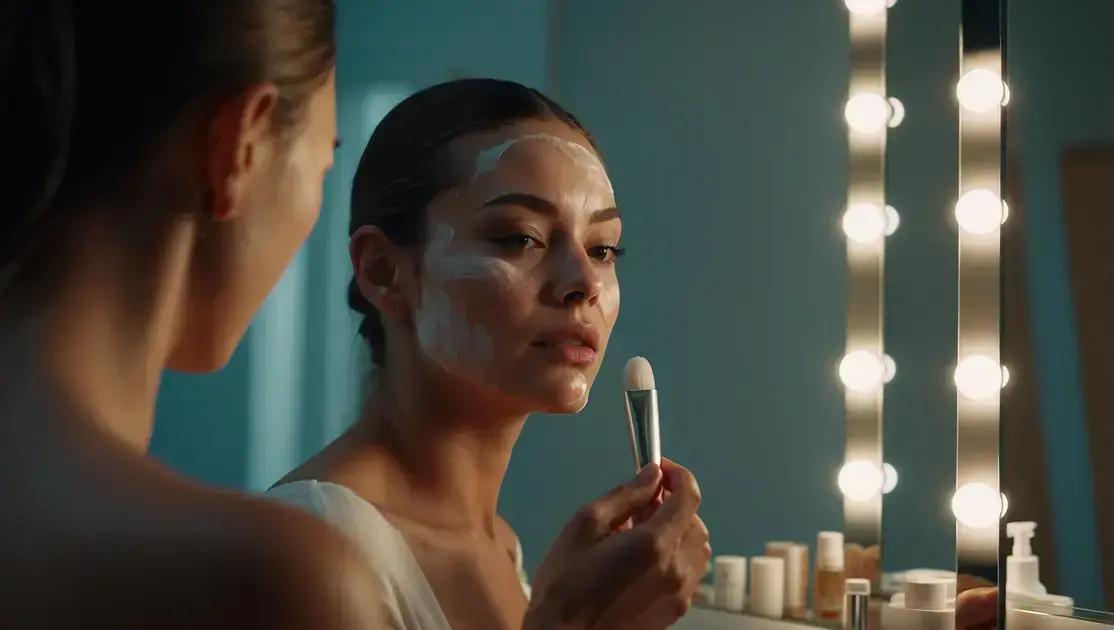
Monitoring your skin’s progress is essential for effective treatment of dark spots and other pigmentation issues. Keeping track of changes in your skin can help you understand what works and when to seek professional advice.
1. Establish a Baseline: Start by taking photos of your skin in good lighting to document the current state of your dark spots. This baseline will help you identify any changes over time.
2. Keep a Skincare Diary: Maintain a skincare diary recording the products you use, how often you apply them, and any noticeable changes in your skin. This can help you connect specific products or routines to improvements or setbacks.
3. Set Goals: Set realistic goals for what you want to achieve with your skincare routine. Understand that results can take time, and having clear objectives can help you stay motivated.
4. Look for Improvement Signs: Monitor your skin for positive signs such as fading dark spots, improved texture, and overall brightness. Small changes may require patience and consistent care.
5. Know When to Seek Help: It’s important to recognize when to consult a dermatologist. If you notice significant changes in your skin, such as increasing pigmentation, new spots, or other concerning symptoms, reach out for professional advice. Additionally, if over-the-counter products do not yield results after several weeks, a dermatologist can suggest stronger treatments tailored to your skin type.
6. Regular Skin Check-ups: Schedule regular appointments with a dermatologist for skin evaluations. These visits provide an excellent opportunity for professional advice on your skincare regimen and help monitor overall skin health.
By monitoring your progress and knowing when to seek help, you can take effective steps toward achieving clearer, healthier skin.
In Summary: Taking Control of Your Skin Health
Managing dark spots and achieving an even skin tone is a journey that requires patience, consistency, and the right knowledge. By understanding the factors that influence melanin production, such as genetics, hormones, and skincare habits, you are better equipped to take care of your skin.
Implementing effective skincare routines, using the right products, and making informed lifestyle choices play a crucial role in achieving your desired results. Additionally, monitoring your skin’s progress and knowing when to consult a dermatologist ensures that you stay on the right path.
Remember, healthy skin is an investment in yourself. With dedication and the right strategies, you can achieve a radiant and even complexion.
FAQ – Frequently Asked Questions about Dark Spots and Skin Care
What are dark spots, and how do they form?
Dark spots, also known as hyperpigmentation, form when excess melanin is produced in certain areas of the skin. This can happen due to sun exposure, hormonal changes, or inflammation.
How can I prevent dark spots from forming?
To prevent dark spots, it’s essential to use sunscreen daily, avoid excessive sun exposure, and maintain a consistent skincare routine that includes exfoliation and moisturizer.
What are some effective treatments for existing dark spots?
Effective treatments for dark spots include over-the-counter products with ingredients like hydroquinone, retinoids, and vitamin C, as well as professional treatments like laser therapy and chemical peels.
Are home remedies for dark spots effective?
Some home remedies, such as lemon juice and aloe vera, may help lighten dark spots over time, but results vary. It’s important to be patient and combine them with proper skincare for the best outcome.
When should I consult a dermatologist about my skin?
You should consult a dermatologist if you notice new or unusual dark spots, significant changes in existing spots, or if over-the-counter treatments are not yielding results after several weeks.
How can diet impact my skin health?
A balanced diet rich in fruits, vegetables, and healthy fats can support skin health by providing essential nutrients and antioxidants, ultimately helping to reduce the risk of pigmentation issues.