The best teas for gut health include green tea, peppermint tea, chamomile tea, ginger tea, and hibiscus tea, each providing unique benefits that promote digestion and overall wellness.

Best tea for gut health can make a significant difference in how we feel daily. Have you ever considered how a simple cup of tea can enhance your digestion? Let’s dive into some amazing options!
Understanding gut health and its importance
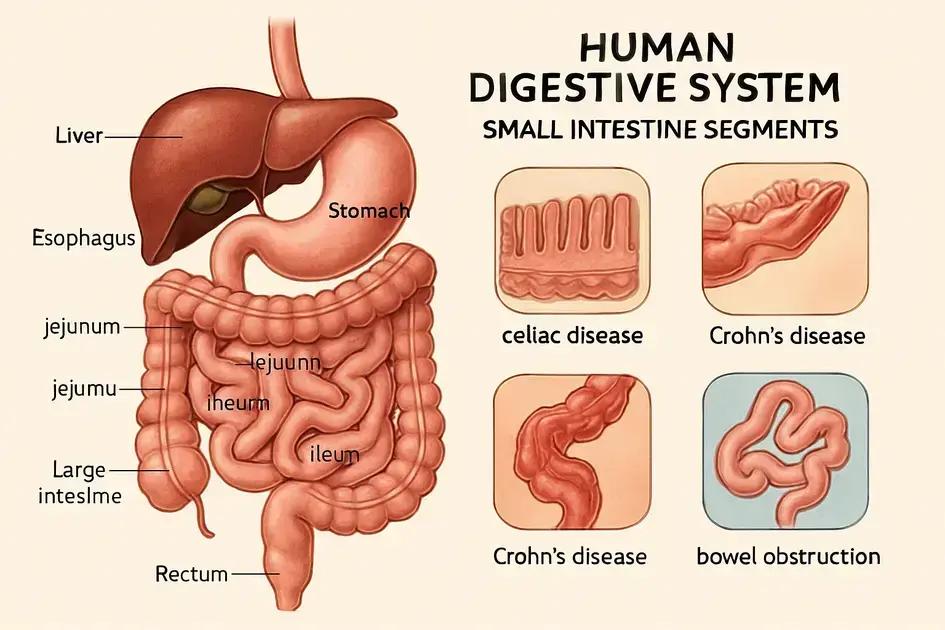
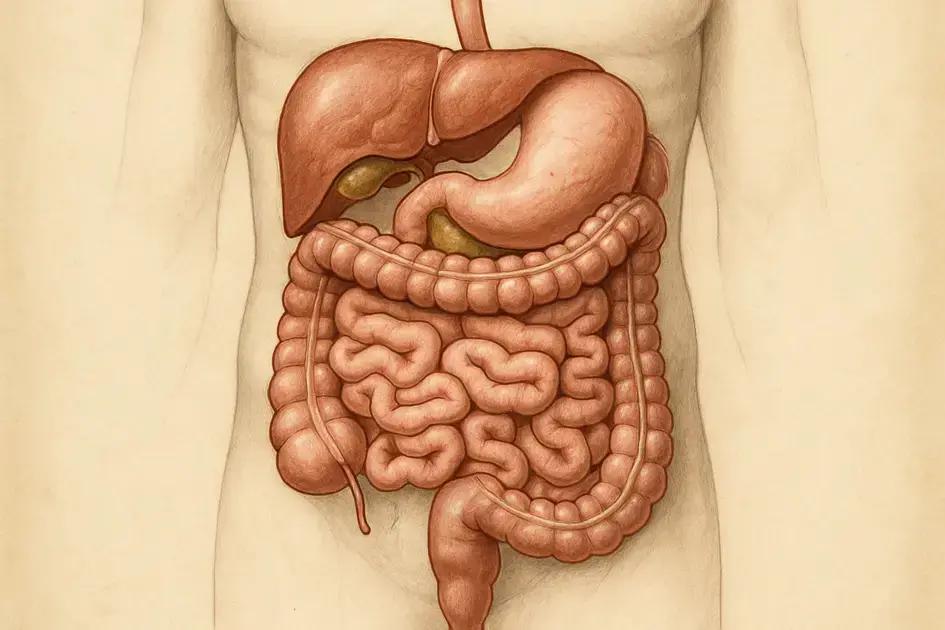
Understanding gut health is crucial for overall well-being. Our digestive system plays a significant role in processing food and absorbing nutrients. When our gut is healthy, we feel more energetic and less bloated.
What is Gut Health?
Gut health refers to the balance of microorganisms living in our digestive tract. This includes bacteria, viruses, and fungi that help digest food and protect us from harmful pathogens. A balanced gut microbiome can aid digestion, support the immune system, and even improve mood.
Why is Gut Health Important?
A healthy gut affects not only digestion but also many aspects of health. It can influence our metabolism, immune response, and even mental health. Some signs of poor gut health include bloating, gas, fatigue, and food intolerances.
Impact on Overall Health
Research suggests that an unhealthy gut may contribute to conditions such as obesity, diabetes, and autoimmune diseases. Therefore, maintaining gut health is essential for preventing these issues and promoting longevity.

To support gut health, consider incorporating foods rich in probiotics, such as yogurt and fermented foods, into your diet. Additionally, consuming a variety of fibers from fruits, vegetables, and whole grains can nourish gut microbes.
Top teas beneficial for gut health

Many teas are known for their benefits to gut health. Here are some of the top choices you can enjoy for better digestion and overall wellness.
Green Tea
Green tea is rich in antioxidants called catechins, which promote healthy gut bacteria. This tea can also help with weight management, leading to better gut function.
Chamomile Tea
Chamomile tea is calming and helps reduce inflammation in the gut. It can also aid in alleviating digestive issues such as gas and bloating.
Peppermint Tea
Peppermint tea is fantastic for soothing the digestive system. It can help relieve symptoms of irritable bowel syndrome (IBS) and improve overall digestion.
Ginger Tea
Ginger tea has warming properties that promote circulation, benefiting digestion. It’s also effective in reducing nausea and discomfort.

Rooibos Tea
Rooibos tea is caffeine-free and contains antioxidants that support gut health. It may help improve digestion and reduce inflammation.
Incorporating these teas into your daily routine can make a significant difference in your gut health. Experiment with different types to find your favorite and enjoy the benefits!
How herbal teas improve digestion
Herbal teas can play a vital role in improving digestion and overall gut health. Let’s explore how these natural remedies work and their key benefits.
How Herbal Teas Support Digestive Health
Many herbal teas are made from plants with properties that can soothe and enhance digestion. Ginger tea, for example, is renowned for its ability to stimulate digestion and reduce nausea. It helps increase the production of digestive enzymes, making it easier for your body to break down food.
Chamomile for Relaxation
Chamomile tea is another great choice. It is known for its calming effects, which can ease the digestive tract. By reducing stress levels, chamomile helps the body to digest food more effectively, preventing discomfort and bloating.
Peppermint for Relief
Peppermint tea can relax the muscles in the gastrointestinal tract, which makes it particularly useful for relieving symptoms of IBS and other digestive issues. The menthol in peppermint helps to ease gas and bloating, promoting a more comfortable digestive experience.

Fennel Tea Benefits
Fennel tea is known for its ability to combat bloating and gas. It works as a natural carminative, which means it helps in the expulsion of gas from the digestive system. Regular consumption can lead to a more comfortable and efficient digestion process.
Incorporating these herbal teas into your daily routine can greatly support your digestive health and improve your overall well-being.
Importance of prebiotics in tea

Prebiotics play a crucial role in maintaining gut health, and their presence in certain teas can enhance their benefits. Understanding how prebiotics work and their importance can help you make better choices for your digestive health.
What are Prebiotics?
Prebiotics are non-digestible food components that promote the growth of beneficial bacteria in the gut. Unlike probiotics, which are live bacteria, prebiotics serve as food for these good bacteria, helping them thrive.
How Prebiotics Support Gut Health
By consuming prebiotics, you can improve your gut microbiome. This leads to better digestion, enhanced nutrient absorption, and a strengthened immune system. Prebiotics also help in regulating bowel movements and may reduce the risk of gut-related issues.
Prebiotics in Tea
Some herbal teas, such as chicory root tea and dandelion tea, are rich in inulin, a common prebiotic. Including these teas in your diet can naturally boost your prebiotic intake while providing hydration and warmth.

Benefits of Prebiotics
Regular consumption of prebiotics can improve overall digestive health. They can help increase good bacteria, decrease harmful bacteria, and improve gut barrier function. Additionally, they may support mental health through the gut-brain axis.
Incorporating teas that contain prebiotics into your routine can promote a healthy gut and contribute to your overall wellness.
The role of green tea in gut care
Green tea is well-known for its numerous health benefits, and its role in gut care is particularly noteworthy. Let’s examine how green tea contributes to improved digestive health.
Rich in Antioxidants
Green tea is loaded with antioxidants called catechins, which play a significant role in promoting gut health. These antioxidants help reduce inflammation in the digestive tract and support the growth of healthy gut bacteria.
Enhances Digestive Function
Consuming green tea can enhance digestive function by promoting the production of digestive enzymes. This can help break down food more efficiently and improve nutrient absorption, which is crucial for overall health.
Weight Management
Green tea is known for its potential to aid in weight management. By boosting metabolism and fat oxidation, it can help in reducing body weight and fat, which may alleviate pressure on the gut and improve digestive health.
Supports Healthy Gut Flora
The catechins in green tea also support a healthy balance of gut bacteria. A balanced gut microbiome is essential for good digestion and can prevent various gut-related disorders.
Combating Heartburn and Indigestion
For those who suffer from heartburn and indigestion, green tea can be soothing. Its natural compounds can help relieve symptoms and promote comfort in the digestive system.
Incorporating green tea into your daily routine is an excellent way to support gut health while enjoying its refreshing taste.
Chamomile tea: More than just a soothing drink

Chamomile tea is not only cherished for its calming effects but also for its numerous health benefits, particularly for gut health. This herbal tea is derived from the dried flowers of the chamomile plant, known for its sweet, apple-like fragrance.
Digestive Aid
Chamomile tea is a powerful digestive aid. It has been shown to relieve bloating, gas, and stomach cramps. Its anti-inflammatory properties can help soothe the digestive tract and alleviate symptoms of indigestion.
Anti-Inflammatory Properties
The natural compounds in chamomile, including flavonoids, contribute to its strong anti-inflammatory effects. This can support gut health by reducing inflammation throughout the digestive system, which may enhance overall gut function.

Relaxation and Stress Relief
Consuming chamomile tea can promote relaxation, which is beneficial for digestion. Stress negatively impacts gut health, leading to issues like stomach aches. By soothing the mind, chamomile helps create a better environment for digestion.
Boosting Immune Function
Chamomile tea can also boost your immune system. A healthy gut aids in the body’s immune response, and chamomile’s ability to fight inflammation supports this process.
How to Enjoy Chamomile Tea
This tea can be enjoyed warm or iced and makes a delightful addition to your evening routine. Use pure chamomile tea bags or dried flowers for a fresh herbal infusion. Adding honey or lemon can enhance the flavor while also providing additional health benefits.
Peppermint tea benefits for digestion
Peppermint tea is well-known for its refreshing flavor and aroma, but its benefits for digestion are what truly make it stand out. Let’s explore how peppermint tea can enhance your digestive health.
Soothing Digestive Issues
Peppermint tea acts as a natural soother for the digestive system. It can help alleviate symptoms such as bloating, gas, and upset stomach. The menthol in peppermint relaxes the muscles of the gastrointestinal tract, making it easier for gas to pass and reducing discomfort.
Relief from Irritable Bowel Syndrome
For individuals suffering from Irritable Bowel Syndrome (IBS), peppermint tea can offer significant relief. Studies suggest that peppermint oil can reduce the frequency of IBS symptoms, and drinking peppermint tea can have similar effects by calming the intestines.
Improved Digestion
Peppermint tea aids digestion by stimulating the flow of bile, which is essential for breaking down fats. This can help improve overall digestive efficiency and nutrient absorption.
Reducing Nausea
If you experience nausea or motion sickness, sipping on peppermint tea can help ease these feelings. The aroma of peppermint has calming properties that can help settle your stomach and reduce queasiness.
How to Enjoy Peppermint Tea
Peppermint tea can be enjoyed hot or iced. Use fresh peppermint leaves or high-quality tea bags to brew a refreshing cup. Adding a little honey can enhance the flavor while providing additional soothing benefits.
White tea and gut health explained

White tea is often celebrated for its delicate flavor and aroma, but it also offers significant benefits for gut health. Understanding these benefits can help you incorporate white tea into your wellness routine.
Rich in Antioxidants
White tea contains a high concentration of antioxidants, particularly catechins and polyphenols. These compounds help combat oxidative stress in the body, supporting overall digestive health by reducing inflammation.
Promoting Healthy Gut Microbiome
Consuming white tea may help enhance the growth of beneficial gut bacteria. A balanced gut microbiome is crucial for digestion, nutrient absorption, and immune function. By drinking white tea regularly, you may support a healthier gut environment.
Improving Digestion
The compounds in white tea can aid in the dissolution of fats, improving digestion and making it easier for your body to process food. This can help reduce feelings of bloating and discomfort after meals.
Hydration and Detoxification
Staying hydrated is vital for good digestion, and white tea contributes to your daily fluid intake. Moreover, it can help in the detoxification process, which is essential for maintaining a healthy digestive system.
Brewing and Enjoying White Tea
To maximize the benefits of white tea, steep it in hot water (not boiling) for about 5 minutes. This gentle brewing process allows the flavors and beneficial compounds to infuse. Enjoy it plain or add a slice of lemon for added flavor!
The impact of hibiscus tea on digestive wellness
Hibiscus tea, made from the dried petals of the hibiscus flower, is not only delicious but also offers numerous benefits for digestive wellness. Let’s explore how hibiscus tea can support a healthy digestive system.
Rich in Antioxidants
Hibiscus tea is packed with antioxidants, which help to combat oxidative stress in the body. These antioxidants can protect the digestive system from damage and inflammation, promoting overall gut health.
Supporting Digestive Function
The consumption of hibiscus tea may enhance digestive function by improving bowel regularity. It has mild laxative properties, which can help prevent constipation and support a healthy digestive tract.
Hydration and Detoxification
Staying hydrated is crucial for proper digestion, and hibiscus tea is an excellent way to maintain fluid intake. Additionally, hibiscus has natural detoxifying effects that help cleanse the digestive system, clearing out toxins and waste.
Reducing Inflammation
Hibiscus tea may help reduce inflammation in the digestive tract. This can be particularly beneficial for individuals dealing with inflammatory bowel conditions, as the anti-inflammatory properties can offer relief.
How to Enjoy Hibiscus Tea
Hibiscus tea can be enjoyed hot or iced. To prepare, steep the dried hibiscus petals in boiling water for about 5-10 minutes, then strain and serve. You can also add honey or lemon for added flavor. Enjoying hibiscus tea regularly can promote digestive wellness and enhance your overall health.
Best practices for brewing gut-friendly teas

Brewing gut-friendly teas is essential for maximizing their health benefits. Here are some best practices to ensure you enjoy the finest flavors and health effects.
1. Use Fresh Ingredients
Whenever possible, use fresh herbs or high-quality tea leaves. Fresh ingredients retain more flavors and nutrients, enhancing the tea’s benefits for gut health.
2. Proper Water Temperature
Using the right water temperature is crucial for extracting the best flavors and health properties. Most herbal teas steep well in water that is somewhere between 190°F to 212°F (87°C to 100°C). However, delicate teas like white or green should be brewed at lower temperatures, around 160°F to 185°F (71°C to 85°C).
3. Steeping Time
Each type of tea requires different steeping times. Generally, herbal teas should be steeped for 5 to 10 minutes to extract the beneficial compounds effectively. Taste-testing during the steeping process can help you find the perfect balance of flavor.
4. Experiment with Pairings
Mixing different teas or adding ingredients like honey, lemon, or ginger can enhance the taste and health benefits. For instance, pairing green tea with mint can create a refreshing drink that supports digestion.
5. Store Properly
To maintain the freshness of your teas, store them in a cool, dry place in an airtight container. This helps protect the flavors and essential oils from degrading over time.
6. Drink Regularly
To reap the health benefits, incorporate gut-friendly teas into your daily routine. Consistency is key to promoting digestive wellness and overall health.
Combining teas for enhanced gut benefits
Combining different teas can create unique flavors and enhance the gut health benefits of each tea. Here are some effective combinations to consider.
1. Green Tea and Ginger
This powerful duo is great for digestion. Green tea boosts metabolism and the flow of digestive enzymes, while ginger helps soothe stomach issues. Together, they can enhance digestion and reduce bloating.
2. Peppermint and Chamomile
This combination is perfect for calming the stomach. Peppermint tea relaxes the muscles of the gastrointestinal tract, while chamomile tea reduces inflammation. Together, they can alleviate cramps and promote relaxation.
3. Hibiscus and Fennel
Hibiscus tea is rich in antioxidants, while fennel tea helps reduce gas and bloating. Mixing these two can create a refreshing drink that supports gut health while being detoxifying.
4. Rooibos and Lemon
<p is caffeine-free and packed with antioxidants. Adding a splash of lemon not only enhances the flavor but also provides vitamin C, which supports the immune system and aids digestion.
5. White Tea with Lavender
This calming blend is perfect for evening consumption. While white tea offers delicate flavors and antioxidants, lavender helps promote relaxation and may reduce digestive discomfort.
To prepare these combinations, simply brew the teas separately according to their steeping times, and then mix them in your cup. Experiment with different ratios to find your ideal blend!
When to drink tea for optimal gut health

Knowing when to drink tea can significantly enhance its benefits for gut health. Here are some key times during the day to enjoy your favorite teas for optimal effects.
1. Morning Boost
Starting your day with a cup of green tea or ginger tea can kickstart your metabolism and aid digestion. These teas can provide a gentle caffeine boost and promote the production of digestive enzymes.
2. Pre-Meal Ritual
Consuming tea about 30 minutes before meals can prepare your digestive system for food. Herbal teas like peppermint or chamomile can help stimulate appetite and ease digestive processes.
3. After Meals
Drinking tea after a meal can support digestion and reduce discomfort. Consider drinking fennel tea or hibiscus tea, which can alleviate bloating and promote a healthy gut after you eat.
4. Afternoon Pick-Me-Up
In the afternoon, enjoy a cup of rooibos tea or white tea to stay hydrated without the jitters from coffee. These caffeine-free options are soothing and beneficial for digestive health.
5. Evening Relaxation
Before bed, sipping on chamomile or lavender tea can help you unwind. These calming teas aid relaxation and can promote better sleep, which is essential for gut health.
6. Consistent Hydration
Lastly, stay hydrated throughout the day by incorporating a variety of teas. This boosts overall digestive function and helps maintain balance in your gut flora.
Side effects of teas on gut health
While teas can provide numerous benefits for gut health, it’s also important to be aware of their potential side effects. Understanding these can help you make informed choices about what to drink.
1. Caffeine Sensitivity
Some teas, like black tea and certain green teas, contain caffeine. For those sensitive to caffeine, this can lead to symptoms such as anxiety, restlessness, or digestive upset. If you experience these symptoms, consider switching to caffeine-free options.
2. Herbal Teas and Allergies
Certain herbal teas may trigger allergic reactions in some individuals. Ingredients like chamomile or hibiscus, while beneficial, can cause issues for those with specific allergies. Always check the ingredients and consult with a healthcare provider if you have concerns.
3. Excess Consumption
Drinking excessive amounts of tea can lead to side effects like digestive discomfort or excessive hydration. It’s essential to enjoy tea in moderation to prevent any negative effects on gut health.
4. Interaction with Medications
Some teas can interact with medications. For example, green tea can affect blood thinners, while peppermint tea may impact certain digestive medications. Always consult a healthcare professional if you’re on medication and are considering adding specific teas to your routine.
5. Stomach Irritation
Certain acidic teas, like hibiscus, can irritate the stomach lining in some people. If you find that a particular tea causes discomfort, consider reducing the amount you drink or eliminating it from your diet.
Being mindful of these potential side effects can help you enjoy the benefits of tea while minimizing any adverse reactions. Always listen to your body and adjust your consumption accordingly.
Personal testimonials on gut health from tea drinkers

Personal testimonials highlight the positive impact that tea can have on gut health. Here are some encouraging experiences shared by tea drinkers.
Improved Digestion
Emily, a regular drinker of peppermint tea, shares that it has significantly helped her digestion. “Whenever I feel bloated or gassy, a cup of peppermint tea works wonders. It helps soothe my stomach and get things moving again,” she says.
Relief from IBS Symptoms
Mark has struggled with Irritable Bowel Syndrome (IBS) for years. He found that drinking ginger tea regularly has eased his symptoms. “Ginger tea has become my go-to remedy. It calms my stomach and helps reduce my discomfort after meals,” he explains.
Enhanced Well-being
Sarah enjoys drinking green tea each morning. She notes, “Not only does it give me energy, but I’ve also noticed it helps with my digestion throughout the day. I feel lighter and more energized!”
Calm and Relaxation
John prefers chamomile tea in the evenings. “After a stressful day, a warm cup of chamomile tea helps me unwind. I’ve noticed that it aids my digestion and helps me sleep better, too,” he shares.
Detox and Hydration
Linda has made hibiscus tea a regular part of her routine. “Hibiscus tea is refreshing and keeps me hydrated. I love how it helps detox my system and keeps my digestion on track. It’s the perfect drink for a hot day!”
These personal stories illustrate just how beneficial tea can be for gut health and overall wellness. Many people find that including tea in their daily routine enhances their digestive experiences and promotes a healthier lifestyle.
Future research on tea and digestive health
The future of research on tea and its effects on digestive health holds great promise. As studies continue, scientists are uncovering new insights that could improve our understanding of how different types of tea affect our gut.
1. Exploring Specific Teas
Future research is likely to focus on the benefits of various herbal teas and their specific components. For example, studies may investigate the role of antioxidants in green tea or the anti-inflammatory properties of chamomile and how these impact digestion over time.
2. Gut Microbiome Interactions
Another area of interest is how tea consumption influences the gut microbiome. Research may explore how different teas can promote the growth of beneficial bacteria while inhibiting harmful strains, ultimately supporting overall digestive health.
3. Long-Term Effects
Investigating the long-term effects of regular tea consumption on digestive health will be crucial. Researchers will look into how different types of tea, such as hibiscus or peppermint, can contribute to improved digestive health when consumed regularly over extended periods.
4. Tea and Dietary Habits
Future studies may also consider the impact of tea in conjunction with diets rich in fiber and other gut-friendly foods. Understanding how tea can enhance the overall benefits of a healthy diet will provide valuable insights.
5. Personalized Nutrition
As the field of personalized nutrition grows, research may delve into how individual responses to different teas vary. Factors such as genetics, gut health, and lifestyle can affect how one benefits from specific types of tea.
6. Innovative Tea Blends
Researchers might explore creating innovative tea blends that target specific digestive issues, such as bloating or indigestion. By combining various ingredients, scientists can tailor tea to meet different digestive needs.
The ongoing research on tea and digestive health has the potential to provide new recommendations and enhance the role of tea in promoting gut wellness for individuals around the world.
In Summary: The Benefits of Tea for Gut Health
Tea offers numerous benefits for gut health, from improving digestion to soothing discomfort. Different types of tea, such as green, chamomile, and peppermint, can help enhance your overall well-being.
By understanding when to drink tea and combining various blends, you can maximize their beneficial effects on your digestive system. However, it’s important to be aware of potential side effects and to enjoy tea in moderation.
Future research promises to uncover even more about how tea impacts our gut health, paving the way for personalized and innovative tea solutions in the years to come.
Incorporating tea into your daily routine can support a healthier gut and contribute to a better quality of life.
FAQ – Frequently Asked Questions About Tea and Gut Health
What types of tea are best for gut health?
Some of the best teas for gut health include green tea, peppermint tea, chamomile tea, ginger tea, and hibiscus tea, each offering unique benefits for digestion.
When is the best time to drink tea for digestive benefits?
Drinking tea in the morning, before meals, after meals, in the afternoon, and before bed can provide specific digestive benefits.
Can drinking too much tea have negative effects on gut health?
Yes, excessive consumption of tea can lead to digestive discomfort and may introduce caffeine-related issues. Moderation is key.
How does tea influence gut microbiome health?
Certain teas can promote the growth of beneficial bacteria while inhibiting harmful bacteria, which is vital for maintaining a healthy gut microbiome.
Are there any potential allergies or side effects from drinking tea?
Some individuals may experience allergic reactions or sensitivities to specific teas or herbal ingredients. It’s important to be aware of these reactions and consult with a healthcare provider if necessary.
What does future research hold for tea and digestive health?
Future research is likely to explore the specific components of various teas, their interactions with the gut microbiome, and how they can be tailored for personalized digestive wellness.