To maintain hair health, choose products specific to your hair type, stay hydrated, get regular trims, and consider natural remedies like coconut oil and aloe vera to nourish your hair.
Want to know how to maintain your hair health? How to maintain hair health is often a question many of us ponder, especially after a bad hair day. Let’s dive into practical tips that can transform your locks!
Understanding the basics of hair health
Understanding the basics of hair health is essential for maintaining beautiful locks. Healthy hair starts from the scalp, which needs to be clean and nourished. It’s helpful to know that our hair is made of a protein called keratin, which can be damaged by various factors.
Hair Structure
The hair consists of three layers: the cuticle, cortex, and medulla. The outer layer, or cuticle, protects the inner layers. When the cuticle is intact, it keeps moisture in and prevents damage. Factors like heat styling and chemical treatments can harm the cuticle.
Importance of Scalp Care
Caring for your scalp is crucial because a healthy scalp promotes healthy hair growth. Regular cleansing removes buildup from products, oils, and dirt. Consider massaging your scalp during washing to boost blood flow and stimulate growth.
Nutrition for Hair Health
What you eat plays a significant role in your hair’s condition. A balanced diet rich in vitamins and minerals is vital. Foods high in omega-3 fatty acids, zinc, and biotin support hair strength. Including leafy greens, nuts, and fish in your meals can be beneficial.
Hydration Matters
Keeping your body hydrated is equally important for hair health. Drinking enough water helps your hair stay hydrated, reducing dryness and brittleness. Aim for at least 8 glasses a day, and consider the climate when adjusting your intake.
Common Hair Issues
Some common hair problems include dryness, split ends, and hairloss. Identifying these issues early can help you find effective solutions, such as using deep conditioning treatments or consulting a hair care specialist for personalized advice.
Common hair problems and solutions
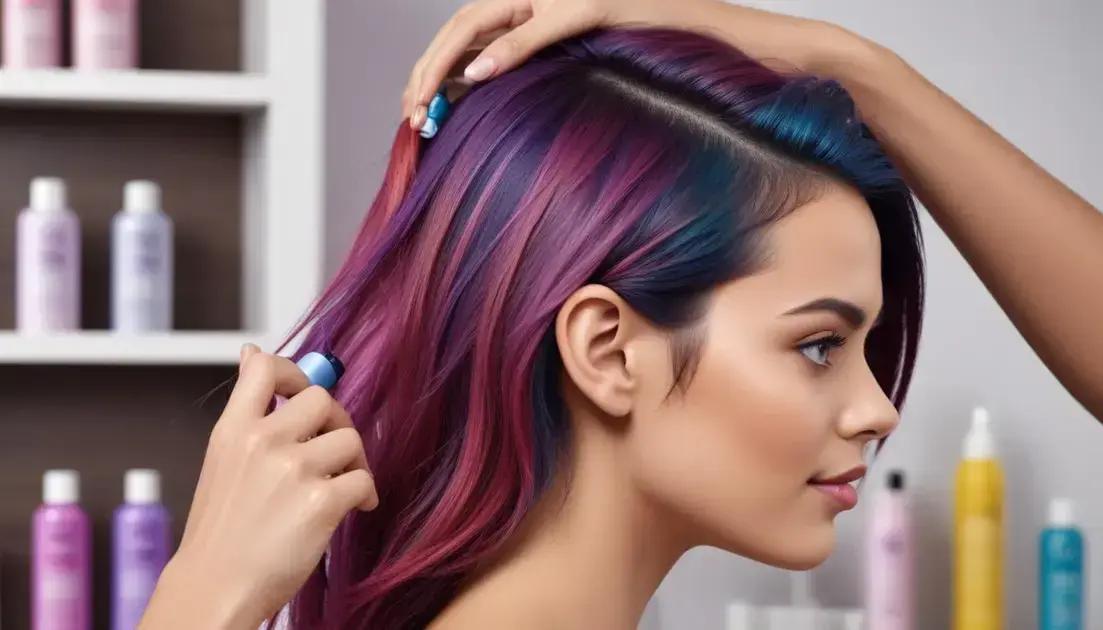
Everyone faces common hair problems at some point. Understanding these issues and their solutions can help you maintain healthier hair. Let’s explore some of the most frequent problems and what you can do about them.
Dryness
Hair can become dry due to environmental factors, excessive washing, or heat styling. To combat dryness, use a moisturizing shampoo and conditioner. Deep conditioning treatments once a week can also restore hydration. Additionally, consider reducing heat styling and avoiding products with harsh chemicals.
Split Ends
Split ends occur when the hair shaft becomes damaged and frayed. The best way to handle split ends is to get regular trims every 6 to 8 weeks. In the meantime, using a leave-in conditioner can help protect your hair from further damage and keep it looking smooth.
Hair Loss
Experiencing hair loss can be distressing. Factors such as stress, hormonal changes, and poor diet contribute to this issue. Try to manage stress through relaxation techniques and maintain a balanced diet rich in vitamins. If hair loss persists, consult with a healthcare provider for guidance.
Oily Scalp
An oily scalp can lead to greasy-looking hair. This condition often results from overactive oil glands. To manage this, use a clarifying shampoo regularly to remove excess oil. Avoid touching your hair too much, as this can transfer oils from your hands to your hair.
Dandruff
Dandruff is marked by flakes and an itchy scalp. It can be caused by dry skin or a sensitivity to hair products. To treat dandruff, consider using a medicated shampoo with ingredients like zinc pyrithione or salicylic acid. Consistent use can help alleviate symptoms.
Frizz
Frizz occurs when hair lacks moisture and becomes unruly. To reduce frizz, use products specifically designed for smoothing, and consider a hair serum or oil to add shine and control. Regularly conditioning your hair will also help maintain moisture levels.
The role of nutrition in hair health
The role of nutrition in hair health is often underestimated, yet it plays a crucial part in ensuring your hair stays strong and vibrant. What you eat directly impacts the condition of your hair.
Essential Nutrients
Certain vitamins and minerals are vital for hair growth. For instance, biotin is known to strengthen hair and prevent hair loss. Foods like eggs, nuts, and avocados are excellent sources of biotin. Incorporating these into your diet can help improve hair strength.
Omega-3 Fatty Acids
Omega-3 fatty acids are important for maintaining a healthy scalp. These can be found in fish such as salmon and sardines, as well as in flaxseeds and walnuts. Regularly consuming these foods can help reduce inflammation and keep your scalp hydrated.
Iron and Zinc
Iron and zinc are crucial for healthy hair too. A deficiency in iron can lead to hair loss, so it’s important to include sources of iron like spinach, beans, and lean meats. Zinc, found in pumpkin seeds and oysters, can help repair damaged hair and maintain its growth.
Hydration
Don’t forget about hydration. Drinking plenty of water ensures that your body and hair stay hydrated. It helps in transporting nutrients to your hair follicles, promoting healthier hair. Aim for at least 8 glasses of water daily to support both your overall health and hair health.
Avoiding Processed Foods
Lastly, consider limiting processed foods high in sugar and unhealthy fats. These can negatively affect your skin and hair health. Eating a balanced diet full of whole foods and fresh produce will have a positive impact on your hair texture and vitality.
Essential vitamins for healthy hair

Essential vitamins play a significant role in maintaining healthy hair. When your body receives the right nutrients, your hair can grow strong and vibrant. Here are some of the most important vitamins and how they contribute to hair health.
Vitamin A
Vitamin A is crucial for cell growth, which includes hair cells. It also helps produce sebum, an oil that keeps your scalp moisturized. Foods rich in vitamin A include carrots, sweet potatoes, and spinach. Including these in your diet can promote healthy hair growth.
Vitamin C
This vitamin is vital for the production of collagen, a protein that strengthens hair. Vitamin C is a powerful antioxidant that protects hair against damage from free radicals. Citrus fruits, strawberries, and bell peppers are excellent sources of vitamin C.
Vitamin D
Vitamin D plays a role in the creation of new hair follicles. Low levels of vitamin D are linked to hair loss. Sunlight is a great natural source, but you can also find it in fatty fish, mushrooms, and fortified foods.
Vitamin E
This vitamin helps improve blood circulation to the scalp, promoting healthy hair growth. Vitamin E is an antioxidant that protects hair from oxidative stress. Nuts, seeds, and green leafy vegetables are rich in vitamin E.
B-complex Vitamins
The B vitamins, especially biotin, are essential for hair health. Biotin supports the production of keratin, which is vital for hair strength. Other B vitamins, like B6 and B12, help create red blood cells that carry oxygen and nutrients to hair follicles. You can find B vitamins in whole grains, eggs, and meat.
Hydration Matters
While vitamins are important, staying hydrated is also key for hair health. Water helps transport nutrients to your hair, promoting its overall health and appearance. Aim to drink plenty of water throughout the day to support all your body’s functions.
How stress affects your hair
Stress can have a significant impact on your hair, often leading to various hair problems. When you are stressed, your body undergoes several changes that can affect your hair health. Understanding these effects is essential for managing stress and maintaining healthy hair.
The Stress Response
When you experience stress, your body produces hormones like cortisol. These hormones can disrupt the hair growth cycle, leading to issues such as hair thinning or even hair loss. Recognizing the connection between stress and hair health is the first step in addressing potential problems.
Hair Loss Types
There are two common types of hair loss associated with stress: telogen effluvium and alopecia areata. Telogen effluvium occurs when a large number of hair follicles enter the resting phase simultaneously, resulting in noticeable hair shedding. Alopecia areata is an autoimmune condition that may be triggered by stress, causing hair to fall out in patches.
Impact on Scalp Health
Stress can also affect your scalp health. High stress levels may lead to an increase in oil production, creating a greasy scalp. This can cause issues such as dandruff or even scalp acne. Keeping your scalp healthy is crucial for promoting strong, healthy hair growth.
Managing Stress for Better Hair
To minimize the impact of stress on your hair, consider incorporating stress management techniques into your routine. Activities such as yoga, meditation, and regular exercise can help reduce stress levels. Additionally, ensuring you get enough sleep and eat a balanced diet can support your body in coping with stress effectively.
When to Seek Help
If you notice significant hair loss or other severe changes in your hair due to stress, it may be a good idea to consult a healthcare professional. They can help you identify the underlying causes of your stress and provide guidance on how to address it.
Tips for wash and care routines
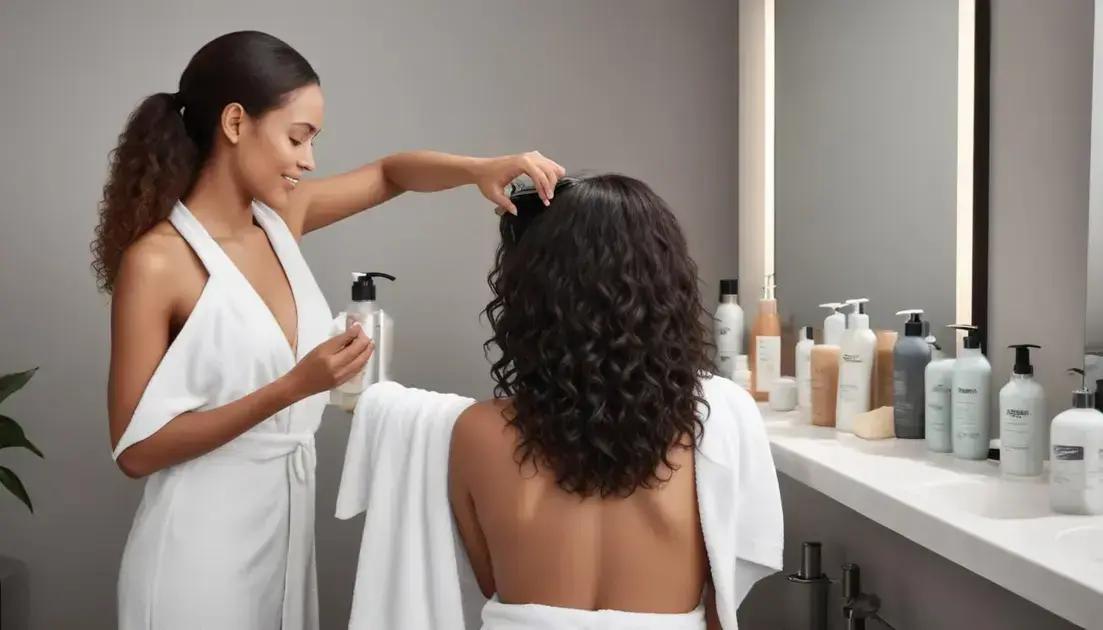
Having a proper wash and care routine is essential for maintaining healthy hair. By following a few simple tips, you can keep your hair looking great and reduce damage.
Choosing the Right Products
Start by picking the right shampoo and conditioner for your hair type. If you have dry hair, look for moisturizing formulas. Those with oily hair should opt for clarifying shampoos. Always read labels to find products that suit your specific needs.
Washing Frequency
How often you wash your hair depends on your hair type and lifestyle. Generally, washing 2-3 times a week is sufficient for most people. If your hair is oily or you exercise regularly, you might need to wash it more frequently. Pay attention to how your hair feels to determine the best routine for you.
Water Temperature
When washing your hair, use lukewarm water instead of hot water. Hot water can strip your hair of its natural oils, leading to dryness. Rinse your hair with cool water at the end to help seal the cuticle and add shine.
Shampoo Application
Apply shampoo directly to your scalp, where oil and product buildup occurs. Massage it gently with your fingertips, avoiding harsh scrubbing. For conditioner, focus on the mid-lengths and ends of your hair to avoid weighing down your roots.
Deep Conditioning Treatments
Incorporating a deep conditioning treatment once a week can significantly enhance your hair’s health. Look for masks or treatments that contain nourishing ingredients such as shea butter or argan oil. Apply it after shampooing, leave it on for the recommended time, and rinse thoroughly.
Drying Your Hair
After washing, gently pat your hair dry with a microfiber towel instead of rubbing it harshly. This helps prevent breakage. Air drying is the best option, but if you need to use a blow dryer, use a low heat setting and keep it at least six inches away from your hair.
Choosing the right shampoo and conditioner
Choosing the right shampoo and conditioner is crucial for maintaining healthy hair. With so many options available, it can be overwhelming. Here are some tips to help you make the best choice for your hair type.
Understand Your Hair Type
Your first step is to identify your hair type. Is it dry, oily, or normal? Knowing this will guide you in selecting the right products. For example, if you have dry hair, look for moisturizing shampoos and conditioners. For oily hair, products that cleanse thoroughly are ideal.
Ingredients to Look For
Check the ingredients in your shampoo and conditioner. Ingredients like sulfates are effective cleansers but can be harsh on hair. If you want a gentler option, consider sulfate-free products. For conditioning, look for ingredients like argan oil, shea butter, or aloe vera that nourish and hydrate your hair.
Avoid Harmful Chemicals
Some shampoos and conditioners contain harmful chemicals that can damage your hair over time. Try to avoid products with parabens and artificial fragrances. Opt for natural and organic options when possible, as they are often gentler and more nourishing.
Consider Your Scalp Health
Your scalp health is just as important as your hair. If you have a dry or flaky scalp, look for shampoos with tea tree oil or salicylic acid to help soothe irritation and remove buildup. A healthy scalp promotes healthy hair growth.
Trial and Error
Sometimes, finding the right shampoo and conditioner requires a bit of experimentation. Don’t be afraid to try different products until you find what works best for your hair. And remember, your hair’s needs can change over time due to factors like climate and health, so be open to adjustments.
Importance of regular trims
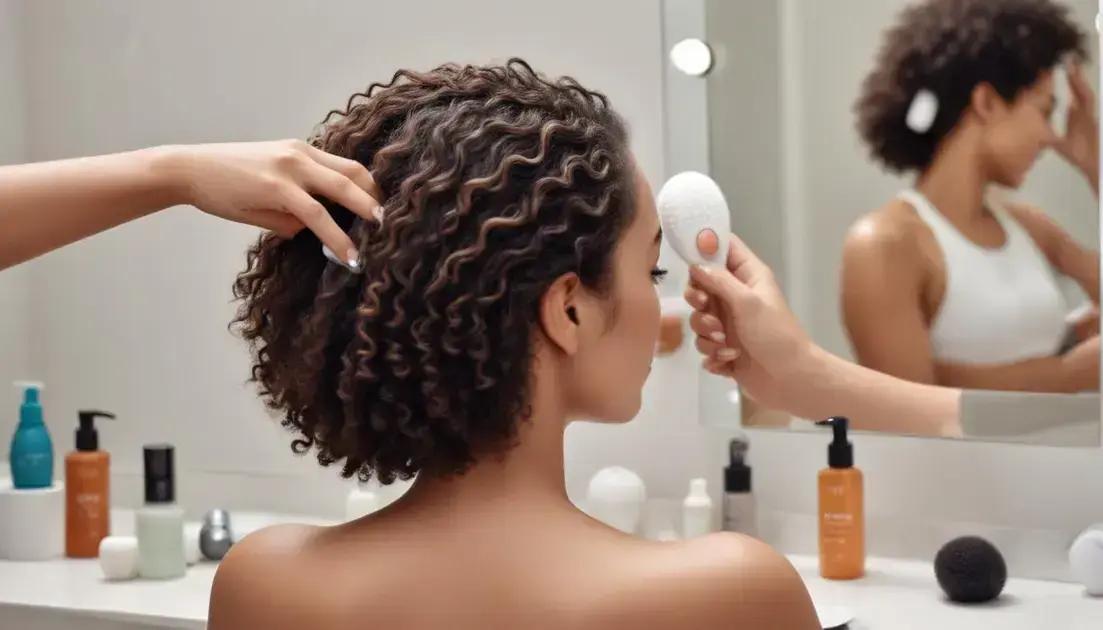
Regular trims are a vital part of maintaining healthy hair. Many people wonder how often they should visit the salon, but understanding the benefits of trims can help you make the right decision for your hair care routine.
Preventing Split Ends
One of the primary reasons for regular trims is to prevent split ends. When you let your hair grow without trimming, split ends can travel up the hair shaft, leading to further damage. By getting a trim every 6 to 8 weeks, you can keep your ends healthy and reduce breakage.
Maintaining Shape and Style
Regular trims help maintain the shape and style of your haircut. Whether you have a blunt cut or layers, trims keep your hairstyle looking fresh and well-defined. This is especially important for those who want to maintain a specific look.
Promoting Healthy Growth
Getting rid of damaged hair can promote healthy hair growth. When you remove split ends, your hair can grow more efficiently. Regular trims can contribute to healthier hair that is less prone to damage over time.
Reducing Styling Time
Healthy hair is often easier to manage and style. By getting regular trims, you can reduce styling time, as there’s less damage to contend with. This means you can spend less time fighting frizz and tangles.
Overall Hair Health
Ultimately, regular trims are essential for overall hair health. They help to keep your hair looking vibrant and shiny. Consistent care, including trims, can lead to noticeable improvements in the look and feel of your hair.
Protecting your hair from heat damage
Protecting your hair from heat damage is essential for maintaining its health and strength. Heat styling tools like flat irons, curling wands, and blow dryers can cause significant damage if used improperly. Here are some tips to help you safeguard your hair.
Use Heat Protectant Products
Always apply a heat protectant spray or serum before using any heat styling tools. These products create a barrier between your hair and the heat, reducing moisture loss and damage. Look for heat protectants with ingredients like silicones or natural oils for the best protection.
Lower the Heat Setting
Consider using a lower heat setting on your styling tools. Many people use the highest setting for quicker results, but this can lead to severe damage. Aim for a temperature around 300-350°F (150-175°C) for most hair types, and lower it even more for fine or damaged hair.
Limit Styling Frequency
Try to limit the use of heat styling tools to a few times a week. On the other days, embrace your natural hair texture or use heat-free styling methods. This gives your hair time to recover and reduces the risk of long-term damage.
Choose the Right Tools
Invest in high-quality styling tools that have ceramic, tourmaline, or ion technology. These materials distribute heat evenly, reducing the chance of hot spots that can burn your hair. Additionally, they often provide better results in less time, which means less exposure to heat.
Proper Hair Care Routine
Maintain a proper hair care routine by including regular deep conditioning treatments. This helps restore moisture to your hair after heat exposure. Look for deep conditioners rich in nourishing ingredients like keratin, argan oil, or sheabut to help repair damaged hair.
Stay Hydrated and Healthy
Lastly, keep your hair hydrated by drinking plenty of water and eating a balanced diet rich in vitamins and minerals. Healthy hair is better equipped to withstand heat damage. Foods like fish, nuts, and leafy greens can enhance your hair’s resilience.
Natural remedies for hair health
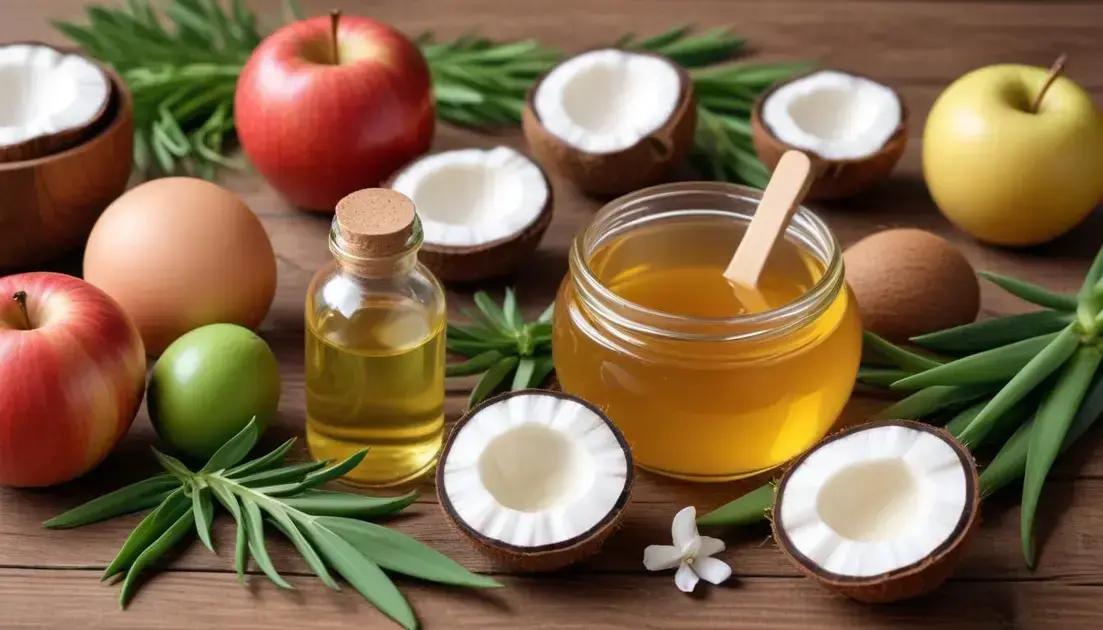
Natural remedies can be a great way to enhance your hair health without the use of harsh chemicals. These remedies often utilize common ingredients that nourish and strengthen your hair. Here are some effective natural treatments to consider.
Coconut Oil
Coconut oil is known for its moisturizing properties. It penetrates the hair shaft, providing deep hydration. To use it, warm a small amount of coconut oil and massage it into your scalp and hair. Leave it on for at least 30 minutes before washing it out with shampoo.
Aloe Vera
Aloe vera is a natural conditioner that can help soothe the scalp and reduce dandruff. Apply fresh aloe vera gel directly to your scalp and hair. Let it sit for about 30 minutes before rinsing. This treatment can leave your hair feeling soft and manageable.
Egg Mask
Eggs are rich in protein, making them an excellent natural remedy for strengthening hair. To create an egg mask, whisk one or two eggs and apply them to damp hair. Leave it on for 20 minutes, then rinse with cool water to avoid cooking the egg.
Honey
Honey is a natural humectant, which means it attracts moisture. Mixing honey with your conditioner or using it as a hair mask can help keep your hair hydrated. To use honey, mix it with a little olive oil and apply it to your hair. Allow it to sit for 20-30 minutes before rinsing.
Apple Cider Vinegar
Apple cider vinegar can help balance the pH of your scalp and remove product buildup. Mix one part apple cider vinegar with two parts water and use it as a rinse after shampooing. This will help add shine and softness to your hair.
Regular Scalp Massages
Massaging your scalp regularly can stimulate blood flow, promoting hair growth. Use your fingertips to gently massage your scalp in circular motions for 5-10 minutes each day. You can also incorporate natural oils, like jojoba or rosemary oil, for added benefits.
How much water do you need for your hair?
Water is essential not only for your overall health but also for the health of your hair. Staying hydrated can significantly improve the condition of your hair. But how much water do you really need?
General Hydration Guidelines
The common recommendation is to drink about 8 glasses of water a day, which is roughly 2 liters. However, individual needs can vary based on factors such as age, activity level, and climate. If you are active or live in a hot environment, you may need more water to stay properly hydrated.
Signs of Dehydration
Understanding the signs of dehydration can help you gauge if you are drinking enough water. Common signs include dry skin, fatigue, and dry, brittle hair. If you notice your hair looks dull or feels crunchy, it may be time to increase your water intake.
Water and Hair Health
When your body is properly hydrated, it improves blood circulation, which delivers essential nutrients to your hair follicles. This can lead to stronger, shinier hair. Remember, hydrated hair is less prone to breakage and frizz.
Additional Tips for Hydration
Besides drinking water, you can also increase hydration through your diet. Foods with high water content, such as cucumbers, watermelon, and oranges, can help maintain your hydration levels. Additionally, consider using a humidifier in dry conditions to help retain moisture in your hair.
Daily Water Consumption
Each person’s ideal water intake can be calculated based on their body weight. A general guideline is to drink half your body weight in ounces of water each day. For example, if you weigh 150 pounds, aim for about 75 ounces of water daily. Adjust this according to your activity level and environment.
Hair care myths debunked

There are many myths about hair care that can lead to confusion and poor practices. Let’s debunk some of the most common hair care myths to help you understand how to take better care of your hair.
Myth 1: Cutting your hair makes it grow faster
Many believe that regular haircuts promote faster growth. However, while trimming split ends can improve the overall appearance of your hair, it does not directly affect the growth rate. Hair grows from the scalp, so keeping your ends healthy helps maintain length but does not speed up growth.
Myth 2: You should wash your hair every day
Another common myth is that daily washing is necessary for clean hair. In reality, washing hair too often can strip it of its natural oils, leading to dryness. Depending on your hair type, washing every 2-3 days is often sufficient to keep your hair healthy.
Myth 3: Hair products cause hair loss
While some harsh products can damage hair, most shampoos and conditioners do not cause hair loss. In fact, using the right products can enhance hair health. It’s important to choose products that suit your hair type and avoid those with detrimental ingredients.
Myth 4: Conditioner makes hair greasy
Some people skip conditioner because they think it will make their hair greasy. However, using a good conditioner can actually help moisturize and detangle your hair. The key is to apply it only to the mid-lengths and ends, avoiding the roots to prevent greasiness.
Myth 5: Natural oils can heal damaged hair
While natural oils like coconut or olive oil can help condition hair, they cannot truly repair damaged hair. They may improve the appearance and add moisture temporarily, but the actual structure of the hair must be treated with proper hair care practices and products that promote healing.
Myth 6: Hair always grows back thicker after shaving
Shaving does not affect hair thickness. The thickness of hair is determined by genetics, not by shaving. Shaving may appear to make hair feel coarser as it grows back, but it does not change the actual texture.
Different hair types and their needs
Understanding your hair type is essential for giving it the best care possible. Different hair types have distinct characteristics and needs, which can affect the products and treatments you choose. Here is a breakdown of various hair types and their specific requirements.
1. Straight Hair
Straight hair tends to be shiny and smooth. It is generally less prone to frizz but can get oily quickly. To care for straight hair, use a lightweight shampoo and conditioner. Look for products that help maintain shine without weighing it down.
2. Wavy Hair
Wavy hair has a natural bounce and texture that can vary from loose, beachy waves to more defined curls. This hair type can be prone to frizz, especially in humid conditions. Use a curl-enhancing shampoo and avoid heavy products that can weigh down the waves. Consider a leave-in conditioner to help define the waves.
3. Curly Hair
Curly hair is often dry and requires extra moisture to stay healthy. Look for hydrating shampoos and conditioners designed for curly hair. Deep conditioning treatments are beneficial to maintain moisture, and avoid brushing your curls to reduce frizz. Use a wide-tooth comb or your fingers to detangle.
4. Coily/Kinky Hair
Coily or kinky hair is tightly curled and can be very delicate. This hair type is prone to dryness and breakage. It is essential to use moisturizing products that include oils or butters. Regular deep conditioning is crucial, and protective hairstyles can help retain length and protect the hair.
5. Fine Hair
Fine hair is thin and can appear limp. It’s important to use volumizing shampoos and conditioners that do not weigh the hair down. Avoid heavy styling products, as they can flatten fine hair. Regular trims can help keep it looking full and healthy.
6. Thick Hair
Thick hair can be coarse and may require more hydration. Look for rich conditioners that provide moisture without weighing hair down. Thick hair can also benefit from regular trims to help prevent split ends and manage bulk.
The benefits of scalp massages

Scalp massages are a simple yet effective way to enhance hair health and overall well-being. Here are several benefits that come from regular scalp massages.
1. Improved Blood Circulation
One of the primary benefits of scalp massages is increased blood circulation to the hair follicles. This enhanced circulation helps deliver essential nutrients and oxygen to the hair roots, promoting healthier hair growth.
2. Reduced Stress and Tension
Scalp massages can help relieve stress and tension in the head and neck. The soothing motion of a massage releases endorphins, which can improve your mood and decrease feelings of anxiety. A relaxed mind often translates to better hair health.
3. Stimulated Hair Growth
Regular massages can stimulate hair growth by encouraging the hair follicles to become more active. This stimulation can lead to thicker and fuller hair over time. Some people find that incorporating essential oils during the massage can provide enhanced benefits.
4. Dandruff Reduction
Scalp massages can also help reduce dandruff by promoting a healthy scalp environment. The increased circulation helps distribute natural oils and can alleviate flakiness. For added effectiveness, you might consider using a gentle exfoliating scrub during the massage.
5. Enhanced Product Absorption
If you apply treatments or oils to your scalp, a massage can increase their effectiveness. The massage helps the product penetrate deeper into the hair follicles and scalp skin, maximizing the benefits of your hair care products.
6. Improved Overall Scalp Health
Regular scalp massages can lead to a healthier scalp by helping to remove buildup from hair products and oils. This keeps the scalp clean and creates a better environment for hair to thrive.
When to see a hair specialist
Knowing when to see a hair specialist is crucial for maintaining healthy hair and addressing any issues that may arise. Here are some signs that indicate it may be time to seek professional help.
1. Persistent Hair Loss
If you notice that you are losing more hair than usual or experiencing thinning that does not improve, it’s important to consult a hair specialist. They can help evaluate the underlying causes and recommend effective treatments.
2. Scalp Irritation or Pain
Any persistent irritation, itching, or pain on the scalp should not be ignored. A hair specialist can diagnose conditions like seborrheic dermatitis or psoriasis and suggest appropriate treatments to relieve your symptoms.
3. Unusual Hair Texture Changes
If your hair suddenly becomes brittle, coarse, or changes texture, it may be a sign of damage or underlying health issues. A specialist can help assess the situation and propose solutions to restore your hair’s health.
4. Severe Dandruff
While some flakes are normal, if you experience severe dandruff that does not respond to over-the-counter shampoos, it may be time to see a specialist. They can offer stronger treatments and identify any underlying scalp conditions.
5. Uncontrolled Frizz or Breakage
If your hair is excessively frizzy or breaks easily, it can indicate damage or improper care. A specialist can analyze your hair care routine and recommend products or treatments tailored to your hair type.
6. Changes in Hair Growth Patterns
Noticeable changes in your hair growth patterns, such as a receding hairline, should be taken seriously. A consultation with a specialist can provide insights into possible causes and potential treatments.
7. Health Issues or Medications
If you are dealing with health issues or medications that may affect your hair, it’s wise to consult a specialist. They can help you determine if your hair problems are related to these factors and suggest appropriate solutions.
In Conclusion: Caring for Your Hair
Maintaining healthy hair involves understanding your unique hair type and its specific needs. From choosing the right products to regular trims and scalp massages, taking these steps can make a significant difference.
Don’t forget to stay hydrated and nourish your body, as your hair reflects your overall health. If you encounter persistent problems or concerns, consulting a hair specialist can provide valuable insights and solutions.
Remember, healthy hair is achievable with the right knowledge and care. Embrace the journey to your best hair yet!
FAQ – Frequently Asked Questions about Hair Care
How often should I wash my hair?
It depends on your hair type. Generally, washing 2-3 times a week is sufficient for most people to avoid stripping natural oils.
What are the benefits of regular trims?
Regular trims help prevent split ends, maintain shape, and promote healthier hair growth.
What is the best way to hydrate my hair?
Drinking plenty of water and using moisturizing hair products can help keep your hair hydrated.
When should I see a hair specialist?
Consult a specialist if you experience persistent hair loss, scalp irritation, or changes in hair texture.
Can natural remedies really improve hair health?
Yes, natural remedies like coconut oil and aloe vera can provide moisture and nourishment to your hair.
How do I know my hair type?
You can determine your hair type by observing its texture, curl pattern, and how it reacts to products and styling.