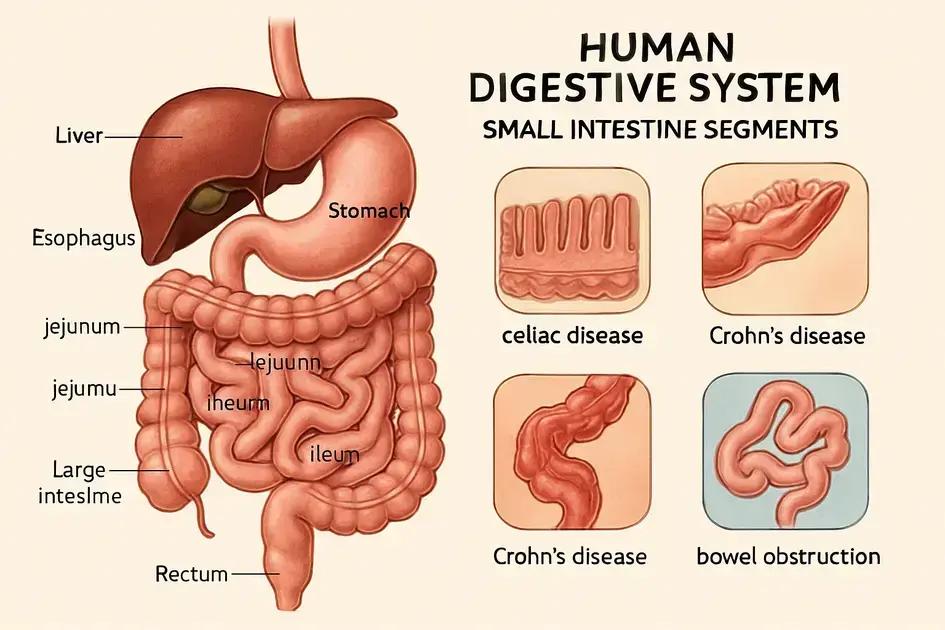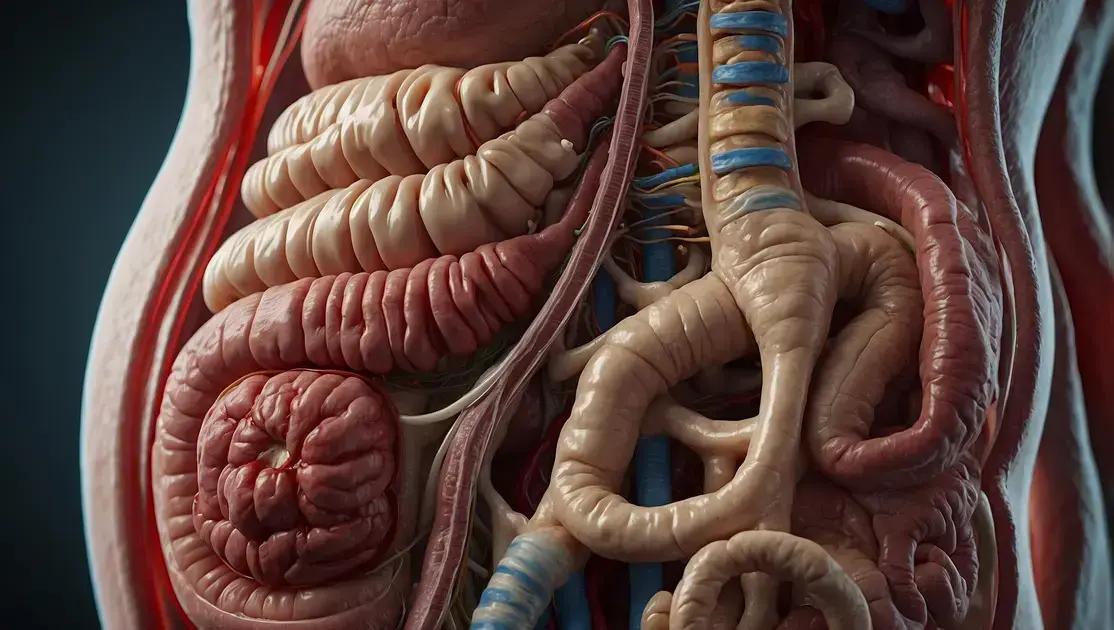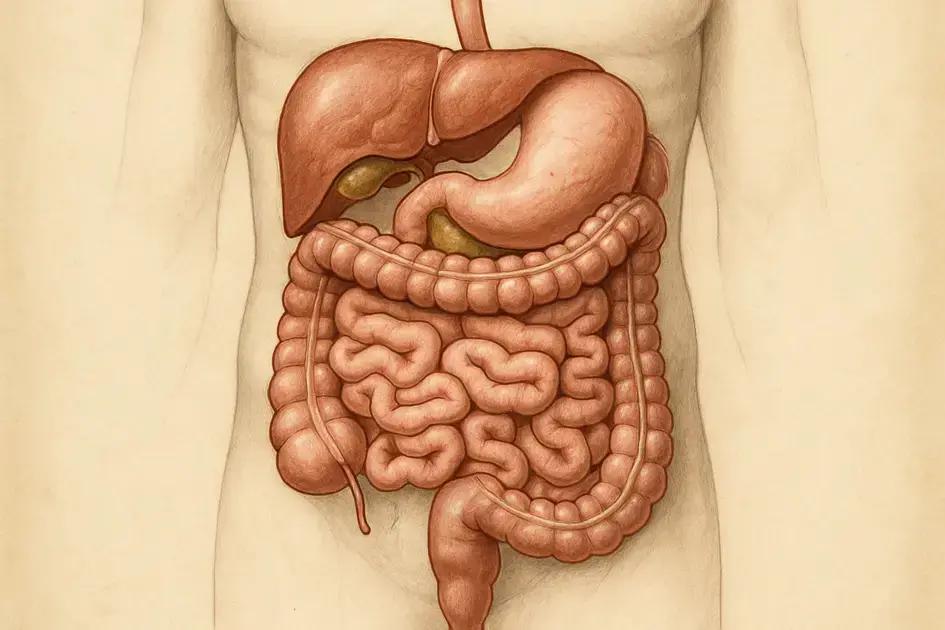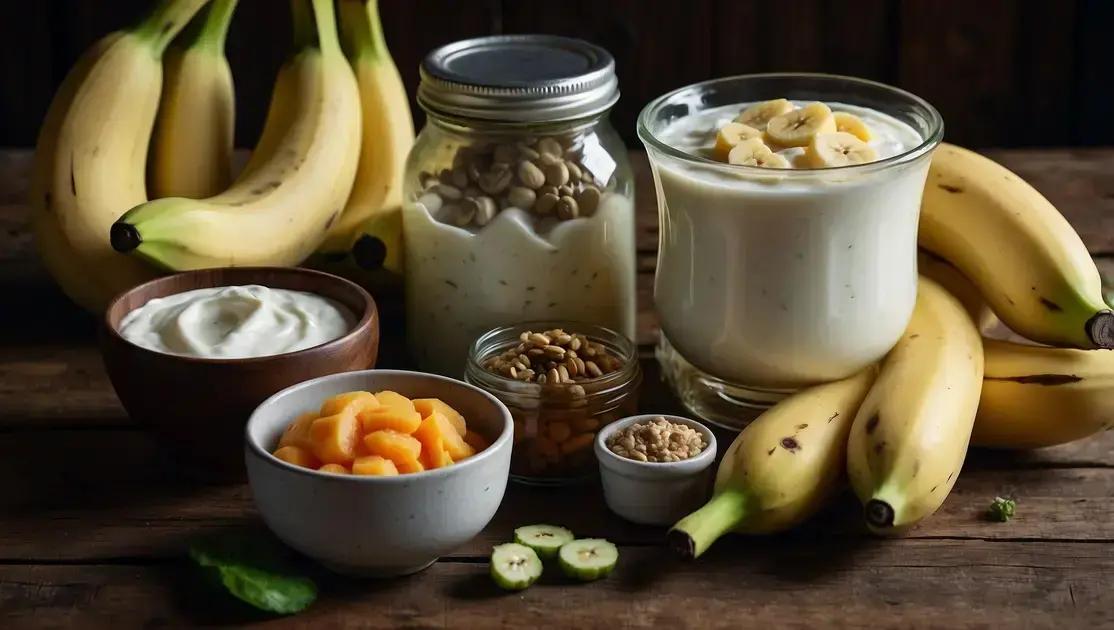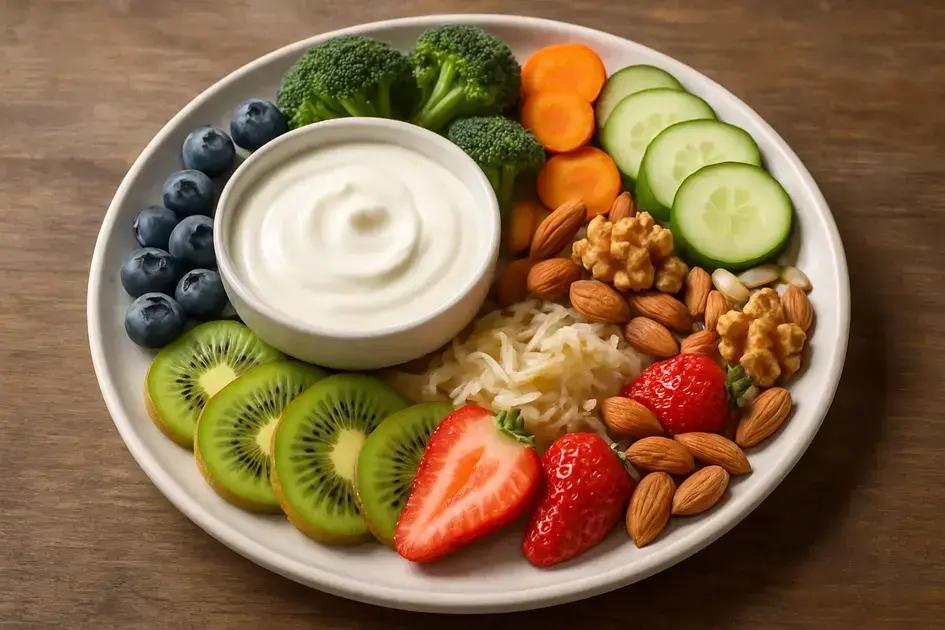
The best foods for gut health include fiber-rich fruits and vegetables, whole grains, fermented foods like yogurt and kimchi, and hydration, all of which support a diverse microbiome and enhance digestion.

What are the best foods to eat for gut health? You might be surprised to discover how much your diet influences your gut’s wellbeing. By weaving the right foods into your meals, you can significantly boost your digestive system’s efficiency. Curious about which foods can work wonders for your gut? Let’s dive in!
Understanding gut health and its importance
Understanding gut health is crucial for overall wellbeing. Your gut is home to trillions of microorganisms that play a key role in digestion and the immune system. When these microorganisms are balanced, your body can function better, absorbing nutrients efficiently.
Gut health can affect many aspects of your life, including mood and energy levels. For instance, gut bacteria can influence how your body responds to stress. When the gut is happy, your entire body feels good.
Maintaining a healthy gut involves consuming a variety of foods, especially those rich in fiber and probiotics. Foods like yogurt, leafy greens, and whole grains are great for nourishing gut bacteria.
It’s also important to avoid excessive sugar and processed foods, which can upset the balance of your gut microbiome. Stress management, regular exercise, and staying hydrated are also key factors in promoting gut health.
Top 10 foods that promote gut health

Choosing the right foods can greatly influence your gut health. Here are the top 10 foods that can enhance your digestive system:
- Yogurt: A great source of probiotics, yogurt helps replenish good bacteria in your gut. Look for natural varieties without added sugars.
- Kefir: Similar to yogurt, kefir is a fermented drink packed with probiotics. It’s great for digestion and can be added to smoothies.
- Leafy Greens: Spinach, kale, and other greens are high in fiber and important for gut health. They help feed healthy gut bacteria.
- Garlic: Garlic is not only delicious but also serves as a prebiotic, promoting the growth of beneficial bacteria.
- Onions: Like garlic, onions are rich in prebiotics. They can support gut flora and improve digestion.
- Bananas: Bananas are an excellent source of fiber and potassium. They help maintain a healthy gut lining.
- Whole Grains: Foods like oats, quinoa, and brown rice are high in fiber, beneficial for gut bacteria.
- Berries: Blueberries, raspberries, and strawberries are rich in antioxidants and fiber, essential for gut health.
- Fermented Foods: Foods like sauerkraut, kimchi, and kombucha contain live bacteria that are beneficial for your gut.
- Nuts and Seeds: Almonds, chia seeds, and flaxseeds are great sources of fiber and healthy fats, supporting gut health.
Incorporating these foods into your diet can help promote a balanced and healthy gut microbiome, leading to better digestion and overall health.
How probiotics are beneficial for the gut
Probiotics are live microorganisms that provide numerous health benefits when consumed in adequate amounts. They are often found in fermented foods and supplements. These beneficial bacteria play a crucial role in maintaining a healthy gut microbiome.
One of the main benefits of probiotics is their ability to balance gut flora. A diverse range of bacteria in the gut is essential for digestion and overall health. Probiotics help restore this balance, especially after disruptions caused by antibiotics, illness, or poor diet.
Probiotics also contribute to improved digestion. They help break down food, making nutrients more accessible to the body. This can reduce symptoms of digestive disorders like bloating and gas.
Additionally, probiotics support immune health. They can enhance the immune response, decreasing the chances of infections and promoting overall wellness. Studies show that regular consumption of probiotics can lead to fewer colds and other illnesses.

Moreover, some probiotics may even improve mental health. Research suggests a link between gut health and mood, often referred to as the gut-brain connection. By improving gut health, probiotics may help alleviate symptoms of anxiety and depression.
The role of prebiotics in gut health
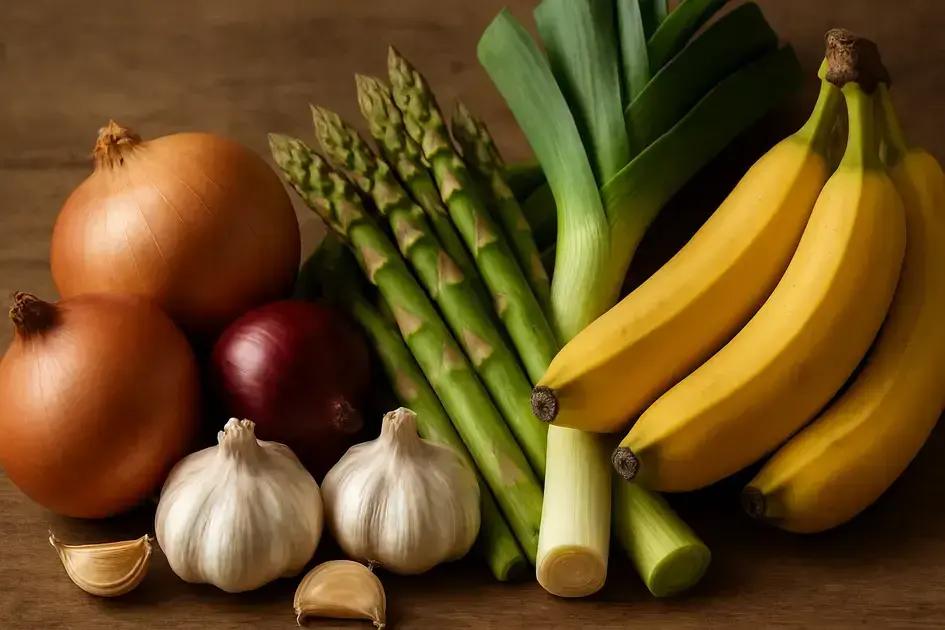
Prebiotics play a vital role in maintaining gut health by serving as food for beneficial gut bacteria. Unlike probiotics, which are live bacteria, prebiotics are non-digestible fibers that promote the growth and activity of these good bacteria in the gut.
One of the main benefits of prebiotics is their ability to enhance digestion. Foods rich in prebiotics help keep the digestive system running smoothly by nourishing the good bacteria that break down food.
Common sources of prebiotics include onions, garlic, leeks, asparagus, and bananas. Incorporating these foods into your diet can help boost your gut microbiome.
Additionally, prebiotics aid in immune function. By fostering a healthy gut environment, they help your body defend against harmful bacteria and viruses, supporting overall health.

Studies also show that prebiotics can influence mood and mental health. Since the gut is often referred to as the “second brain,” a healthy gut can positively impact mental well-being.
To enjoy the benefits of prebiotics, aim to include a variety of prebiotic-rich foods in your meals. This can help keep your gut bacteria balanced and thriving, leading to better digestion and health.
Fermented foods and their impact on digestion
Fermented foods have been a staple in many cultures for centuries and play a significant role in promoting good digestion. These foods undergo a process of fermentation, where beneficial bacteria break down sugars and starches, transforming them into beneficial compounds.
One of the primary benefits of fermented foods is their high probiotic content. Probiotics are live bacteria that support gut health by enhancing digestion and balancing gut flora. Common fermented foods like yogurt, kimchi, and kombucha offer a rich source of these good bacteria.
Consuming fermented foods can help with lactose intolerance. Fermented dairy products like yogurt contain lower lactose levels than regular dairy, making them easier to digest for many individuals.
Additionally, fermented foods can improve nutrient absorption. When foods are fermented, they break down nutrients into more digestible forms, allowing your body to absorb essential vitamins and minerals more efficiently.
Including a variety of fermented foods in your diet can also enhance overall gut health. They can help reduce symptoms of digestive issues, such as bloating and constipation. This is because the probiotics in fermented foods stimulate digestion and promote regular bowel movements.
To enjoy the benefits of fermented foods, consider incorporating them into your meals regularly. This can lead to better digestion and a healthier gut biome, contributing to overall wellbeing.
Fiber-rich foods to support gut health

Fiber-rich foods play a crucial role in maintaining gut health. They provide the necessary bulk for digestion and help to keep the digestive system running smoothly. There are two main types of fiber: soluble and insoluble, both of which offer unique benefits for gut health.
Soluble fiber is found in foods like oats, beans, fruits such as apples and oranges, and peas. This type of fiber dissolves in water and forms a gel-like substance, which helps to regulate blood sugar and cholesterol levels. It also feeds the beneficial bacteria in the gut, promoting a healthy microbiome.
On the other hand, insoluble fiber is abundant in foods like whole grains, nuts, seeds, and the skins of fruits and vegetables. This type of fiber does not dissolve in water, adding bulk to the stool and aiding in moving food through the digestive tract. It helps prevent constipation and promotes regular bowel movements.
Including a variety of fiber-rich foods in your diet can help improve digestion and reduce discomfort. Foods like quinoa, sweet potatoes, and broccoli are excellent choices. They not only support gut health but also provide essential vitamins and minerals.
To maintain good gut health, aim for a daily fiber intake of around 25 to 30 grams. This can be achieved by incorporating different fiber sources into meals and snacks. Gradually increasing fiber intake can help prevent digestive discomfort.
Hydration’s role in maintaining gut balance
Hydration plays a crucial role in maintaining gut balance and overall health. Drinking enough water is essential for the functioning of the entire digestive system. It helps food move smoothly through the intestines and aids in the absorption of nutrients.
When you are well-hydrated, your body can produce enough digestive juices. These juices are necessary for breaking down food and helping your body absorb essential vitamins and minerals. Insufficient water intake can lead to constipation, making it difficult for the body to eliminate waste efficiently.
Water also helps maintain the mucosal lining of the intestines. This lining is critical for protecting the gut and keeping harmful bacteria at bay. A healthy mucosal lining supports a balanced gut microbiome, which is essential for optimal digestion.
To keep your gut hydrated, it’s essential to drink water throughout the day. Aim for at least 8 cups (64 ounces) of water daily, or more if you are active. Foods with high water content, such as fruits like watermelon and oranges, as well as vegetables like cucumber and leafy greens, can also contribute to your overall hydration.
Incorporating adequate hydration into your daily routine can lead to better digestion, improved nutrient absorption, and a more balanced gut microbiome. Keeping your gut healthy helps maintain overall wellness.
How stress affects gut health
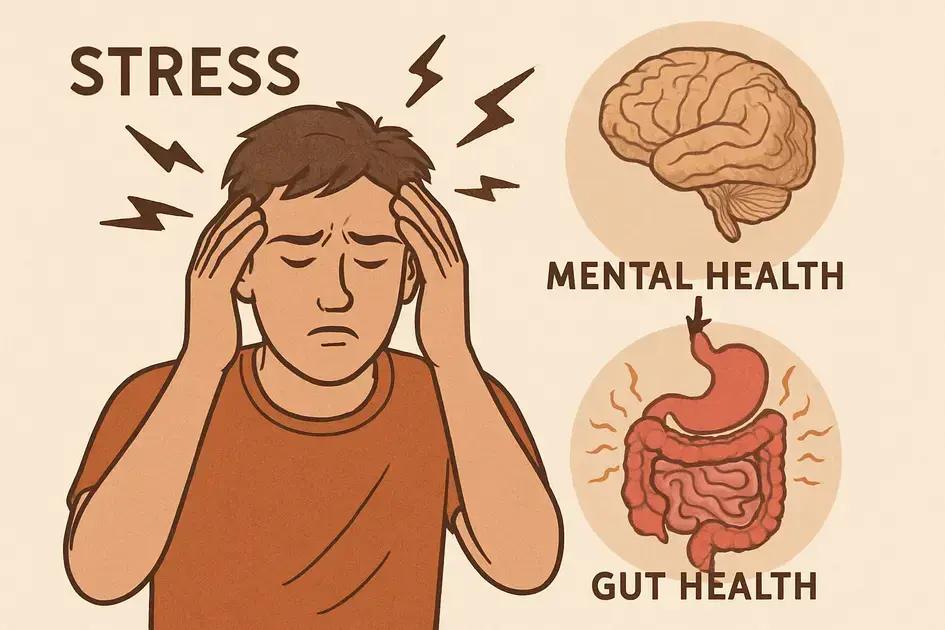

Stress can have a significant negative impact on gut health. When you experience stress, your body produces hormones like cortisol, which can disrupt the normal functioning of your digestive system. This disruption can lead to various gut-related issues.
One of the main effects of stress is increased gut permeability, often referred to as “leaky gut.” This means that the lining of the intestines becomes more porous, allowing toxins and undigested food particles to enter the bloodstream. This can result in inflammation and a host of other health problems.
Additionally, stress can alter your gut bacteria balance. A healthy gut microbiome consists of a variety of beneficial bacteria that aid in digestion and overall health. However, stress can lead to an overgrowth of harmful bacteria, contributing to digestive disorders and other health issues.
Stress is also known to affect gut motility. It can lead to symptoms such as bloating, gas, and constipation. When the body is stressed, digestion slows down, making it harder for food to move through the digestive tract.
To support gut health in times of stress, it’s important to adopt stress-reducing practices. Activities like yoga, meditation, and regular exercise can help manage stress levels. Additionally, maintaining a balanced diet rich in fiber, probiotics, and hydration can further support overall gut health.
Signs of an unhealthy gut
Recognizing the signs of an unhealthy gut is essential for maintaining overall health. The gut is often referred to as the “second brain” because it plays a key role in digestion, immunity, and even mood. Here are some common indicators that your gut health may be compromised:
- Digestive Issues: Frequent bloating, gas, diarrhea, and constipation can signal an imbalance in gut bacteria. These symptoms indicate that your digestive system isn’t functioning properly.
- Food Intolerances: Developing new food intolerances often points to a leaky gut, where undigested particles enter the bloodstream, causing immune reactions.
- Fatigue or Sleep Disturbances: Poor gut health can affect sleep quality and lead to chronic fatigue. This happens because gut bacteria influence the body’s sleep-wake cycle.
- Skin Irritations: Conditions like eczema, acne, and other skin issues can arise from inflammation caused by an unhealthy gut.
- Frequent Infections: If you find yourself getting sick often, it may indicate that your gut is not supporting a strong immune response. About 70% of the immune system is housed in the gut.
- Mood Changes: Mood swings, anxiety, and depression can be linked to gut health. The gut produces neurotransmitters like serotonin that affect mood.
It’s important to pay attention to these signs and take action if necessary. Maintaining a healthy gut through proper diet, hydration, and lifestyle changes can improve overall wellbeing.
Foods to avoid for better gut health

To maintain a healthy gut, it’s important to be mindful of what you eat. Some foods to avoid can negatively impact your gut health and disrupt the balance of beneficial bacteria. Here are some common foods that can harm your gut:
- Processed Foods: Many processed foods are high in sugars, unhealthy fats, and preservatives. These ingredients can disrupt gut microbiota and promote inflammation.
- Sugar: Excessive sugar intake can lead to an overgrowth of harmful bacteria and yeast in the gut. This imbalance can result in digestive issues and may contribute to conditions like leaky gut.
- Artificial Sweeteners: Some studies suggest that artificial sweeteners can negatively affect gut microbiota. They may promote the growth of harmful bacteria and alter metabolic processes.
- Gluten: For individuals who are sensitive to gluten, consuming gluten-containing foods can lead to digestive distress and inflammation, impacting gut health.
- Dairy Products: Many people have difficulty digesting lactose, the sugar found in milk. Consuming dairy can lead to gas, bloating, and other digestive issues in those with lactose intolerance.
- Fried and Fatty Foods: Foods high in unhealthy fats can promote inflammation and impact the balance of gut bacteria. These foods can also slow down digestion.
Being aware of these foods and limiting or avoiding them can help support a healthier gut. Instead, focus on incorporating more gut-friendly foods into your diet, such as fruits, vegetables, whole grains, and fermented foods.
The connection between gut health and mental health
Research shows a strong connection between gut health and mental health. The gut is often called the “second brain” because it contains a vast network of neurons and produces many neurotransmitters that affect mood and mental well-being.
One of the key links between the gut and the brain is the gut-brain axis. This is a communication network that transmits signals between the gastrointestinal system and the brain. For example, about 90% of serotonin, a neurotransmitter that influences mood, is produced in the gut. An imbalance in gut bacteria can lead to decreased serotonin levels, contributing to feelings of anxiety and depression.
Moreover, an unhealthy gut can increase inflammation in the body, which has been linked to various mental health disorders. Conditions like irritable bowel syndrome (IBS) and other digestive problems can worsen psychological symptoms and impact overall mental health.
Eating a balanced diet rich in fiber, probiotics, and prebiotics can help promote a healthy gut microbiome. Foods like yogurt, kefir, fruits, and vegetables provide the nutrients necessary for maintaining gut health, which in turn can positively affect mood and cognitive functions.
Practicing stress management techniques, such as meditation and exercise, can also benefit both gut and mental health. When you take care of your gut, you may notice improvements in your mood, focus, and overall wellness.
How to add gut-friendly foods into your diet

Adding gut-friendly foods to your diet is a great way to support digestive health and maintain a balanced gut microbiome. Here are some simple tips to help you incorporate these beneficial foods into your daily meals:
- Start with Breakfast: Include probiotic-rich foods like yogurt or kefir in your breakfast. You can make a smoothie with yogurt, fruits, and greens, or enjoy a bowl of yogurt topped with nuts and seeds.
- Snack Wisely: Choose snacks that support gut health. Consider options like fermented pickles, hummus with veggies, or a handful of nuts instead of processed snacks.
- Include More Fiber: Add fiber-rich foods such as fruits, vegetables, and whole grains to your meals. For example, switch from white rice to brown rice or quinoa, and increase your intake of beans and lentils.
- Experiment with Fermented Foods: Try incorporating fermented foods like kimchi, sauerkraut, and kombucha into your meals. Add them as toppings, side dishes, or drinks for added flavor and health benefits.
- Plan Your Meals: Prepare weekly meal plans that include gut-friendly foods. This helps ensure that you have healthy options available and makes it easier to stick to your goals.
- Stay Hydrated: Don’t forget to drink plenty of water throughout the day. Staying hydrated is essential for digestion and helps the body absorb the nutrients from gut-friendly foods.
Incorporating these tips can make it easier to add gut-friendly foods into your diet and promote better digestive health. With a little planning and creativity, you can enjoy a variety of delicious and nutritious options.
Meal planning for optimum gut health
Meal planning plays an important role in achieving optimum gut health. By carefully selecting and preparing meals, you can incorporate a variety of gut-friendly foods that support digestion and overall wellbeing. Here are some helpful tips for effective meal planning:
- Focus on Variety: Include a mix of fruits, vegetables, whole grains, and proteins in your meal plan. This diversity helps ensure you get a wide range of nutrients that support a healthy gut.
- Prioritize Fiber: Aim to include fiber-rich foods in each meal, such as beans, lentils, whole grains, and fresh fruits and vegetables. Fiber helps promote regular bowel movements and feed beneficial gut bacteria.
- Include Fermented Foods: Add fermented options like yogurt, kimchi, sauerkraut, and kombucha to your meals. These foods are packed with probiotics, which can improve gut health.
- Plan for Snacks: Prepare healthy snacks that support gut health, such as nuts, smoothies with vegetables, or whole-grain crackers with hummus. Having snacks ready can help you avoid unhealthy choices.
- Prep in Advance: Spend time each week preparing meals ahead of time. Cooking in batches can save you time and ensure you always have gut-friendly meals available.
- Stay Hydrated: Remember to plan your hydration alongside meals. Drinking enough water is essential for digestion, so include it in your daily routine.
By utilizing these meal planning strategies, you can create a balanced and nutritious diet that fosters a healthy gut microbiome. Sticking to a plan can make it easier to make healthier choices and maintain gut health.
The importance of variety in gut health foods

Including a variety of foods in your diet is essential for maintaining optimal gut health. Different foods provide different nutrients and promote a diverse gut microbiome. Here are some reasons why variety is key:
- Diverse Nutrients: Different foods contain various vitamins, minerals, and antioxidants that support overall health. By consuming a range of foods, you ensure your body gets the nutrients it needs to function properly.
- Balanced Gut Flora: A diverse diet helps promote a balanced microbiome. Different gut bacteria thrive on different types of food. For instance, fiber-rich foods feed beneficial bacteria, while fermented foods introduce new strains.
- Improved Digestion: Eating a variety of foods can enhance digestive function by stimulating different parts of the digestive system. Foods high in fiber, probiotics, and healthy fats all play unique roles in digestion and gut health.
- Avoiding Food Intolerances: Eating a limited diet can sometimes lead to food intolerances or allergies. Including a wide array of foods can help reduce the risk of developing these issues.
- Enhanced Flavor and Satisfaction: Variety makes meals more enjoyable. By experimenting with different ingredients and recipes, you can discover new flavors and textures that make healthy eating exciting.
To achieve a diverse gut-friendly diet, include a mix of fruits, vegetables, whole grains, legumes, nuts, and fermented foods in your meals. This not only supports your gut health but also contributes to overall wellness.
Intermittent fasting and gut health benefits
Intermittent fasting has gained popularity as a health trend, and it may offer various benefits for gut health. This eating pattern involves cycling between periods of eating and fasting, allowing the body to reset and recover. Here are some of the key benefits of intermittent fasting for gut health:
- Improved Gut Microbiome: Research suggests that intermittent fasting can promote a healthy balance of gut bacteria. During fasting periods, the gut has a chance to heal and regenerate, which can lead to a more diverse microbiome.
- Enhanced Digestion: Giving your digestive system a break during fasting can help improve its efficiency. This time allows your body to focus on repairing and optimizing the digestive process.
- Reduced Inflammation: Intermittent fasting may help lower inflammation levels in the body. Chronic inflammation can negatively impact gut health and lead to various digestive issues.
- Weight Management: Fasting can assist with weight loss and management, reducing the risk of obesity-related gut issues. Maintaining a healthy weight can promote better digestion and overall gut function.
- Better Blood Sugar Control: Intermittent fasting can improve insulin sensitivity, leading to better blood sugar control. This can help prevent digestive problems associated with high blood sugar levels.
To effectively practice intermittent fasting, choose a method that works for you, such as the 16/8 method (fasting for 16 hours and eating during an 8-hour window). Always listen to your body and consult with a healthcare professional before making significant changes to your eating patterns.
The Importance of Gut Health in Overall Wellbeing
Maintaining good gut health is essential for overall wellbeing and can positively impact many aspects of your life. From improving digestion to enhancing mood, the health of your gut plays a crucial role. By focusing on a balanced diet rich in fiber, probiotics, and a variety of nutrient-dense foods, you can support your gut microbiome.
Incorporating practices like intermittent fasting and regular meal planning can also boost your gut health. Additionally, being mindful of the foods you avoid will help maintain a healthy digestive system.
Remember, small changes can make a significant difference. Stay informed and take proactive steps to care for your gut health, as it directly influences your physical and mental well-being.
FAQ – Frequently Asked Questions about Gut Health
What are gut-friendly foods I should include in my diet?
Gut-friendly foods include a variety of fruits, vegetables, whole grains, nuts, legumes, and fermented foods like yogurt and kimchi that promote a healthy microbiome.
How does hydration affect gut health?
Staying hydrated is essential for digestion. Water helps break down food and allows the body to absorb nutrients effectively.
Can intermittent fasting improve my gut health?
Yes, intermittent fasting can enhance gut health by promoting good bacteria balance, reducing inflammation, and giving the digestive system time to heal.
Why is variety important in a gut-friendly diet?
Variety ensures you get a diverse range of nutrients and supports the growth of different beneficial bacteria, which helps maintain gut balance.
What are some signs of an unhealthy gut?
Common signs include digestive issues like bloating or gas, food intolerances, fatigue, mood changes, and frequent infections.
How can I better manage stress for my gut health?
Practicing stress-reducing techniques like meditation, yoga, and regular exercise can significantly improve your gut health by decreasing stress-related digestive issues.