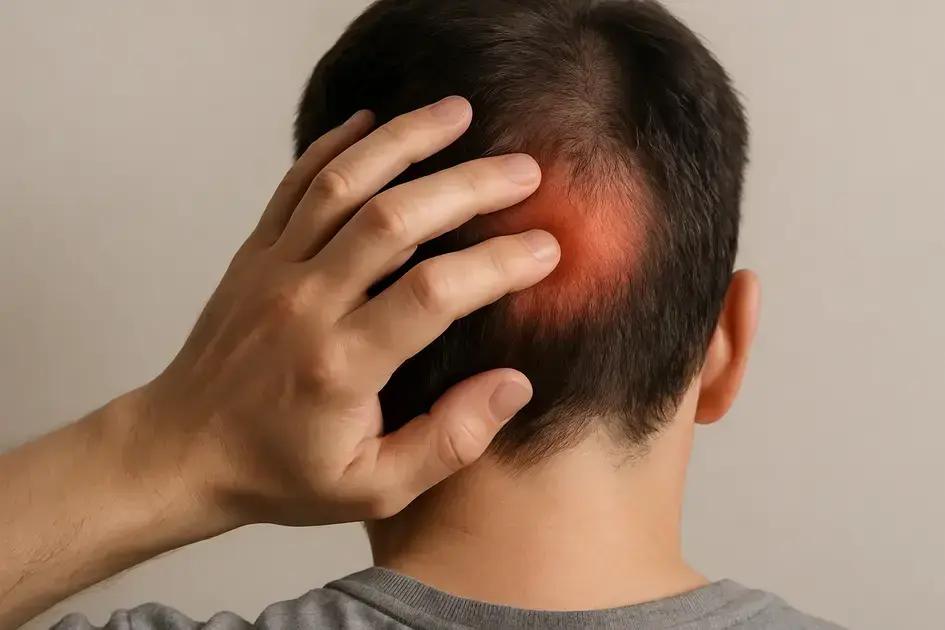
To prevent toenail fungus, maintain good foot hygiene, wear breathable footwear, keep your feet dry, and apply antifungal powders regularly, while also ensuring a balanced diet to support immune health.
What to do if toenail falls off from fungus: essential steps and tips can be daunting. This situation, while alarming, is manageable with the right knowledge and practices. Have you ever wondered how to care for your nails after such an incident? Let’s dive in.
Understanding toenail fungus: causes and symptoms
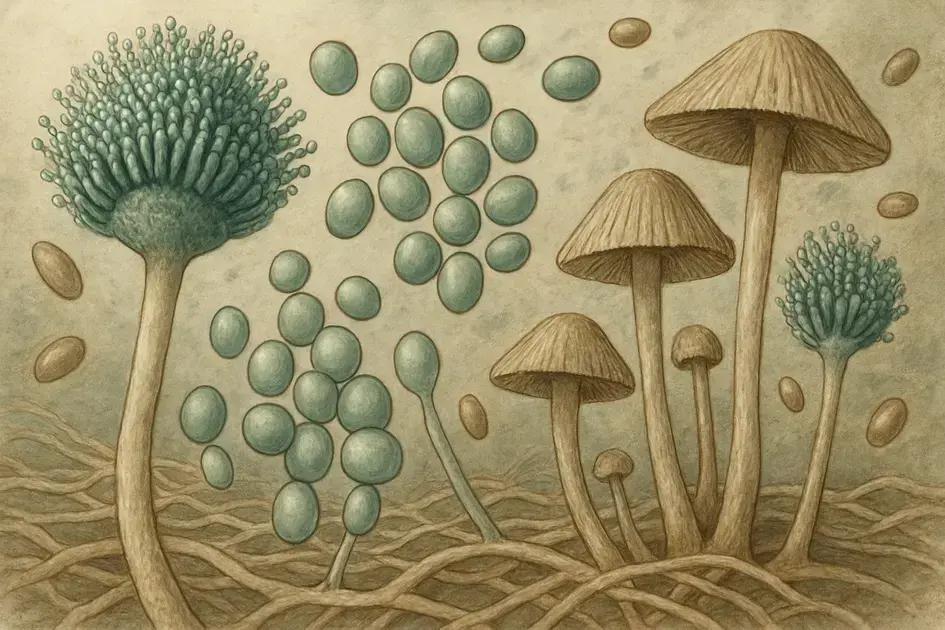
Understanding toenail fungus is crucial for proper treatment. Toenail fungus, also known as onychomycosis, occurs when fungal organisms invade the nail. This can lead to symptoms that are both uncomfortable and unsightly.
Causes of Toenail Fungus
Fungi thrive in warm, moist environments, which is why they often affect the toenails. Common causes include:
- Walking barefoot in public places, such as pools or locker rooms.
- Wearing tight-fitting shoes that trap moisture.
- Having a weakened immune system or pre-existing health issues, such as diabetes.
- Injuries to the nail that allow fungi to enter.
Symptoms of Toenail Fungus
Recognizing the signs early can lead to more effective treatment. Symptoms typically include:
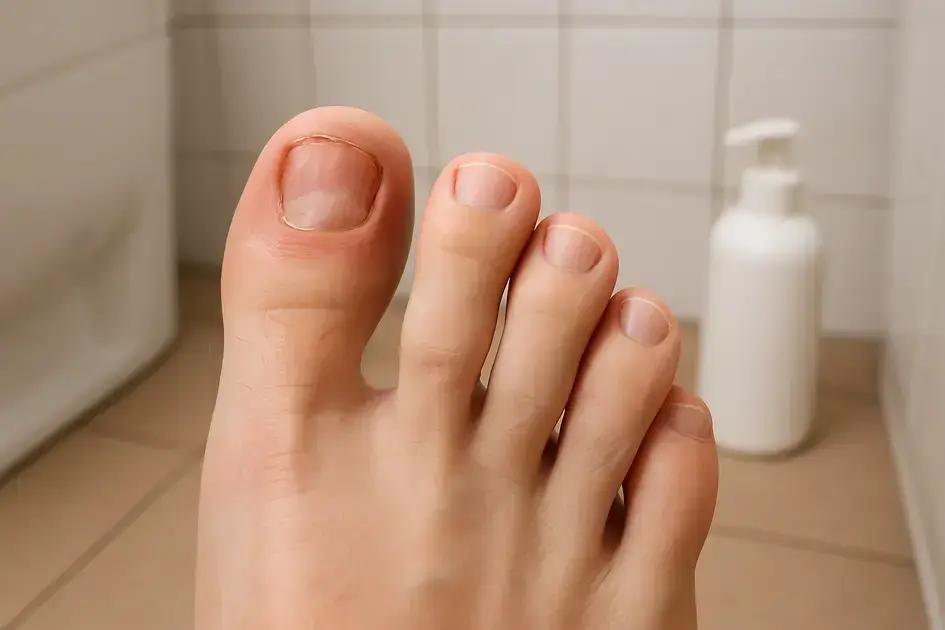
- Discoloration of the nail, often appearing yellowish or brown.
- Thickening of the nail, making it difficult to trim.
- Crumbly or ragged edges, indicating deterioration.
- Separation of the nail from the toe, which can be painful.
Understanding these causes and symptoms can help you take the first steps toward recovery and prevent further complications. If you notice any of these signs, consulting a healthcare professional is recommended.
How toenail fungus leads to nail loss

Toenail fungus can lead to nail loss through a series of damaging processes. Once the fungus takes hold, it begins to invade the nail bed and the surrounding tissue. This can create a situation where the nail becomes weakened and unable to perform its natural functions.
How Fungus Affects the Nail
The presence of fungus typically causes the nail to thicken and discolor. This change in appearance happens as the fungus disrupts the nail’s normal growth cycle. Over time, the affected area may become crumbly or brittle.
Separation from the Nail Bed
As the fungus spreads, it can lead to a condition known as onycholysis, where the nail separates from its bed. This separation not only causes pain but also creates an entry point for more bacteria and fungi. Infection can worsen, making treatment more complicated.
Impact on Nail Growth
When the fungus goes untreated, the nail’s ability to grow properly can become compromised. The nail may stop growing altogether or grow more slowly and irregularly. This change can lead to even more significant nail loss over time.
Potential for Complete Loss
If the condition is severe and left untreated, the nail may completely fall off. This is often a result of prolonged infection and damage to the surrounding tissues.Preventative measures and seeking treatment early can help preserve the nail and prevent loss.
Immediate steps to take when toenail falls off
When a toenail falls off, it’s important to act quickly to prevent infection and promote healing. Here are some immediate steps you should take.
1. Clean the Area
Gently wash the affected toe with mild soap and warm water. Pat it dry with a clean towel. Avoid rubbing the area to prevent further irritation.
2. Apply an Antiseptic
Once the area is clean, apply an antiseptic solution or ointment to reduce the risk of infection. Make sure it covers the entire exposed area.
3. Protect the Toe
Cover the toe with a sterile bandage or dressing. This will help keep dirt and bacteria out. Change the bandage daily or if it becomes wet or dirty.
4. Keep an Eye on Symptoms
Monitor for signs of infection, which may include increased redness, swelling, or pus. If you notice these symptoms, it’s important to seek medical attention.
5. Avoid Tight Footwear
While healing, wear open-toed shoes or footwear that does not apply pressure on the affected area. This will help prevent additional pain and discomfort.
6. Consult a Healthcare Professional
If the toenail does not grow back within a few months or if pain persists, consult a healthcare professional for further advice. They may recommend treatment options to promote regrowth and prevent complications.
Caring for the area after toenail loss
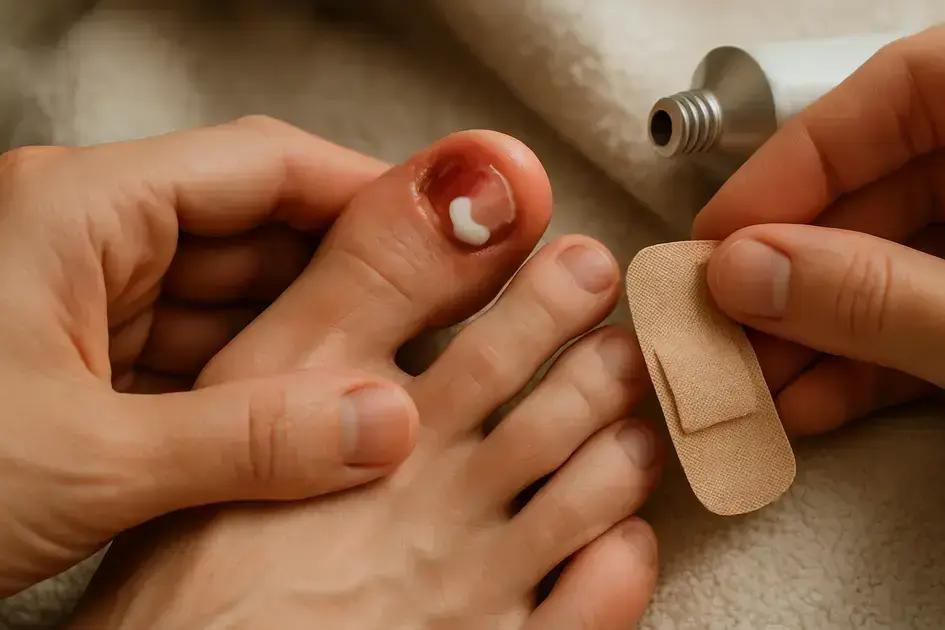
After a toenail falls off, proper care is essential to promote healing and prevent infection. Here are vital steps to take in caring for the area.
1. Keep the Area Clean
Gently clean the affected area with soap and warm water. Use a soft cloth or a cotton ball to avoid irritation. It’s important to do this daily to remove any dirt or bacteria.
2. Dry Thoroughly
After cleaning, make sure to dry the area completely. Moist environments can encourage the growth of fungi and bacteria, which can lead to infections.
3. Apply Antibiotic Ointment
Once the area is clean and dry, apply a thin layer of antibiotic ointment to help prevent infection. This will create a protective barrier over the exposed skin.
4. Cover with a Bandage
Cover the area with a sterile bandage or gauze. This will help keep dirt out and protect the exposed skin while it heals. Change the bandage daily or if it becomes wet or dirty.
5. Monitor for Signs of Infection
Keep an eye on the healing process. Look for signs of infection such as increased redness, swelling, warmth, or discharge. If any of these symptoms occur, consult a healthcare professional.
6. Avoid Irritation
Avoid wearing tight footwear or engaging in activities that could irritate the area. Opt for loose-fitting shoes and protect the toe during physical activities until it has healed completely.
Preventing infection after nail loss
Preventing infection after a toenail loss is crucial for proper healing and recovery. Follow these tips to keep the area safe and healthy.
1. Keep It Clean
Regularly clean the exposed area with mild soap and warm water. Gently wash to avoid causing irritation. Make sure to dry the area thoroughly afterward, as moisture can foster infection.
2. Apply Antiseptic
After cleaning, apply a topical antiseptic ointment to the exposed skin. This helps reduce the risk of infection by killing bacteria and other harmful organisms.
3. Use a Sterile Bandage
Cover the area with a sterile bandage or gauze to protect it from dirt and injuries. Change the bandage regularly, especially if it gets wet or dirty, to maintain hygiene.
4. Monitor for Symptoms
Keep an eye on the area for signs of infection, such as increased redness, swelling, warmth, or drainage. If you notice any of these symptoms, seek medical attention promptly.
5. Avoid Tight Footwear
Wear open-toed shoes or loose-fitting footwear to reduce pressure on the healing area. Tight shoes can irritate the skin and increase the risk of infection.
6. Enhance Your Immune System
Maintain a healthy lifestyle with a balanced diet and regular exercise. A strong immune system aids in recovery and helps prevent infections.
Best treatments for toenail fungus
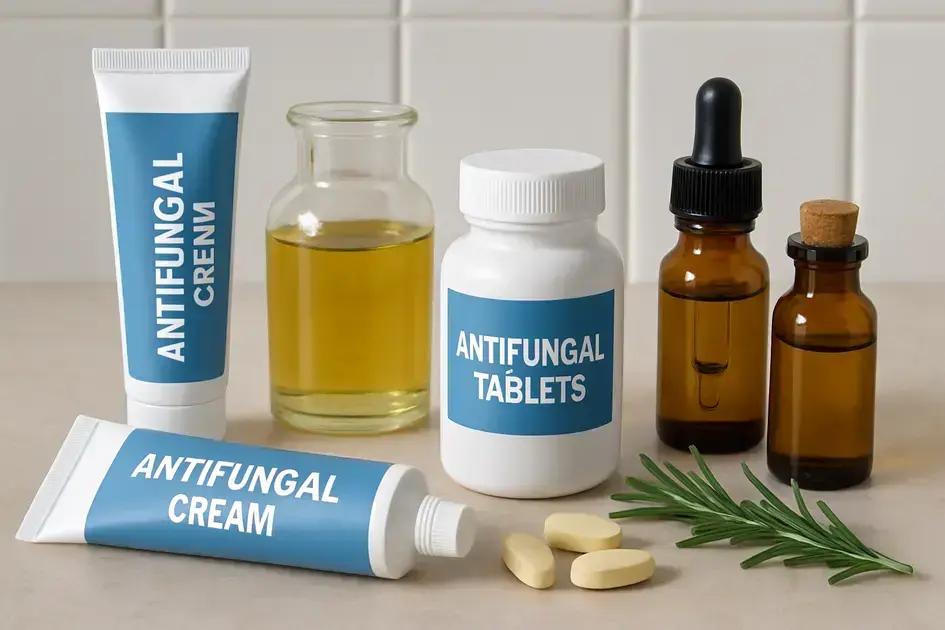
Finding effective treatments for toenail fungus is essential for restoring nail health. Here are some of the best options available:
1. Antifungal Medications
Doctor-prescribed antifungal medications, whether topical or oral, are often the first line of defense. Topical treatments are applied directly to the nail, while oral medications can help address the infection from within.
2. Over-the-Counter Solutions
There are several antifungal creams and nail lacquers available over the counter. These products may take longer to show results but can be effective for mild cases of toenail fungus.
3. Essential Oils
Some people find success using natural remedies like essential oils. Tea tree oil, for example, has antifungal properties and can be applied directly to the affected area. Always dilute with a carrier oil before use.
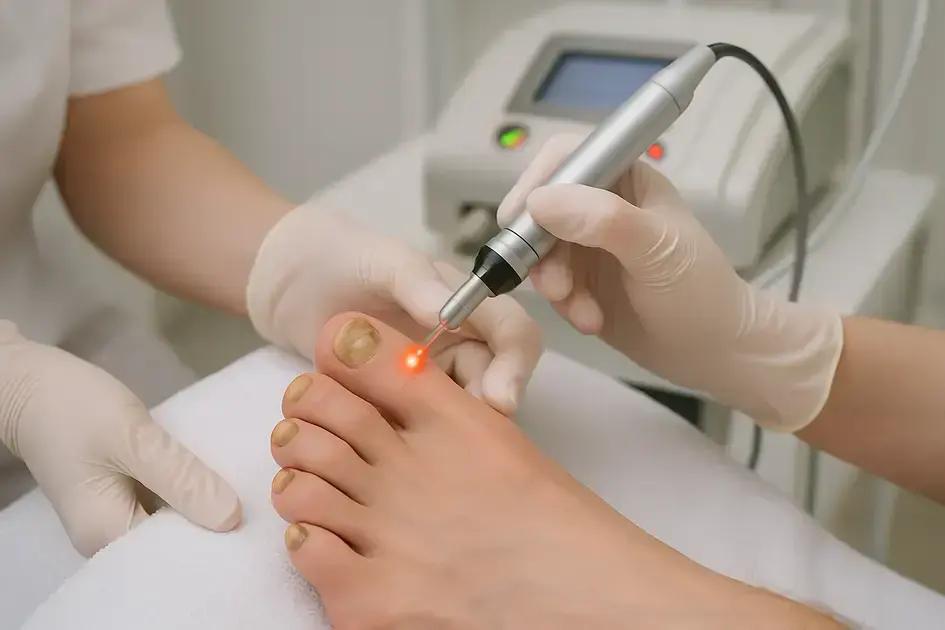
4. Laser Treatment
Laser therapy is a newer option that targets the fungus without harming the surrounding tissue. This treatment can be effective, but multiple sessions may be required for optimal results.
5. Home Remedies
Many individuals turn to home remedies, such as vinegar soaks or baking soda paste. While these might provide temporary relief, they are generally not a substitute for professional care.
6. Maintaining Nail Hygiene
Keeping your feet and nails clean and dry is crucial for treatment success. Regularly trimming your nails and removing the nail polish can enhance the effectiveness of treatments.
It is essential to consult a healthcare professional when dealing with toenail fungus to determine the best treatment plan for your specific condition.
Home remedies for toenail fungus
Home remedies for toenail fungus can provide relief and support the healing process. Here are some effective options to consider:
1. Tea Tree Oil
Tea tree oil is known for its antifungal properties. Apply a few drops directly to the affected nail area twice daily. Always dilute it with a carrier oil, like coconut oil, to prevent skin irritation.
2. Vinegar Soaks
White vinegar or apple cider vinegar can create an acidic environment that helps to kill fungi. Mix one part vinegar with two parts warm water and soak your feet for about 30 minutes daily.
3. Baking Soda Paste
Baking soda can help absorb moisture and create an inhospitable environment for fungi. Make a paste with baking soda and water, apply it to the infected nail, and let it sit for at least 10 minutes before rinsing.
4. Olive Leaf Extract
Olive leaf extract has natural antifungal properties. You can find it in capsules or liquid form. Discuss with a healthcare professional for proper dosage recommendations.
5. Oregano Oil
Oregano oil is another essential oil that can combat toenail fungus. Mix a few drops with a carrier oil and apply it to the affected area. Use it twice a day for best results.
6. Garlic
Garlic has powerful antifungal properties. You can apply crushed garlic directly to the fungus or consume garlic supplements to aid the healing process.
While these home remedies can be helpful, remember that they may not replace professional medical treatment. If symptoms persist, consult a healthcare provider for a tailored treatment plan.
When to see a doctor for toenail issues

Knowing when to see a doctor for toenail issues can save you from further complications. Here are important signs that indicate it’s time to consult a healthcare professional:
1. Persistent Pain
If you experience ongoing pain in or around your toenails, it’s essential to seek medical advice. Unresolved pain can be a sign of infection or other underlying problems.
2. Signs of Infection
Watch for symptoms such as increased redness, swelling, warmth, or discharge. These signs of infection require prompt attention from a doctor to prevent escalation.
3. Nail Discoloration
If your toenail turns yellow, brown, or black, this could indicate a fungal infection or other serious conditions. Consulting a doctor can help determine the cause and necessary treatment.
4. Nail Separation
Should you notice that your toenail is separating from the nail bed, it is important to see a doctor. This separation can lead to further complications if not treated properly.
5. No Improvement
If you’ve tried home remedies or over-the-counter treatments and see no improvement after a couple of weeks, it’s time to consult a healthcare professional. They can provide a proper diagnosis and prescribe effective treatments.
6. Recurrent Issues
Frequent problems with toenails, such as recurring fungal infections or ingrown nails, should be addressed by a doctor. They can help discover the root causes and suggest long-term management strategies.
Diet changes to support nail health
Making diet changes can significantly improve nail health and help prevent issues such as toenail fungus. Here are some effective dietary adjustments to consider:
1. Increase Protein Intake
Nails are primarily made up of a protein called keratin. To support nail growth, include more lean meats, fish, eggs, and legumes in your diet. These foods provide the necessary building blocks for strong nails.
2. Incorporate Biotin-Rich Foods
Biotin is a vital vitamin for nail health. Foods such as nuts, seeds, bananas, and avocados are great sources of biotin. Incorporating these foods can help strengthen nails and promote growth.
3. Stay Hydrated
Drinking enough water is crucial for overall health, including nail health. Proper hydration helps keep nails moisturized and prevents brittleness. Aim for at least eight glasses of water a day.
4. Eat Foods Rich in Zinc
Zinc plays an important role in the growth and repair of tissues, including nails. Foods like meat, shellfish, legumes, and whole grains are excellent sources of zinc. Adding these to your diet can enhance nail resilience.
5. Choose Omega-3 Fatty Acids
Omega-3 fatty acids can help nourish your nails and support moisture retention. Include foods like fatty fish, walnuts, and flaxseeds in your meals to benefit from omega-3s.
6. Limit Processed Foods
Processed foods often lack essential nutrients and can contribute to poor nail health. Prioritize whole, nutrient-dense foods while reducing sugar and unhealthy fats to support optimal nail condition.
Implementing these diet changes can lead to healthier nails and may help prevent issues such as toenail fungus. A balanced diet is key to maintaining overall health.
The role of footwear in nail health

Footwear plays a crucial role in maintaining nail health. The right shoes can help prevent various nail problems, including fungal infections and ingrown nails. Here are important factors to consider:
1. Choose Breathable Materials
Wearing shoes made of breathable materials helps keep your feet dry and reduces moisture buildup. Natural fabrics like canvas or leather allow air circulation, which is essential for healthy nails.
2. Ensure Proper Fit
Ill-fitting shoes can cause toenails to become ingrown or damaged. Make sure your footwear has enough space for the toes to move comfortably. Avoid tight shoes that put pressure on the nails.
3. Avoid High Heels
High heels can cramp your toes and lead to nail problems. Try to limit wearing them for prolonged periods. Instead, opt for shoes that provide proper support and a flat sole.
4. Use Orthotic Inserts
If you have foot problems, consider using orthotic inserts for added support. These can help distribute weight evenly and prevent pressure on your toenails.
5. Change Socks Regularly
Wearing clean, dry socks made of moisture-wicking materials can help keep your feet and nails healthy. Change socks daily to minimize the risk of fungal infection.
6. Proper Foot Care
Besides choosing the right footwear, regular foot care is essential. Keep your nails trimmed and clean, and moisturize your feet to prevent cracking.
By paying attention to the type of footwear you wear and maintaining good foot hygiene, you can promote healthy nails and reduce the risk of nail issues.
Importance of keeping feet dry and clean
Keeping your feet dry and clean is essential for maintaining overall foot health and preventing various issues, including toenail fungus. Here are key reasons why this practice is important:
1. Reduces the Risk of Fungal Infections
Fungi thrive in warm, moist environments. By keeping your feet dry, you minimize the chances of fungal growth. Make sure to dry your feet thoroughly, especially between the toes, after bathing or exercising.
2. Prevents Bacterial Infections
Moisture can also attract bacteria, which can lead to infections. Keeping your feet clean and dry helps to prevent conditions such as athlete’s foot and other skin infections.
3. Promotes Overall Comfort
Dry, clean feet are more comfortable. Wet or dirty feet can lead to irritation, chafing, and unpleasant odors. Proper foot hygiene contributes to a sense of well-being and comfort throughout the day.
4. Enhances Nail Health
Moisture can weaken nails and increase the risk of conditions such as fungal infections or brittle nails. Regularly cleaning and drying your feet promotes healthy nail growth and durability.
5. Aids in Odor Control
Dirty and moist feet can lead to unpleasant odors. Keeping your feet clean and dry helps to prevent this issue, making footwear smell better as well.
6. Encourages Healthy Skin
Drying your feet properly can prevent conditions like athlete’s foot and cracks in the skin. Apply moisturizer after drying to keep your skin healthy, but avoid applying it between your toes.
To maintain foot health, always wear clean socks and shoes made of breathable materials. This habit will keep your feet dry and free from infections.
Using antifungal powders and sprays

Using antifungal powders and sprays can be an effective way to treat and prevent toenail fungus. Here are some important considerations for using these products:
1. Types of Antifungal Powders and Sprays
There are various antifungal powders and sprays available. Look for products containing active ingredients such as clotrimazole, miconazole, or terbinafine. These ingredients work by targeting the fungi and helping to eliminate the infection.
2. Application Process
For best results, ensure that your feet and nails are clean and dry before application. Apply the powder or spray to the affected areas, including between the toes and on the soles of your feet. Follow the instructions on the product label for frequency and amount.
3. Consistency is Key
It is crucial to use antifungal products consistently. Even if you start to see improvements, continue to apply the powder or spray for the full duration recommended. This helps to ensure that all fungi are killed and reduces the risk of recurrence.
4. Combine with Other Treatments
Using antifungal powders and sprays can be more effective when combined with other treatments, such as oral antifungal medications or topical solutions. Consult with a healthcare professional for a comprehensive treatment plan.
5. Preventative Use
Consider using antifungal powders as a preventative measure, especially if you are prone to foot fungus or frequently walk in public spaces like pools and gyms. Applying powder daily can inhibit fungal growth.
6. When to Seek Professional Help
If you do not see improvement within a few weeks of using antifungal products, it may be time to consult a healthcare professional. They can evaluate your condition and suggest stronger treatments if necessary.
Natural oils for nail fungus treatment
Natural oils can be an effective treatment for toenail fungus, offering antifungal properties without harsh chemicals. Here are some of the best natural oils for this purpose:
1. Tea Tree Oil
Tea tree oil is one of the most popular natural remedies for nail fungus. It has strong antifungal and antiseptic properties. Apply a few drops directly to the affected nail and surrounding skin twice daily. Make sure to dilute it with a carrier oil if you have sensitive skin.
2. Oregano Oil
Oregano oil contains carvacrol, which is known for its antifungal effects. Mix oregano oil with a carrier oil and apply it to the fungal nail area. For best results, use it daily until the nail shows improvement.
3. Coconut Oil
Coconut oil is a natural moisturizer and has antifungal characteristics due to its high content of medium-chain fatty acids. Apply melted coconut oil directly to the affected area to promote healing and hydration.
4. Lavender Oil
Lavender oil not only has soothing properties but also contains antifungal agents. Apply it topically on the nail and the skin around it. Its pleasant scent can also help mask any odors from the infection.
5. Eucalyptus Oil
Eucalyptus oil has antifungal and antibacterial properties, making it effective for treating nail fungus. Dilute the oil and apply it to the affected nails. Its strong scent offers additional benefits in creating an aromatic experience.
6. Neem Oil
Neem oil is derived from the neem tree and is known for its potent antifungal properties. Applying neem oil directly to the infected nail can help combat the fungus. Use it consistently for the best results.
When using natural oils, it’s important to be patient. These treatments may take time to show results, so be consistent with your application. If the condition does not improve after several weeks, consulting a healthcare professional is advised.
How to boost your immune system for nail health

Boosting your immune system is crucial for maintaining healthy nails and preventing fungal infections. Here are some effective strategies to enhance your immune health:
1. Eat a Balanced Diet
Nutrition plays a key role in supporting your immune system. Include a variety of fruits and vegetables, especially those rich in vitamins C and E. Foods like citrus fruits, berries, nuts, and leafy greens are great choices.
2. Stay Hydrated
Drinking plenty of water is essential for overall health, including immune function. Aim for at least eight glasses of water a day to keep your body well-hydrated and promote proper circulation.
3. Get Regular Exercise
Physical activity helps boost your immune system by improving blood flow and reducing stress. Aim for at least 30 minutes of moderate exercise most days of the week, such as walking, swimming, or cycling.
4. Manage Stress
Chronic stress can weaken your immune response. Incorporate stress-reducing practices into your routine, such as yoga, meditation, or deep breathing exercises. Taking time for hobbies and relaxation is also important.
5. Get Enough Sleep
Quality sleep is essential for a healthy immune system. Aim for 7-9 hours of restful sleep each night. Establish a relaxing bedtime routine to improve the quality of your sleep.
6. Consider Supplements
Some supplements, like zinc and vitamin D, can support immune health. Consult with a healthcare professional before starting any new supplements to ensure they are appropriate for you.
7. Avoid Smoking and Limit Alcohol
Smoking and excessive alcohol consumption can impair immune function. If you smoke, seek support to quit, and limit alcohol intake to moderate levels to keep your immune system strong.
By following these tips, you can help boost your immune system and promote healthy nails, reducing the risk of infections and other nail issues.
Long-term strategies for preventing toenail fungus
Preventing toenail fungus in the long term requires consistent care and attention to your foot hygiene. Here are some effective strategies to help keep your toenails healthy:
1. Practice Good Foot Hygiene
Regularly wash your feet with soap and water, and make sure to dry them thoroughly, especially between the toes. This helps eliminate moisture, which fungi thrive on.
2. Keep Toenails Trimmed
Maintain short, clean toenails to prevent them from breaking or getting damaged. Use a clean nail clipper, and trim your nails straight across to avoid ingrown nails.
3. Choose Breathable Footwear
Wear shoes made from breathable materials, like leather or canvas, to allow air circulation. This helps keep your feet dry and reduces the risk of fungal infections.
4. Wear Moisture-Wicking Socks
Opt for socks that wick moisture away from your feet, especially if you are active. Consider changing socks during the day if your feet become sweaty.
5. Use Antifungal Powder
Applying an antifungal foot powder can help absorb moisture and reduce the chances of fungal growth. Consider using it daily, especially during hot weather or while exercising.
6. Avoid Walking Barefoot in Public Areas
Walking barefoot in places like gyms, pools, and locker rooms increases your exposure to fungi. Always wear flip-flops or water shoes in these environments.
7. Regularly Change Footwear
Don’t wear the same pair of shoes every day. Give your shoes a chance to air out between uses, which can help reduce moisture buildup.
8. Monitor Your Feet
Inspect your feet regularly for any signs of infection, such as discoloration or changes in texture. Early detection is key to effective treatment.
By implementing these long-term strategies, you can greatly reduce your risk of toenail fungus and ensure healthier nails.
In conclusion, maintaining healthy toenails is essential for overall foot health
To prevent issues like fungal infections, it’s important to practice good foot hygiene and make smart choices about footwear.
Incorporating natural oils and antifungal treatments can help combat any problems that arise, while boosting your immune system adds an extra layer of protection.
By following long-term strategies to keep your feet clean, dry, and well-cared-for, you can enjoy healthier toenails and a more comfortable life.
Investing in your foot health is a step toward living a happier and more active lifestyle.
FAQ – Frequently Asked Questions about Toenail Health
How can I prevent toenail fungus?
To prevent toenail fungus, maintain good foot hygiene, keep your feet dry, wear breathable footwear, and avoid walking barefoot in public areas.
What natural oils can help treat toenail fungus?
Natural oils like tea tree oil, oregano oil, and coconut oil have antifungal properties that can aid in treating toenail fungus.
How often should I trim my toenails for better health?
You should trim your toenails regularly, ideally every 4-6 weeks, to keep them short and prevent breakage or injury.
What should I do if I notice signs of nail infection?
If you notice signs of infection such as redness, swelling, or discharge, consult a healthcare professional for advice and possible treatment.
Is it necessary to use antifungal powder?
Using antifungal powder can be helpful, especially if you are prone to fungal infections. It absorbs moisture and can help prevent fungal growth.
Can diet affect the health of my toenails?
Yes, a balanced diet rich in vitamins and minerals can support nail health and boost your immune system, which helps prevent infections.